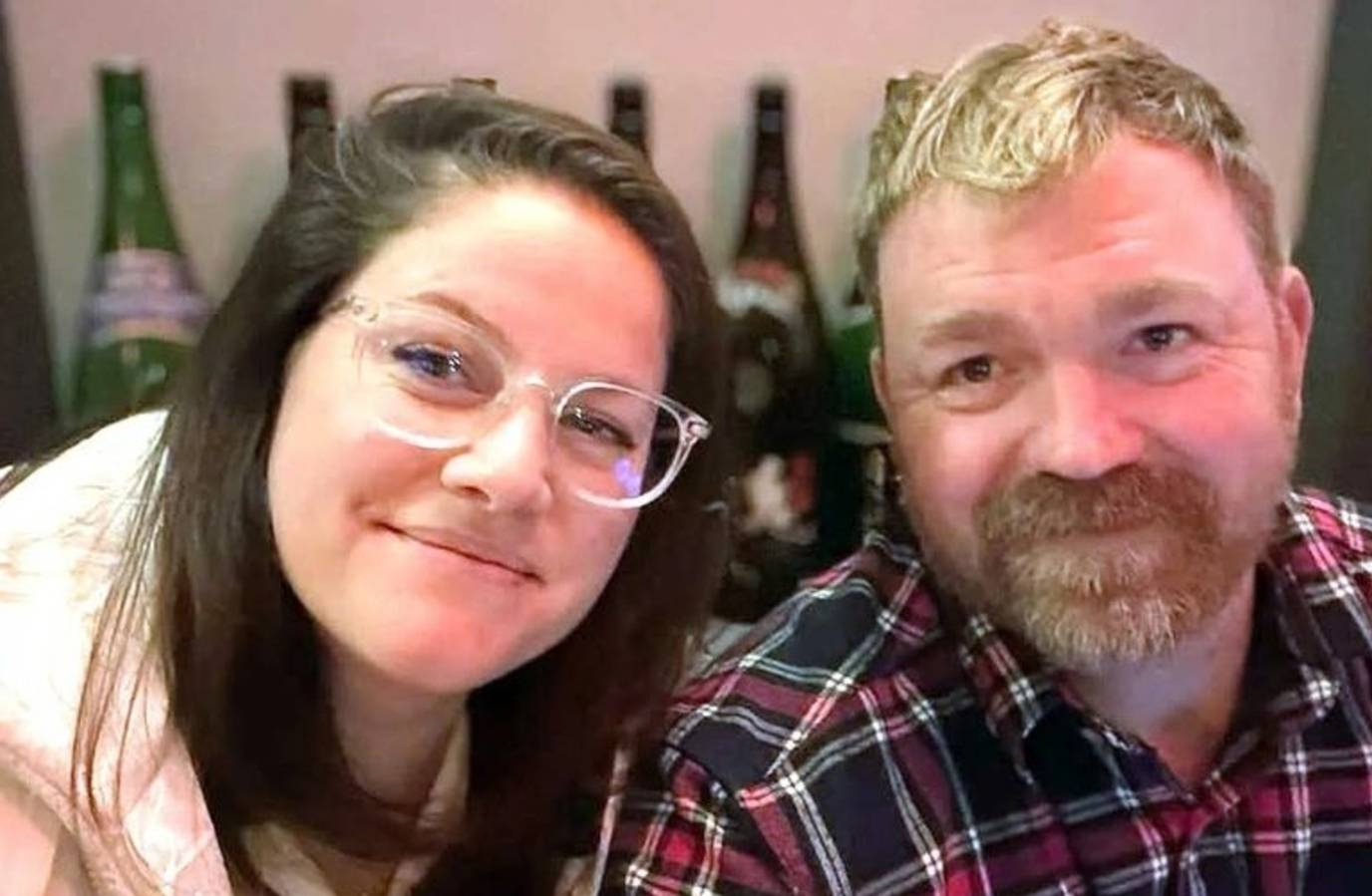
Amy Gertner served as the Deputy Campaign Manager for Sara Gideon’s 2020 U.S. Senate campaign in Maine. In this high-level operational role, she oversaw critical aspects of one of the most expensive and watched races in American history, managing departmental coordination, budget implementation, and strategic alignment against incumbent Senator Susan Collins.
The Professional Profile of Amy Gertner
To understand Amy Gertner's influence on the Maine political landscape, one must look at her trajectory within the Democratic Party's professional infrastructure. Gertner is not merely a local operative; she represents the modern "professionalization" of state-level campaigns. Before her pivotal role in the Maine Senate race, Gertner built a robust resume within the Democratic Congressional Campaign Committee (DCCC).
Serving as a Regional Political Director at the DCCC, she was responsible for overseeing a portfolio of competitive House races. This experience is vital because it involves high-stakes decision-making regarding resource allocation, candidate vetting, and national-to-local strategy synchronization. When she transitioned to the Maine Senate race, she brought a "DCCC mindset"—a focus on data-driven metrics, aggressive fundraising targets, and disciplined messaging.
Her background also includes significant time within the Maine Democratic Party infrastructure. This dual identity—knowing the national "playbook" while understanding the unique nuances of Maine’s "Two Maines" (the liberal coastal/southern region versus the more conservative northern/rural areas)—made her a strategic asset for the Gideon campaign. In the context of 2026, her career remains a blueprint for how operatives bridge the gap between national party priorities and local voter sentiment.
The 2020 Maine Senate Race: A Historical Context
The race in which Amy Gertner played a leading role was unprecedented for Maine. The battle between Sara Gideon, the then-Speaker of the Maine House of Representatives, and Susan Collins, a long-term incumbent, became a focal point for national political control.
By the time the 2020 cycle concluded, it was the most expensive election in Maine's history. Total spending by candidates and outside groups exceeded $160 million. For a state with a relatively small population, this influx of capital created an environment where "normal" campaign operations were scaled to an extreme degree. Gertner, as Deputy Campaign Manager, sat at the center of this hurricane.
The stakes were heightened by the nationalization of the race. Every vote in Maine was seen through the lens of the U.S. Senate majority. This meant that the Gideon campaign wasn't just fighting a local battle; it was managing a national brand. Gertner’s role involved ensuring that local Maine issues (like healthcare access and the fishing industry) were not drowned out by the national noise, even as the campaign relied on national donors for its massive war chest.
Core Responsibilities of the Deputy Campaign Manager
In a "Tier 1" Senate race—the designation given to the most competitive races in the country—the Deputy Campaign Manager acts as the Chief Operating Officer (COO). While the Campaign Manager focuses on high-level political strategy and candidate management, the Deputy focuses on the "machinery" of the campaign.
Organizational Scaling and Staffing
One of Gertner's primary tasks was scaling the campaign staff. A Senate campaign in a state like Maine might start with five or ten core staffers but must quickly grow to over a hundred employees, including field organizers, digital specialists, and communication deputies. Gertner was responsible for maintaining organizational culture and ensuring that departments were not siloed.
Budgetary Oversight and Resource Allocation
With the Gideon campaign raising tens of millions of dollars, the Deputy Campaign Manager's role in budget oversight was monumental. This involved:
- Media Buy Coordination: Ensuring that the massive influx of cash was efficiently converted into television, radio, and digital advertising.
- Burn Rate Management: Monitoring how quickly the campaign was spending money relative to its fundraising projections.
- Vendor Management: Negotiating contracts with polling firms, direct mail houses, and digital agencies.
Internal Communication
In a high-pressure environment, internal friction can derail a campaign. Gertner served as the bridge between the field team (those on the ground in Bangor, Lewiston, and Portland) and the executive leadership. Her role was to ensure that the data collected from the doors being knocked on was actually informing the messaging being produced by the communications team.
The DCCC Influence and National Strategy Integration
Amy Gertner's tenure at the DCCC provided the Gideon campaign with a direct line to national Democratic strategy. The DCCC is known for its rigorous "Red to Blue" program, which provides a roadmap for challenging incumbents. Gertner applied these methodologies to the Senate race.
This influence was particularly visible in the campaign's focus on "incumbency fatigue." The strategy involved highlighting Susan Collins’s voting record on judicial appointments and tax reform to paint her as out of step with Maine voters. This is a classic DCCC tactic: link the local incumbent to unpopular national figures or policies.
However, Maine is a notoriously independent state. Gertner had to balance this nationalized aggression with the "Maine way" of campaigning, which often values civil discourse and local authenticity. The tension between these two approaches—national aggression versus local tradition—was a defining feature of the campaign's internal strategy sessions.
Managing Record-Breaking Fundraising
The Gideon campaign was a primary beneficiary of the "Green Wave"—a massive surge in small-dollar donations through platforms like ActBlue. The campaign raised over $70 million, an astronomical sum for a Maine race.
Gertner’s role in this was largely operational. She had to ensure the campaign had the infrastructure to process, report, and legally comply with this volume of donations. The Federal Election Commission (FEC) has strict guidelines on contribution limits and disclosure. In 2026, we still look back at the 2020 cycle as a period where compliance departments became just as large as communications departments.
| Fundraising Category | Sara Gideon (D) | Susan Collins (R) |
|---|---|---|
| Total Raised | ~$75 Million | ~$30 Million |
| Total Spent | ~$71 Million | ~$29 Million |
| Outside Spending Support | ~$48 Million | ~$42 Million |
| Primary Source | Small-dollar / National | Individual / PACs |
Source: FEC Year-End Reports 2020.
The disparity in spending shown in the table above highlights the pressure on the Gideon management team. Having more money than your opponent is only an advantage if you can spend it effectively. Gertner’s challenge was "saturation"—at a certain point, there are no more TV slots to buy or voters to reach. Efficiently deploying that final $20 million required surgical precision.
Ground Game and Field Operations in 2020
The 2020 election occurred during the height of the COVID-19 pandemic, which fundamentally changed the role of campaign leadership. Traditionally, a Deputy Campaign Manager would oversee a massive "knock-and-drag" field operation—canvassers going door-to-door to talk to voters.
Under Gertner’s management, the Gideon campaign had to pivot to a "virtual field" model. This included:
- Relational Organizing: Using apps and personal networks to reach voters rather than cold-calling or door-knocking.
- Digital Town Halls: Transitioning candidate appearances to Zoom and Facebook Live, requiring a new set of technical and logistical skills.
- Vote-by-Mail (VBM) Education: A massive portion of the field budget was redirected toward educating Maine voters on how to request and return absentee ballots, as the pandemic made in-person voting a concern for many.
Gertner’s ability to manage this pivot was essential. The campaign had to build a digital-first infrastructure in a state with some of the oldest demographics and most rural areas in the country—populations that aren't always easily reached via high-speed internet.
The Outcome and Tactical Analysis
While Sara Gideon ultimately lost the race to Susan Collins (51% to 42.4%), the campaign is still studied for its organizational efficiency and fundraising prowess. From a management perspective, Gertner and the leadership team successfully built a "political startup" that grew to a multi-million dollar enterprise in less than two years.
The loss is often attributed to factors outside of the campaign's operational control, such as Maine's history of ticket-splitting (voters who supported Joe Biden for President but Susan Collins for Senate) and Collins's long-standing personal brand in the state. However, the Gideon campaign's ability to remain competitive in every county and push the incumbent to a record-breaking spend is a testament to the organizational foundation Gertner helped build.
Lessons for Future Maine Campaigns
As we look at the political landscape in 2026, the "Gertner model" of campaign management remains relevant. It emphasizes several key lessons for future operatives:
- Infrastructure Over Ego: The Deputy Campaign Manager’s role is to ensure the candidate has a platform to succeed. This means getting the "unsexy" things right: payroll, IT security, and data integrity.
- National Resources, Local Voice: Success in Maine requires utilizing national money without sounding like a national politician. Gertner’s experience at the DCCC provided the "how," but the Maine roots provided the "what."
- The Importance of Compliance: In the era of massive outside spending and digital "dark money," having a disciplined operational head is the only way to avoid legal and PR pitfalls.
Frequently Asked Questions
What was Amy Gertner's specific title during the campaign?
Amy Gertner served as the Deputy Campaign Manager for Sara Gideon’s 2020 U.S. Senate campaign. She was second-in-command for operations, supporting Campaign Manager Amy Mesner.
What did she do before joining the Gideon campaign?
Gertner was a Regional Political Director at the Democratic Congressional Campaign Committee (DCCC), where she managed a portfolio of competitive U.S. House races across the country. She also had deep ties to the Maine Democratic Party.
How did the Gideon campaign handle the record amount of money raised?
The campaign, under the oversight of Gertner and the finance team, invested heavily in a "saturation" media strategy. This included pervasive television and digital advertising and a massive virtual field operation to navigate the restrictions of the COVID-19 pandemic.
Did Amy Gertner work on other Maine campaigns?
Yes, Gertner has been a recurring figure in Maine Democratic politics for over a decade. Her work often focuses on the intersection of state-level organizing and national Democratic strategy.
Why was the 2020 Maine Senate race significant for campaign managers?
It was a "Tier 1" race that tested the limits of political spending in a small-population state. It also forced managers to reinvent field operations overnight due to the pandemic, creating new standards for virtual organizing that are still used in 2026.
What is the difference between a Campaign Manager and a Deputy Campaign Manager?
The Campaign Manager (CM) usually handles the candidate’s schedule, high-level political relationships, and overall strategy. The Deputy Campaign Manager (DCM) functions like a COO, focusing on the day-to-day operations, departmental management, and ensuring the CM's strategy is actually executed.
Practical Recommendation for Political Students
For those looking to enter political management in Maine or elsewhere, studying the 2020 Gideon campaign provides a masterclass in organizational scaling. If you are looking to replicate the career path of someone like Amy Gertner, focus on gaining experience in "institutional" politics—such as the DCCC or state parties—where you can learn the standardized metrics of success.
However, always remember that data is only half the battle; the "Maine way" of politics still prizes direct connection and local understanding. The most successful operatives in 2026 are those who can run a $100 million operation while still understanding why a small-town selectman's endorsement in Aroostook County actually matters.