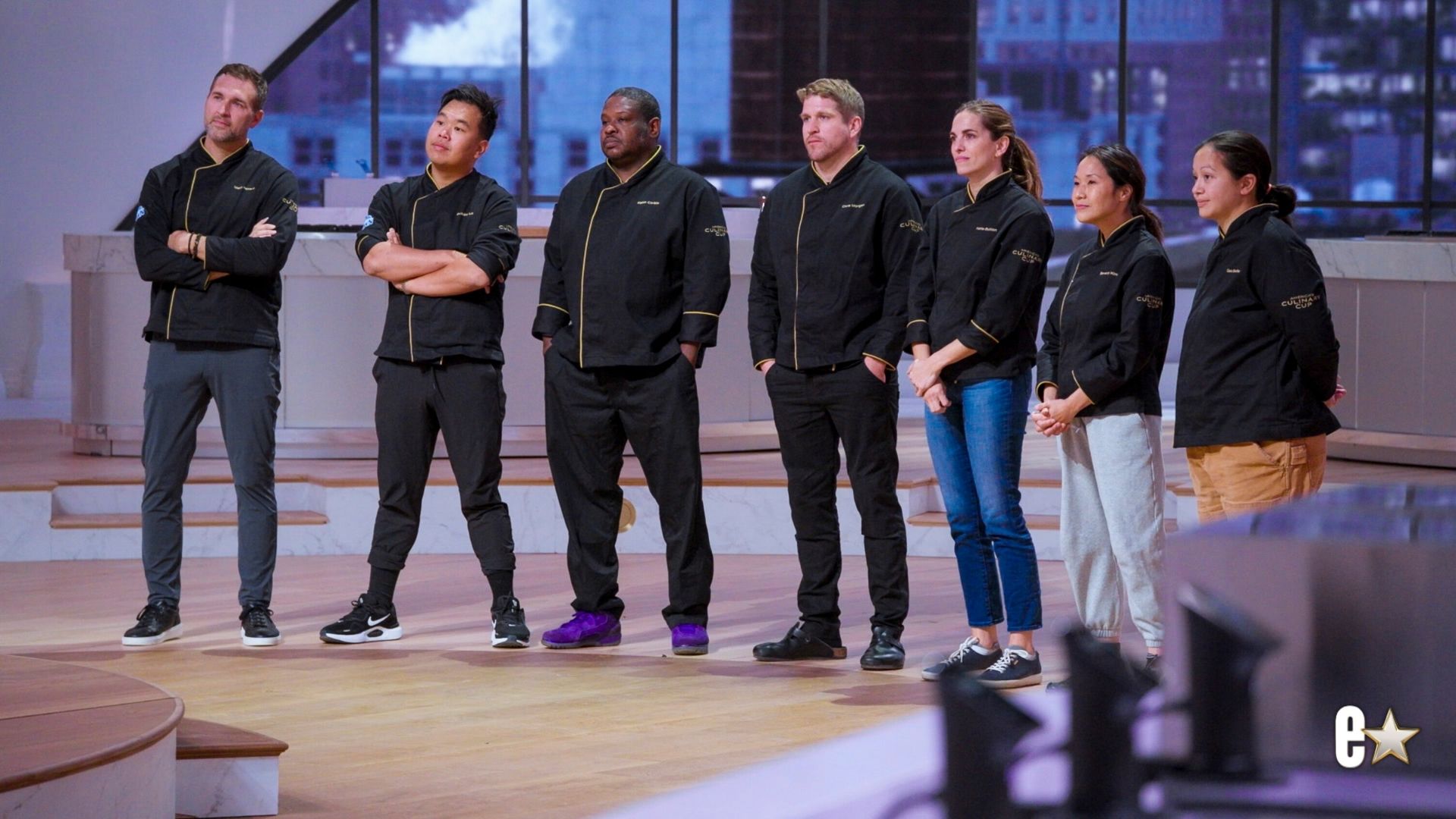
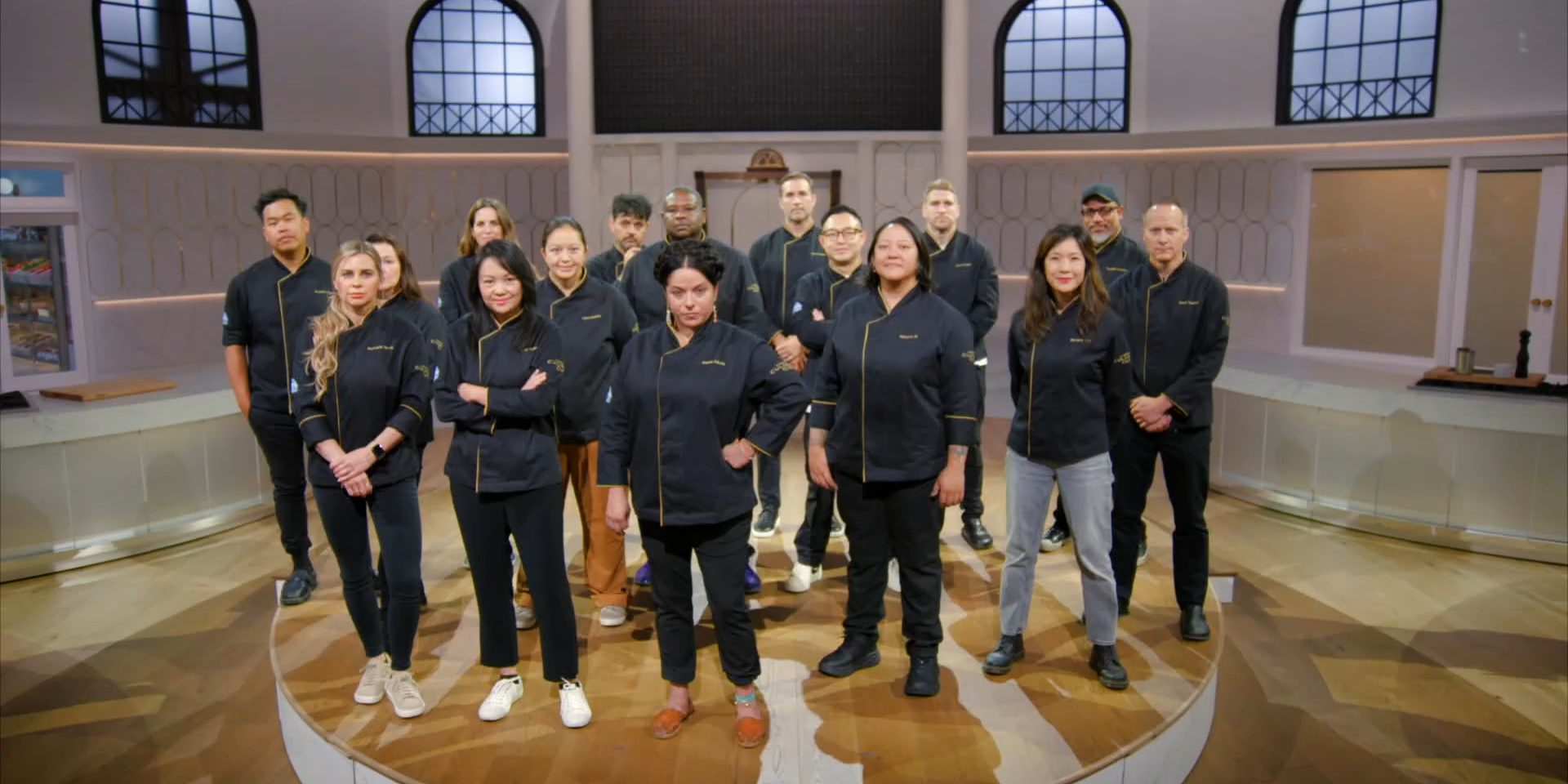
In 2026, the Americas Culinary Cup cast comprises elite national teams, WACS-certified international judges, and specialized technical committees representing the pinnacle of professional gastronomy across the Western Hemisphere. This roster is determined through rigorous national qualifiers, culminating in the regional semi-finals for the prestigious Worldchefs Global Chefs Challenge.
The Americas Culinary Cup (often referred to in Latin America as the Copa Culinaria de las Américas) is not merely a regional contest; it is a high-stakes professional stage where the "cast" involves the most talented chefs from North, Central, and South America. Whether you are an aspiring competitor, a culinary student, or a hospitality professional, understanding the roles, selection criteria, and the 2026 lineup is essential for navigating the upper echelons of the industry.
The Hierarchy of the Americas Culinary Cup Cast
To understand the "cast" of this event, one must look beyond the individual at the stove. The competition is a synchronized performance involving multiple roles, each with specific certifications and responsibilities. The 2026 cycle emphasizes a multi-generational approach, ensuring that the cast includes veteran masters and emerging talents.
The Competitors (The Leads)
The primary cast consists of three distinct categories of competitors. In 2026, these teams represent their National Chefs’ Associations, which are members of the World Association of Chefs' Societies (Worldchefs).
- The Global Chefs Challenge Cast: This is the "Senior" category. It features seasoned executive chefs who must prepare a four-course menu for twelve people within a strict five-hour window.
- The Global Pastry Chefs Challenge Cast: These specialists focus on the art of patisserie, sugar work, and chocolate. Their performance is a grueling test of both aesthetic precision and structural engineering.
- The Global Young Chefs Challenge Cast (Hans Bueschkens Trophy): Reserved for chefs under the age of 25, this segment of the cast highlights the future stars of the industry.
The Commis (The Supporting Cast)
Every lead chef in the Global Chefs category is supported by a Commis. In the context of the Americas Culinary Cup, the Commis is a critical cast member who must be under 25 years of age. Their role is to assist the lead chef in preparation and organization. While they cannot perform the primary cooking of the proteins, their technical skills in "mise en place" often determine the team’s overall efficiency score.
The Jury (The Technical Cast)
The "Technical Cast" is led by a Jury President and includes a panel of international judges. In 2026, Worldchefs mandates that all judges hold current WACS Judging Certification. This group is split into:
- Kitchen Jurors: They move through the stations, monitoring food safety, wastage, technical skills, and organizational efficiency.
- Tasting Jurors: They remain in a blind-tasting area to evaluate the sensory aspects of the dishes—flavor, texture, and balance—without bias toward the chef’s identity.
2026 National Team Profiles and Roster Expectations
As we move through the 2026 competition cycle, several nations have established themselves as the "powerhouses" of the Americas Culinary Cup cast. The selection process usually concludes in late 2025, with the final roster solidified for the 2026 regional finals.
The North American Contingent
The United States (represented by the American Culinary Federation) and Canada (represented by Culinary Federation Canada) traditionally field teams with significant financial and institutional backing. Their cast members are often chosen through a series of state and regional "cook-offs." For 2026, the U.S. roster focuses heavily on sustainability and indigenous ingredients, a trend reflected in their recent national qualifiers.
The Latin American Powerhouses
Countries like Mexico, Chile, Brazil, and Costa Rica bring a vibrant "cast" to the Americas Culinary Cup. The Foro Panamericano de Asociaciones Gastronómicas often hosts these selections. In 2026, the Mexican team is noted for its integration of ancient techniques with modern molecular gastronomy, making their competitors "the ones to watch" for innovation scores.
The Caribbean Representation
Islands such as Barbados and Jamaica have increasingly secured their spots in the 2026 cast. Their involvement is vital for the geographical diversity of the Cup, bringing unique flavor profiles and tropical technical applications that challenge the traditional European-centric judging rubrics.
How the Cast is Selected: The Qualification Pathway
Becoming part of the Americas Culinary Cup cast is a multi-year journey. It is not an "open call" in the traditional sense; rather, it is a meritocratic ladder.
Step 1: National Membership
A chef must first be a member in good standing of their country’s national chefs' association. In the U.S., this is the American Culinary Federation (ACF); in Canada, it is the Culinary Federation.
Step 2: National Qualifiers
During 2024 and 2025, national associations hold "road to the cup" events. The winners of these domestic competitions earn the right to wear the national colors and join the continental cast.
Step 3: WACS Validation
Once a team is selected, their credentials, including the age of the Young Chef/Commis and the certification of their coaches, must be validated by the Worldchefs Continental Director for the Americas. This ensures the 2026 cast meets global standards for the Global Chefs Challenge semi-finals.
Technical Specifications for the 2026 Competition
The "performance" of the cast is governed by a 50+ page rulebook. For 2026, the technical requirements have been updated to include stricter rules on food waste and the use of specific mandatory ingredients (the "Mystery Basket" or "Mandatory Protein" components).
| Role | Primary Responsibility | Mandatory Qualification |
|---|---|---|
| Lead Chef | Menu development & execution | Professional Chef Certification / National Winner |
| Commis Chef | Technical support & prep | Under age 25 / Culinary Student or Junior Pro |
| Pastry Chef | Showpiece & dessert execution | Specialized Pastry Certification |
| Jury President | Oversight & tie-breaking | WACS A-Level Judge Status |
| Kitchen Judge | Monitoring hygiene & technique | WACS B-Level Judge Status or higher |
| Team Coach | Strategy & training (Non-cooking) | Previous International Competition Experience |
The Role of the Supporting Infrastructure
Beyond the chefs and judges, the "cast" includes an invisible but essential support layer. In 2026, this includes the Technical Committee, which manages the equipment and kitchen infrastructure. Each station in the Americas Culinary Cup is a high-spec professional kitchen, and the technical cast ensures that every induction hob, combi-oven, and blast chiller is calibrated to the same standard to ensure a level playing field.
Mentors and Coaches
While they do not step into the kitchen during the live "cast" performance, coaches are the architects of the team's strategy. They analyze previous scores, refine flavor profiles, and conduct "mock" competitions that simulate the intense pressure of the 2026 stage. The bond between the Lead Chef and the Coach is often the determining factor in a team's success.
The Significance of the "Cast" in the Global Culinary Landscape
Being part of the Americas Culinary Cup cast is a career-defining milestone. For the chefs involved, it serves several professional purposes:
- Validation of Skill: It proves that a chef can perform at the highest international level under extreme time pressure.
- Networking: The event brings together the most influential culinary figures in the Americas, leading to executive placements and consulting opportunities.
- Global Progression: The winners of the 2026 Americas Culinary Cup cast move forward to the Worldchefs Global Chefs Challenge finals, where they compete against the best from Europe, Asia, and Africa.
Challenges Faced by the 2026 Competitors
The 2026 cast faces unique challenges compared to previous years. The focus on Economic Sustainability means that teams are judged more harshly on the cost-effectiveness of their menus. High-end ingredients must be balanced with "nose-to-tail" or "root-to-stem" utilization. Furthermore, the 2026 rules have increased the points allocated to "Kitchen Sanitation," making the technical jurors' roles even more critical.
Common Pitfalls for the Cast
- Over-complication: Attempting too many techniques that cannot be perfected in the five-hour window.
- Communication Breakdown: The Lead Chef and Commis failing to sync their movements, leading to "kitchen chaos" points deductions.
- Temperature Control: In the heat of the competition venue (often a large convention center), maintaining the integrity of frozen elements or delicate chocolate work is a common point of failure.
Frequently Asked Questions
Who is eligible to be in the Americas Culinary Cup cast?
Eligibility is restricted to professional chefs who are members of a Worldchefs-affiliated national association. For the Young Chefs category, the competitor must be under 25 years of age during the competition year (2026). Commis chefs must also meet the under-25 age requirement.
How can I watch the 2026 Americas Culinary Cup?
Most regional semi-finals are live-streamed via the Worldchefs Facebook page or official YouTube channel. Some events are also broadcast by local sports or lifestyle networks in the host country, such as ESPN Caribbean or regional Gastronomy TV channels.
Is there a cost to join the competition cast?
While there is usually no "entry fee" for the chefs themselves (as they represent their countries), the cost of training, ingredients, and travel is significant. These expenses are typically covered by the National Chefs’ Association or corporate sponsors. A team's budget for the 2026 cycle can range from $10,000 to over $50,000 depending on the country's resources.
What are the main prizes for the winners?
The primary prize is the "Continental Champion" title and the gold medal. More importantly, the winners earn a fully-funded spot in the Global Chefs Challenge Finals. Professional recognition, trophies, and high-end culinary equipment from sponsors (like Robot-Coupe or Rational) are also standard rewards.
Can a chef participate in the cast as an independent?
No. The Americas Culinary Cup is a sanctioned international event. Competitors must be officially endorsed and sent by their respective National Chefs’ Association. If your country does not have a WACS-recognized association, you cannot participate in this specific competition.
Final Recommendations for Aspiring Cast Members
If you aim to join the Americas Culinary Cup cast in 2026 or beyond, your first step is to engage with your local ACF or national equivalent chapter. Start by volunteering as a "runner" or assistant for local competitions to understand the rhythm and flow of the kitchen.
Success in this arena requires more than just cooking talent; it requires a disciplined mindset, the ability to take criticism from judges, and a deep understanding of the WACS Judging Rubric. Focus on your foundational techniques—knife skills, sauce emulsification, and heat management—as these are where the majority of technical points are won or lost. Finally, seek out a mentor who has previously been part of the international cast; their insight into the "unwritten rules" of the competition stage is invaluable.