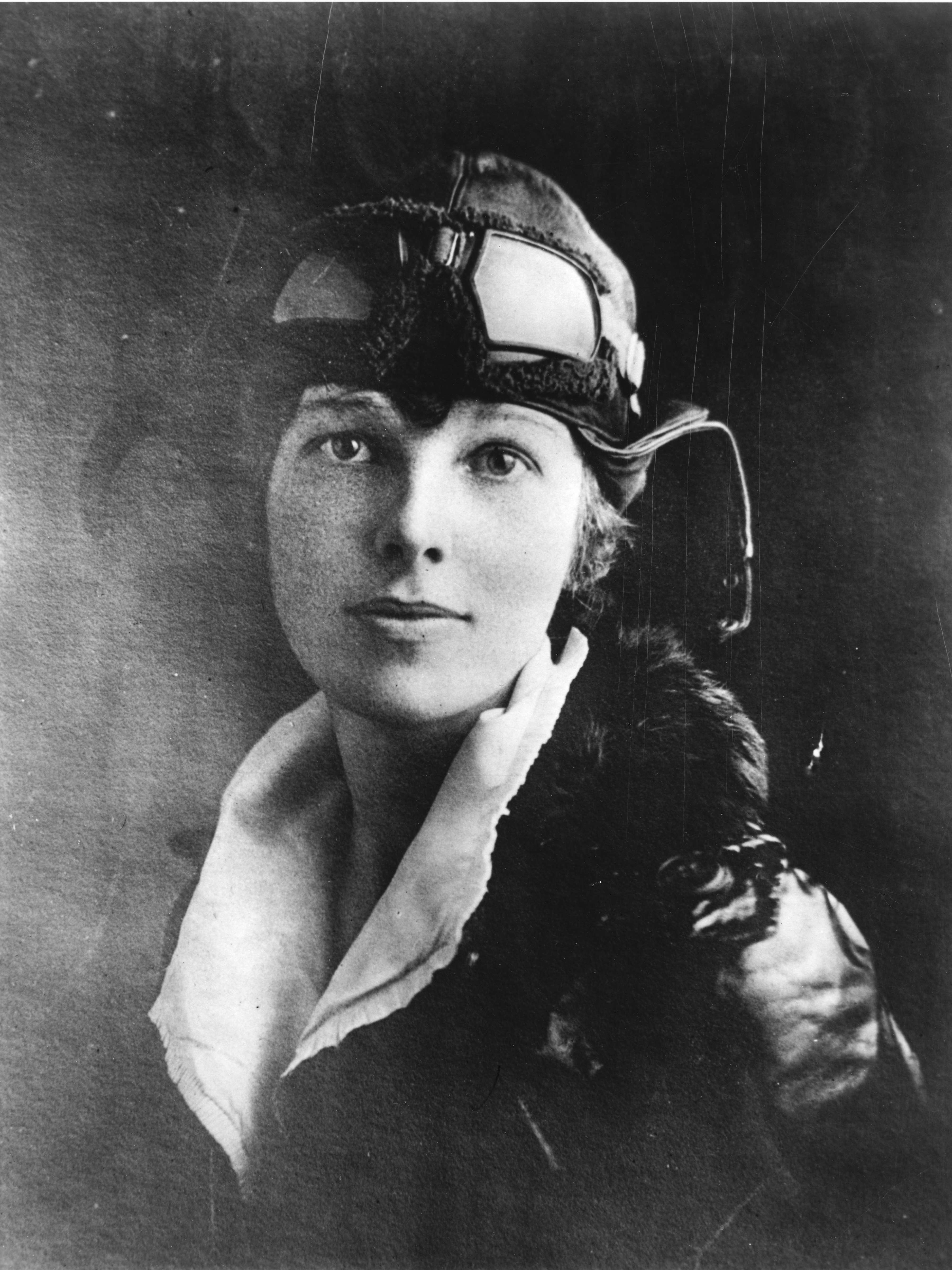
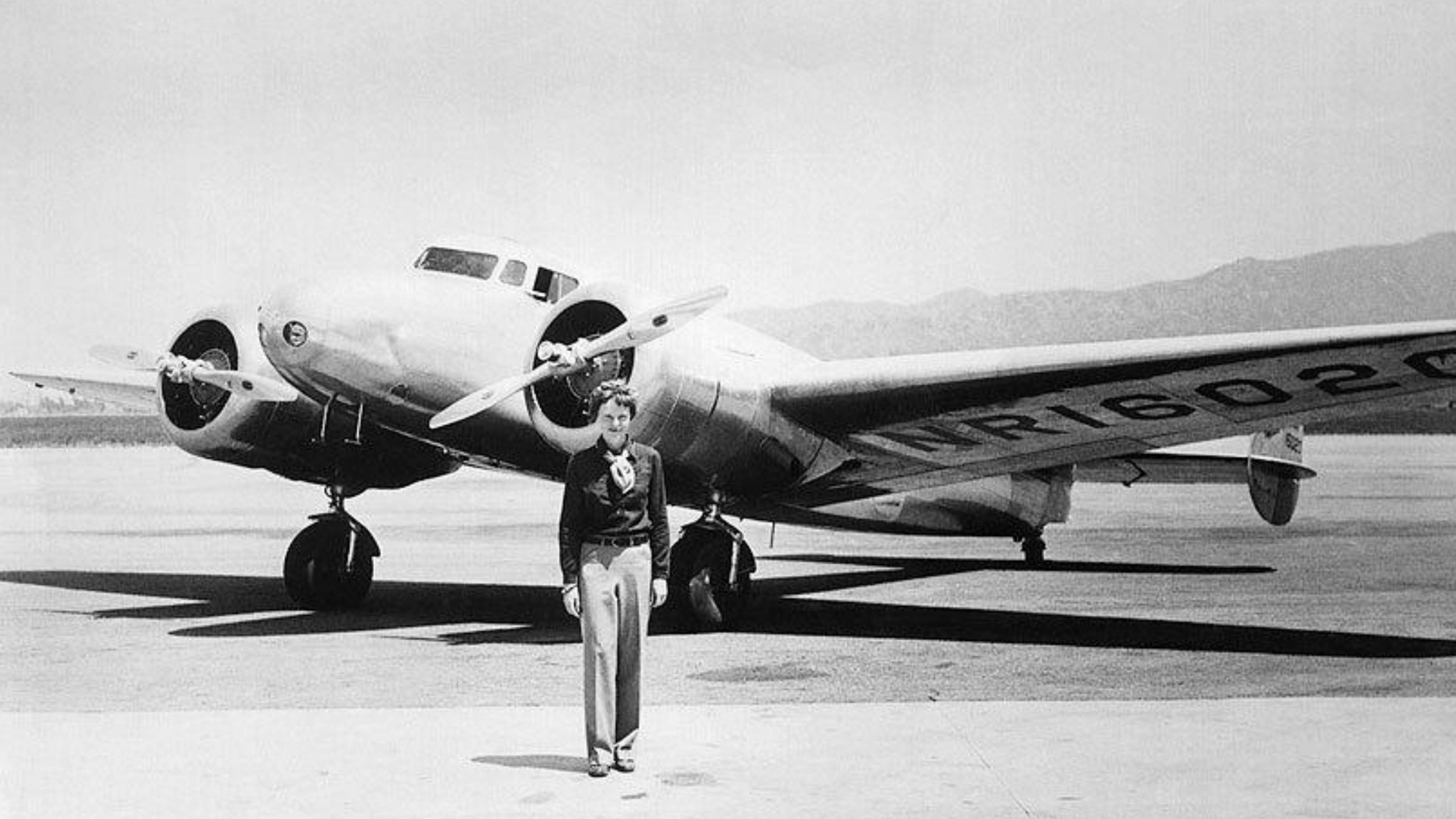
Historic pictures of Amelia Earhart provide a vital visual record of her transformation from a determined young nurse’s aide into a global symbol of courage and female empowerment. These photographs, preserved in major archives like Purdue University and the Smithsonian, capture her record-breaking solo flights, her distinct and influential style, and the final, haunting preparations for her 1937 disappearance. Beyond mere portraiture, these images serve as primary forensic evidence for historians and researchers who continue to study her legacy and the mystery of her final flight.
The Significance of Photographic Records in Earhart’s Legacy
Photography played a dual role in the life of Amelia Earhart. While she was a pioneer of the skies, she was also a pioneer of personal branding. At a time when aviation was viewed as a rugged, masculine endeavor, Earhart’s image—carefully captured in thousands of historic pictures—helped normalize the idea of women in technical and high-risk fields. These photographs were not merely promotional; they documented the rigorous technical reality of early 20th-century flight.
For modern researchers in 2026, these images are more than nostalgic artifacts. High-resolution digital scans and AI-assisted restoration have allowed historians to analyze specific mechanical details of her aircraft, such as the Lockheed Electra 10E. By examining the rivets, patches, and modifications visible in late-stage photographs, investigators can cross-reference these details with artifacts found on remote Pacific islands, bridging the gap between historical photography and modern forensic science.
Early Life and the Spark of Aviation (1897–1920)
Before she became "Lady Lindy," Earhart’s early photographs show a young woman testing the boundaries of traditional gender roles. Rare images from her time as a Red Cross nurse's aide in Toronto during World War I show a focused, empathetic individual. However, the most pivotal historic pictures from this era date to 1920, when she attended an aerial meet at Daugherty Field in Long Beach, California.
It was during this period that Earhart took her first flight, an experience she later described as a transformative moment. Photos from the early 1920s show her with her first airplane, a bright yellow Kinner Airster she nicknamed "The Canary." In these shots, we see the prototypical Earhart look beginning to emerge: the leather flight jacket, the cropped hair (which she cut short to fit in with other female flyers of the era), and the grease-smudged face of a pilot who maintained her own engine.
The 1928 "Friendship" Flight: From Passenger to Icon
Amelia Earhart’s entry into the global spotlight occurred in June 1928, when she became the first woman to fly across the Atlantic, albeit as a passenger. The photographs taken in Burry Port, Wales, upon the landing of the Fokker F.VIIb/3m "Friendship," show a woman overwhelmed by sudden fame.
While Earhart herself felt she was merely "baggage" on that flight—a sentiment she expressed to the press at the time—the media images told a different story. The pictures highlighted her striking physical resemblance to Charles Lindbergh, earning her the nickname "Lady Lindy." This specific set of historic pictures is crucial because it documents the birth of her public persona. The images of her being greeted by crowds in Southampton and London show the massive scale of public interest in female aviators, setting the stage for her subsequent solo career.
Solo Success: The 1932 Transatlantic Flight
If the 1928 photos were about fame, the 1932 photographs were about mastery. On May 20–21, 1932, Earhart became the first woman to fly solo across the Atlantic. Pictures from this period focus heavily on her aircraft, the bright red Lockheed Vega 5B.
Technical Visuals of the Lockheed Vega
Photographs of the Vega 5B are significant because they show the modifications required for long-distance flight. In various historic pictures, we can see:
- Extra Fuel Tanks: The fuselage was crowded with additional tanks to ensure she had enough fuel for the 14-hour crossing.
- Engine Cowling: Detailed shots show the Pratt & Whitney Wasp engine, a testament to the cutting-edge technology Earhart was operating.
- The Cockpit: Rare interior photos reveal the rudimentary navigation tools she used, including a compass and altimeter that famously malfunctioned during the flight.
The portraits of Earhart after she landed in a pasture in Culmore, Northern Ireland, are some of the most enduring in her collection. They depict a woman who was physically exhausted but professionally vindicated. These images solidified her status as a serious pilot who could withstand the same technical and physical pressures as her male counterparts.
Fashion, Branding, and Social Advocacy
Amelia Earhart understood that her image was a tool for social change. In the mid-1930s, she launched her own line of clothing, "Amelia Earhart Fashions." Historic pictures from this era show her modeling functional yet elegant designs—drapes, separates, and accessories made from parachute silk or sturdy wool.
Her style was a direct rebellion against the restrictive women’s clothing of the time. By being photographed in trousers and practical jackets, she advocated for a lifestyle of movement and independence. Furthermore, photos of her as a visiting faculty member at Purdue University from 1935 to 1937 document her role as a mentor. These images show her in classrooms and labs, emphasizing that her interest in aviation was matched by her dedication to encouraging women to enter STEM fields (Science, Technology, Engineering, and Mathematics).
The Lockheed Electra 10E and the Final Journey (1937)
The most scrutinized historic pictures of Amelia Earhart are those taken between March and July 1937. These images document her attempt to circumnavigate the globe at the equator in her "Flying Laboratory," a Lockheed Electra 10E.
Last Known Photographs
The photos taken during the various legs of the world flight—from Oakland to Miami, and then across Africa and Asia—are of immense historical value. The pictures taken in Lae, New Guinea, just before her final takeoff on July 2, 1937, are particularly poignant.
- The Navigator: Images often include Fred Noonan, her navigator. These are some of the only photos that show the two working together, often huddled over maps.
- The Aircraft’s Condition: Researchers analyze the photos from Lae to check the exterior of the plane for any visible damage or repairs made during the grueling journey across the globe.
- The Cargo: Photos show the loading of supplies, providing clues about what might have been on board if the plane did indeed land on a remote island.
| Key Photographic Archive | Primary Holding Types | Notable Content |
|---|---|---|
| Purdue University | George Palmer Putnam Collection | Personal letters, flight logs, and the largest set of 1937 photos. |
| Smithsonian Institution | National Air and Space Museum | Professional portraits and technical photos of her aircraft. |
| Library of Congress | Bain News Service & Others | Early 1920s candid shots and press photos from her arrivals. |
| National Archives | U.S. Navy & Coast Guard Records | Search mission photos and official government documentation. |
Digital Forensic Analysis of Historic Photos in 2026
In the current year, 2026, the study of Earhart’s photographs has entered a new phase. High-definition scanning has revealed details previously invisible to the naked eye. One of the most famous examples of this is the "Miami Patch" analysis.
A photograph taken in Miami before Earhart departed for South America shows a shiny metal patch on the fuselage of the Electra. For years, researchers from organizations like TIGHAR (The International Group for Historic Aircraft Recovery) have compared this photographic evidence to a piece of aluminum debris found on Nikumaroro island. The ability to measure the rivet patterns in a 100-year-old photograph and compare them to physical wreckage is a testament to the enduring importance of these historic pictures.
Furthermore, AI-driven shadow analysis in photographs taken at various times of the day has helped historians determine the exact timing of certain events, such as when specific repairs were completed. This level of technical depth ensures that Earhart’s story remains a living history rather than a static legend.
FAQs About Amelia Earhart’s Historic Pictures
Where can I find the highest quality versions of Amelia Earhart's photos?
The Purdue University Archives and Special Collections holds the George Palmer Putnam collection of Amelia Earhart papers, which includes over 3,500 photographs. Most of these have been digitized and are available for public viewing through their online portal. The Smithsonian National Air and Space Museum also maintains an extensive digital library of her most iconic aviation achievements.
Are photographs of Amelia Earhart in the public domain?
Many, but not all, photographs of Amelia Earhart are in the public domain, particularly those taken by the U.S. Government (e.g., Navy or Coast Guard) or those where the copyright has expired. However, many famous portraits and press photos are still owned by news agencies or private estates. It is essential to check the specific rights for each image before use.
Is there a "last photo" ever taken of her?
The "last" photos are generally considered to be those taken in Lae, New Guinea, in early July 1937. These images show Earhart and Noonan standing by the Lockheed Electra just before their fateful departure toward Howland Island. There are also photographs of the plane taking off from the Lae runway, which represent the final visual record of the aircraft in flight.
Have any "new" historic pictures been discovered recently?
Yes, occasionally "new" photographs surface from private family albums or local newspaper archives in cities where she landed during her 1937 flight. In recent years, researchers have found previously unpublished shots taken in Darwin, Australia, and Bandung, Indonesia. Each new discovery provides more data points regarding the condition of the plane and the morale of the crew.
How do researchers use these photos to solve the mystery of her disappearance?
Researchers use photogrammetry to measure the dimensions of objects in the photos. For example, by measuring the size of a window or a specific repair patch in a historic photo, they can determine if a piece of wreckage found today is a match. They also look for specific equipment, like the type of radio antenna visible in the photos, to understand her communication capabilities during the final hours.
Recommended Action for Researchers and Educators
For those interested in the visual history of Amelia Earhart, the best next step is to visit the Purdue University Amelia Earhart Digital Archive. This repository offers the most comprehensive look at her life, categorized by era and flight. Educators are encouraged to use these primary sources to teach students about the intersection of technology, media, and social change in the early 20th century. By analyzing these images, one gains a deeper appreciation for the technical skill and immense bravery required to navigate the "empty" skies of the 1930s.