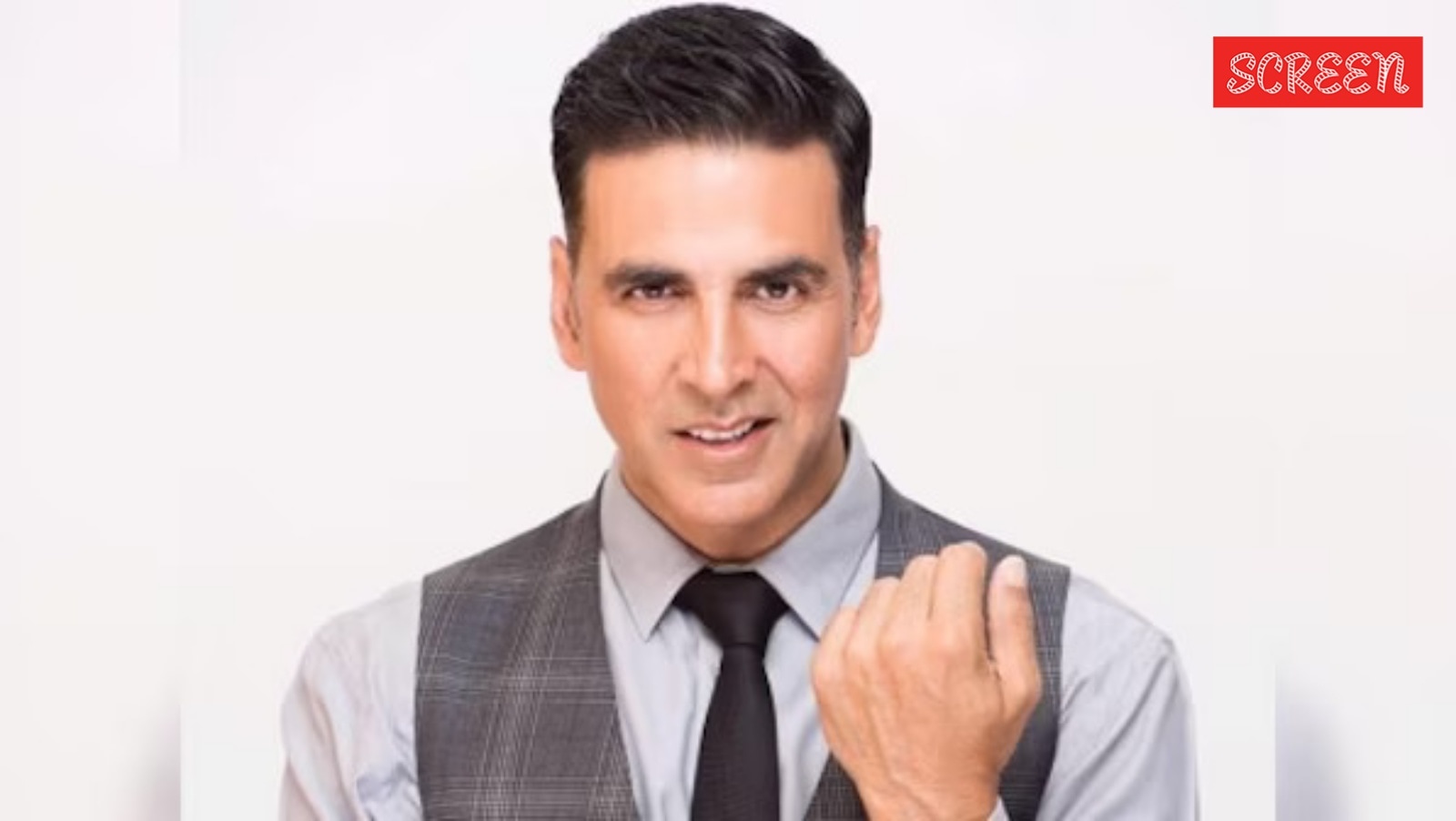
As of 2026, Akshay Kumar’s estimated net worth stands at approximately $350 million to $400 million, which translates to roughly ₹2,900 to ₹3,300 Crore. This massive valuation is driven by his consistent output of high-budget films, a dominant presence in the Indian brand endorsement market, and strategic investments in production houses and real estate.
Akshay Kumar, born Rajiv Hari Om Bhatia, has evolved from a martial arts instructor into one of the world's highest-paid actors. His financial journey is a blueprint for diversification, moving beyond acting fees into profit-sharing models, production ownership, and a sprawling real estate portfolio. In 2026, he remains a "one-man industry," typically headlining three to four major theatrical or streaming releases annually, ensuring a steady and diverse stream of high-volume income that few of his contemporaries can match.
The Financial Engine: Film Remuneration and Profit Sharing
The primary cornerstone of Akshay Kumar’s wealth is his unparalleled work ethic in the Indian film industry. Unlike many superstars who release one film every two years, Kumar’s "40-day shoot" philosophy allows him to complete multiple projects in a single calendar year.
Evolution of Acting Fees
By 2026, Kumar’s remuneration structure has shifted significantly toward a hybrid model. While his base fee for a standard commercial production is reported to be between ₹80 crore and ₹120 crore, he frequently opts for a "first-dollar gross" or significant backend profit-sharing arrangement. This means that for films where he acts as a co-producer under his banner, his take-home pay can exceed ₹150 crore if the film performs well at the box office or through digital rights sales.
Digital and Satellite Rights
The rise of global streaming giants has further fortified his financial position. Exclusive "direct-to-digital" releases or early streaming windows for his theatrical films command premium prices, often in the range of ₹100 crore to ₹150 crore per title. Given his track record of delivering family-friendly content, his library of films also generates substantial recurring revenue through satellite television licensing, a sector where he remains one of the most-watched actors in India.
A Brand Endorsement Powerhouse
Akshay Kumar’s net worth is not solely dependent on the box office. He is arguably the most prolific brand ambassador in India, maintaining a portfolio that often exceeds 30 active endorsements at any given time.
The Appeal of the "Common Man" Persona
Brands favor Kumar because of his disciplined lifestyle, fitness-oriented image, and a "middle-class-made-good" persona that resonates with both rural and urban demographics. His endorsements span a vast range of sectors, including:
- Automotive: Entry-level and mid-range SUVs.
- FMCG: Health drinks, edible oils, and personal hygiene products.
- Infrastructure: Cement and paint brands.
- Finance: Insurance and digital payment platforms.
Earnings per Endorsement
Each endorsement deal is typically valued between ₹5 crore and ₹10 crore per year. When multiplied across his extensive list of partners, his annual income from advertisements alone is estimated to be in the range of ₹80 crore to ₹100 crore. These deals are often structured as multi-year contracts, providing a level of financial stability that mitigates the inherent risks of the film industry.
Business Ventures and Production Houses
Akshay Kumar’s transition from an employee to an employer has been a critical factor in his wealth accumulation. By controlling the production process, he captures a larger share of the value chain.
Hari Om Entertainment and Cape of Good Films
Through his production banners, Hari Om Entertainment and Cape of Good Films, Kumar has co-produced the majority of his recent hits. This strategic move allows him to control production costs—often a major point of contention in Bollywood—and maximize the return on investment. By 2026, these companies have also expanded into producing content where Kumar is not the lead actor, creating a passive income stream through intellectual property ownership.
Sports and Other Ventures
Kumar’s interest in fitness and sports has led to several high-profile investments. He owns the Khalsa Warriors in the World Kabaddi League and has held stakes in various other sports initiatives. These ventures, while smaller than his film earnings, contribute to his brand equity and provide long-term growth potential in the burgeoning Indian sports market.
Strategic Real Estate Holdings
Real estate constitutes a significant portion of Akshay Kumar’s net worth. His investment strategy focuses on high-value residential properties in international and domestic prime locations.
The Mumbai Portfolio
His primary residence is a luxurious, sea-facing duplex in Juhu, Mumbai. The property is known for its exquisite interior design and a private garden overlooking the Arabian Sea. In 2026, the estimated market value of this residence alone is over ₹80 crore. Additionally, he owns several high-end apartments in the Andheri and Khar suburbs, which are often leased to other industry professionals.
International Assets
Kumar is well-known for his affinity for Canada, where he reportedly owns several residential properties and an entire hillside in Toronto. These assets serve as both a personal retreat and a hedge against local currency fluctuations. He also owns a sprawling bungalow in Goa and a luxury apartment in Mauritius, further diversifying his geographical footprint.
Luxury Asset Collection
The "Khiladi" of Bollywood maintains a lifestyle that matches his earnings, though he is often described as more frugal than his peers regarding unnecessary extravagances.
The Fleet of Cars
Kumar’s garage is a mix of luxury and utility. His collection includes:
- Rolls Royce Phantom: The flagship of his collection, valued at over ₹10 crore.
- Bentley Continental Flying Spur: A staple for high-profile events.
- Mercedes-Maybach: Preferred for its comfort and safety features.
- Range Rover Vogue: His frequent choice for daily commutes and site visits.
Private Aviation
To manage his grueling schedule and frequent travel between film sets across the globe, Kumar utilizes a private jet. While owning and maintaining a private aircraft is a significant expense, it is a tool for efficiency that allows him to maintain his "four films a year" pace, which ultimately generates more revenue than the jet costs to operate.
Philanthropy and Social Impact
Akshay Kumar’s financial narrative is incomplete without mentioning his philanthropic contributions, which are often structured around nationalistic and social causes.
He was the primary force behind Bharat Ke Veer, a fundraising initiative by the Ministry of Home Affairs to support the families of India's Central Armed Police Forces martyrs. His personal donations to disaster relief funds, including the PM CARES fund and various state relief funds, have often been among the highest in the entertainment industry. While these do not add to his net worth, they significantly enhance his brand value and public goodwill, which in turn fuels his endorsement potential.
Comparative Wealth Analysis: Akshay Kumar vs. Contemporaries
| Feature | Akshay Kumar | Shah Rukh Khan | Salman Khan |
|---|---|---|---|
| Est. Net Worth (2026) | $350M - $400M | $750M - $800M | $380M - $420M |
| Primary Revenue | Film Volume & Endorsements | Production (Red Chillies) & IPL | Box Office & Reality TV (Bigg Boss) |
| Number of Releases | High (3-4 per year) | Low (1 per 1-2 years) | Moderate (1-2 per year) |
| Investment Style | Real Estate & Diverse Brands | Tech, VFX, & Sports Teams | Clothing (Being Human) & Production |
While Shah Rukh Khan remains the wealthiest due to the massive valuation of Red Chillies Entertainment and the Kolkata Knight Riders, Akshay Kumar’s wealth is characterized by its high liquidity and consistent growth driven by sheer volume of work.
Challenges and Financial Outlook
Looking toward the remainder of the decade, Akshay Kumar’s financial growth faces specific challenges. As he ages, the types of roles he can command may shift, potentially impacting his box office pull in the action genre. Furthermore, the volatility of the Indian theatrical market means that his "high-volume" strategy requires constant adaptation to changing audience tastes.
However, his shift toward production and his robust endorsement portfolio provide a significant safety net. By 2026, he has already begun pivoting toward more character-driven roles and high-concept streaming content, ensuring that his earning potential remains high even if his theatrical frequency eventually slows down.
Frequently Asked Questions
What is Akshay Kumar's daily income?
Estimating a "daily" income is difficult due to the nature of film contracts, but based on his annual earnings of approximately ₹250 crore to ₹300 crore, his average daily take-home is roughly ₹70 lakh to ₹80 lakh, including holidays.
Does Akshay Kumar own a private jet?
Yes, Akshay Kumar owns a private jet, which he primarily uses for traveling between film locations and for personal family vacations. It is considered a necessary business tool for his intense work schedule.
How much does Akshay Kumar charge for a movie in 2026?
By 2026, his fees range from ₹80 crore to ₹120 crore as a base, with additional profit-sharing clauses that can push the total compensation much higher depending on the film’s commercial success.
Is Akshay Kumar still a Canadian citizen in 2026?
Akshay Kumar has stated in several interviews in previous years that he has applied for and initiated the process to return to Indian citizenship. By 2026, he is primarily recognized as an Indian citizen for all official and professional purposes.
What are his most profitable business ventures?
His production house, Cape of Good Films, is his most profitable venture outside of acting. It allows him to retain ownership of the films he stars in, leading to long-term revenue through digital and satellite syndication.
Final Recommendation for Financial Observers
For those analyzing the business of Bollywood, Akshay Kumar represents the "industrialist" model of acting. His wealth is a result of operational efficiency and diversification. Unlike actors who rely on the "event" status of a single film, Kumar has built a diversified portfolio that generates income from acting, producing, endorsing, and investing. To understand his financial trajectory, one should look not just at his box office numbers, but at the volume of his brand appearances and the growth of his production banner's IP library.