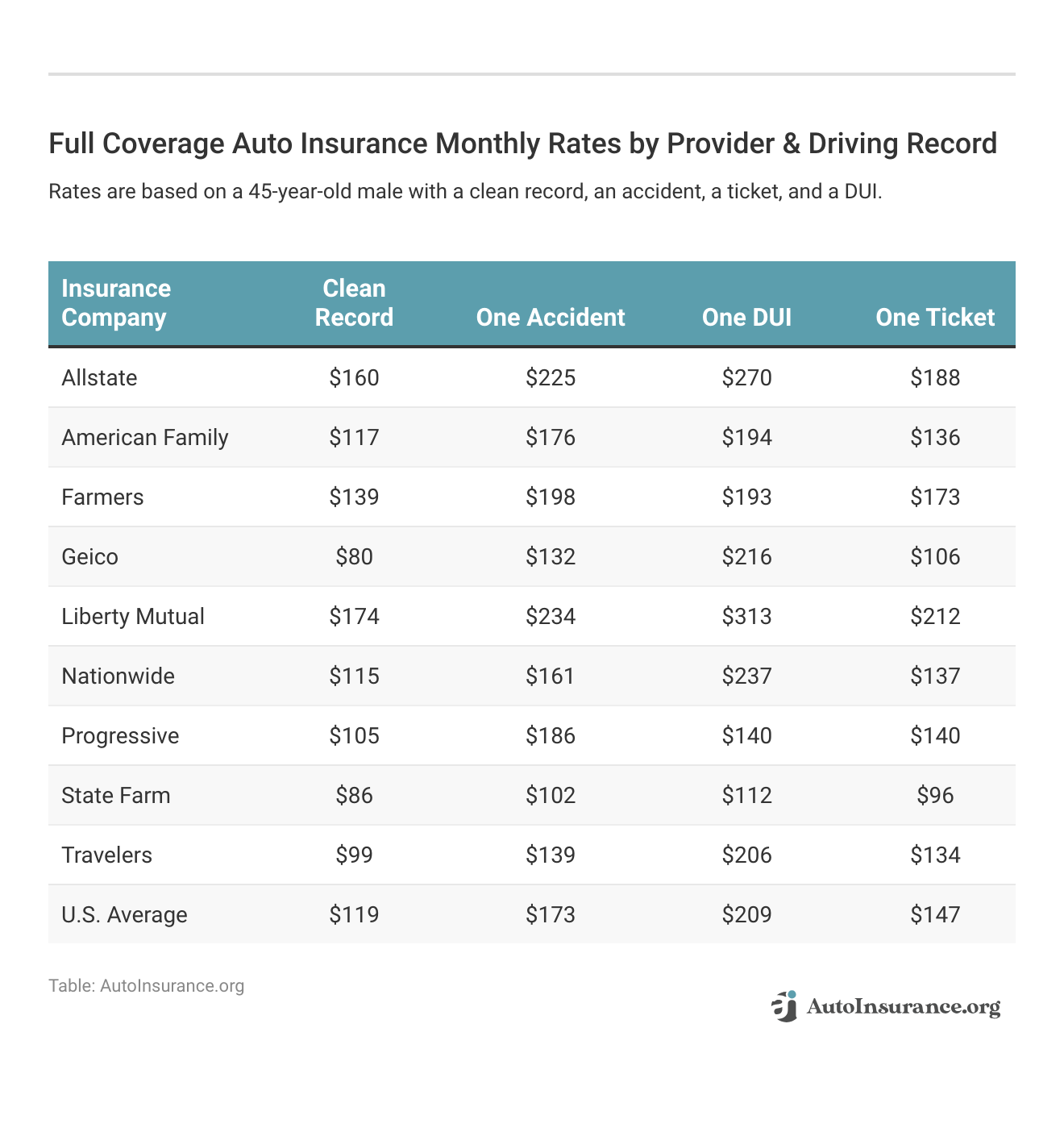
Allstate, like most major auto insurance carriers, utilizes a complex, proprietary tiering system to categorize policyholders based on their statistical risk profile. This system, often referred to as "rating tiers" or "insurance scoring," determines your premium by assigning you to a specific risk group. Carriers use these tiers to segment their customer base, ensuring that individual policy premiums correlate with the likelihood of future claims, thereby maintaining the financial stability of the insurer while complying with state-specific rating regulations.
Understanding the Concept of Insurance Tiering
At its core, insurance is the pooling of risk. To ensure the pool remains solvent, insurance companies must accurately predict the cost of potential losses. A tiering system is the mathematical framework used to accomplish this. Instead of applying a flat rate to every driver, Allstate evaluates a vast array of data points to place an applicant into a specific tier.
Each tier represents a different level of risk. Lower tiers are generally reserved for individuals with statistically lower risk profiles, often resulting in lower premiums, while higher tiers are assigned to those whose historical data or personal characteristics suggest a higher probability of filing a claim. It is important to note that these tiers are not static; they are dynamic classifications that can shift based on new information, such as an accident, a change in credit history, or the introduction of new actuarial data models by the company.
Primary Factors Influencing Your Allstate Tier
The criteria used to determine your tier are dictated by both internal company policies and state insurance department regulations. While Allstate does not publish its internal "proprietary algorithm," standard industry practices and actuarial science provide clarity on the primary drivers of these assignments.
1. Driving History and Motor Vehicle Records
Your past behavior is one of the most reliable predictors of future performance. Allstate reviews your motor vehicle record (MVR) for traffic violations, moving accidents, and major incidents like DUIs. A clean record keeps you in a preferred, lower-risk tier. Conversely, frequent citations or at-fault accidents signal a higher risk, which typically results in being placed in a higher-rated, more expensive tier.
2. Insurance Credit Score
In many jurisdictions, insurers are permitted to use a credit-based insurance score as a factor in rating. This is distinct from a traditional mortgage or loan credit score. It specifically measures the statistical likelihood of an insurance claim being filed. A higher credit-based insurance score often correlates with lower risk, helping you secure a more favorable tier. It is vital to recognize that this is a mathematical correlation; it does not measure personal character, but rather actuarial probability.
3. Vehicle Characteristics
The make, model, year, and safety features of your vehicle significantly influence your rating. A vehicle with high repair costs, expensive specialized parts, or a high incidence of theft is more expensive to insure. Allstate assesses these risks when determining the overall tier of the policy.
4. Demographic and Geographic Data
Where you live—and more specifically, where your car is garaged—plays a major role. High-density urban areas with higher rates of vandalism, theft, and traffic accidents will result in different tiering than a rural setting with lower traffic volume. Furthermore, factors like annual mileage and the primary use of the vehicle (commuting vs. pleasure) are factored into the total risk equation.
The Role of Proprietary Algorithms
It is a common misconception that agents manually "choose" a tier for a customer. In reality, the process is largely automated. When you input your information into an Allstate application portal, the system runs your data through an underwriting engine. This engine compares your profile against millions of historical claims and policy data points.
The "tier system" is essentially a filter. If the data aligns with the characteristics of a "low-risk" profile, you are tiered accordingly. If the data shows inconsistencies or high-risk identifiers, the system automatically adjusts the tier. This automation is intended to remove human bias from the rating process, though it also means that individual nuances—such as an accident caused by an unavoidable road hazard—may still impact your tier if the algorithm is not calibrated to account for such exceptions.
Comparing Risk Profiles: A Structural Overview
To visualize how these tiers generally function, consider the following table. While these labels are illustrative of standard industry segments rather than Allstate’s internal proprietary nomenclature, they represent the reality of how insurance tiers are structured.
| Risk Tier | Typical Profile Characteristics | Impact on Premium |
|---|---|---|
| Preferred | Long-term stable driving record, high credit-based insurance score, low-risk vehicle. | Lowest relative cost |
| Standard | Average driving history, some minor incidents, moderate credit score. | Moderate baseline cost |
| Non-Standard | High-risk driving record, previous lapses in coverage, low credit-based insurance score. | Highest relative cost |
Note: Availability and specific tier criteria are subject to state law. Certain states, such as California, have specific regulations that restrict or prohibit the use of credit scores or other demographic factors in auto insurance rating.
Managing Your Tier Placement
While you cannot dictate the algorithm, you can take active steps to manage the data that informs your tier placement. Because your tier is a reflection of risk, lowering your perceived risk is the only way to influence a tier shift.
Improve Your Driving Record
This is the most impactful, long-term strategy. Consistent safe driving over several years will eventually cause older violations to "age off" your record. In most states, points from moving violations or accidents stay on your MVR for three to five years. By avoiding new incidents, you improve your standing over time.
Monitor Your Credit-Based Insurance Score
If your state allows the use of credit-based insurance scoring, ensure that your credit reports are accurate. Errors on your report can unfairly impact your insurance tier. You can request a copy of your credit report from the three major bureaus—Equifax, Experian, and TransUnion—and dispute any inaccuracies.
Utilize Telematics Programs
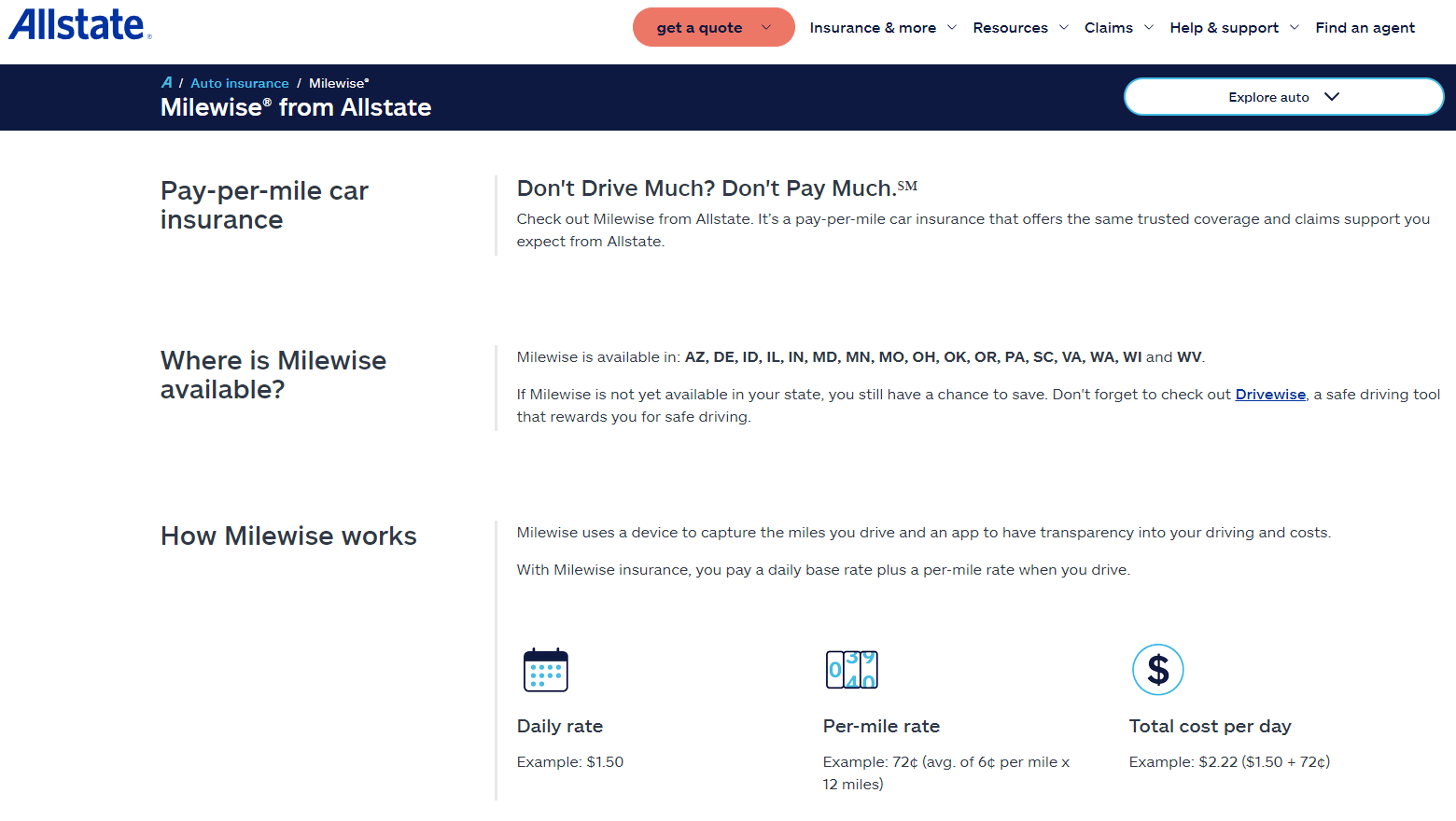
Allstate’s "Drivewise" program allows you to share actual driving data with the company. By opting into such programs, you are providing granular data on your braking, speed, and time of day you drive. For many, this shifts the rating from "generalized risk" to "demonstrated behavior," which can result in discounts and a more favorable assessment of your risk level.
Limitations and Legal Considerations
It is essential to understand that Allstate’s tier system must operate within the legal frameworks of the state in which you reside. Insurance is heavily regulated at the state level by departments of insurance (DOI). These departments review and approve the rating plans that companies like Allstate use.
If you believe your insurance rate has been unfairly calculated, you have the right to request an explanation from your agent. While they cannot reveal trade-secret algorithms, they can generally identify the "rating factors" that were used to arrive at your premium. If there is a material error—for example, if a surcharge is applied for an accident that was clearly not your fault and for which you were not cited—the company has a process to correct this data and re-run your profile through their tiering engine.
Furthermore, consumers should be aware that "preferred" tiering can change. An insurer may update its rating models periodically to reflect changing economic conditions, inflation, or industry-wide claims trends. An increase in your premium does not always mean you have been "demoted" in your personal tier; it may be that the entire risk pool has been re-evaluated due to external market factors.
Frequently Asked Questions
Can I ask Allstate to move me to a lower-risk tier?
You cannot negotiate your tier directly. Your tier is an automated, statistical outcome of your personal data. The only way to "move" is to improve the underlying data—your driving record, your credit-based insurance score, or your vehicle safety profile—over time.
Does switching cars automatically change my tier?
Yes, it can. Because vehicles have different safety profiles and repair costs, changing your vehicle changes the risk profile of the policy. If you move from an older, cheaper vehicle to a brand-new luxury SUV, your risk tier may shift to reflect the higher cost of claims associated with that specific vehicle model.
Do life events like marriage affect my auto insurance tier?
In many cases, yes. Statistically, married individuals often show lower risk profiles in insurance data. If you update your marital status with your insurer, it may trigger a recalculation of your rate, which can lead to a shift in your tier status if the company's rating plan recognizes that change as a lower-risk indicator.
How often does Allstate re-evaluate my tier?
Most insurers evaluate your tier at each policy renewal period, which is typically every six months. During this time, they pull updated motor vehicle records and insurance credit reports to see if your risk profile has changed since your last policy term.
Is it possible for my tier to improve after a bad year?
Yes. Insurance risk is generally calculated on a rolling basis. Once a violation or accident reaches a certain age, it carries less weight—or no weight at all—in the insurer's model. As these negative events age off your record, your profile automatically becomes more attractive to the underwriting engine.
Next Steps for Policyholders
To effectively manage your standing with Allstate, start by reviewing your policy declarations page to understand exactly what factors are currently influencing your rate. If you feel your premiums have risen disproportionately, reach out to your Allstate agent. Ask them to confirm that the data on file—such as your vehicle’s annual mileage and any safety features currently installed—is accurate.
If you are currently in a high-risk tier due to past incidents, focus on the "long game." Maintain a flawless driving record, avoid unnecessary claims for minor incidents, and ensure your credit health remains stable. While a tier shift is rarely instantaneous, consistent, positive behavior over a 12-to-24-month period is the most reliable way to align your profile with the lowest available risk tiers offered by the company.