The allocation process for workers compensation refers to the systematic method by which an employer’s insurance costs, premiums, and losses are distributed across specific business operations, locations, or payroll classifications. This process ensures that premiums accurately reflect the actual risk exposure of different job functions, preventing overpayment or under-classification while maintaining legal compliance with state rating bureaus.
The Foundation of Premium Allocation
At its core, workers compensation insurance is designed to protect employees from financial hardship following work-related injuries or illnesses. However, from an administrative and financial perspective, the policy must be priced based on the hazards inherent in the work performed. The allocation process is the mechanism used to map these hazards to dollar amounts.
In the United States, most states utilize the classification system maintained by the National Council on Compensation Insurance (NCCI), or their own independent state-specific rating bureaus. Every job role—from clerical office work to high-rise construction—is assigned a specific class code. The allocation process involves assigning an employee’s total payroll to the most appropriate class code. When an employer has multiple, distinct business operations, the premium is allocated proportionally to the payroll associated with each specific code, rather than lumping all employees under one rate.
Prerequisites for Accurate Allocation
Before the allocation process can begin, an employer must possess an accurate and categorized payroll system. Accuracy in this phase is paramount because if an employee’s wages are improperly allocated to a high-risk code when they actually perform low-risk tasks, the employer will face inflated premiums.
- Detailed Payroll Records: Employers must maintain payroll reports that specifically break down wages by individual employee and, where applicable, by specific job function.
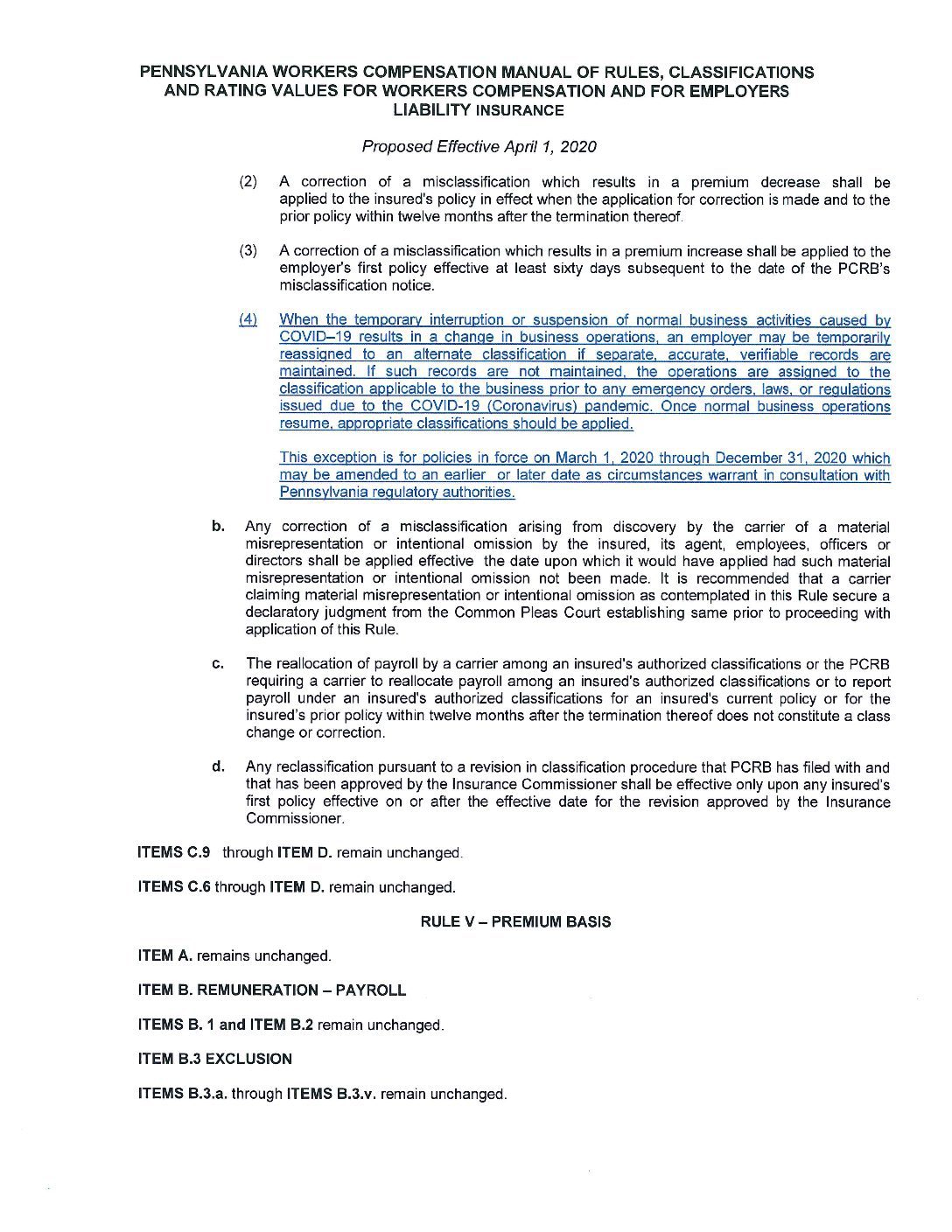
- State-Specific Regulations: Understanding the local jurisdiction is critical. While many states follow the NCCI Basic Manual, others—such as California, New York, or Pennsylvania—operate under their own specific rules regarding how payroll must be allocated.
- The "Governing Classification" Rule: This is a fundamental concept in the allocation process. In many scenarios, if an employee performs multiple duties, their entire payroll must be assigned to the "governing classification" of the business—the code that represents the highest amount of payroll—unless the employer maintains strict, auditable segregation of duties.
Step-by-Step Allocation Workflow
The process of allocating workers compensation costs is often integrated into the annual premium audit cycle. Understanding the steps helps employers prepare for these audits and avoid unexpected premium adjustments.
- Job Classification Mapping: Assign every employee to a class code based on the nature of their work. Review the official scope of each code to ensure it matches the actual physical duties performed, not just the job title.
- Payroll Segregation: For businesses with multiple operations, maintain separate ledger accounts for payroll. For example, if a construction company has a retail store, the store’s payroll should be kept entirely separate from the construction site payroll.
- Applying Base Rates: Once the payroll is segregated by code, multiply the total payroll for each category by the corresponding base rate established by the insurance carrier and approved by the state insurance commissioner.
- Experience Modification Factor Adjustment: The allocated premiums are then adjusted by an "Experience Mod," which is a statistical calculation comparing an employer’s past loss history against the industry average. This factor acts as a multiplier on the total allocated premium.
- Audit and Verification: At the end of the policy period, the carrier will perform an audit. They will examine payroll records to verify that the allocation was performed correctly according to the actual work performed during the term.
Common Challenges in the Allocation Process
The most frequent issue encountered during the allocation process is "misclassification." This occurs when an employer mistakenly categorizes employees into a lower-cost code to save money, or when the carrier’s auditor misinterprets the job duties.
Another common hurdle is the "interchange of labor." If an employee works in two different departments throughout the day, the rules for how that payroll is allocated can become complex. In most jurisdictions, if a business fails to keep precise time cards showing how much time an employee spent in each task, the carrier may automatically allocate all of that employee’s wages to the highest-rated (most expensive) class code they worked in during the day. This serves as a penalty for poor record-keeping.
Table: Comparison of Allocation Methods
| Allocation Feature | Single Classification | Multiple Classification |
|---|---|---|
| Applicability | Uniform business operations | Diversified business activities |
| Record-Keeping | Minimal; base payroll is sufficient | High; requires detailed task-based logs |
| Premium Risk | Predictable, but potentially over-inflated | Reflects true risk, but requires audit compliance |
| Audit Frequency | Standard | High probability of detailed review |
| Cost Impact | Likely higher for low-risk staff | Potential savings for diversified payroll |
Addressing Regulatory and Legal Limitations
It is essential to recognize that workers compensation is a state-mandated system. Consequently, the allocation process is not purely a matter of company policy but a compliance requirement governed by state statutes.
Legal advice should be sought if a business structure involves complex subsidiaries or if there is a dispute regarding an audit finding. Insurance carriers have the right to request access to original timecards, job descriptions, and even video evidence in some cases to verify that employees are performing the duties assigned to their specific class codes. Employers should never attempt to "game" the system; fraudulent allocation is considered insurance fraud and can lead to policy cancellation, heavy fines, and potential criminal charges.
Frequently Asked Questions
What happens if I allocate an employee to the wrong class code? If you allocate an employee to a code that is too low, the insurance carrier will correct this during the end-of-term audit and charge you for the difference in premium retrospectively. If you have been overpaying, you may be entitled to a refund, but only if you can prove the classification was incorrect.
Can I manually change my allocation codes mid-policy? You should contact your insurance agent or broker immediately if your business operations change. Do not attempt to alter the allocation of payroll on your own documentation without the carrier’s approval, as this will lead to discrepancies during the final audit.
What is the "Governing Classification" and why does it matter? The governing classification is the single manual classification that carries the highest amount of payroll for your business. It is used as the baseline for determining the classification of employees who do not fall into clearly distinct categories, preventing companies from fragmenting their payroll to lower their rates artificially.
How does an Experience Modification Factor affect my allocation? The Experience Mod does not change the allocation process itself, but it acts as a final multiplier. Even if your payroll is allocated perfectly, a poor safety record that drives up your Experience Mod will inflate the final premium across all allocated classes.
Recommendations for Proper Implementation
To ensure your organization’s allocation process is efficient and compliant in 2026, implement the following best practices:
- Audit Your Payroll Quarterly: Do not wait until the end of the year to check your allocations. Review your payroll reports every quarter to ensure that the class codes assigned to employees still align with their daily responsibilities.
- Invest in Time-Tracking Software: If your employees regularly work across different operational areas, utilize digital time-tracking tools that allow for specific activity logging. This provides the "auditable proof" required by insurers to justify splitting payroll across multiple codes.
- Consult a Specialist: Work with a broker who specializes in workers compensation. They can review your current classifications to ensure you are not missing out on industry-specific credits or misassigned codes.
- Maintain Clear Job Descriptions: Document the physical requirements and primary duties of every role. This documentation is your primary defense during an audit to prove that an employee belongs in a specific, perhaps lower-cost, classification.
By prioritizing accurate documentation and clear communication with your insurance provider, you can ensure that your workers compensation premiums remain fair, compliant, and reflective of your actual business risk.