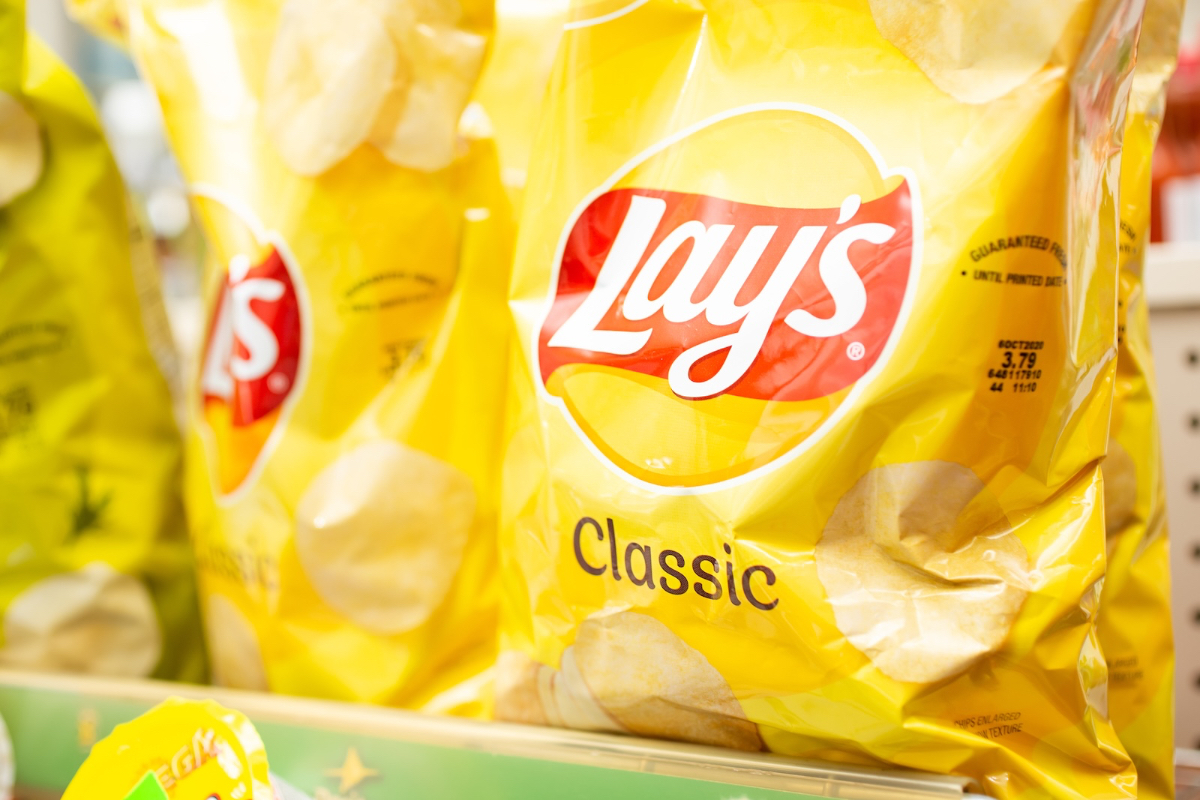
An allergy to "chips" is rarely an allergy to the snack itself, but rather a reaction to specific ingredients such as potatoes, corn, soy, dairy, or flavoring additives. Diagnosis requires identifying whether the trigger is an IgE-mediated food allergy to a primary ingredient or a sensitivity to chemical preservatives and seasonings used during manufacturing.
While chips are a global dietary staple, they are complex processed foods containing a multitude of potential triggers. If you experience itching, swelling, or digestive distress after consuming them, it is essential to look beyond the "chip" label and investigate the specific botanical and chemical components involved. As of 2026, food labeling regulations have become more stringent, yet many "hidden" allergens remain a challenge for sensitive individuals.
Understanding the Primary Triggers: Potato vs. Corn
The most common types of chips are made from either potatoes or corn (maize). Distinguishing between these two is the first step in identifying the source of an allergic reaction.
Potato Allergy (Solanum tuberosum)
While relatively rare compared to "Big 9" allergens, potato allergies are well-documented. The primary allergenic proteins in potatoes are patatin (Sol t 1) and other proteins like cathepsin D inhibitors. For those with a potato allergy, the reaction occurs when the immune system misidentifies these proteins as harmful, triggering the release of histamine.
It is important to note that many people with a potato allergy also suffer from Oral Allergy Syndrome (OAS). This occurs due to cross-reactivity with certain pollens, most notably birch pollen. If you find that your mouth itches when eating raw potatoes but not always when eating cooked chips, OAS may be the culprit, as high heat can sometimes denature the reactive proteins. However, in a true IgE-mediated potato allergy, the heat of the deep-frying process may not be sufficient to eliminate the allergenicity of the potato.
Corn Allergy (Maize)
Corn is a pervasive ingredient in the snack food industry, not just as the base for tortilla chips but as a source of oils, starches, and sweeteners. A corn allergy can be particularly difficult to manage because corn-derived ingredients, such as maltodextrin or corn syrup solids, are frequently used in the dustings and seasonings of potato chips as well.
Symptoms of a corn allergy can range from mild hives to severe anaphylaxis. Because corn is often genetically modified or highly processed in snack foods, some individuals may find they react differently to organic or heirloom varieties, though a true allergy typically applies across all cultivars.
The Role of Nightshades and Cross-Reactivity
Potatoes belong to the Solanaceae family, commonly known as nightshades. This family also includes tomatoes, eggplants, and peppers (including chili peppers used in spicy chips).
Individuals who are "allergic to chips" may actually have a broader nightshade sensitivity. This is often not a classic IgE allergy but a sensitivity to alkaloids like solanine or capsaicin. If you find that "plain" salted potato chips cause a reaction, it is likely the potato itself. However, if you only react to "Barbecue" or "Spicy" flavors, you may be reacting to the paprika or chili powder derived from other nightshades.
The "Big 9" Allergens Hiding in Chip Seasonings
The seasoning on a chip is often a chemical cocktail designed for maximum palatability. This is where most hidden allergens reside. As of 2026, international food safety standards require the disclosure of the "Big 9" (milk, eggs, fish, shellfish, tree nuts, peanuts, wheat, soy, and sesame), but the way these are listed can sometimes be confusing.
- Milk: Dairy derivatives like whey, lactose, and casein are used to help seasonings stick to the chip and provide "creamy" flavor profiles, such as Sour Cream and Onion or Nacho Cheese.
- Soy: Soy lecithin is a common emulsifier used to prevent ingredients from separating, and soybean oil is a frequent choice for frying.
- Wheat (Gluten): While many chips are naturally gluten-free, wheat flour or malt vinegar (derived from barley) can be used as flavoring agents or texturizers.
- Sesame: Since 2023, sesame has been recognized as a major allergen globally. It is increasingly found in "artisan" chips or those seasoned with Middle Eastern or Asian-inspired spices.
Frying Oils and Processing Contaminants
Sometimes, the reaction isn't to the chip or the seasoning, but the medium in which it was cooked.
- Peanut Oil: While highly refined peanut oil is generally considered safe for those with peanut allergies because the allergenic proteins are removed during refining, many "kettle-cooked" brands use gourmet or cold-pressed oils that may still contain residual proteins.
- Cross-Contamination: Many snack food facilities process multiple types of products on the same lines. Even if a chip's ingredient list looks "safe," it may have been processed on equipment that previously handled crackers containing wheat or snacks coated in peanut flour. Look for "May Contain" or "Processed in a facility that also handles..." labels, which remain the industry standard for precautionary allergen labeling (PAL) in 2026.
Comparison of Common Chip Bases and Potential Allergens
| Chip Type | Primary Base | Common Hidden Triggers | Suitability for Nightshade Allergy |
|---|---|---|---|
| Traditional Potato Chips | Potato | Soy (oil), Milk (seasoning) | No |
| Corn/Tortilla Chips | Corn (Maize) | Trace Lime (processing), Corn Oil | Yes (usually) |
| Cassava/Yuca Chips | Cassava Root | Palm Oil, Salt | Yes |
| Sweet Potato Chips | Sweet Potato | Sunflower Oil | Yes (Sweet potatoes are not nightshades) |
| Plantain Chips | Green Plantain | Coconut Oil, Salt | Yes |
| Multigrain Chips | Corn, Wheat, Seed mix | Sesame, Gluten, Soy | Yes (if no potato used) |
Symptoms of a Chip-Related Allergic Reaction
Recognizing the symptoms early can prevent a minor reaction from escalating. Symptoms usually appear within minutes to two hours after ingestion.
- Cutaneous (Skin): Hives (urticaria), redness, or swelling of the lips and tongue.
- Gastrointestinal: Nausea, stomach cramps, vomiting, or sudden diarrhea.
- Respiratory: Wheezing, nasal congestion, or difficulty breathing.
- Systemic: Anaphylaxis, characterized by a drop in blood pressure and loss of consciousness. This is a medical emergency requiring epinephrine.
If you suspect an allergy, keep a food diary. Note not just the brand of chips, but the specific flavor and the ingredients listed. Often, a pattern will emerge—for example, you might only react to chips fried in "vegetable oil blends" (which often contain soy) but not those fried in pure avocado oil.
Navigating the Labeling Landscape in 2026
In 2026, consumers have more tools than ever to verify ingredients. Most major snack manufacturers now include QR codes on packaging that link to real-time allergen disclosures. This is crucial because ingredient formulations can change without a change to the primary front-of-package design.
Maltodextrin is a key term to watch. While usually derived from corn in the United States, it can be derived from wheat in other regions. In 2026, regulations generally require the source of maltodextrin to be disclosed if it is a major allergen, but it remains a frequent source of "mystery" reactions for those with high sensitivity.
Diagnostic Steps and Medical Advice
If you consistently react to chips, consult an allergist for professional testing.
- Skin Prick Testing (SPT): A small amount of the suspected allergen is placed on the skin, which is then pricked. A raised bump (wheal) indicates a likely allergy.
- Serum IgE Testing: A blood test that measures the levels of specific antibodies to potato, corn, soy, or dairy.
- Oral Food Challenge (OFC): Under strict medical supervision, you consume increasing amounts of the suspected allergen. This is the "gold standard" for diagnosis.
Disclaimer: This information is for educational purposes only and does not constitute medical advice. Always consult with a qualified healthcare provider for diagnosis and treatment of food allergies.
Safe Alternatives and DIY Solutions
For those who cannot safely consume commercial chips, the "crunch" factor can still be achieved through alternative methods.
- Homemade Root Vegetable Chips: Slicing parsnips, beets, or carrots thinly and baking them with olive oil ensures a controlled environment free from cross-contamination.
- Ancient Grain Puffs: Snacks made from sorghum or millet are increasingly popular in 2026 as they are naturally gluten-free and often processed in corn-free facilities.
- Fruit Chips: Freeze-dried or dehydrated apple and banana chips provide the desired texture without the complexities of frying oils and savory seasonings.
Frequently Asked Questions
Can you be allergic to the salt on chips?
A true allergy to salt (sodium chloride) is biologically impossible, as salt is essential for human life. However, "seasoned salts" often contain anti-caking agents like sodium aluminosilicate or flavor enhancers like monosodium glutamate (MSG), which can cause sensitivities or "Chinese Restaurant Syndrome" symptoms in some individuals.
Why do I get a headache after eating chips if I’m not allergic?
Headaches are often linked to MSG or high sodium intake rather than a classic allergy. High sodium can cause temporary hypertension or dehydration, leading to vascular headaches. Additionally, some chips contain artificial dyes (like Yellow 5 or Red 40) that have been linked to sensitivities in certain populations.
Is a potato intolerance the same as a potato allergy?
No. An allergy involves the immune system (IgE antibodies) and can be life-threatening. An intolerance, such as a sensitivity to the alkaloids in potatoes, involves the digestive system and may cause gas, bloating, or discomfort but does not carry the risk of anaphylaxis.
Are "veggie straws" a safe alternative for someone allergic to potato chips?
Usually, no. Most "veggie" chips and straws use potato starch or potato flour as their primary ingredient to maintain their shape and crunch. Always check the ingredient label, as the "veggie" branding is often more about color (spinach or tomato powder) than the actual base material.
Can I be allergic to the bag or packaging?
While rare, some individuals have a latex allergy that can cross-react with certain adhesives used in food packaging. Furthermore, some snack bags use a plastic lining that may contain BPA or phthalates, though these generally cause long-term health concerns rather than acute allergic reactions.
Final Recommendation
To manage an allergy to chips effectively, you must stop treating "chips" as a single entity. Verify the botanical base (potato, corn, or tuber), scrutinize the seasoning profile for dairy or soy, and check for cross-contamination warnings. If you experience any swelling or respiratory distress, seek immediate medical evaluation and carry an epinephrine auto-injector if prescribed. In 2026, the safest approach remains choosing brands with "Short-Label" ingredients or preparing your own snacks at home to ensure total control over the manufacturing environment.