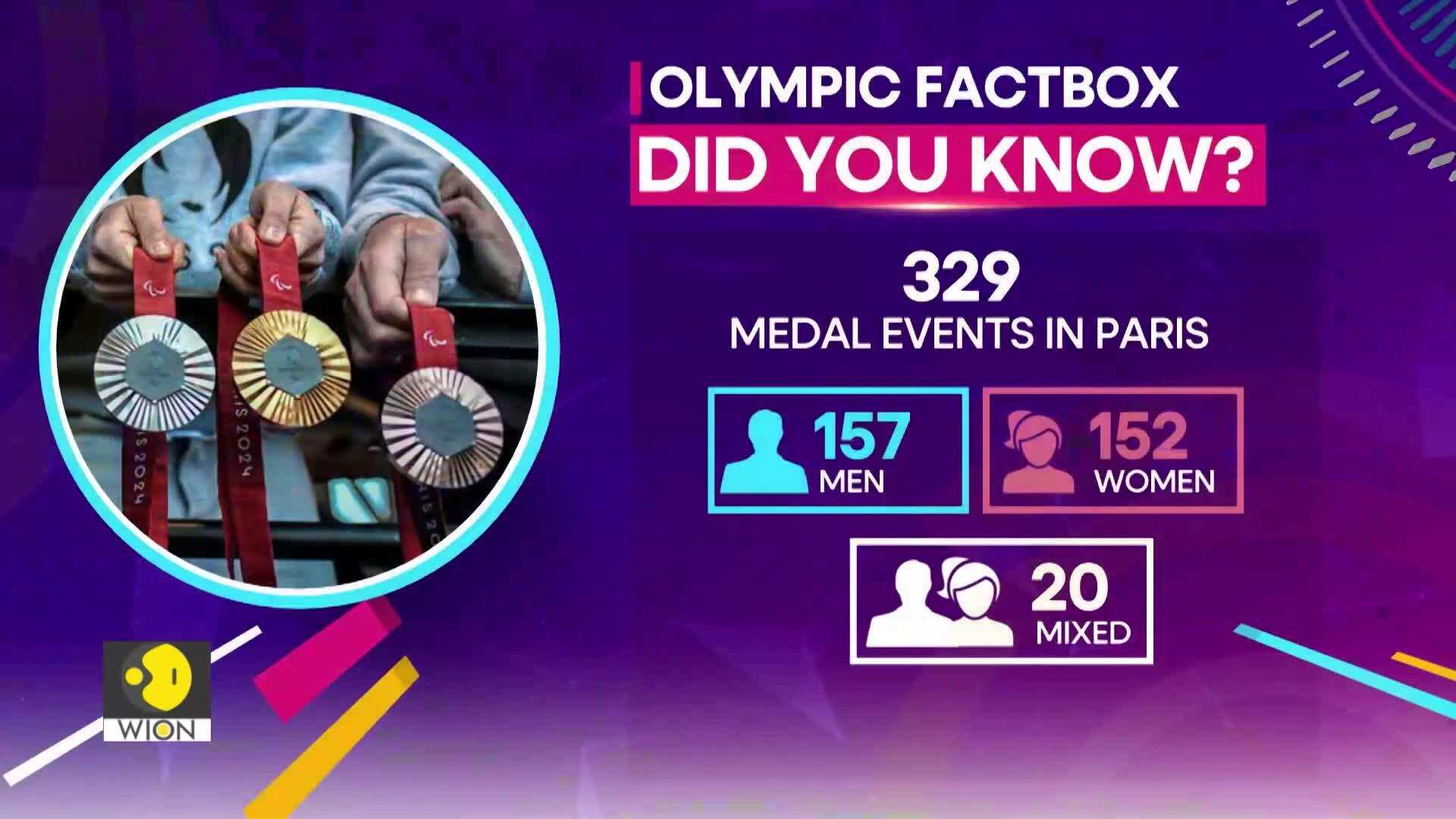
The Summer Olympic program currently consists of 32 core sports, supplemented by additional disciplines proposed by local organizing committees to reflect contemporary global interests. These sports encompass over 300 individual events, ranging from traditional athletics and aquatics to modern additions like sport climbing and skateboarding, all governed by the International Olympic Committee (IOC).
As we stand in 2026, the landscape of the Summer Olympics is transitioning between the innovations of Paris 2024 and the highly anticipated expansions scheduled for Los Angeles 2028. Understanding the vast array of sports requires looking at them through their specific disciplines, judging criteria, and historical evolution. This guide provides a comprehensive breakdown of every major sport category currently recognized in the Summer Olympic movement.
The Foundation of the Games: Athletics and Aquatics
Athletics and Aquatics represent the "heart and soul" of the Summer Olympics. They offer the highest number of medal opportunities and involve the largest number of participating athletes.
Athletics (Track and Field)
Athletics is the most diverse sport in the Games, divided into track events, field events, and road events. Track events range from the 100m sprint—the quest for the "fastest human alive"—to the 10,000m long-distance race. In 2024, the IOC solidified the "repechage" round for several track events, allowing athletes who do not qualify by place in round-one heats a second chance to reach the semi-finals through a dedicated heat.
Field events are split into jumps and throws. Jumps include the High Jump, Pole Vault, Long Jump, and Triple Jump. Throws include the Shot Put, Discus, Hammer, and Javelin. The ultimate test of versatility remains the Decathlon for men and Heptathlon for women, where athletes compete across multiple disciplines over two days to crown the best all-around athlete.
Aquatics
Aquatics is an umbrella term for five distinct disciplines:
- Swimming: Held in a 50m "long course" pool, events range from the 50m freestyle to the 1500m endurance tests, covering four primary strokes: Freestyle, Backstroke, Breaststroke, and Butterfly.
- Diving: Athletes perform acrobatic maneuvers from a 3m springboard or a 10m platform. Judging is based on the complexity of the dive (degree of difficulty) and the elegance of the entry into the water.
- Artistic Swimming: Formerly known as synchronized swimming, this discipline combines dance and gymnastics in the water. Recent rule changes have allowed for the inclusion of men in team routines, a significant shift for the sport.
- Water Polo: A grueling team sport described as "soccer in the water," but with the physical intensity of rugby. Teams of seven aim to throw a ball into the opponent's goal while treading water for four eight-minute periods.
- Marathon Swimming: A 10km open-water race that tests physical endurance and tactical navigation in natural bodies of water.
Combat Sports and Martial Arts
The Olympics have long honored the tradition of hand-to-hand combat, evolving from ancient wrestling to modern technical martial arts.
Boxing
Olympic boxing differs from professional boxing in its emphasis on technical scoring and safety. Matches consist of three rounds of three minutes each. As of 2026, the governing structure for Olympic boxing continues to emphasize gender parity, with an increasing number of weight classes for women to match the men’s categories.
Wrestling
Wrestling is split into two styles: Freestyle and Greco-Roman. In Freestyle, athletes can use their legs for offense and defense. In Greco-Roman, athletes are forbidden from grabbing below the waist or using their legs to trip or tackle, focusing entirely on upper-body throws and locks.
Judo and Taekwondo
Judo, originating from Japan, focuses on using an opponent's momentum against them through throws and ground-based grappling (Newaza). Points are awarded for an Ippon (a decisive throw or submission that ends the match) or Waza-ari. Taekwondo, the Korean martial art, is known for its spectacular head-height kicks. It uses an electronic scoring system (PSS) integrated into the athletes' body protectors and headgear to ensure objective point tallies.
Fencing
Fencing features three different weapons, each with its own rules:
- Foil: Only the torso is a valid target; points are scored with the tip of the blade.
- Epee: The entire body is a target; points are scored with the tip.
- Sabre: Targets include everything above the waist; points can be scored with the tip or the edge of the blade.
Team Ball Sports
Team sports often draw the largest television audiences, featuring high-speed coordination and strategic depth.
Basketball (5x5 and 3x3)
Traditional 5x5 basketball remains a flagship event, featuring 12-player rosters and four 10-minute quarters. In contrast, 3x3 Basketball is a faster, "urban" version played on a half-court with a 12-second shot clock. The first team to 21 points (or the leader after 10 minutes) wins.
Football (Soccer)
Olympic football is unique because the men’s tournament is primarily an Under-23 event, with each team allowed only three "overage" players. The women’s tournament, however, features full senior national teams, making it one of the most prestigious titles in the women’s game.
Volleyball and Beach Volleyball
Indoor volleyball is a high-octane 6-vs-6 game played to 25 points. Beach volleyball, played 2-vs-2 on sand, requires extreme versatility as both players must be proficient in serving, setting, and attacking without substitutions.
Field Hockey and Handball
Field hockey is played on synthetic turf with 11 players per side. Handball, often described as "water polo on land," is a fast-paced game where seven players per side use their hands to dribble and throw a ball into a goal.
Gymnastics and Individual Skill Sports
These sports emphasize precision, balance, and the limits of human movement.
Gymnastics (Artistic, Rhythmic, and Trampoline)
- Artistic Gymnastics: Men compete on six apparatus (Floor, Pommel Horse, Rings, Vault, Parallel Bars, High Bar), while women compete on four (Vault, Uneven Bars, Balance Beam, Floor).
- Rhythmic Gymnastics: Only women compete in this discipline, using apparatus such as hoops, balls, clubs, and ribbons to perform choreographed routines to music.
- Trampoline: Athletes perform a series of 10 consecutive bounces, judged on height (time of flight), difficulty, and execution.
Cycling
Olympic cycling is incredibly diverse, covering:
- Track Cycling: Held in a velodrome, including the high-speed Sprint and the endurance-based Madison.
- Road Cycling: Includes the grueling Road Race and the Individual Time Trial.
- Mountain Biking (Cross-Country): Technical racing over rough terrain.
- BMX: Split into BMX Racing (a sprint over jumps) and BMX Freestyle (tricks performed in a park setting).
The "New" Era: Urban and Adventure Sports
Starting with Tokyo 2020 and continuing through Paris 2024 and the lead-up to 2028, the IOC has embraced sports that appeal to younger demographics.
Skateboarding, Sport Climbing, and Surfing
These three sports have transitioned from "demonstration" status to permanent fixtures.
- Skateboarding: Features Street (stairs, rails, and curbs) and Park (bowls and transitions).
- Sport Climbing: Includes Bouldering, Lead, and Speed disciplines. In recent years, the Speed event was separated into its own medal category due to its vastly different physical requirements.
- Surfing: Held at world-class break locations, athletes are judged on the difficulty, variety, and speed of their maneuvers on waves.
Modern Pentathlon’s Evolution
As of 2026, one of the biggest changes in Olympic history has been finalized. The Modern Pentathlon, which traditionally included fencing, swimming, pistol shooting, running, and show jumping (horse riding), has officially replaced horse riding with Obstacle Course Racing (OCR). This move was made to increase the sport's accessibility and global participation following the 2021 controversy regarding equine welfare.
Summary Table: Olympic Sports Categories and Disciplines
| Category | Primary Disciplines | Key Format Detail |
|---|---|---|
| Aquatics | Swimming, Diving, Artistic, Water Polo | Held in pools or open water. |
| Athletics | Track, Field, Combined, Road | Largest number of athletes. |
| Combat | Boxing, Judo, Taekwondo, Wrestling, Fencing | Divided by weight classes or weapon. |
| Ball Sports | Basketball, Football, Volleyball, Handball, Hockey | Team-based, tournament format. |
| Gymnastics | Artistic, Rhythmic, Trampoline | High focus on execution and difficulty. |
| Urban | Skateboarding, Sport Climbing, Surfing | Focus on youth culture and style. |
| Target | Archery, Shooting | Precision-based scoring. |
| Outdoor | Rowing, Canoeing, Sailing, Equestrian | Requires specific natural or built environments. |
The Road to Los Angeles 2028: New Sports on the Horizon
Since the current year is 2026, the sporting world is actively preparing for the inclusion of several new and returning sports for the 2028 Games. The LA28 Organizing Committee has confirmed the inclusion of:
- Flag Football: A non-contact version of American football making its Olympic debut.
- Cricket: Returning to the Olympics for the first time since 1900, likely in the T20 format to ensure a shorter, television-friendly duration.
- Squash: After decades of campaigning, squash has finally been granted a place on the program.
- Baseball and Softball: Returning to the Games after being omitted from the Paris 2024 program.
- Lacrosse: Specifically the "Sixes" format, which is a fast-paced, high-scoring version of the traditional game.
It is important to note that Breaking (breakdancing), which made its debut in 2024, will not be part of the LA28 program, illustrating how the "optional" sport category allows the Olympics to rotate sports based on local cultural relevance.
Frequently Asked Questions
Which sport has the most medals in the Summer Olympics?
Athletics (Track and Field) offers the most medals, typically featuring 48 separate events. Swimming follows closely with 37 events. These two sports combined account for nearly 30% of all gold medals awarded during the Games, making them the primary focus for nations aiming to top the medal table.
How are new sports added to the Olympic program?
The IOC uses a two-tier system. There is a "core" group of 28-32 sports that are almost always present. However, the host city's Organizing Committee has the right to propose "additional sports" that are popular in their region or have high global growth potential. This is how sports like Surfing (Tokyo/Paris) and Cricket (LA 2028) enter the program.
What is the difference between an Olympic "Sport" and a "Discipline"?
In Olympic terminology, a Sport is governed by a single International Federation (e.g., Aquatics is governed by World Aquatics). A Discipline is a branch within that sport (e.g., Swimming, Diving, and Water Polo are all disciplines of Aquatics). An Event is a specific competition within a discipline that results in a medal (e.g., the Men’s 100m Butterfly).
Is eSports an Olympic sport in 2026?
As of 2026, the IOC has established the Olympic Esports Games, but these are held as a separate event from the traditional Summer Olympics. While physical sports like "Virtual Cycling" or "Virtual Sailing" have been explored, gaming titles like League of Legends or Street Fighter remain part of the Esports Games rather than the Summer Olympic program.
Why was Modern Pentathlon changed?
The removal of horse riding was a response to the "Saint Boy" incident during the Tokyo Games, where a horse's refusal to jump led to physical distress for the animal and the athlete. The transition to Obstacle Course Racing (OCR) is intended to modernize the sport, make it cheaper to host, and align it with the popularity of "ninja-style" obstacle courses seen in popular culture.
Are there age limits for Olympic athletes?
The IOC does not set a universal age limit; however, individual International Federations do. For example, in Gymnastics, athletes must be at least 16 years old in the calendar year of the Games. Conversely, Skateboarding has no minimum age, which is why we often see medalists as young as 12 or 13.
Practical Recommendation for 2026
If you are planning to follow or attend the next cycle of the Summer Olympics, focus on the World Championships occurring throughout 2026 and 2027. These events serve as the primary qualification gateways for the LA 2028 Games. Monitoring these championships is the most effective way to identify rising stars and understand the technical rule changes that will be in effect during the next Olympic cycle.