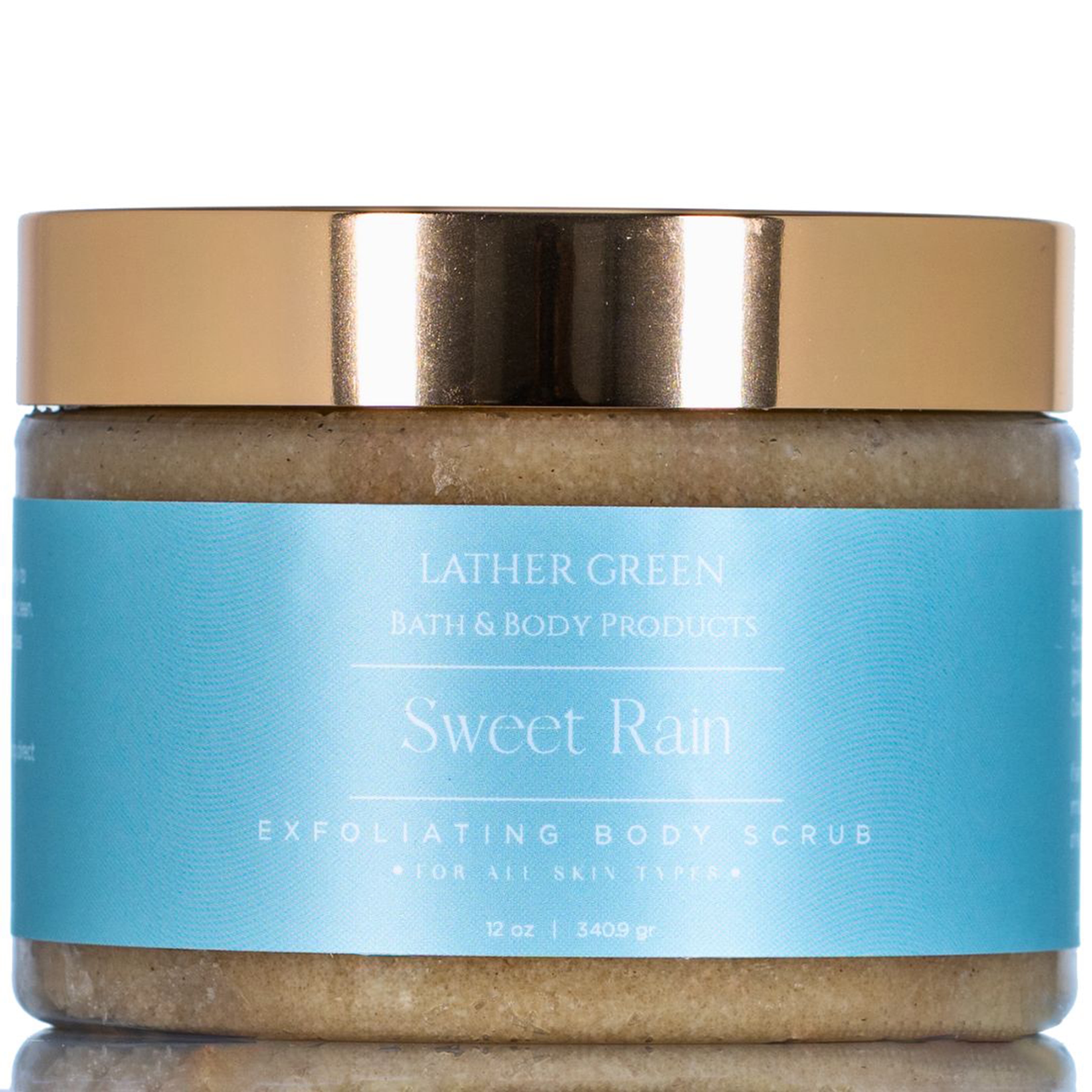
An all-natural body exfoliator is a skincare solution designed to remove dead skin cells using plant-based, mineral, or biological ingredients rather than synthetic chemicals or plastic microbeads. These products leverage mechanical abrasives like sugar and salt or enzymatic compounds from fruits to improve skin texture, promote circulation, and enhance the absorption of moisturizers.
The transition toward all-natural skincare has accelerated significantly as of 2026, driven by a dual demand for personal health safety and environmental stewardship. While the term "exfoliation" often brings to mind harsh scrubbing, the modern landscape of natural exfoliants offers a sophisticated range of options tailored to every skin type and concern. Understanding the science behind these ingredients allows for a more effective skincare routine that respects the biological integrity of the skin barrier.
The Biological Importance of Body Exfoliation
The human skin is a dynamic organ that constantly regenerates. This process, known as desquamation, involves the shedding of old, dead keratinocytes from the outermost layer of the epidermis, the stratum corneum, to make way for new cells. In a perfect environment, this cycle happens every 28 to 40 days. However, factors such as aging, environmental pollutants, hormonal shifts, and dehydration can slow this process down.
When dead cells accumulate, they create a physical barrier that leads to a dull appearance, rough texture, and clogged pores. An all-natural body exfoliator serves as a catalyst for this natural process. By removing the "cellular glue" or physically dislodging the debris, exfoliation reveals the more hydrated, vibrant cells beneath. Beyond aesthetics, regular exfoliation stimulates blood flow to the skin’s surface, which assists in nutrient delivery and waste removal at a cellular level.
Mechanical vs. Enzymatic: The Two Pillars of Natural Exfoliation
When selecting an all-natural body exfoliator, it is essential to distinguish between the two primary methods of action: mechanical (physical) and enzymatic (chemical).
Mechanical Exfoliation
Mechanical exfoliation involves physically rubbing a gritty substance against the skin to manually lift away dead cells. In the natural world, this is achieved through various textures:
- Crystalline structures: Sugar and salt are the most common. Sugar is generally gentler because the granules are rounder and contain naturally occurring glycolic acid. Salt, particularly Himalayan or Sea salt, is more abrasive and rich in minerals like magnesium and potassium.
- Fibrous materials: Ground coffee beans or nut shells (like walnut or almond) provide a rigorous scrub. While effective for tough areas like heels and elbows, they require careful application to avoid micro-tears in more sensitive regions.
- Waxy spheres: Jojoba beads are a premium natural choice. Unlike crushed shells, these are perfectly spherical, biodegradable wax beads that provide a smooth, non-abrasive physical exfoliation suitable even for sensitive skin.
Enzymatic (Natural Chemical) Exfoliation
Enzymatic exfoliation uses biological catalysts, typically derived from fruits, to dissolve the proteins (keratin) that hold dead skin cells together. This method does not require scrubbing, making it an excellent choice for those with inflammatory skin conditions or very sensitive skin.
- Papain: Derived from papaya, this enzyme is highly effective at breaking down inactive proteins.
- Bromelain: Sourced from pineapple, it offers both exfoliating and anti-inflammatory properties.
- Pumpkin Enzymes: Rich in Vitamin A and C, these enzymes provide a gentle resurfacing while delivering antioxidants to the skin.
Key Ingredients in All-Natural Body Exfoliators
To achieve a balanced formulation, high-quality natural exfoliators combine an abrasive or enzyme with a nourishing carrier. As of 2026, the focus has shifted toward "whole-plant" formulations that provide multi-functional benefits.
The Abrasive Base
- Organic Cane Sugar: A natural humectant, sugar draws moisture from the environment into the skin. Its fine grit makes it the gold standard for full-body exfoliation.
- Dead Sea Salt: Known for its high mineral content, it is often used in therapeutic scrubs to soothe sore muscles and address conditions like psoriasis, though its sharp edges require a light touch.
- Colloidal Oatmeal: While very mild, finely ground oats act as a gentle physical buffer while releasing avenanthramides, which are potent anti-inflammatory compounds.
The Nutritive Carriers
A scrub is only as good as the oil or butter that carries the granules. Without a proper carrier, mechanical exfoliation can cause excessive transepidermal water loss (TEWL).
- Virgin Coconut Oil: Provides a heavy moisture barrier and possesses antimicrobial properties.
- Shea Butter: Rich in fatty acids, it ensures the exfoliator has a creamy consistency that protects the skin during the scrubbing process.
- Sweet Almond Oil: A lightweight oil that penetrates easily, delivering Vitamin E deep into the dermis.
Botanical Additives
Many all-natural body exfoliators incorporate essential oils or botanical extracts for added efficacy. For example, tea tree oil provides antiseptic benefits for back acne, while rosehip oil aids in fading scars and evening out skin tone.
Choosing the Right Exfoliator for Your Skin Type
Using the wrong type of exfoliant can lead to irritation, redness, and a compromised skin barrier. The American Academy of Dermatology emphasizes that the method of exfoliation should be matched to skin sensitivity.
Dry and Mature Skin
Dry skin often has a compromised lipid barrier. For these individuals, a sugar-based scrub with a heavy oil base (like avocado or argan oil) is ideal. The sugar provides gentle mechanical action, while the oils replenish lost lipids. Enzymatic exfoliants are also highly recommended here, as they do not involve the friction that can further irritate dry patches.
Oily and Acne-Prone Skin
For areas prone to breakouts, such as the chest and back ("bacne"), salt-based scrubs can be beneficial due to their natural antiseptic properties. However, caution is required; over-scrubbing can trigger a rebound effect where the skin produces more oil to compensate for perceived dryness.
Sensitive Skin
Sensitive skin requires the gentlest touch. Jojoba beads or very finely ground colloidal oatmeal are the safest mechanical options. Alternatively, a low-concentration fruit enzyme wash can provide the benefits of exfoliation without the physical trauma of a scrub.
Normal/Combination Skin
Those with normal skin have the most flexibility. They can typically handle a variety of exfoliants, ranging from coffee scrubs for the legs and buttocks to lighter sugar scrubs for the arms and torso.
Comparative Analysis of Natural Exfoliants
The following table compares the most common natural exfoliating agents based on their physical properties and best use cases.
| Exfoliant Type | Grit Level | Primary Benefit | Best For |
|---|---|---|---|
| Sugar | Medium-Fine | Humectant, gentle resurfacing | Most skin types, especially dry |
| Sea Salt | Coarse | Mineral-rich, detoxifying | Rough areas (feet, elbows) |
| Coffee Grounds | Coarse | Temporary skin tightening, circulation | Cellulite-prone areas, morning use |
| Jojoba Beads | Very Fine | Non-abrasive, smooth finish | Sensitive or thin skin |
| Fruit Enzymes | N/A (Liquid) | Deep pore cleansing, no friction | Inflamed skin, acne, face & body |
| Pumice Stone | Extra Coarse | Heavy callous removal | Heels and callouses only |
The Environmental and Health Advantages of Natural Choices
The shift away from conventional, synthetic exfoliators is not merely a trend; it is a response to significant environmental and health data.
Elimination of Microbeads
For decades, many commercial exfoliators used polyethylene or polypropylene microbeads. These tiny plastic particles do not dissolve and are too small for most wastewater treatment plants to filter. According to the FDA’s Microbead-Free Waters Act, the United States began banning these in 2015, but global compliance varies. All-natural body exfoliators use biodegradable alternatives like seeds, salts, and sugars that dissolve or decompose harmlessly in the water system.
Avoidance of "Fragrance" and Phthalates
Conventional scrubs often rely on synthetic "fragrance" (parfum), which can contain hundreds of undisclosed chemicals, including phthalates. Phthalates are known endocrine disruptors. Natural exfoliators typically use steam-distilled essential oils or remain unscented, significantly reducing the risk of hormonal interference and contact dermatitis.
Preservative Systems
By 2026, natural preservative technology has advanced. Instead of parabens, all-natural exfoliators often use radish root ferment filtrate, rosemary extract, or tocopherol (Vitamin E) to maintain shelf life. This reduces the toxic load on the body while still ensuring the product remains free of mold and bacteria.
How to Properly Use an All-Natural Body Exfoliator
Even the best product can cause harm if used incorrectly. Follow these steps to ensure a safe and effective treatment:
- Preparation: Soak in warm water for 5 to 10 minutes. This softens the top layer of dead skin, making it easier to remove. Avoid hot water, which can strip natural oils.
- Application: Apply the exfoliator in small, circular motions. Start at the ankles and move upward toward the heart. This direction supports lymphatic drainage and venous return.
- Pressure Management: Let the granules do the work. You should never apply enough pressure to cause pain or significant redness.
- Rinsing: Rinse thoroughly with lukewarm water. Ensure no residue is left in skin folds, as this can cause irritation.
- Post-Care: This is the most critical step. Exfoliation leaves the skin temporarily vulnerable. Immediately apply a natural moisturizer or body oil to "seal" the skin and prevent moisture loss.
- Sun Protection: Freshly exfoliated skin is more susceptible to UV damage. If you are exfoliating in the morning, ensure you apply a mineral-based SPF to exposed areas.
DIY vs. Commercial All-Natural Exfoliators
In 2026, consumers often weigh the benefits of making their own scrubs versus purchasing professionally formulated products.
DIY Advantages:
- Cost-effectiveness: Most ingredients (sugar, olive oil, coffee) are already in the kitchen.
- Total Control: You can omit allergens or customize the scent exactly to your preference.
- Freshness: Small batches ensure the oils don't go rancid.
Commercial Advantages:
- Stability: Professional formulations include natural preservatives that prevent the growth of bacteria in a humid bathroom environment.
- Consistency: The grit size is standardized, reducing the risk of accidental scratching.
- Advanced Ingredients: Commercial products often include specialized extracts like bakuchiol or seaweed that are difficult for home users to source.
Common Mistakes to Avoid
- Exfoliating After Shaving: Shaving is a form of mechanical exfoliation. Using a scrub immediately after can cause severe irritation and "razor burn." Always exfoliate before shaving.
- Over-Exfoliating: More is not better. For most people, two to three times a week is sufficient. Daily exfoliation can lead to a "shiny" look that indicates the skin barrier has been stripped, leading to sensitivity and inflammation.
- Using Body Scrubs on the Face: The skin on the body is much thicker than the skin on the face. Ingredients like sea salt or walnut shells that are great for the legs are far too abrasive for facial tissue.
- Ignoring Open Wounds: Never exfoliate skin that is sunburned, cut, or has an active rash. This can introduce bacteria deeper into the dermis.
Frequently Asked Questions
Can I use an all-natural body exfoliator if I have eczema?
It depends on the current state of your skin. During a flare-up, exfoliation should be avoided entirely. During periods of remission, a very gentle, oil-rich colloidal oatmeal scrub can help remove dry scales, but it is best to consult a dermatologist first.
How long does a natural DIY scrub last?
Without professional preservatives, a DIY scrub made with water-based ingredients (like honey or fresh fruit) will only last 3-5 days in the refrigerator. An oil-and-sugar scrub can last 1-2 months if kept in a cool, dry place and if you avoid getting water into the jar, as water promotes bacterial growth.
Is sugar or salt better for exfoliation?
Sugar is generally better for the whole body because it is less abrasive and acts as a humectant. Salt is better for specific rough areas like the feet or for those seeking a mineral-heavy, "detoxifying" soak.
Why does my skin feel itchy after exfoliating?
Itching usually indicates that the skin is too dry or that the scrub was too abrasive. This can happen if you don't moisturize immediately afterward or if the skin barrier was slightly compromised by over-scrubbing.
Are "natural" fragrances safe?
"Natural fragrance" is still a vague term. Look for products that specify they use "pure essential oils" or "CO2 extracts" rather than just "natural fragrance," which can still be a proprietary blend of various substances.
Final Recommendation
For the best results with an all-natural body exfoliator, start with a high-quality, organic sugar scrub infused with a stable carrier oil like jojoba or sweet almond oil. Limit your sessions to twice weekly, and always prioritize the health of your skin barrier over the desire for "squeaky clean" skin. If you have specific concerns like keratosis pilaris (KP), look for exfoliators that include natural sources of Alpha Hydroxy Acids (AHAs), such as lactic acid from milk or glycolic acid from sugar cane, to chemically assist the physical scrubbing process.