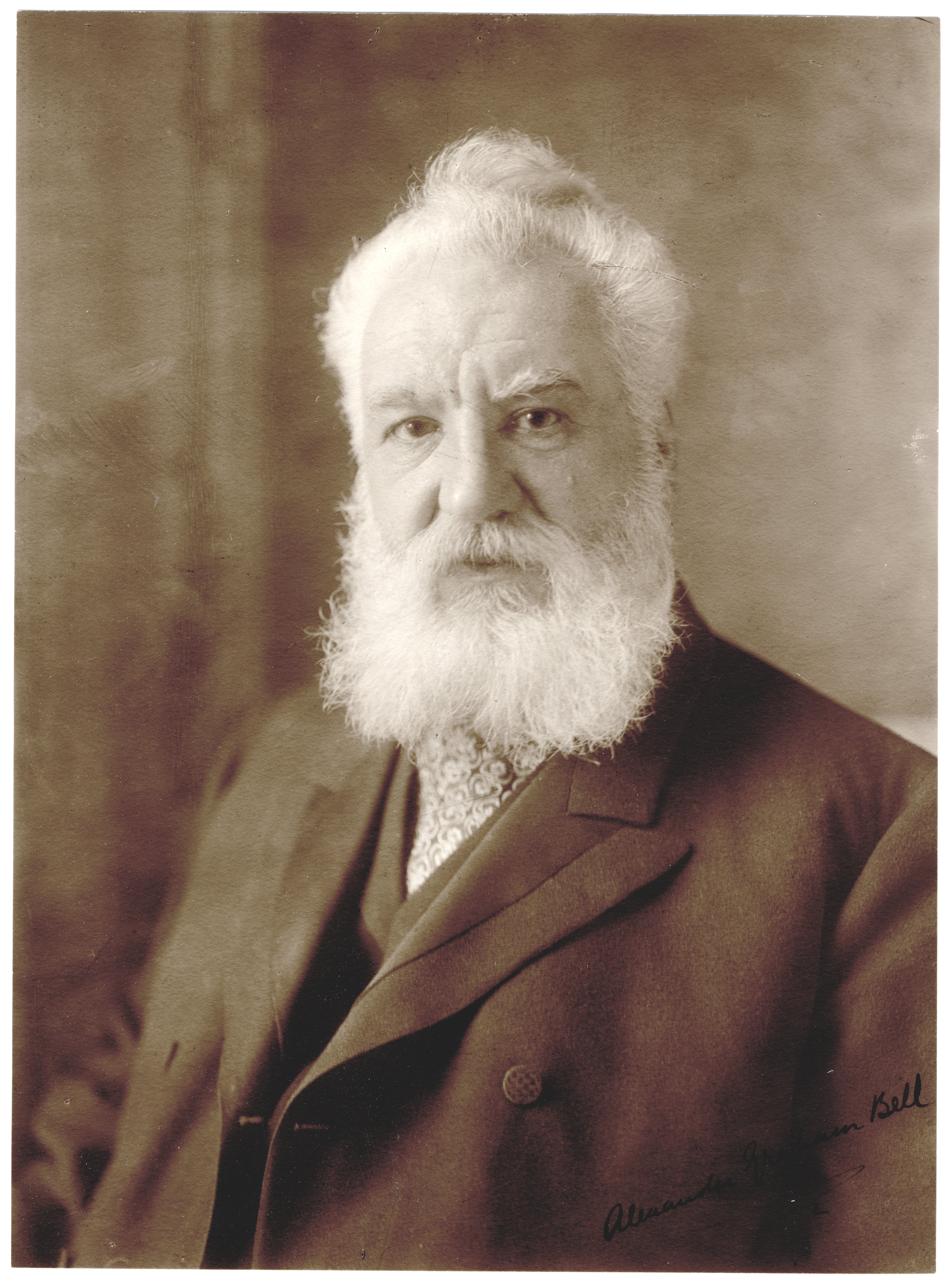
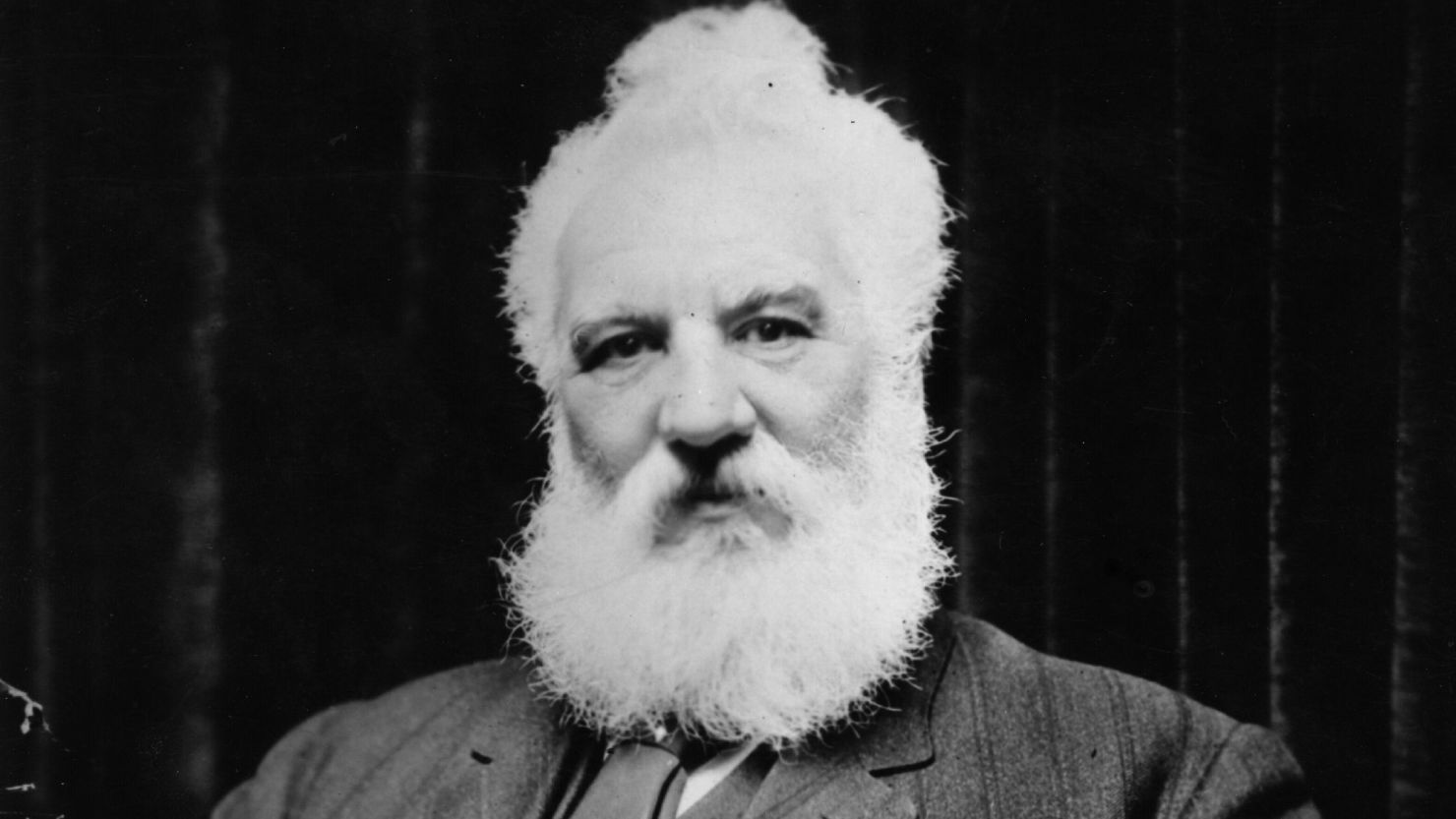
In 2026, the Alexander Graham Bell family net worth is no longer consolidated into a single, massive private fortune, but is instead distributed among hundreds of descendants and various philanthropic foundations. While the innovations Bell pioneered—most notably the telephone—laid the groundwork for the modern telecommunications industry and corporations worth trillions of dollars, his personal estate at the time of his death in 1922 was valued at approximately $1 million, which is equivalent to roughly $18.5 million in 2026 inflation-adjusted currency.
The Foundation of the Bell Fortune: Innovation and Patents
To understand the net worth of the Alexander Graham Bell family, one must first examine the origin of the assets. Unlike many of the Gilded Age's "Robber Barons," Bell was primarily an inventor and a scientist rather than a financier. The foundation of his family’s wealth was built upon the Bell Telephone Company, established in 1877.
However, Bell himself was not the sole owner. The company was a partnership involving his father-in-law, Gardiner Greene Hubbard, and Thomas Sanders. Bell’s initial wealth came from his ownership of one-third of the patent rights for the telephone. While these patents were the most valuable documents of the 19th century, Bell famously sold off much of his stock early on to fund further scientific endeavors and to provide for his family.
By the late 1880s, the Bell Telephone Company had evolved into the American Telephone and Telegraph Company (AT&T). While AT&T became a global behemoth, the Bell family’s direct ownership stake diluted over time as the company went public and issued more shares to fund the massive infrastructure requirements of a national telephone network. In 2026, the "Bell legacy" in financial terms is often measured by the collective success of these spin-offs, though the family no longer holds a controlling interest in any of them.
The Estate of Alexander Graham Bell: 1922 to 2026
When Alexander Graham Bell passed away in August 1922 at his estate in Baddeck, Nova Scotia, his financial portfolio was diverse but not "limitless" by the standards of his contemporaries like John D. Rockefeller or Andrew Carnegie.
Tangible Assets and Real Estate
A significant portion of Bell’s net worth was tied up in real estate. His most prized possession was Beinn Bhreagh, a sprawling estate in Cape Breton, Nova Scotia. This estate included:
- The "Point" house, a large Victorian mansion.
- Extensive laboratories where Bell conducted experiments on hydrofoils, aviation (the Silver Dart), and genetics.
- Hundreds of acres of coastal land.
In 2026, Beinn Bhreagh remains in the hands of Bell’s descendants, though parts of the legacy are preserved by Parks Canada as the Alexander Graham Bell National Historic Site. The market value of such an estate in 2026 is difficult to quantify due to its historical significance, but as a private residence, it would be valued in the tens of millions of dollars.
Intellectual Property and the Volta Laboratory
Following the success of the telephone, Bell won the French government’s Volta Prize (50,000 francs). He used this money to establish the Volta Laboratory in Washington, D.C. Here, he and his associates developed the Graphophone, an improved version of the phonograph. The sale of the patents for the Graphophone netted the laboratory roughly $200,000 in the 1880s, which Bell used to fund the Volta Bureau, an organization dedicated to helping the deaf. This pattern of "inventing to fund philanthropy" meant that Bell’s net worth was constantly being recycled into social causes rather than being hoarded as liquid cash.
The Descendants: The Hubbard, Grosvenor, and Fairchild Branches
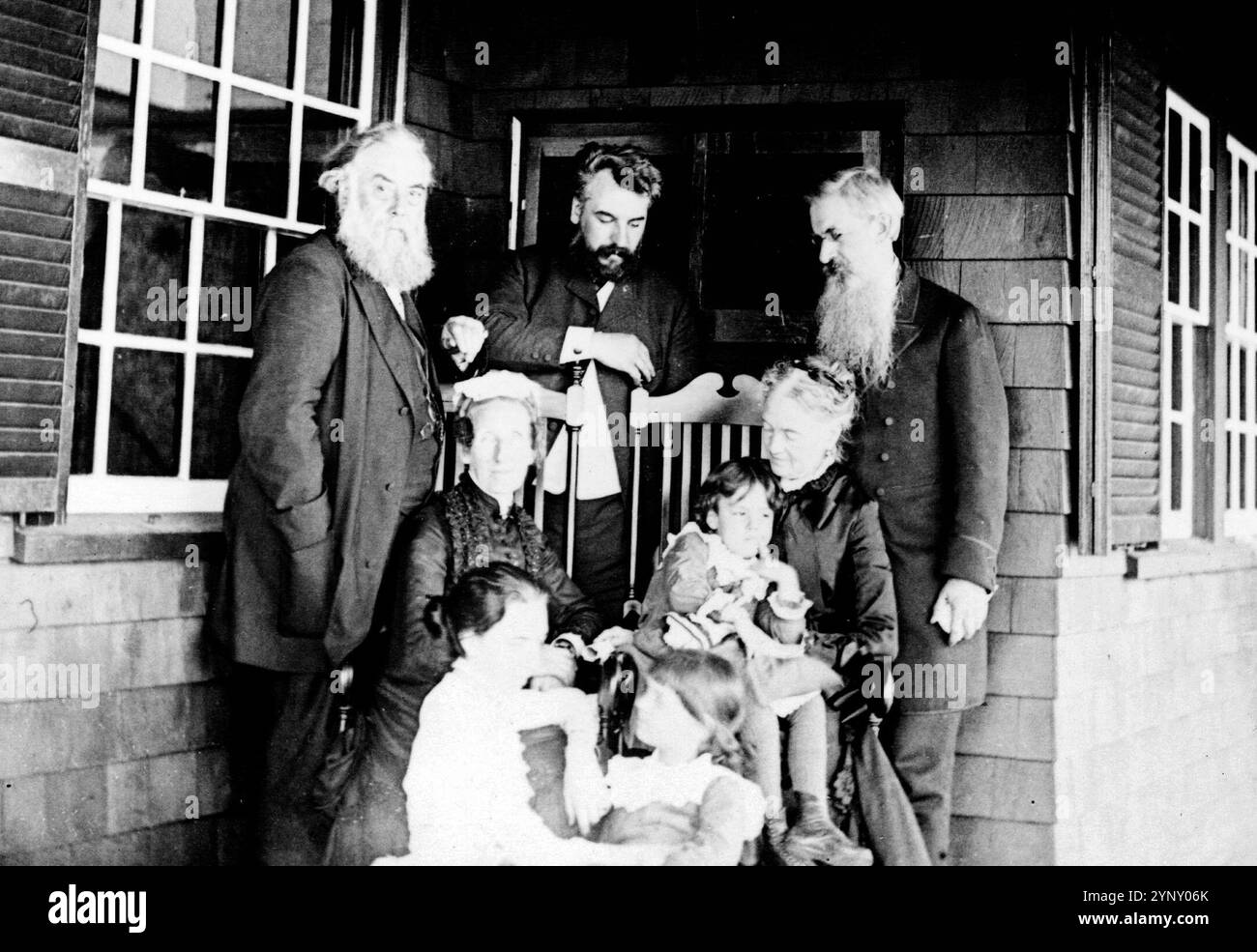
Because Alexander Graham Bell and his wife, Mabel Hubbard Bell, had two daughters who survived to adulthood—Elsie May Bell and Marian Bell—the family wealth branched out through two distinct lineages.
The Grosvenor Connection (National Geographic)
Elsie May Bell married Gilbert H. Grosvenor, who became the first full-time editor of National Geographic magazine. This union essentially merged the Bell family’s intellectual prestige with the burgeoning success of the National Geographic Society.
For generations, the Grosvenor family served at the helm of National Geographic. While the Society is a non-profit organization, the family’s role in its leadership and associated ventures provided them with significant professional standing and financial stability. By 2026, the Grosvenor branch represents one of the most prominent extensions of the Bell family tree, with wealth derived from publishing, photography, and scientific exploration.
The Fairchild Connection
Marian Bell married David Fairchild, a famous botanist and plant explorer. The Fairchild branch of the family focused heavily on agriculture and science. While wealthy, their "net worth" was often measured in land and scientific contributions, such as the establishment of the Fairchild Tropical Botanic Garden in Florida. Their financial legacy is less tied to the telecommunications industry and more to real estate and academic influence.
Why the Bell Family is Not on Modern "Wealthiest" Lists
A common question in 2026 is why the descendants of the man who invented the telephone are not among the world’s top billionaires. Several historical and financial factors explain this "wealth dissipation":
- Philanthropic Diversion: Alexander Graham Bell was deeply committed to the education of the deaf. He spent vast sums of his own money supporting the American Association to Promote the Teaching of Speech to the Deaf (now the Alexander Graham Bell Association for the Deaf and Hard of Hearing).
- Lack of Monopolistic Control: Unlike the Ford or Walton families, the Bells did not maintain a multi-generational voting block in the company Alexander founded. As AT&T grew, it became a widely held public corporation.
- Inheritance Fragmentation: Bell had two daughters, who had numerous children, who in turn had many more. By 2026, there are hundreds of direct descendants. An estate worth $20 million in the 1920s, if split among dozens of heirs across four or five generations, results in comfortable upper-middle-class or upper-class lifestyles for many, but billionaire status for none.
- The 1984 AT&T Divestiture: The forced breakup of the Bell System (the "Baby Bells") further fragmented the institutional identity of the company Bell created, making it impossible for a single family to retain a legacy stake in the entire industry.
Financial Comparison: Historical vs. Modern Value
The following table illustrates the estimated valuation of key assets associated with the Alexander Graham Bell family, adjusted for the 2026 economic climate.
| Asset Category | Estimated Value in 1922 | Adjusted Value (2026 USD) | Current Status (2026) |
|---|---|---|---|
| Liquid Estate/Stocks | ~$1,000,000 | ~$18,500,000 | Distributed among heirs/foundations |
| Beinn Bhreagh Estate | ~$150,000 | ~$2,800,000 (Land only) | Estimated at $35M+ as historical site |
| Telephony Patents | Incalculable | Trillions (Industry Value) | Expired; Public Domain |
| Volta Bureau/Trust | ~$200,000 | ~$3,700,000 | Operates as the AG Bell Association |
| Washington D.C. Property | ~$75,000 | ~$1,400,000 | Prime D.C. real estate; varied ownership |
Note: 1922 values are based on historical probate records and contemporary accounts from the Library of Congress.
The Role of Mabel Hubbard Bell
It is impossible to discuss the family net worth without mentioning Mabel Hubbard Bell. Coming from a wealthy family (the Hubbards), she was the one who managed the family finances. Alexander was notoriously uninterested in the business side of his inventions, often losing track of his bank balances.
Mabel was a shrewd investor and a pioneer in her own right, investing in early aviation and real estate. After Alexander’s death in 1922, Mabel survived him by only five months. Her management ensured that the wealth was structured in trusts that protected the interests of their daughters, Elsie and Marian. Much of the "family net worth" seen in the mid-20th century was actually the result of Mabel’s financial stewardship rather than Alexander’s direct earnings.
Modern Legacy: Intellectual and Cultural Capital
In 2026, the true "net worth" of the Alexander Graham Bell family is often viewed through the lens of cultural capital. The family name is attached to:
- The Bell System/AT&T: While not a financial asset for the family today, it is a massive industrial legacy.
- The Alexander Graham Bell Association: A leading global resource for the hearing impaired.
- The Alexander Graham Bell National Historic Site: A major tourism and educational driver in Nova Scotia.
The descendants of Alexander Graham Bell remain active in science, education, and the arts. While some have attained individual wealth in various professions, there is no "Bell Family Office" managing a centralized fortune.
Common Misconceptions About the Bell Fortune
There are several myths regarding the Bell family's wealth that persist into 2026.
Myth 1: The family owns a percentage of every phone call made.
Fact: Patent royalties expire. Bell's original telephone patents expired in the late 19th century. Since then, the technology has been in the public domain, and no family member receives "royalties" from telecommunications companies.
Myth 2: The Bell family is as wealthy as the Rockefellers.
Fact: The Bell fortune was never as large as the oil or steel fortunes. Because Bell used his wealth to fund ongoing, expensive scientific research (much of which, like his work on tetrahedral kites and steam-powered flight, did not yield commercial profits), his net worth did not compound at the same rate as the industrial titans of his era.
Myth 3: The descendants still run AT&T.
Fact: No member of the Bell family has held a significant leadership or ownership position in AT&T or its subsidiaries for over a century. The company is owned by millions of individual and institutional shareholders.
Frequently Asked Questions
What was Alexander Graham Bell's net worth when he died?
At the time of his death in 1922, his estate was valued at roughly $1 million. When adjusted for 2026 inflation and economic shifts, this is approximately $18.5 million. This figure includes his properties, stocks, and personal assets but does not reflect the total value of the companies he helped found, which were worth significantly more.
Did Alexander Graham Bell's children inherit his wealth?
Yes, his two daughters, Elsie May and Marian, inherited his estate. Much of this inheritance was in the form of real estate (the Beinn Bhreagh estate) and shares in various ventures. The wealth was managed through trusts established by Mabel Hubbard Bell to ensure long-term stability for the grandchildren.
Is the Alexander Graham Bell family still wealthy in 2026?
The family remains wealthy in a "legacy" sense, with many descendants being successful professionals, scientists, and landowners. However, they do not appear on lists of the world's wealthiest families because the initial fortune has been divided among hundreds of heirs over four generations and a large portion was donated to charity.
Who is the richest descendant of Alexander Graham Bell?
There is no single publicly identified "richest" descendant. The wealth is fragmented. Some members of the Grosvenor family (associated with National Geographic) have historically held significant assets, but in 2026, no individual descendant is recognized as a billionaire or a major figure in the global wealth rankings.
What happened to the Bell Telephone Company's shares?
The shares of the original Bell Telephone Company evolved into AT&T. Over the decades, through stock splits, mergers, and the 1984 divestiture, these shares became part of the broader stock market. Most family-held shares were sold off or distributed across various branches of the family tree over the last 100 years.
Practical Recommendation for Researchers
If you are investigating the specific financial records of the Bell family for genealogical or historical purposes, the best course of action is to consult the Alexander Graham Bell Family Papers at the Library of Congress in Washington, D.C. This collection contains extensive correspondence, ledgers, and probate documents that provide a granular look at the family’s financial dealings from 1865 to the mid-20th century. For those interested in the Canadian assets, Parks Canada and the Nova Scotia Archives hold detailed records regarding the Beinn Bhreagh estate and its valuation over time.