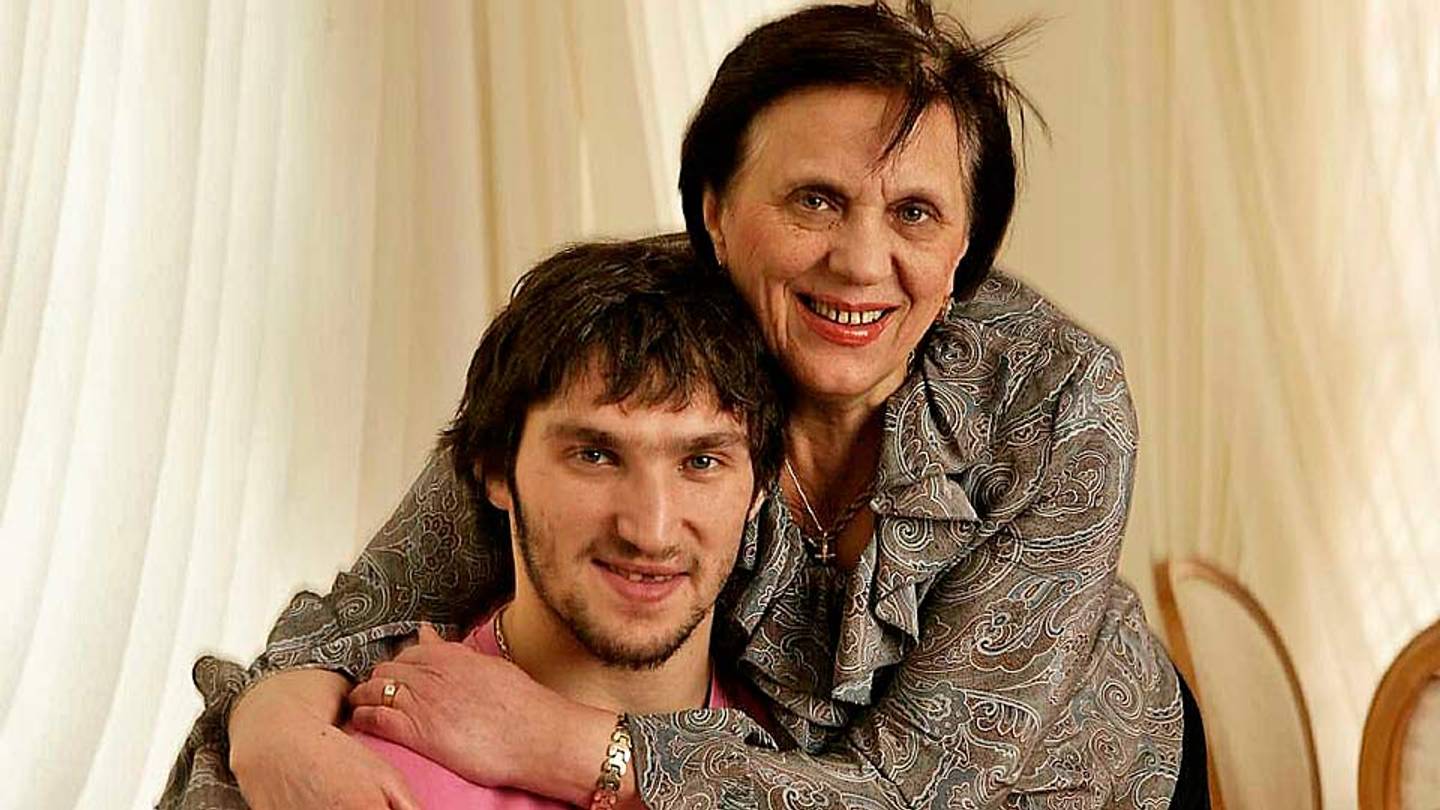
Tatyana Ovechkina is a legendary Soviet basketball player and two-time Olympic gold medalist (1976, 1980) who served as the primary architect of Alex Ovechkin’s legendary hockey career. Beyond her own athletic stardom, she instilled the discipline, work ethic, and mental toughness that enabled her son to become the "Great Eight" and challenge the most prestigious records in NHL history.
The Foundation of a Sporting Dynasty
To understand the greatness of Alex Ovechkin, one must first understand the woman who provided his genetic and professional blueprint. Tatyana Ovechkina (née Kabayeva) was not merely a supportive parent in the stands; she was one of the most dominant athletes of her generation. Long before Alex lace up skates in the NHL, Tatyana was a household name in the Soviet Union, defining an era of women’s basketball that remains a gold standard for international play.
Born in 1950, Tatyana’s journey was marked by early adversity. At the age of seven, she was involved in a severe car accident that resulted in significant leg injuries. Doctors feared she might never walk normally again, let alone compete at an elite level. However, through a grueling rehabilitation process and a refusal to accept physical limitations—traits she would later pass to her son—she not only recovered but excelled in athletics.
By her late teens, she had become a standout point guard for Dynamo Moscow. Her style of play was characterized by exceptional vision, a relentless defensive motor, and an uncanny ability to direct the flow of the game. These traits are mirrored in Alex's own hockey IQ, where his positioning and anticipation allow him to find "the office" with surgical precision.
The Olympic Legacy: 1976 and 1980
Tatyana Ovechkina’s career reached its zenith during the 1970s, a period where the Soviet Union’s women’s basketball team was virtually unbeatable. As the floor general of the squad, she was instrumental in securing some of the most significant victories in the history of the sport.
The Montreal Breakthrough (1976)
The 1976 Summer Olympics in Montreal marked the first time women’s basketball was included as an Olympic sport. Tatyana was a cornerstone of the Soviet team that marched through the tournament undefeated. Her performance was a masterclass in playmaking, helping the USSR secure the inaugural gold medal. This victory established the Soviet Union as the global powerhouse of the sport, a position they held for decades.
Defending the Crown in Moscow (1980)
Four years later, playing on home soil in Moscow, Tatyana led her team to a second consecutive Olympic gold medal. The pressure of playing at home for a Soviet athlete during the Cold War era was immense, yet Tatyana’s composure under fire became her trademark. She retired from international play shortly thereafter, having also secured a World Championship title (1975) and six European Championship titles.
Her dominance is reflected in her induction into the FIBA Hall of Fame and her recognition as the "Best Female Point Guard of the 20th Century" by several European publications. When fans see Alex Ovechkin lifting the Stanley Cup or celebrating a milestone goal, they are witnessing the continuation of a championship pedigree that started on the basketball courts of Moscow and Montreal.
The Architect of the "Great Eight"
Tatyana Ovechkina’s transition from elite athlete to the mother of an elite athlete was seamless but intense. While Alex’s father, Mikhail (a former professional soccer player), provided the encouragement and initial introduction to sports, it was Tatyana who managed the rigors of Alex’s development.
The Discipline of a Champion
In interviews throughout the years, Alex has frequently cited his mother’s "tough love" and professional standards as the reason for his longevity. Tatyana did not view hockey as a hobby for her son; she viewed it through the lens of high-performance athletics. She was known to critique his games with the eye of a coach rather than a doting parent. If Alex had a multi-goal game but lacked defensive effort, Tatyana was the first to point out his shortcomings.
This environment of accountability prevented Alex from becoming complacent during his teenage years when he was already being heralded as a generational talent. Tatyana’s influence ensured that Alex understood the "why" behind the training, emphasizing that talent is only a baseline and that true greatness requires a lifelong commitment to the craft.
The Origin of the Number 8
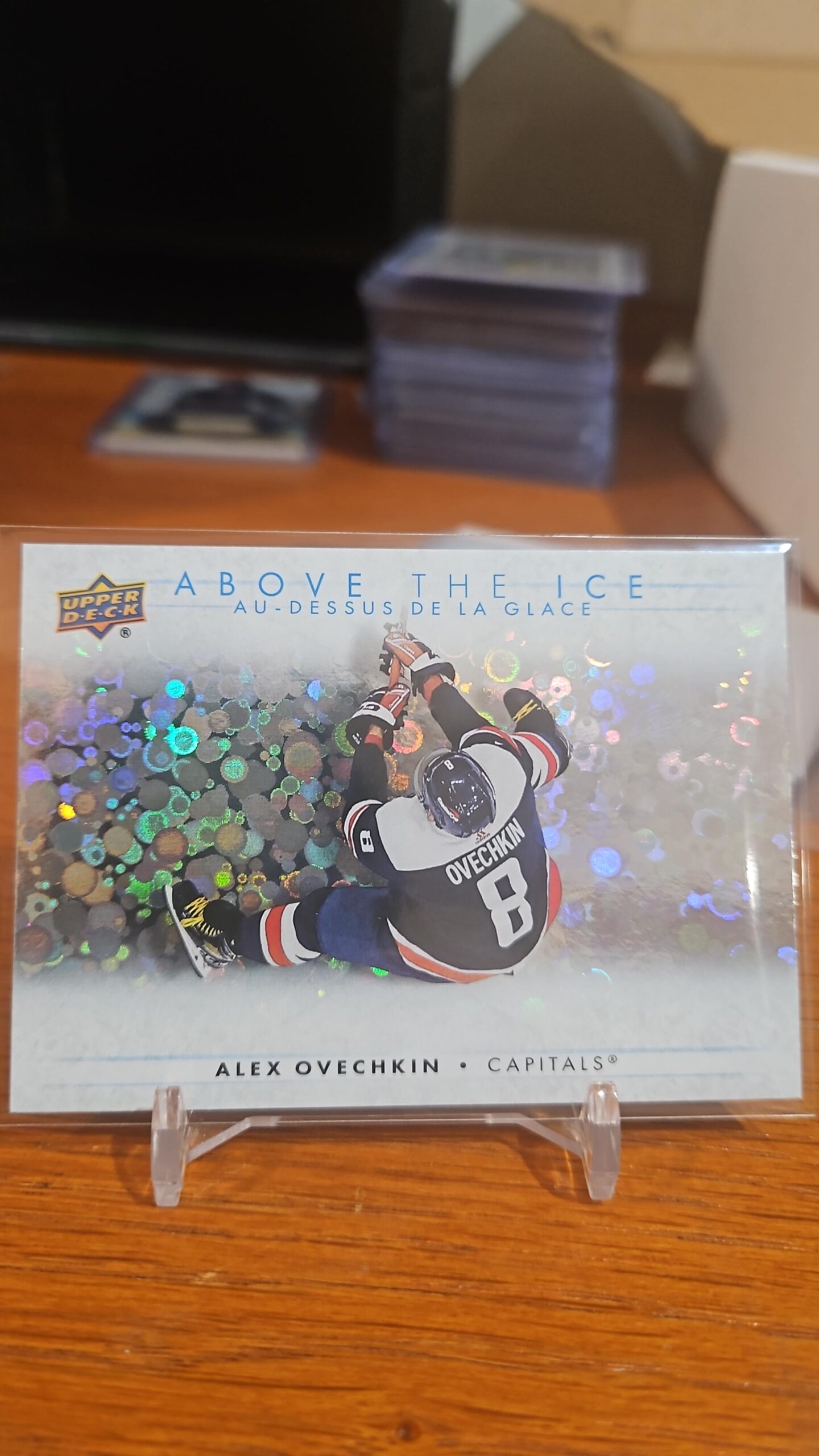
One of the most iconic symbols in modern sports is Alex Ovechkin’s number 8. While many fans assume it was a random selection or a tribute to a hockey idol, it is actually a direct homage to his mother. Tatyana wore the number 8 throughout her storied basketball career. When Alex began his professional journey with Dynamo Moscow and later with the Washington Capitals, he chose the number 8 to carry her legacy onto the ice. In 2026, as he continues to add to his historic goal totals, that number remains a permanent link between two generations of Olympic-caliber success.
Managing the Career of a Superstar
Tatyana Ovechkina’s role expanded beyond the emotional and technical as Alex moved to North America in 2005. For many years, she acted as his de facto manager and advisor. In an era where sports agents typically handle every aspect of a player's life, Tatyana remained deeply involved in Alex’s contract negotiations and business affairs.
The Washington Capitals Connection
The Ovechkin family’s relationship with the Washington Capitals organization is unique in professional sports. Tatyana and Mikhail were frequent fixtures at Capital One Arena, often sitting in the same seats for nearly two decades. Tatyana’s presence was so influential that former Capitals coaches and executives frequently consulted her to better understand Alex’s mindset.
She was famously present in Las Vegas when Alex finally hoisted the Stanley Cup in 2018. For Tatyana, that moment was the culmination of a journey that began with her taking her son to early-morning practices in Moscow. Her tears during the celebration were not just those of a proud mother, but of a fellow champion who understood the weight of the trophy and the sacrifice required to earn it.
Career Comparison: Tatyana vs. Alex Ovechkin
The following table highlights the remarkable championship consistency within the Ovechkin family. As of 2026, their combined trophy case is one of the most decorated in sports history.
| Metric | Tatyana Ovechkina (Basketball) | Alex Ovechkin (Hockey) |
|---|---|---|
| Olympic Gold Medals | 2 (1976, 1980) | 0 (Best: 4th Place) |
| World Championships | 1 (1975) | 3 (2008, 2012, 2014) |
| European Championships | 6 Titles | N/A |
| Primary Team Trophy | multiple USSR League Titles | 1 Stanley Cup (2018) |
| Individual Honors | Best PG of the 20th Century | 3 Hart Trophies, 9 Maurice Richard Trophies |
| Hall of Fame Status | FIBA Hall of Fame (2010) | Future HHOF Lock |
| Jersey Number | 8 | 8 |
Resilience Through Tragedy
The Ovechkin family has not been immune to heartache. The driving force behind Alex’s career was also fueled by the loss of his older brother, Sergei, who died in a car accident when Alex was just 10 years old. It was Tatyana who held the family together during this period, insisting that Alex continue playing hockey the very next day to help him cope with the grief.
In February 2023, the family faced another significant loss with the passing of Alex's father, Mikhail Ovechkin. Throughout the 2023-2024 and 2024-2025 seasons, Tatyana remained the matriarchal pillar for Alex, providing the emotional stability he needed to continue his pursuit of Wayne Gretzky’s all-time goal record. Her resilience in the face of personal loss has mirrored the "iron man" durability Alex has shown throughout his career, rarely missing games despite the physical toll of his playing style.
Tatyana’s Administrative Legacy
Beyond her role as "Alex’s mother," Tatyana Ovechkina has had a significant career as a sports administrator. She served as the President of the women’s basketball branch of Dynamo Moscow for many years. In this capacity, she worked to revitalize the sport in Russia, ensuring that young women had access to the same training and opportunities she had during the Soviet era.
Her administrative work focused on:
- Infrastructure Development: Modernizing training facilities for women's basketball.
- Financial Stability: Securing sponsorships for Dynamo Moscow during volatile economic periods in Russia.
- Youth Coaching: Implementing a curriculum based on the rigorous fundamentals that defined her own playing career.
Even in 2026, her influence is felt in the Russian basketball league, where her emphasis on discipline and team-first play remains a core philosophy.
Frequently Asked Questions
Did Tatyana Ovechkina play in the WNBA?
No. Tatyana Ovechkina played her entire career before the WNBA was established in 1996. During her prime in the 1970s and 1980s, the Soviet league and international competitions like the Olympics and World Championships were the highest levels of play for women's basketball.
How many Olympic gold medals does Alex Ovechkin’s mother have?
Tatyana Ovechkina won two Olympic gold medals. The first was in 1976 at the Montreal Games, and the second was in 1980 at the Moscow Games. This actually gives her more Olympic gold medals than her son, a fact the family often jokes about in interviews.
Is Tatyana Ovechkina still involved in Alex’s hockey career?
Yes, she remains a vital advisor. While Alex is a veteran superstar in 2026, he still consults his mother on matters of physical preparation and mental focus. She is often seen at his major milestones and remains a key part of his support system in both Washington and Moscow.
What was Tatyana Ovechkina's position in basketball?
She was a point guard. In basketball, the point guard is the "on-court coach" responsible for directing the offense and distributing the ball. This role required high intelligence and leadership, traits that she utilized when helping manage Alex's rise to NHL stardom.
Why does Alex Ovechkin wear the number 8?
Alex wears the number 8 as a tribute to Tatyana. It was her jersey number throughout her legendary career with the Soviet national team and Dynamo Moscow. By wearing the number, Alex ensures his mother’s legacy is represented every time he takes the ice.
Practical Recommendation: Understanding the Elite Mindset
For athletes and parents looking to replicate the success of the Ovechkin family, the most important lesson is the value of internal standards. Tatyana Ovechkina never compared Alex to his peers; she compared him to his own potential and the requirements of the professional game.
To apply this "champion behind the ice" philosophy:
- Prioritize Fundamentals: Like Tatyana’s basketball training, focus on the core skills that don't slump, such as positioning and work rate.
- Maintain Accountability: Surround yourself with mentors who are willing to offer honest, even difficult, critiques rather than just praise.
- Respect the Legacy: Use the achievements of those who came before you as a motivation, not a source of pressure.
Tatyana Ovechkina remains the ultimate proof that behind every "Great Eight" is a foundation built on gold-medal discipline and unwavering maternal support.