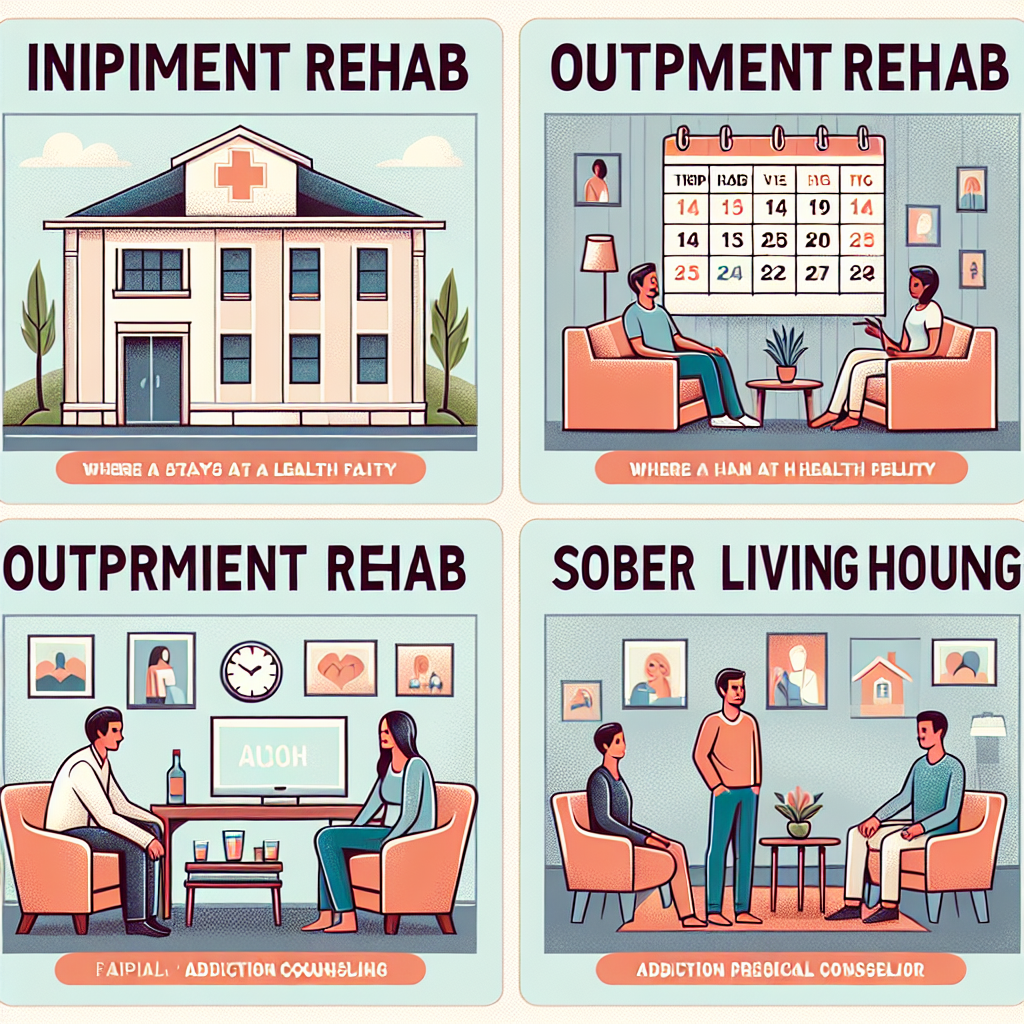
Alcohol treatment programs are structured clinical, behavioral, or supportive pathways designed to help individuals manage alcohol use disorder (AUD), ranging from medically supervised detoxification to long-term outpatient counseling. Selecting the appropriate program depends on the severity of dependence, medical history, existing support systems, and the specific clinical needs of the individual seeking recovery.
Determining the Level of Care
Recovery from alcohol use disorder is rarely a one-size-fits-all process. The transition into treatment usually begins with a formal clinical assessment conducted by a physician, psychologist, or a licensed addiction counselor. This assessment determines the necessary intensity of care based on the American Society of Addiction Medicine (ASAM) criteria, which categorize treatment into distinct levels.
Medically Supervised Detoxification
For individuals with physical dependence, withdrawal can be life-threatening. Medically managed withdrawal—commonly known as detox—occurs in a hospital or specialized facility where medical staff monitor vital signs and administer medications to mitigate withdrawal symptoms such as tremors, seizures, and delirium tremens. Detox is the foundational step but is not a complete treatment in itself; it addresses physical stabilization before the psychological work of recovery begins.
Inpatient and Residential Treatment
Inpatient programs provide 24-hour clinical care within a structured, immersive environment. Residents live on-site, allowing them to step away from external triggers while engaging in intensive daily therapy.
- Residential Programs: These often last between 30 to 90 days. They prioritize a community-based approach, involving group therapy, psychoeducation, and recreational activities.
- Partial Hospitalization Programs (PHP): These act as a bridge between inpatient and outpatient care. Patients attend a facility for six to eight hours a day, five to seven days a week, but return home or to a sober-living residence in the evenings.
Outpatient Services
Outpatient treatment is designed for individuals who have a stable home environment and are able to maintain daily responsibilities.
- Intensive Outpatient Programs (IOP): These require several hours of therapy per week, usually split into morning or evening sessions. IOPs provide a high level of accountability without the need for overnight stays.
- Standard Outpatient: This is the least intensive level, involving weekly or bi-weekly meetings with a therapist or counselor to focus on relapse prevention and long-term coping strategies.
Essential Components of Effective Treatment
Regardless of the facility's setting, effective alcohol treatment programs rely on evidence-based practices. Prospective participants should verify that their chosen program integrates the following modalities.
Behavioral Therapies
Cognitive Behavioral Therapy (CBT) is widely considered the gold standard for AUD. It teaches individuals how to identify and restructure the thought patterns and environmental triggers that lead to alcohol consumption. Similarly, Motivational Interviewing (MI) is used to resolve ambivalence and build the internal drive necessary for sustained behavior change.
Medication-Assisted Treatment (MAT)
In 2026, the use of FDA-approved medications remains a cornerstone of comprehensive recovery for many.
- Naltrexone: Blocks the euphoric effects of alcohol and reduces cravings.
- Acamprosate: Helps restore the brain’s chemical balance, specifically targeting the physical discomfort associated with abstinence.
- Disulfiram: Creates an adverse physical reaction when alcohol is consumed, acting as a pharmacological deterrent.
Peer Support and Group Dynamics
Group therapy provides a unique opportunity for individuals to share experiences and receive feedback from peers who understand the challenges of recovery. Many programs also encourage or facilitate participation in 12-step programs like Alcoholics Anonymous (AA) or secular alternatives like SMART Recovery, which provide ongoing social support after the formal treatment program ends.
Comparison of Common Treatment Settings
| Feature | Inpatient/Residential | Partial Hospitalization (PHP) | Intensive Outpatient (IOP) |
|---|---|---|---|
| Living Situation | Facility-based (24/7) | Home or Sober Living | Home |
| Clinical Intensity | Very High | High | Moderate |
| Duration | 30–90+ Days | Varies (weeks to months) | Varies (months) |
| Best For | Severe dependence/unstable environment | Transitioning/moderate need | Strong support system/mild to moderate |
| Flexibility | None | Low | High |
Evaluating Program Quality and Verification
Not all treatment centers operate with the same standards of care. When researching programs, it is critical to look for specific credentials that indicate safety and efficacy.
Accreditation and Licensing
Ensure the facility is accredited by independent organizations such as The Joint Commission (TJC) or the Commission on Accreditation of Rehabilitation Facilities (CARF). These organizations conduct rigorous site visits to ensure that facilities meet national standards for clinical quality and patient safety.
Staff Qualifications
Inquire about the clinical staff's credentials. Effective programs should be staffed by licensed professionals, including:
- Licensed Clinical Social Workers (LCSW)
- Licensed Professional Counselors (LPC)
- Board-certified addiction medicine physicians
- Registered nurses (RN) or Nurse Practitioners (NP)
Geographic and Financial Considerations
While some individuals travel for specialized care, proximity to home can be an advantage for long-term recovery, as it allows for the eventual inclusion of family therapy and the building of a local support network. Financially, most reputable programs work with health insurance providers. Under federal mandates, many insurance plans are required to provide coverage for substance use disorder treatment, though specific limitations on "in-network" providers and "medical necessity" criteria apply. Always contact your insurance provider directly to verify coverage details for the specific facility you are considering.
The Role of Aftercare Planning
The most dangerous period for relapse often occurs immediately after leaving a structured treatment program. A program is only as effective as the aftercare plan it creates for the patient. A robust aftercare plan typically includes:
- Sober Living Residences: Transitionary housing that offers a drug-free environment and peer accountability.
- Ongoing Therapy: Regularly scheduled individual or group counseling sessions.
- Relapse Prevention Training: Developing a tangible plan for managing high-risk situations, including specific contacts to call when cravings arise.
- Family Engagement: Education and counseling for family members to repair relationships and adjust the home environment to support long-term sobriety.
Frequently Asked Questions
What happens during the initial intake process?
The intake process involves a comprehensive medical, psychiatric, and social assessment. Professionals will review your history of alcohol use, current physical health, and any co-occurring mental health conditions (dual diagnosis). This information is used to develop a personalized treatment plan.
Can I continue working while in a treatment program?
This depends on the level of care. Residential programs usually require a leave of absence. However, Intensive Outpatient Programs (IOP) and standard outpatient services are specifically designed to be flexible enough for individuals to maintain their professional responsibilities while attending sessions.
What is a "dual diagnosis" in the context of treatment?
Dual diagnosis refers to the presence of both an alcohol use disorder and a secondary mental health disorder, such as anxiety, depression, or PTSD. Effective programs treat both issues simultaneously; ignoring one while treating the other significantly increases the risk of relapse.
How do I pay for treatment if I don't have insurance?
If you lack insurance, look for state-funded treatment facilities or facilities that offer "sliding scale" fees based on your income. Many non-profit organizations and government-funded clinics provide services at reduced costs or for free to those who qualify.
Does a successful program guarantee I will not relapse?
No program can guarantee a lifetime without relapse. Alcohol use disorder is a chronic, relapsing condition. Success is measured by the development of coping skills, the reduction of severity and frequency of use, and the ability to return to recovery protocols quickly if a relapse occurs.
Next Steps for Recovery
If you or a loved one is struggling with alcohol use, the first actionable step is to contact a primary care physician or a licensed addiction counselor for a confidential assessment. Be prepared to discuss your current alcohol intake, your medical history, and your goals for recovery. Do not attempt to stop heavy alcohol use suddenly without medical guidance, as withdrawal symptoms can be dangerous. Utilize directories provided by government health departments to verify the legitimacy of any facility you are considering before committing to a program.