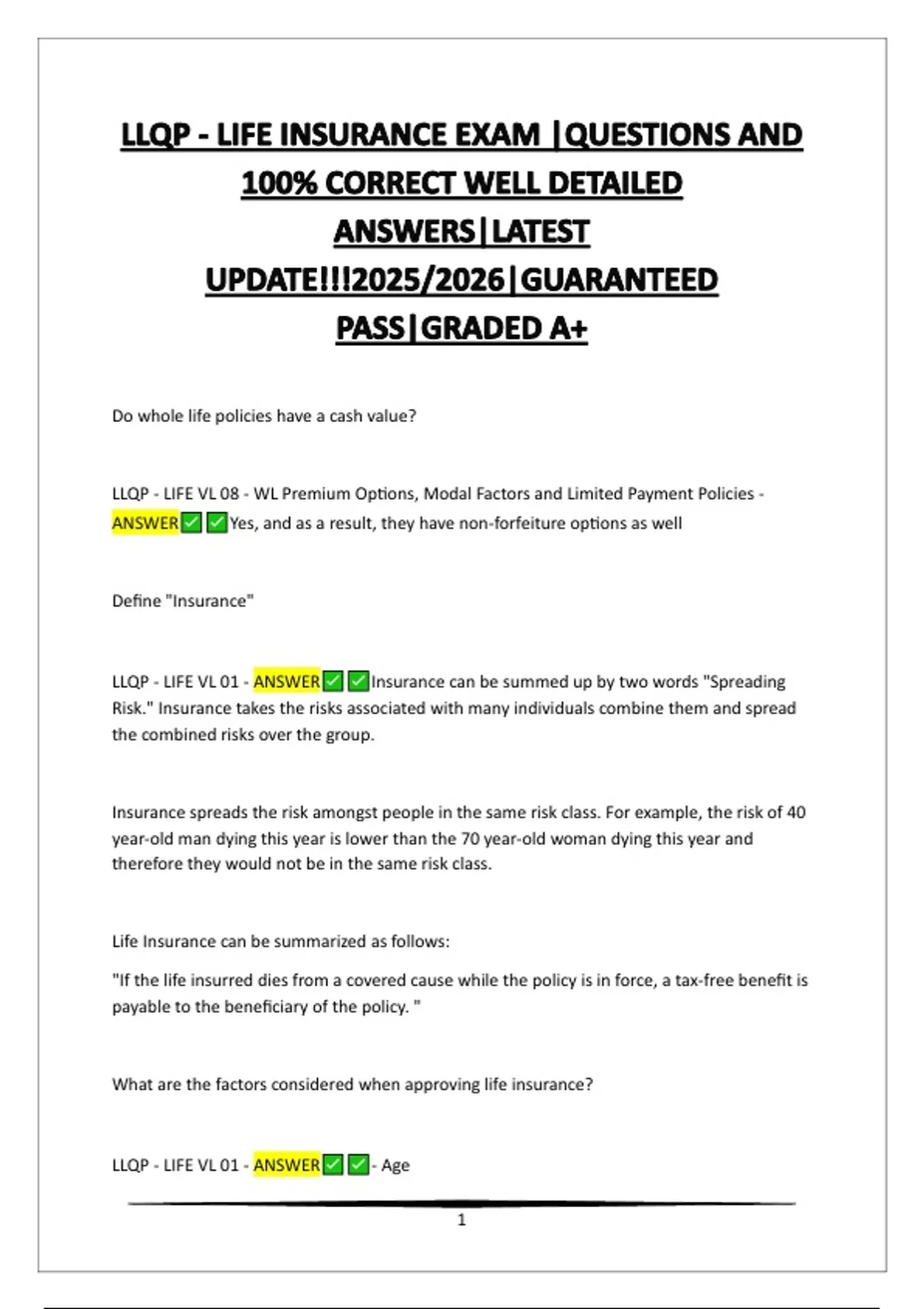
To become a licensed life insurance agent in Alberta in 2026, candidates must complete the Life License Qualification Program (LLQP). This process requires registering with the Canadian Insurance Participant Registry (CIPR), passing a certified pre-qualification course, and successfully challenging four modular exams administered by the Alberta Insurance Council (AIC) under a Common Law jurisdiction.
The path to becoming a licensed insurance professional in Alberta is structured to ensure that every agent possesses a standardized level of competency, ethical standing, and technical knowledge. The Alberta Insurance Council (AIC) oversees this process, acting as the regulatory body responsible for licensing and discipline within the province. The framework used, the Life License Qualification Program (LLQP), is a national standard adopted by the Canadian Insurance Services Regulatory Organizations (CISRO). However, while the curriculum is national, the administration, provincial ethics components, and licensing issuance are handled locally by the AIC.
Understanding the specific requirements for 2026 involves navigating several layers of bureaucracy, from federal registry systems to provincial examination centers. For aspiring agents, the goal is not merely to pass a test but to demonstrate a comprehensive understanding of financial products, risk management, and the legal obligations of a fiduciary. This guide provides a detailed breakdown of the prerequisites, the modular structure of the examinations, and strategic preparation methods necessary for success.
The Role of the Alberta Insurance Council (AIC)
The Alberta Insurance Council is the primary authority governing the insurance industry in Alberta. Its mandate is derived from the Insurance Act, and it operates to protect the public interest by ensuring that insurance intermediaries are well-qualified and adhere to a strict code of conduct. For a candidate, the AIC is the entity that will ultimately issue the license, but it also serves as the proctor for the official provincial exams.
In 2026, the AIC continues to utilize an online portal for most administrative tasks, including exam registration and license applications. Candidates must familiarize themselves with the AIC's "Education Link" system, which tracks exam results and continuing education credits throughout an agent's career. It is important to note that the AIC does not provide the study materials themselves; rather, they provide the platform to prove you have mastered the material provided by third-party educational institutions.
Mandatory Prerequisites for Candidates
Before a candidate can sit for the provincial exams, they must satisfy two fundamental prerequisites. These steps ensure that the candidate is tracked in a national database and has undergone sufficient preliminary training.
1. Canadian Insurance Participant Registry (CIPR)
The first step for any prospective agent is to create a profile with the Canadian Insurance Participant Registry (CIPR). This registry provides a unique identification number that follows the individual throughout their career in the Canadian insurance industry. This ID is mandatory for registering with an LLQP course provider and for booking exams with the AIC. The CIPR ensures that exam attempts and certifications are tracked accurately across different provinces, preventing unauthorized exam retakes or fraudulent credential claims.
2. Completion of a Certified LLQP Course
You cannot challenge the AIC exams without first passing a "pre-qualification" course from an approved provider. These providers are private educational institutions or insurance companies that have been certified by CISRO to deliver the LLQP curriculum. The course is typically delivered online and consists of reading materials, videos, and practice quizzes.
To be "certified" for the provincial exams, a candidate must pass the course provider's internal mock exams for each module. Once passed, the provider updates the candidate’s status in the CIPR database, "unlocking" the ability to book the official provincial exams with the AIC. In 2026, these certifications generally remain valid for one year; if the candidate does not pass the provincial exams within that timeframe, they may need to re-qualify through their course provider.
Breakdown of the LLQP Exam Modules
The LLQP is divided into four distinct modules. In Alberta, which follows the Common Law system, candidates must pass all four to receive a full Life Insurance License (including Accident and Sickness).
Life Insurance
This module covers the technical aspects of life insurance products, including term life, whole life, and universal life insurance. Candidates must understand the nuances of policy provisions, riders, and the taxation of death benefits. A significant portion of this module focuses on "Needs Analysis," where the candidate must calculate the appropriate amount of coverage for a hypothetical client based on their debts, income replacement needs, and final expenses.
Accident and Sickness (A&S)
The A&S module deals with living benefits. This includes disability insurance, critical illness insurance, and long-term care coverage. The exam tests the candidate's knowledge of "Own Occupation" versus "Any Occupation" definitions of disability, the waiting periods associated with policies, and the integration of private insurance with government programs like the Canada Pension Plan (CPP) and Workers' Compensation.
Segregated Funds and Annuities
This is often considered the most technical module, as it bridges the gap between insurance and investment. Segregated funds are individual variable insurance contracts that behave similarly to mutual funds but include death and maturity guarantees. Candidates must understand the legal protections offered by segregated funds (such as creditor protection) and the mechanics of various annuity structures, including life annuities and term-certain annuities.
Ethics and Professional Practice (Common Law)
Because Alberta is a Common Law province, candidates take the version of this module that focuses on the legal precedents and statutory requirements applicable outside of Quebec. The curriculum covers the agent's fiduciary duty, the importance of "knowing your client," and the provincial regulations set out by the AIC. It emphasizes the avoidance of "churning" (unnecessarily replacing policies) and "twisting" (misrepresenting a policy to induce a switch).
2026 Fee Structure and Registration Process
The costs associated with becoming a life insurance agent in Alberta include course provider fees, exam fees, and licensing fees. While course provider prices vary, the AIC exam fees are standardized.
| Requirement | Estimated Cost (2026 CAD) | Frequency |
|---|---|---|
| CIPR Registration | $0 (Standard Registration) | Once |
| LLQP Course Provider | $400 - $800 | Once (plus potential renewals) |
| AIC Exam Fee (per module) | $50 | Per attempt |
| Criminal Record Check | $50 - $75 | Upon license application |
| Annual AIC License Fee | $150 | Annually |
| Errors & Omissions Insurance | $500 - $800 | Annually |
The registration process begins on the Alberta Insurance Council website. Once your CIPR status shows you are certified, you can log into the AIC portal, select your exam dates, and pay the modular fees. In 2026, most exams are conducted in person at designated testing centers in Calgary or Edmonton, though some remote proctoring options may exist depending on current AIC policies.
Exam Format and Passing Criteria
The LLQP exams are multiple-choice and are administered via computer. One of the most important aspects of the LLQP is that it is an open-book exam. However, "open-book" does not mean you can bring your own notes. Instead, the testing software provides a digital version of the standard CISRO LLQP reference material.
- Question Count: Each module typically contains 30 to 50 questions.
- Time Limit: Candidates are generally given 75 to 90 minutes per module.
- Passing Grade: The passing mark for all modules is 60%.
- Attempt Limits: The AIC enforces strict rules regarding retakes. If a candidate fails a module multiple times, a mandatory waiting period (ranging from 3 months to 6 months) is usually triggered before another attempt is allowed.
The open-book nature of the exam often creates a false sense of security. Candidates frequently fail because they spend too much time searching the reference manual for answers rather than understanding the core concepts. Success in 2026 requires the ability to navigate the digital reference manual efficiently while already possessing a 70-80% knowledge base of the material.
Effective Preparation Strategies
Preparation for the Alberta life insurance exam should be systematic. Because the volume of information is high, rote memorization is less effective than conceptual understanding.
Master the Navigation of Reference Materials
Since you will have access to the official CISRO manuals during the exam, you should study using those exact documents. Know which chapters contain the tables for taxation, which sections explain the "Standard Provisions" of a life policy, and where to find the specific definitions for disability. Practice "finding" information quickly so that during the exam, you only use the manual to verify facts rather than to learn them.
Focus on Case Studies
The LLQP exams are increasingly moving toward situational questions. Instead of asking, "What is a beneficiary?" the exam might present a scenario where a policyholder dies with a complicated family structure and ask how the proceeds will be distributed under Alberta law. Work through as many practice case studies as possible to develop the "analytical muscle" required for these questions.
Utilize Practice Exams
Most course providers offer a bank of practice questions. Candidates should aim to score at least 80% on practice exams before attempting the official AIC modules. This provides a buffer for the added stress and slightly higher difficulty of the actual provincial examination.
Post-Exam Requirements and Licensing
Passing the four LLQP modules is a significant milestone, but it does not automatically grant you the right to sell insurance. There are several post-exam steps required by the AIC to finalize your status as a Life Insurance Agent.
- Find a Sponsor: In Alberta, you cannot hold an insurance license "in the air." You must be sponsored by an insurance company (the insurer) authorized to do business in the province. This company "vets" you and takes responsibility for your initial conduct.
- Criminal Record Check: You must submit a recent criminal record check. The AIC reviews this to ensure the candidate meets the "good character" requirement for financial services.
- Errors and Omissions (E&O) Insurance: Every agent must carry E&O insurance, which protects both the agent and the public in the event of a professional mistake or oversight.
- The License Application: Once you have a sponsor and E&O insurance, you submit your formal license application through the AIC portal. Once approved, your name will appear on the AIC's public registry of licensed agents.
Continuing Education (CE) Requirements
Maintaining a license in Alberta requires ongoing commitment. The AIC mandates that agents complete a specific number of Continuing Education (CE) credits every year (usually 15 hours). These credits must be related to the life insurance industry and must be provided by recognized education carries. Failure to complete these credits by the annual renewal deadline can lead to the suspension or cancellation of the license.
In 2026, the AIC continues to conduct random audits of CE credits. Agents are expected to maintain their own records of completion for at least three years. This ongoing education ensures that agents stay current with changing tax laws, new product innovations, and evolving ethical standards in the financial sector.
FAQ
Can I take the exam in a language other than English? In Alberta, the exams are primarily offered in English. However, because the LLQP is a national program, French versions are available through the official channels. If you require an exam in French, you should contact the Alberta Insurance Council well in advance to arrange for the appropriate proctoring and software setup.
How many times can I fail the exam before being banned? There is no permanent "ban" for failing, but there are significant "cooling-off" periods. Typically, after a third failed attempt at a specific module, you must wait six months before trying again. During this time, it is often recommended to re-enroll in a prep course to identify the gaps in your knowledge.
Is the Alberta life insurance license valid in other provinces? While the LLQP is a national standard, the license itself is provincial. If you are licensed in Alberta and wish to sell insurance in British Columbia or Ontario, you must apply for a non-resident license in those provinces. You usually do not have to retake the LLQP exams, but you may need to complete a provincial-specific ethics module or pay additional licensing fees.
What happens if my LLQP course certification expires? If your one-year certification from your course provider expires before you pass all four AIC modules, you must contact your provider to re-certify. This usually involves retaking and passing their internal mock exams again. Some providers may charge a fee for extending or renewing your certification status in the CIPR.
Do I need a university degree to take the life insurance exam in Alberta? No, there is no degree requirement. You must be of legal age (18) and have a valid CIPR number. While a background in finance or business can be helpful, the LLQP is designed to be accessible to anyone who is willing to put in the significant study time required to understand the material.
Final Recommendation
For those entering the Alberta insurance market in 2026, the most effective path to success is to treat the LLQP as a professional designation rather than a simple entry-level test. Begin by choosing a highly-rated course provider that offers extensive video content and a robust practice question bank. Prioritize the Ethics and Life Insurance modules first, as they form the foundation of the daily practice of an agent. Finally, ensure that your CIPR information is perfectly accurate to avoid administrative delays when you are ready to book your exams with the Alberta Insurance Council.