To experience the best of Alaska ocean fishing, you must align your trip with specific species migrations, typically between May and September. Success involves selecting between the protected waters of Southeast Alaska or the deep-sea access of the Southcentral region, securing necessary ADF&G licenses, and deciding between guided charters or self-guided vessel rentals.
Alaska’s saltwater territory encompasses over 34,000 miles of shoreline, offering an unparalleled marine ecosystem for anglers. Unlike freshwater river fishing, which often focuses on specific spawning runs, ocean fishing in Alaska provides a more diverse "mixed-bag" opportunity. On a single day in the Gulf of Alaska or the Bering Sea, an angler can reasonably target all five species of Pacific salmon, massive halibut, prehistoric-looking lingcod, and a variety of rockfish. As of 2026, the management of these fisheries remains a complex coordination between the Alaska Department of Fish and Game (ADF&G) and federal agencies like NOAA Fisheries, ensuring that while the harvest is plentiful, the stocks remain sustainable for future generations.
Primary Target Species in Alaska Saltwater
Understanding the biology and behavior of Alaska’s marine residents is the first step in planning a productive outing. The "Big Five" of the Alaska ocean are the primary drivers of the state’s multi-billion dollar fishing industry.
Pacific Halibut (Hippoglossus stenolepis)
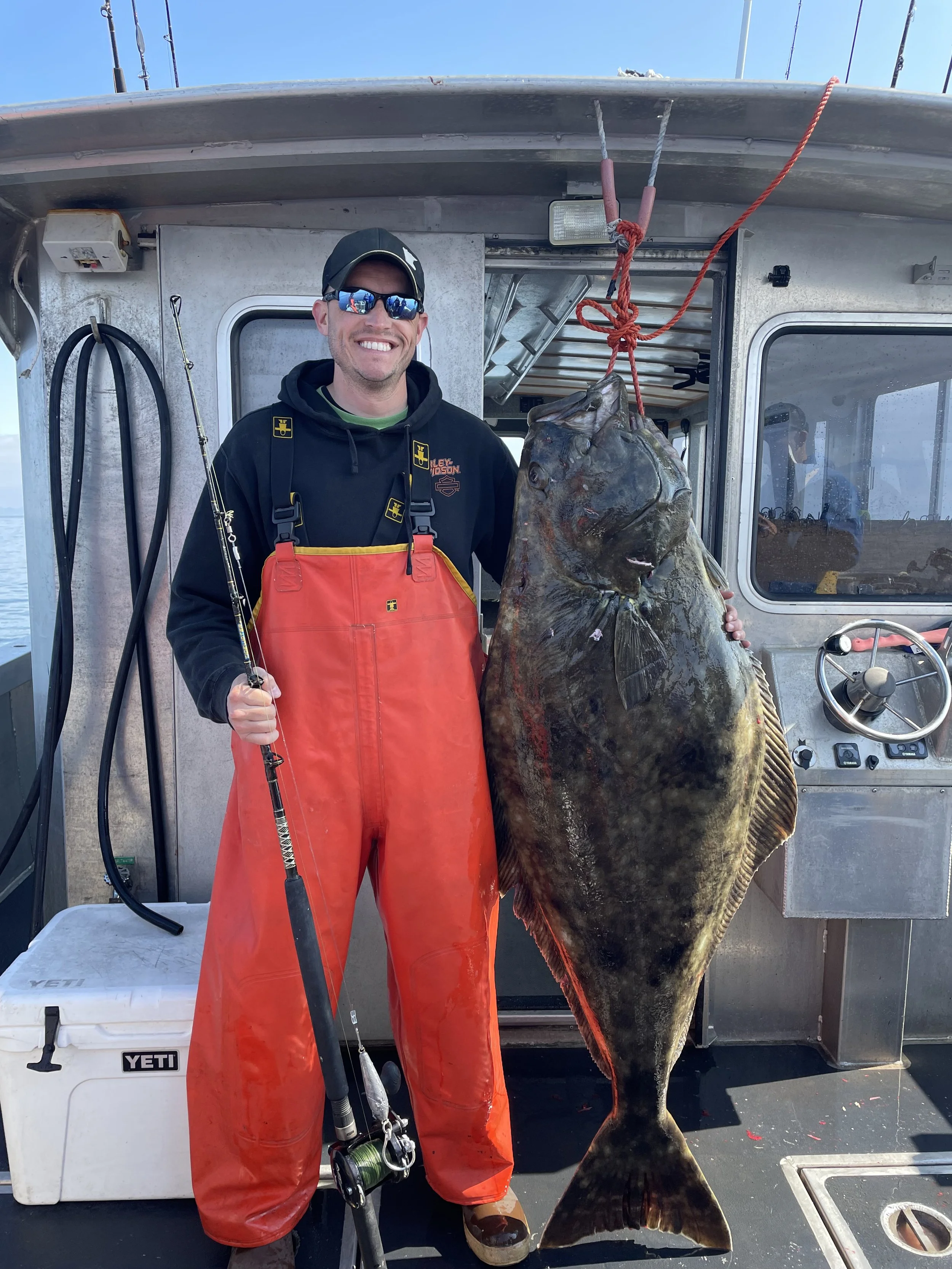
The Pacific Halibut is the undisputed heavyweight champion of the Alaska bottom-fish scene. These flatfish can grow to over 400 pounds, though "chickens" (halibut in the 15- to 30-pound range) are more common and generally preferred for their flavor. In 2026, halibut management continues to follow a strict regulatory framework. For guided anglers in Southeast (Area 2C) and Southcentral (Area 3A), there are often specific size limits, such as the "slot limit," which requires anglers to release fish within a certain size range to protect breeding females.
Chinook (King) Salmon
The Chinook is the largest of the salmon species and the most highly prized. Ocean-bright Kings are silver, powerful, and renowned for their fighting ability. Unlike other salmon that move quickly through the salt to reach their home rivers, "feeder" Kings can be found in Alaska’s coastal waters year-round. However, the primary run for "spawners" occurs from late May through July. Trolling with downriggers at depths of 30 to 120 feet is the standard method for locating these deep-water predators.
Coho (Silver) Salmon
Coho are the acrobats of the ocean. They are aggressive feeders, often found near the surface, making them ideal targets for light tackle or even fly fishing in saltwater bays. The Silver salmon season peaks later than the King season, typically from late July through September. Their tendency to school near "kelp lines" and points of land makes them more accessible to smaller boats than the deep-dwelling Halibut.
Lingcod and Rockfish
Lingcod are technically not cod but members of the greenling family. They are aggressive, ambush predators with mouths full of sharp teeth, often found around submerged rock pinnacles. Rockfish, including the vibrant Yelloweye (often called "Red Snapper" locally) and various "black" or "dusky" species, share this rocky habitat. Conservation is critical for these species; many rockfish can live for over 100 years, and because they suffer from barotrauma (internal damage from pressure changes), 2026 regulations strictly mandate the use of deep-water release mechanisms (descending devices) for any rockfish not being kept.
Regional Hubs: Where to Launch
Alaska is too vast to cover in a single trip. Most ocean fishing expeditions are centered around two primary geographical regions: the Southeast (Inside Passage) and Southcentral (Gulf of Alaska).
Southeast Alaska: The Inside Passage
The Southeast region, including cities like Ketchikan, Sitka, Juneau, and Petersburg, is characterized by thousands of islands that provide protection from the open swells of the Pacific.
- Sitka: Positioned on the outer coast of Baranof Island, Sitka offers immediate access to the open ocean, making it arguably the best destination for high-volume salmon and halibut combo trips.
- Ketchikan: Known as the "Salmon Capital of the World," it excels in Coho and Pink salmon numbers, with many productive fishing grounds located just minutes from the cruise ship docks.
- The Experience: Fishing here often involves navigating narrow channels and fjords where the scenery includes towering rainforests and tidewater glaciers.
Southcentral Alaska: The Kenai Peninsula and Beyond
This region is more accessible to those flying into Anchorage and renting a vehicle.
- Homer: Self-proclaimed as the "Halibut Capital of the World," Homer sits at the end of the Sterling Highway. The Homer Spit is the launching point for massive fleets heading into Kachemak Bay and Cook Inlet.
- Seward: Located on Resurrection Bay, Seward is a premier destination for "multi-species" charters. The waters outside the bay are famous for "Pony Cove" and "Chiswell Islands," where Silver salmon and Halibut are often caught in the same location.
- Valdez: Situated at the end of the Richardson Highway, Valdez offers deep-water access in Prince William Sound, shielded by high mountains, which often results in calmer seas than the open Gulf.
Essential Gear and Techniques for 2026
The technical demands of Alaska ocean fishing require specialized equipment capable of withstanding saltwater corrosion and the physical stress of large fish.
Trolling and Mooching for Salmon
- Trolling: This is the most common method for King salmon. It involves using downriggers to lower a lure or baited herring to a specific depth. Large "flashers" (reflective plastic plates) are used to create vibration and light, mimicking a school of baitfish.
- Mooching: A more active technique popular in Southeast Alaska. The boat is drifted or slowly motored while the angler drops a weighted herring to the bottom and retrieves it at various speeds. This method provides a more direct feel for the "hit" and is favored by those who prefer to hold the rod throughout the process.
Bottom Fishing for Halibut
Halibut fishing is often a test of endurance.
- Tackle: Anglers use heavy-duty, short "stand-up" rods paired with high-capacity conventional reels. Braided line (60- to 100-pound test) is essential because it has zero stretch, allowing the angler to feel a bite 300 feet below the surface.
- Bait: Large circle hooks are standard. They are designed to hook the fish in the corner of the mouth, which facilitates easier release if the fish is outside the legal size limit. Common baits include whole herring, octopus, or salmon heads.
- Jigging: For a more sporting approach, heavy lead-head jigs (8 to 24 ounces) with large "grub" tails can be highly effective, especially for Lingcod and larger Rockfish.
Logistics: Licenses, Regulations, and Processing
Navigating the legalities of Alaska fishing is as important as choosing the right lure. The Alaska Department of Fish and Game (ADF&G) manages the licensing process.
2026 Licensing Requirements
Every angler 16 years of age or older must possess a valid sport fishing license. For 2026, non-resident licenses are available in durations ranging from 1 day to a full season. If you are targeting King Salmon, you must also purchase a King Salmon Stamp. These can be purchased online or at most sporting goods stores in Alaska. It is your responsibility to have a physical or electronic copy of your license on your person at all times while fishing.
Understanding Bag Limits and Record Keeping
Bag limits (the number of fish you can keep per day) and possession limits (the total number of fish you can have in your freezer or cooler) vary significantly by area.
- The Logbook: If you are on a guided charter, your guide will record your harvest in a state-mandated logbook.
- Annual Limits: Some species, particularly King salmon and large Halibut, have annual limits. Your license will have a space on the back to record these catches immediately upon landing the fish.
Fish Processing: Getting Your Catch Home
One of the major draws of Alaska ocean fishing is the high-quality protein. Most coastal towns have professional fish processors.
- Filleting: Most charters will fillet your fish on the boat or at the dock.
- Processing: Professional facilities will vacuum-seal, flash-freeze, and box your fish in insulated airline-approved containers.
- Shipping: You can either check the fish as luggage on your flight (the most cost-effective method) or have it shipped via FedEx or Alaska Air Cargo. Note that shipping costs can sometimes exceed the cost of the charter itself, so budget accordingly.
Comparative Overview of Alaska Ocean Fishing Regions
The following table summarizes the key differences between the two primary saltwater fishing regions to help you decide which fits your goals for 2026.
| Feature | Southeast (e.g., Sitka, Ketchikan) | Southcentral (e.g., Homer, Seward) |
|---|---|---|
| Primary Water Type | Protected fjords, narrow channels | Open gulf, large bays, deep inlets |
| Main Salmon Targets | King (Chinook), Silver (Coho), Pink | Silver (Coho), King (Chinook) |
| Halibut Accessibility | High, often closer to shore | High, requires longer boat runs |
| Travel Logistics | Primarily accessible by air or ferry | Accessible by car from Anchorage |
| Best Time for Variety | July to August | June to August |
| Sea Conditions | Generally calmer (protected) | Can be rough (open ocean swells) |
| Unique Species | High density of Yelloweye Rockfish | High density of Lingcod (North Gulf) |
Safety and Environmental Considerations
The North Pacific is a powerful environment. Water temperatures rarely rise above 55°F (12°C), meaning hypothermia is a constant risk if you fall overboard.
- Coast Guard Regulations: Ensure any charter boat you board has a current U.S. Coast Guard safety sticker. This indicates the vessel has the required life rafts, EPIRBs (Emergency Position Indicating Radio Beacons), and life jackets.
- Seasickness: Even in protected waters, the "ground swell" can affect many people. If you are prone to motion sickness, consult a doctor about patches or medication before you leave the dock.
- Weather: In 2026, satellite weather tracking is highly accurate, but "micro-climates" mean a sunny day in town can be a gale at sea. Always dress in layers (the "Alaska tuxedo" consists of synthetic base layers, fleece, and high-quality waterproof raingear).
FAQs About Alaska Ocean Fishing
Do I need a guide for ocean fishing in Alaska?
While not legally required, a guide is highly recommended for first-time visitors. The ocean environment is dangerous for those unfamiliar with local tides (which can fluctuate over 20 feet), submerged rocks, and rapidly changing weather. Furthermore, guides provide all the heavy-duty tackle and know exactly where the fish are holding based on daily movements.
What is the "slot limit" for Halibut?
In 2026, the slot limit is a management tool used primarily for guided anglers to preserve the population. It typically means you can keep a halibut under a certain length (e.g., 40 inches) or over a certain length (e.g., 80 inches), but must release any fish in between. These specific measurements are adjusted annually by the International Pacific Halibut Commission.
Can I catch salmon and halibut on the same trip?
Yes, this is commonly referred to as a "combo trip." In many parts of Alaska, such as Seward or Sitka, the habitats for Silver salmon and Halibut overlap or are within a short boat ride of each other. Most full-day charters (8–10 hours) are designed to target multiple species.
What should I wear for a day of saltwater fishing?
The most important rule is: No cotton. Cotton stays wet and cold. Wear moisture-wicking synthetic or wool layers. You will need a completely waterproof outer shell (jacket and bibs). Rubber boots with non-marking soles, such as Xtratuf boots, are the industry standard for keeping feet dry and maintaining grip on a slippery deck.
When is the best month for "King" Salmon in the ocean?
June is generally the peak month for Chinook (King) salmon in Alaska's coastal waters. While they can be caught in May and July, the highest concentration of large, spawning-bound Kings typically occurs between June 1st and June 30th.
Are there sharks in Alaska's ocean waters?
Yes, anglers occasionally encounter Salmon Sharks and Spiny Dogfish. Salmon Sharks are cousins of the Great White and can be quite large, though they are rarely targeted. Dogfish are small sharks that are often considered a nuisance by halibut anglers as they frequently take bait intended for larger fish.
Final Recommendation for Anglers
If you are planning your first trip for 2026, start by defining your priority. If you want the absolute best chance at a massive Halibut and don't mind a longer boat ride, book a charter out of Homer. If you prefer the variety of catching salmon against a backdrop of mountainous islands and want calmer waters, focus on Sitka or Ketchikan. Regardless of the destination, book your charter and lodging at least 6 to 9 months in advance, as the premier Alaska ocean fishing windows are short and highly sought after.