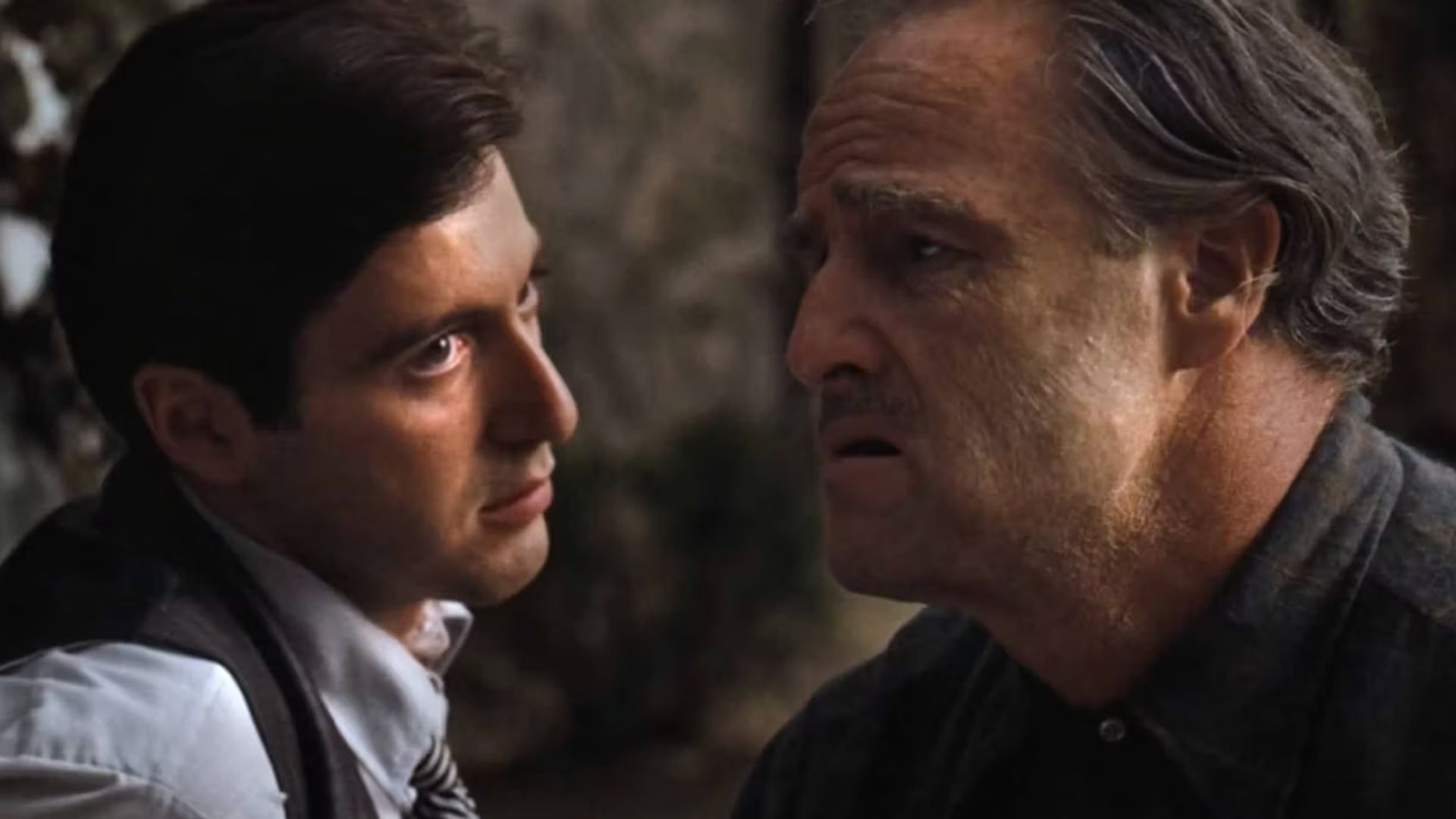
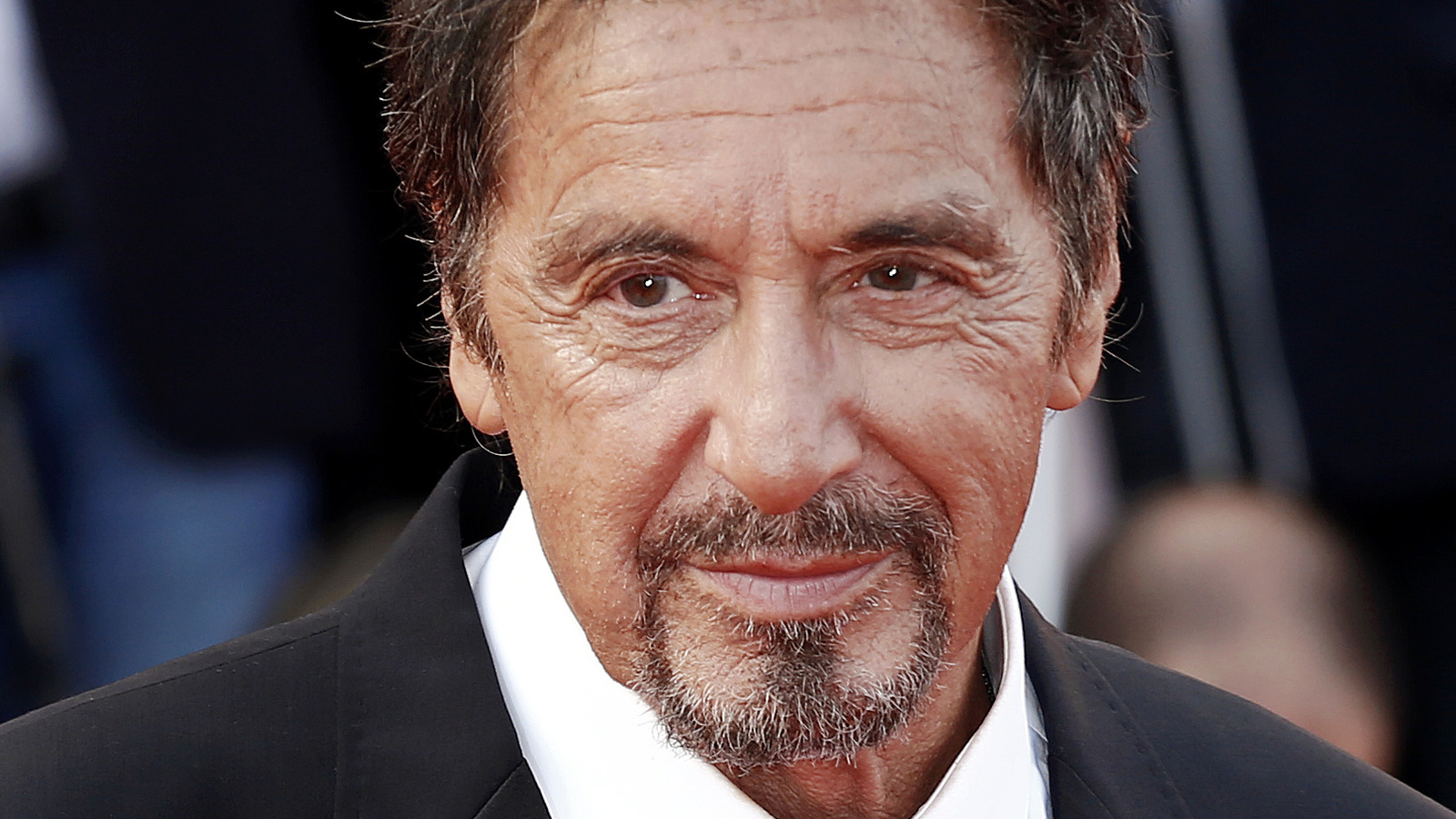
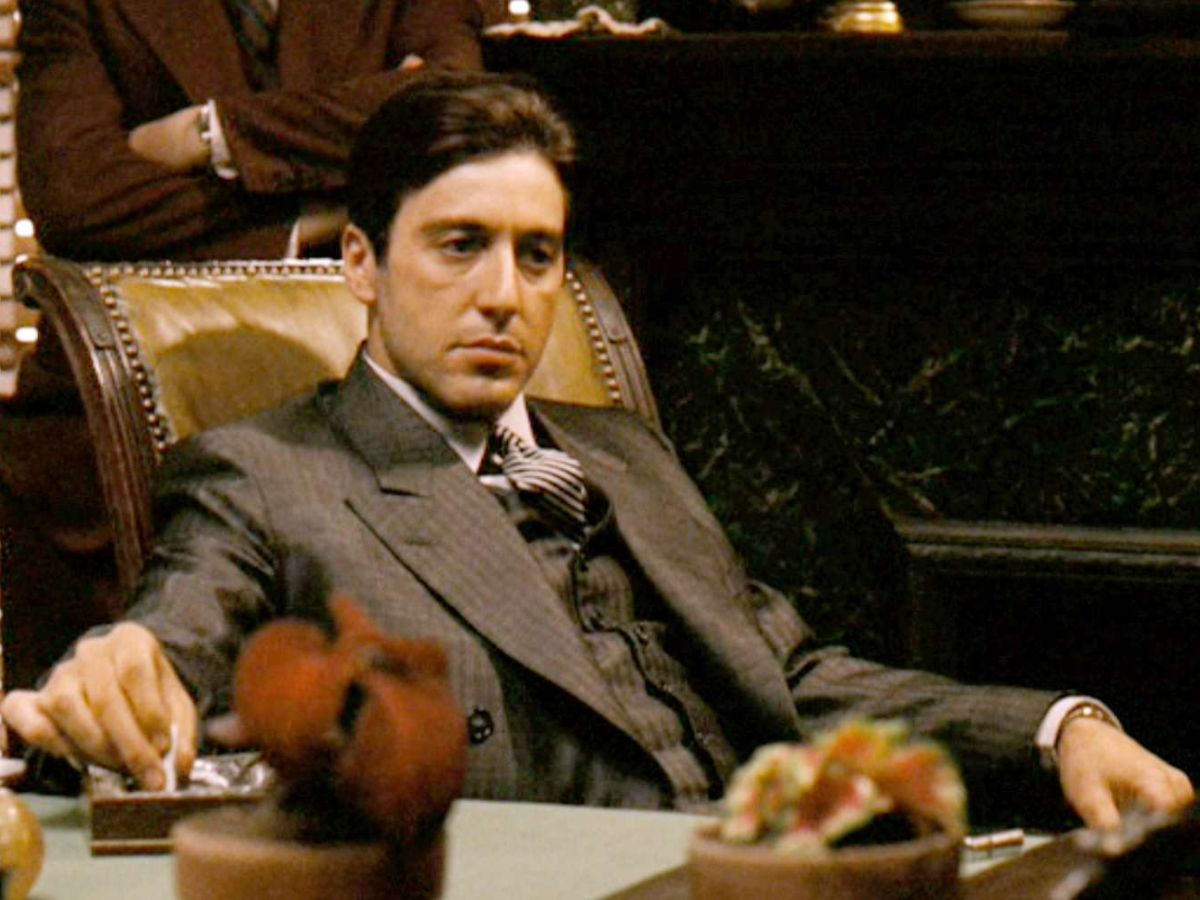
Al Pacino was 31 years old during the primary filming of The Godfather in 1971, turning 32 just before the film's release in March 1972. While Pacino’s real-world age reflected that of a young man in his early thirties, his character, Michael Corleone, undergoes a rigorous narrative aging process that spans from his time as a decorated war hero to his eventual transition into the head of the Corleone crime family.
Understanding the Discrepancy Between Actor and Character
To appreciate the casting of Al Pacino as Michael Corleone, one must first distinguish between the actor’s biological age and the character’s scripted timeline. When Francis Ford Coppola began production on The Godfather in 1971, Pacino was born on April 25, 1940, placing him squarely in his early thirties. However, the film requires the character of Michael to appear significantly younger during the opening sequence—specifically, during the wedding of his sister, Connie Corleone.
In the original Mario Puzo novel and the subsequent screenplay, Michael is established as the youngest son of Vito Corleone, a recent veteran of the United States Marine Corps who has just returned from World War II. At the time of the wedding, which takes place in the summer of 1945, Michael would have been approximately 25 years old. The casting of a 31-year-old actor to play a 25-year-old was a deliberate stylistic choice by the production team to emphasize the character’s innocence and relative detachment from the “family business” before his inevitable descent into corruption.
The Production Timeline and Chronological Challenges
Filming for The Godfather took place between March 29, 1971, and August 6, 1971. Because Pacino was already past the age of his character throughout the entire duration of the shoot, the film relied heavily on cinematography, costume design, and makeup to bridge the gap.
Cinematographer Gordon Willis employed specific lighting techniques that favored soft, shadowed aesthetics to conceal the subtle markers of age on the cast. Simultaneously, the costume department outfitted Pacino in youthful, conservative cuts—the iconic military uniform and later, clean-cut, collegiate-style suits—to visually reinforce the perception of a younger man. By the time the film reaches its conclusion, which is set in 1955, the character of Michael is roughly 35 years old. Through these subtle adjustments, Pacino’s own aging process during production became an asset, reflecting the hardening of Michael’s features as he matures from an idealistic veteran into a ruthless Don.
Character Evolution: Michael Corleone’s Age Progression
The arc of Michael Corleone is defined by the rapid accumulation of responsibility. The script effectively utilizes the passage of time to demonstrate his transformation. We can categorize this progression into distinct phases of his life during the events of the first film:
- The Outsider (1945): Michael enters the story as a 25-year-old war hero. He is physically distanced from the criminal enterprise, signified by his civilian clothing and his desire to follow a path separate from his father’s.
- The Catalyst (1946–1947): Following the attempted assassination of his father, Vito, Michael enters the conflict at age 26. He takes his first life in the Bronx, an act that irrevocably changes his trajectory.
- The Exile (1947–1950): Michael spends years in Sicily. During this time, the narrative ages him into his late twenties. He marries Apollonia and experiences the harsh reality of blood feuds, shedding his previous identity as a "legitimate" civilian.
- The Heir (1950–1954): Returning to New York, Michael is now in his early thirties. He begins to integrate himself into the family’s management, assuming a position of authority that contradicts his initial refusal to join the family.
- The Don (1955): By the film's final act, Michael is 35. He is fully realized as the new Godfather, having consolidated his power and eliminated all rivals.
Casting Controversies and the Search for Youth
The decision to cast Pacino was not an easy one for the studio. Executives at Paramount Pictures were famously skeptical of Coppola’s choice. They initially pushed for more recognizable, younger-looking stars who might have fit the "young war hero" archetype more traditionally.
However, Coppola insisted on Pacino precisely because of his unique, intense screen presence. Coppola argued that Pacino possessed the exact quality of "contained violence" required for Michael’s later development. Had they cast a younger, more overtly energetic actor, the tragedy of Michael’s moral decline might have lacked the gravity necessary to sustain the film’s three-hour runtime. Pacino’s ability to remain stoic allowed the audience to project their own expectations onto him, making his eventual shift into cold-blooded leadership feel earned and inevitable rather than rushed.
Comparative Age Analysis of the Corleone Family
To visualize how Michael’s age compares to the other key figures in the story, we must look at the historical context provided in the source material. While the film spans a decade, the ages of the other siblings help establish the power dynamics within the family hierarchy.
| Character | Role | Estimated Age in 1945 | Note on Casting |
|---|---|---|---|
| Vito Corleone | The Godfather | 53 | Marlon Brando (47 at time of filming) |
| Sonny Corleone | Eldest Son | 29 | James Caan (31 at time of filming) |
| Fredo Corleone | Middle Son | 27 | John Cazale (35 at time of filming) |
| Michael Corleone | Youngest Son | 25 | Al Pacino (31 at time of filming) |
| Connie Corleone | Daughter | 20 | Talia Shire (25 at time of filming) |
Note: The ages provided are based on character timelines established in the novel and script, while actor ages are based on birth dates relative to the 1971 filming period.
The Technical Significance of Age in Cinematic Storytelling
The deliberate use of age in The Godfather serves a structural purpose. By having an actor who was slightly older than the character he portrayed, the production benefited from a sense of gravitas. If Michael had truly been a 25-year-old in every scene, his sudden ascent to power might have appeared like a youthful impulse. Because Pacino brought the maturity of his early thirties to the role, the audience perceives Michael’s decisions as calculated, strategic, and profoundly heavy.
The transition from the 1945 scenes to the 1955 scenes is marked by a shift in Michael’s demeanor. This is often attributed to Pacino’s performance, where he intentionally narrowed his vocal range and softened his body language in the early scenes to appear less imposing. As the film progresses, his movements become sharper and his voice more measured, reflecting the aging of a man who has traded his youth for total control.
Common Questions Regarding Michael Corleone’s Timeline
1. Was Al Pacino actually too old to play Michael in the opening wedding scene? While he was older than the character, he was not considered "too old" by the standards of period dramas. The casting was praised because it avoided the "juvenile" look often associated with actors in their early twenties, allowing the character to appear like a man capable of carrying the burden of the family legacy.
2. How did the makeup department influence Michael’s apparent age? Makeup was used primarily for consistency rather than radical change. Because the film spanned ten years, subtle changes in hairstyle and the deepening of shadows in his face allowed the character to age gracefully without the use of distracting prosthetic effects that might have broken the realism of the 1970s aesthetic.
3. Does the age of Michael Corleone change between The Godfather and Part II? Yes. The Godfather Part II operates on dual timelines. The "young" Michael scenes in the early 1960s continue to see him in his late thirties and early forties, while the flashback sequences focusing on a young Vito Corleone provide a stark contrast to Michael’s established, aging presence as the Don.
4. Why did the studio want a different actor for Michael? Paramount executives wanted a "star" with more name recognition at the time. They felt Pacino was too short and lacked the traditional leading-man aesthetic. Coppola’s persistence in casting Pacino was rooted in the actor’s ability to convey complex internal turmoil, which became the emotional anchor of the entire trilogy.
Practical Implications for Viewers Today
When watching The Godfather in 2026, it is helpful to pay attention to how Pacino’s performance relies on subtle cues rather than dramatic makeup to indicate the passage of time. Notice the change in his suits, his choice of eyewear, and the way he holds a cigarette. These elements, combined with the deliberate way he carries himself, serve as the primary indicators of his age.
If you are analyzing the film for educational or creative purposes, consider how modern digital de-aging technology might have changed the perception of this performance. Without such technology, Pacino had to rely on raw acting ability to convey a decade of life experience. His performance remains a masterclass in using physicality to represent the evolution of a character’s soul, rather than just their birth year.
Next Steps for Further Research
If you are interested in the production history of The Godfather, there are several resources that offer deeper insights into the casting and chronological planning of the film. Accessing the original screenplay or studying the archived memos from the 1971 production provides a clear window into how the creative team handled the complexities of time and character age. For those studying film history, compare Pacino’s performance in the first film to his portrayal in the subsequent sequels to observe how he allowed his own natural aging process to further inform the character of an increasingly isolated and weary Don.