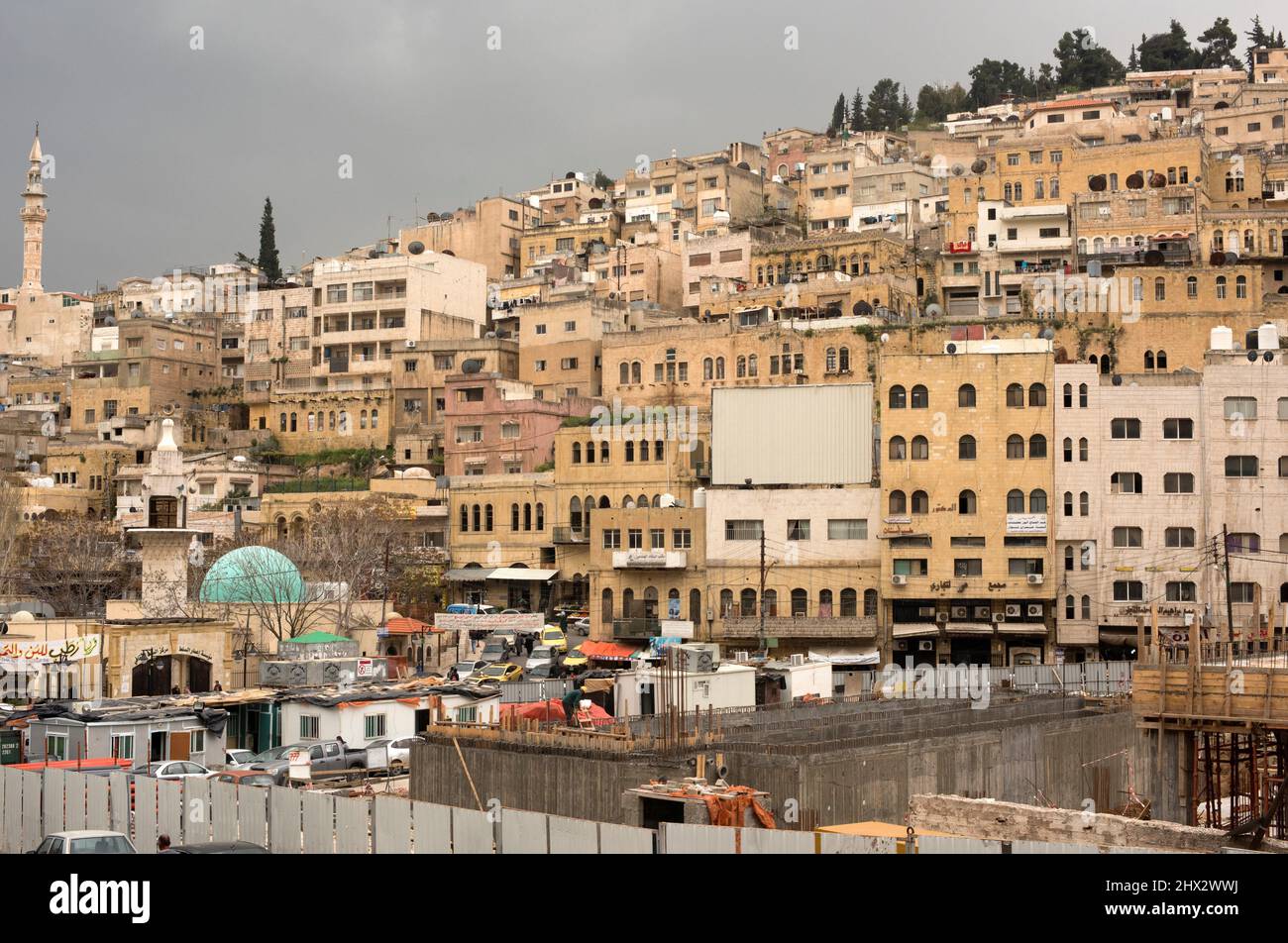
Al Balqa is a central governorate in the Hashemite Kingdom of Jordan, located northwest of the capital city of Amman. Celebrated for its dramatic topographical variations—ranging from high pine-covered mountains to the sub-sea-level depths of the Jordan Valley—Al Balqa plays a crucial role in Jordan's agricultural output, cultural heritage, and academic development. Its capital, As-Salt, is renowned for its UNESCO World Heritage architectural landscape and historic interfaith harmony.
Overview and Geographical Significance of Al Balqa
Al Balqa Governorate occupies a strategic geographical position in west-central Jordan. Bordering Amman to the east, Zarqa to the northeast, Jerash and Ajloun to the north, Madaba to the south, and the Jordan River and Dead Sea to the west, Balqa serves as a natural bridge between the elevated central plateau and the low-lying Rift Valley.
The governorate’s landscape is defined by extreme elevation changes within a relatively short distance. The high plateau around As-Salt reaches elevations exceeding 800 meters above sea level, enjoying a Mediterranean climate with cool, wet winters and mild summers. Moving westward toward the Jordan Valley (known locally as the Ghor), the terrain descends rapidly to below sea level, creating a sub-tropical microclimate.
This drastic variation in altitude gives Al Balqa a dual ecological identity. The highlands host oak and pine forests, olive orchards, and vineyards, while the Jordan Valley basin functions as Jordan's primary agricultural basket, yielding winter vegetables, citrus fruits, and bananas year-round.
- Central Jordan Plateau: As-Salt / Fuheis (~800m - 1,100m)
- Steep Mountain Slopes & Wadis
- Jordan Rift Valley / Ghor: Deir Alla / South Shuna (< 0m)
Historical Context: From Antiquity to the Ottoman Golden Age
The historical roots of Al Balqa extend deep into antiquity. The region has been inhabited continuously since the Bronze Age, owing to its fertile soil, reliable natural springs, and defensible mountain vantage points. During the Roman and Byzantine periods, the area flourished under the influence of the Decapolis cities, serving as a vital trade conduit between Syria, Palestine, and the Arabian Peninsula.
The region reached a significant administrative peak during the late Ottoman period (19th century). As-Salt became the regional administrative center of the Transjordan region. Merchants from Damascus, Nablus, and Nazareth settled in As-Salt, bringing distinct architectural techniques and urban trading traditions. During this golden era, civic institutions, merchant mansions, and public spaces were constructed using local yellow limestone, establishing a unique architectural vernacular that survives today.
Prior to the designation of Amman as the capital of the Emirate of Transjordan in the 1920s, As-Salt was the primary urban center in the region. The legacy of this period remains embedded in Balqa’s civic identity, visible in its historic administrative buildings, public plazas, and multi-generational merchant families.
Administrative Divisions and Key Municipalities
Al Balqa Governorate is divided into several administrative districts (Liwas), each presenting distinct economic, geographical, and cultural attributes.
1. As-Salt District (Qasabat As-Salt)
As the administrative center of the governorate, As-Salt is built across several steep hills (gibals), including Jabal al-Qal'a, Jabal al-Jada'a, and Jabal al-Qada'a. The city is famous for its narrow stairways (adraj), yellow limestone merchant houses, and shared communal spaces where Muslim and Christian communities have lived side-by-side for centuries.
2. Fuheis
Located just southeast of As-Salt, Fuheis is a town celebrated for its preserved heritage, traditional olive oil production, and vibrant cultural calendar. With a predominantly Christian population, Fuheis maintains an active artistic scene, hosting annual cultural festivals and preserving historic stone architecture alongside modern residential developments.
3. Mahis
Situated adjacent to Fuheis, Mahis is known for its natural springs, agricultural orchards, and historical religious sites, including the shrine of the Holy Companion Sho'ayb (Jethro). Its proximity to Amman makes it a popular residential and agricultural retreat.
4. Deir Alla District
Located in the northern Jordan Valley portion of Balqa, Deir Alla is an agricultural powerhouse. Beyond farming, it is an essential archaeological site. Excavations at Tell Deir Alla uncovered the famous Balaam Inscription written in an ancient Aramaic script, offering critical insights into Bronze Age and Iron Age Levant history.
5. Shunah al-Janubiyya (South Shuna)
Positioned in the southern Jordan Valley near the northern tip of the Dead Sea, South Shuna serves as a key agricultural zone and border corridor. It houses the King Hussein (Allenby) Bridge crossing and sits adjacent to major baptismal historical sites along the Jordan River.
UNESCO World Heritage: As-Salt as a Place of Tolerance and Urban Hospitality
In July 2021, UNESCO officially inscribed "As-Salt - Place of Tolerance and Urban Hospitality" onto the World Heritage List. The designation recognizes the city's outstanding universal value derived from its late Ottoman architectural heritage and its historic socio-cultural dynamics.
Key Pillars of As-Salt's UNESCO World Heritage Status:
- Architectural Synthesis (Ottoman + Levantine Styles)
- Urban Design (Stairways, Public Spaces & Courtyards)
- Social Harmony (Interfaith Living & Shared Traditions)
- Hospitality Network (Traditional Madafeh Guest Houses)
The architectural character of historic As-Salt is defined by two-story yellow limestone structures featuring vaulted ceilings, arched windows (muqarnas details and triple-arched facades), and internal courtyards. Unlike many historic cities that segregated residential quarters by religious affiliation, As-Salt developed an integrated urban grid where Christian and Muslim families built homes alongside one another, sharing communal staircases, public markets (souqs), and civic spaces.
This tradition of urban hospitality is exemplified by the local Madafeh system—traditional guest houses maintained by local families to welcome travelers, negotiate civic matters, and host communal events regardless of religious background.
Educational and Economic Importance
Al Balqa plays a critical role in Jordan's higher education system and national agricultural economy.
Higher Education: Al-Balqa Applied University
Established in 1997, Al-Balqa Applied University (BAU) is a premier public educational institution headquartered in As-Salt. BAU specializes in applied sciences, technical education, and engineering. The university oversees a network of technical colleges across the kingdom, serving as the primary driver of technical and vocational education and training (TVET) in Jordan.
Agriculture and Water Resources
The low-lying districts of Balqa within the Jordan Valley are vital to national food security. Through irrigation systems supplied by the King Abdullah Canal and regional dams (such as the King Talal Dam and Wadi Sho'ayb Dam), farmers in Balqa cultivate:
- Highland Areas: Olives, figs, grapes, pomegranates, and almonds.
- Valley Areas (Ghor): Tomatoes, cucumbers, peppers, citrus fruits (oranges and lemons), dates, and bananas.
Commerce and Local Craft
The governorate supports thriving traditional crafts, including ceramics, embroidery, food processing (such as traditional jameed and olive oil pressing), and eco-tourism enterprises that leverage the area's hiking trails and heritage sites.
Tourism, Culture, and Notable Destinations
Visitors to Al Balqa experience a diverse array of historic, natural, and cultural attractions.
| Region / City | Key Features | Primary Economic / Visitor Focus |
|---|---|---|
| As-Salt City Center | UNESCO Heritage yellow-stone architecture, historic souqs | Cultural tourism, history, public administration, education |
| Fuheis | Olive groves, traditional stone homes, festive cultural events | Cultural heritage, arts, local cuisine, olive oil production |
| Deir Alla | Sub-tropical rift valley, Tell Deir Alla archaeological site | Intensive irrigated agriculture, archaeology research |
| South Shuna | Proximity to Jordan River and Dead Sea coast, warm climate | Agriculture, border logistics, winter thermal tourism |
| Wadi Shu'ayb | Winding valley, fresh springs, Prophet Sho'ayb shrine | Nature walks, religious shrines, agricultural transit |
The Harmony Trail in As-Salt
The Harmony Trail is a curated walking route through historic As-Salt. The trail takes visitors past key landmarks demonstrating the city's interfaith heritage:
- Al-Ain Plaza: The historic central gathering market and public square.
- The Historic Church of Al-Khader (St. George): A sacred site frequented by both Christians and Muslims seeking blessings.
- The Small Mosque (Al-Masjid Al-Sagheer): The oldest standing mosque in the heart of the historic downtown core.
- Abu Jaber Mansion (Historic Old Salt Museum): A restored late-19th-century merchant house showcasing the golden age of Salti architecture and history.
Archaeological and Sacred Sites
- Wadi Shu'ayb: A scenic valley connecting the highlands of Salt to the Jordan Valley. It contains the Shrine of Prophet Shu'ayb (Jethro), an important pilgrimage destination.
- Al-Maghtas (Baptism Site) Proximity: While administratively adjacent to neighboring southern sectors, the southern border of Balqa connects directly to the historical baptismal region along the Jordan River.
- Tell Deir Alla: An ancient mound offering valuable archaeological evidence of Bronze Age textile production, pottery, and West Semitic epigraphy.
Practical Guide for Visiting and Living in Al Balqa
Transportation and Accessibility
Al Balqa is exceptionally accessible from Jordan's capital city, Amman:
- By Car: As-Salt is located approximately 28 kilometers (17 miles) northwest of downtown Amman, a drive of 30 to 45 minutes via the As-Salt Highway (Route 60).
- Public Transport: Frequent public minibuses run between Amman’s North Bus Station (Tabarbour) or Sweileh Bus Station and As-Salt’s main transit hub.
- Inter-City Connectivity: Route 65 (the Jordan Valley Highway) runs north-south through Balqa’s valley district, linking it directly to the Dead Sea resort zone and northern agricultural towns.
Climate and Best Time to Visit
Because Al Balqa spans two distinct climatic zones, the ideal visiting time depends on the specific destination within the governorate:
- Highlands (As-Salt & Fuheis): Best visited from March to June and September to November. Spring brings lush green landscapes and wildflower blooms across the hills. Summers are pleasant compared to lower-elevation regions.
- Jordan Valley (Deir Alla & South Shuna): Best visited during winter (November to February), when temperatures range between 20°C and 25°C (68°F–77°F), offering warm refuge from colder mountain elevations.
Cultural Etiquette and Local Customs
- Dress Code: Modest attire is appreciated, particularly when visiting historic religious sites, mosques, and traditional residential neighborhoods.
- Hospitality: Local customs place heavy emphasis on welcoming guests. It is customary to accept tea or Arabic coffee when offered by shopkeepers or local hosts.
- Navigation: As-Salt's downtown consists of steep staircases. Comfortable walking shoes are essential for exploring the historic urban core.
Key Takeaways and Practical Recommendations
- Prioritize As-Salt’s Heritage Core: For culture and history enthusiasts, spend a full day walking the Harmony Trail, starting at Al-Ain Plaza and visiting the Abu Jaber Mansion Museum.
- Explore Microclimate Diversity: Combine a morning visit to the high cooler hills of As-Salt or Fuheis with an afternoon descent into the agricultural valleys of Wadi Shu'ayb or South Shuna.
- Engage Local Guides: Utilize accredited local city guides in As-Salt to gain deep access to family-run guest houses, artisan workshops, and non-touristic architectural alleys.
- Sample Local Culinary Specialties: Try traditional Salti Mansaf or regional olive oils and seasonal fruits sourced directly from local roadside stalls in Fuheis and the Jordan Valley.
Frequently Asked Questions
What is Al Balqa in Jordan famous for?
Al Balqa is famous for its administrative capital, As-Salt—a UNESCO World Heritage site known for its late Ottoman yellow limestone architecture and interfaith harmony. It is also renowned for housing Al-Balqa Applied University, rich agricultural production in the Jordan Valley, and historic towns like Fuheis.
How far is As-Salt (Balqa) from Amman?
As-Salt is located approximately 28 kilometers (17 miles) northwest of Amman. The drive typically takes between 30 to 45 minutes by car or public minibus, depending on traffic conditions in Amman and Sweileh.
Why was As-Salt designated as a UNESCO World Heritage Site?
UNESCO designated As-Salt in 2021 under the title "As-Salt - Place of Tolerance and Urban Hospitality." The designation highlights its unique late Ottoman architectural synthesis, innovative urban planning on steep terrain, and centuries-old traditions of interfaith co-existence and social hospitality.
What is the climate like across Balqa Governorate?
Balqa features two distinct microclimates due to steep elevation changes. The highland area around As-Salt and Fuheis enjoys a Mediterranean climate with cool, wet winters and mild summers. The low-lying Jordan Valley areas (Deir Alla, South Shuna) feature a warm, sub-tropical climate with very mild winters and hot summers.
What administrative districts make up Al Balqa?
Al Balqa Governorate includes several major administrative districts (Liwas), including the As-Salt District (Qasabat As-Salt), Fuheis, Mahis, Deir Alla, Ain Al-Basha, and Shunah al-Janubiyya (South Shuna).