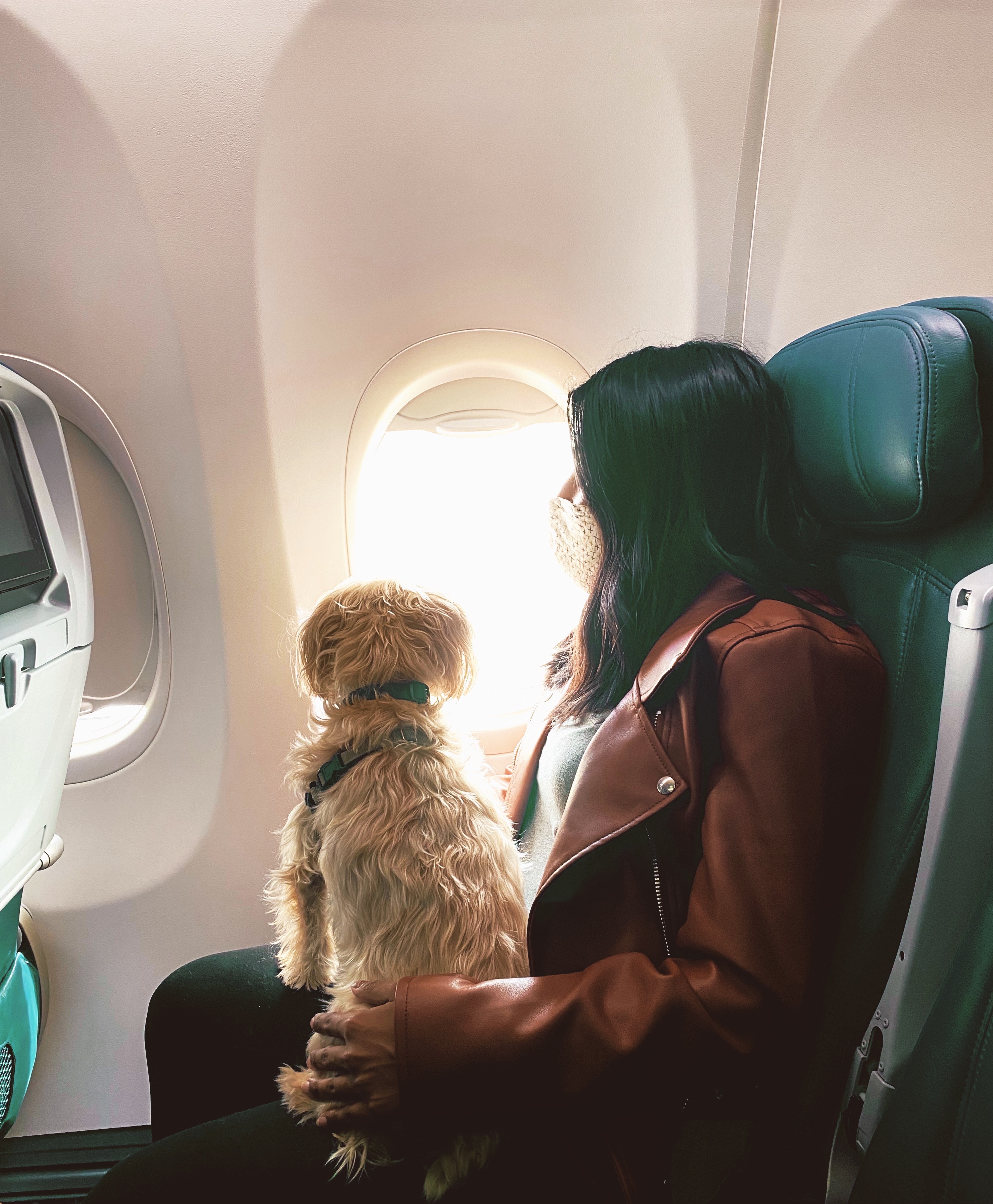
Successful airplane travel with pets requires early planning, adhering to strict airline-specific carrier dimensions, and securing valid health certifications. Most airlines allow small dogs and cats in the cabin for a fee, while larger animals must travel in climate-controlled cargo holds under specific IATA safety standards. Preparation should begin at least six months before departure for international routes.
The Essential Landscape of Pet Air Travel
Navigating the complexities of airplane travel with pets has become more streamlined in 2026 due to standardized digital health records, yet the physical and logistical requirements remain rigorous. Whether you are moving across the country or taking a short vacation, your pet's safety and comfort depend on your understanding of three primary transport methods: in-cabin, checked baggage, and manifest cargo.
In-cabin travel is generally reserved for small dogs and cats that can fit comfortably in a carrier under the seat in front of you. Checked baggage involves the pet traveling in a pressurized, climate-controlled compartment of the same plane you are on. Manifest cargo is often used for very large animals or unaccompanied pets, handled through the airline’s cargo division. Each method carries distinct costs, risks, and documentation requirements that must be reconciled with the specific regulations of your destination.
Pre-Flight Medical Requirements and Documentation
The foundation of any journey with a pet is the Veterinary Export Health Certificate. As of 2026, most major airlines and international jurisdictions require this document to be issued within 10 days of travel, though some countries require a much longer lead time for blood titer tests.
Vaccinations and Microchipping
Your pet must be microchipped with an ISO-compliant (11784/11785) 15-digit microchip. This is the global standard and is mandatory for nearly all international travel. Following the microchip, the rabies vaccination is the most critical medical milestone. Many "rabies-free" destinations (such as Hawaii, Japan, or the UK) require a Rabies Neutralizing Antibody Titer (RNATT) test to ensure the vaccine is effective. This process can take three to six months to complete, so beginning your medical checks early is non-negotiable.
Digital Health Passports
By 2026, many frequent travelers utilize digital pet health portals that sync with airline booking systems. These platforms allow you to upload your vet’s digital signature and vaccination records, which are then verified by the airline's ground staff before you even arrive at the airport. This reduces the friction at check-in but does not replace the need for physical copies of all documents, which should be kept in a waterproof folder attached to the pet's carrier.
Selecting and Preparing the Right Travel Carrier
The carrier is your pet's "safe space" during the flight. Choosing one that does not meet airline specifications can result in a denied boarding at the gate.
In-Cabin Carriers
For pets traveling in the cabin, the carrier must be leak-proof and well-ventilated on at least three sides. Most airlines prefer soft-sided carriers because they are slightly compressible, allowing them to fit under various seat configurations. The dimensions typically hover around 18 x 11 x 11 inches, but these vary by aircraft type (e.g., a Boeing 737 may have different under-seat clearances than an Airbus A321). The pet must be able to stand up, turn around, and lie down in a natural position.
Cargo Crates (IATA Live Animal Regulations)
If your pet is traveling in the cargo hold, the crate must be a hard-shell container (plastic or metal) that meets IATA Container Requirement 1 (CR1). These crates must use metal nuts and bolts to secure the top and bottom halves—plastic clips are generally prohibited for air travel. The door must be made of metal and have a secure locking mechanism that the pet cannot manipulate.
Pro-tip: In 2026, many high-end cargo crates now come with integrated GPS or Bluetooth tracking pockets. While you may not have cellular reception at 35,000 feet, these trackers provide peace of mind during loading and unloading sequences at the tarmac.
Understanding Airline Fees and Restrictions
Airplane travel with pets is rarely inexpensive. Fees vary significantly based on the airline, the distance, and the weight of the animal.
| Service Type | Average Cost (Domestic) | Average Cost (International) | Weight/Size Limits |
|---|---|---|---|
| In-Cabin Pet | $100 – $150 | $200 – $400 | Usually < 20 lbs (including carrier) |
| Checked Baggage | $200 – $400 | $400 – $800 | Based on crate size and total weight |
| Manifest Cargo | $500 – $1,500+ | $1,000 – $3,500+ | Unlimited (subject to aircraft capacity) |
| Service Animals | $0 | $0 | Must meet DOT/ADA requirements |
Breed Restrictions and Safety
Safety remains the priority for airlines, leading to strict "blackout dates" and breed restrictions. Brachycephalic (snub-nosed) breeds, such as Bulldogs, Pugs, and Persian cats, are frequently banned from cargo holds. These animals have shortened airways that can collapse under the stress of high-altitude travel or extreme temperatures. Furthermore, most airlines will not fly pets in the cargo hold if the ground temperature at the origin or destination is expected to be below 45°F (7°C) or above 85°F (29°C).
The Psychology of Travel: Crate Training and Sedation
The most common mistake owners make is introducing the pet to the carrier on the day of the flight. This leads to high cortisol levels and physical distress.
The Desensitization Process
Experts recommend a minimum of four to eight weeks of crate training. Start by placing the pet’s food inside the crate with the door open. Gradually progress to closing the door during mealtime, and eventually, have the pet sleep in the crate overnight. The goal is for the pet to view the carrier as a sanctuary rather than a cage.
The Danger of Sedation
The American Veterinary Medical Association (AVMA) and most major airlines strongly discourage or outright ban the use of tranquilizers or sedatives for pets in flight. At high altitudes, sedatives can affect a pet's ability to regulate their body temperature and maintain equilibrium, significantly increasing the risk of respiratory failure. Instead, consider natural pheromone sprays (like Feliway for cats or Adaptil for dogs) or consult your vet about non-drowsy anti-anxiety medications if your pet is particularly high-stress.
Navigating the Airport and Security
On the day of your flight, arrive at the airport at least three hours early. Pet check-ins cannot be handled at self-service kiosks and require a manual review of your documentation by a gate agent.
TSA Screening Procedures
When passing through security with an in-cabin pet, you will be required to remove the pet from the carrier. The carrier goes through the X-ray machine, while you walk through the metal detector carrying your pet. If your pet is prone to bolting, ensure they are wearing a non-metal harness and leash so you can maintain control during this process. Do not put the pet through the X-ray machine.
Pet Relief Areas
In 2026, nearly all major international airports are equipped with post-security Pet Relief Areas (SARAs). These are small indoor rooms with synthetic grass, hydration stations, and waste disposal systems. Plan your route to identify these locations during layovers to ensure your pet can relieve themselves without you having to exit and re-enter security.
Common Mistakes to Avoid
- Feeding too close to departure: Feed your pet a light meal no later than six hours before the flight to prevent motion sickness. Offer water up until the time of boarding.
- Incomplete paperwork: A single missing signature on a health certificate can lead to your pet being quarantined or sent back to the origin country at your expense.
- Ignoring the "One Pet Per Person" rule: Most airlines limit the number of in-cabin pets per passenger to one. If you have two cats, you will likely need a second human traveler or one cat must go in cargo.
- Improper Labeling: For cargo travel, the crate must be clearly labeled with "LIVE ANIMAL" stickers, your contact information, and a secondary contact at your destination.
Frequently Asked Questions
Can I fly with my pet as an Emotional Support Animal (ESA)?
As of 2026, most airlines follow the updated Department of Transportation (DOT) guidelines which no longer recognize ESAs as service animals. This means ESAs are treated as standard pets and must adhere to the same fees and carrier requirements. Only specifically trained Service Animals (usually dogs) that perform tasks for individuals with disabilities are permitted to fly in the cabin free of charge and without a carrier.
What happens if my flight is delayed or canceled?
If you are traveling with a pet in the cabin, you are responsible for their care during delays. If your pet is in the cargo hold and a significant delay occurs, airlines are required to "ramp" the animal (bring them to a climate-controlled holding area) and provide water. In the event of an overnight delay, many airlines work with local kennels to board the animal safely.
Are there specific rules for "Power Breeds"?
Yes. Certain breeds (such as Pit Bull Terriers, Mastiffs, or Rottweilers) may require reinforced crates made of heavy-duty aluminum or wood rather than standard plastic. These crates are designed to prevent the animal from chewing through the enclosure in a state of panic. Check with your airline's cargo department for "dangerous dog" crate specifications.
Do I need to buy a seat for my pet?
No, in-cabin pets typically do not require their own seat; they occupy the space under the seat in front of you. However, some airlines now offer "Pet-on-Seat" options for an additional fee, allowing you to secure the carrier to the adjacent seat using a specialized seatbelt attachment, though this is subject to availability and specific aircraft configurations.
How do I manage my pet's hydration during long-haul flights?
For cargo travel, attach two water bowls to the inside of the crate door. A common trick is to freeze the water in the bowls before heading to the airport. This prevents the water from splashing out during loading but allows it to melt gradually, providing a steady supply of hydration during the flight.
Final Recommendations for a Smooth Journey
The key to airplane travel with pets is redundancy and preparation. Always carry a physical "Pet Travel Kit" containing a spare leash, a small amount of food, a collapsible water bowl, and a copy of all medical records. Verify your airline’s pet policy exactly 48 hours before departure, as equipment changes (switching to a smaller plane) can sometimes impact pet availability in the cabin. By treating the logistics with the same importance as your own travel documents, you ensure a safe and low-stress transition for your animal companion.