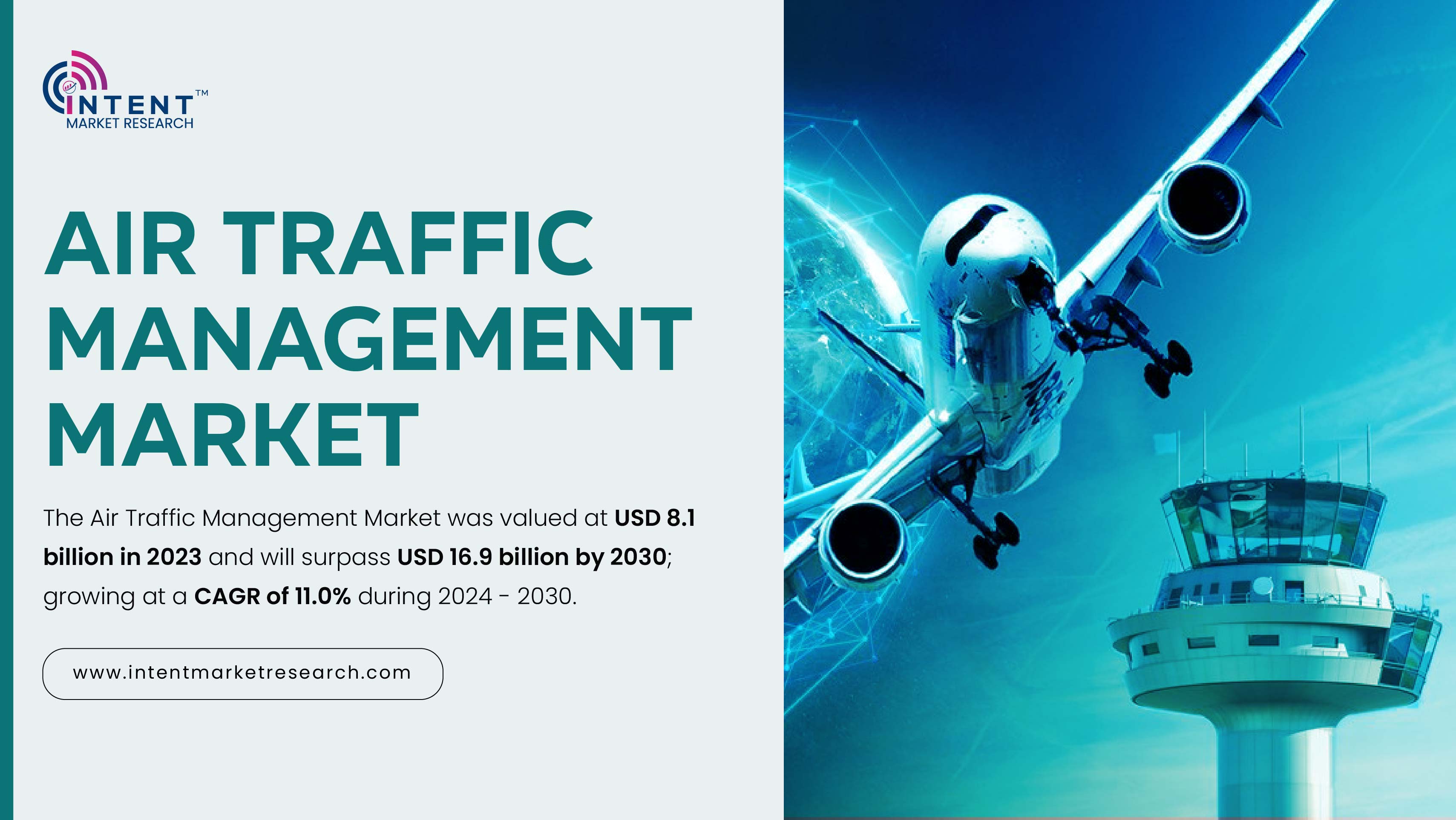
Air traffic management magazine publications serve as essential conduits for technical knowledge, regulatory updates, and strategic analysis within the aviation sector. These journals provide a comprehensive look at the modernization of global airspace, the integration of unmanned aircraft systems, and the evolving technological infrastructure required to maintain safety and efficiency across increasingly congested civil and military flight corridors.
The global aviation landscape relies on high-level synchronization between ground-based control centers and airborne navigation systems. For professionals, researchers, and policymakers, staying current with developments in Air Traffic Management (ATM) requires a disciplined approach to information consumption. Specialized industry journals act as the bridge between theoretical research—often found in peer-reviewed academic papers—and the practical, on-the-ground implementation of new navigation technologies and collaborative decision-making (CDM) frameworks.
Understanding the Role of Specialized ATM Publications
An air traffic management magazine is not merely a news outlet; it is a repository of industry standards and a platform for vendor-agnostic technical discussion. These publications typically focus on the "pillars" of aviation infrastructure: communication, navigation, and surveillance (CNS). By documenting the transition from legacy radar-based systems to performance-based navigation (PBN) and space-based Automatic Dependent Surveillance-Broadcast (ADS-B), these magazines provide the context necessary for stakeholders to make informed procurement and operational decisions.
In 2026, the industry faces unique pressures regarding environmental sustainability and the rapid, often disruptive, growth of Urban Air Mobility (UAM). Consequently, the editorial scope of leading ATM publications has shifted to include advanced digital trajectory management, artificial intelligence (AI) in decision-support tools, and the challenges of integrating non-traditional aerial actors into controlled airspace.
Key Content Verticals in ATM Journalism
To extract maximum value from these publications, readers must understand the primary categories of coverage. Most journals categorize their content to address the disparate needs of their audience, which ranges from software engineers to national aviation authority (NAA) administrators.
Technological Innovation and Infrastructure
This category covers the hardware and software backbone of ATM. Readers can expect detailed features on:
- Trajectory-Based Operations (TBO): Moving away from tactical, short-term clearances toward long-term, shared trajectory management.
- System Wide Information Management (SWIM): The shift toward digital data exchanges that allow stakeholders to share real-time flight data, reducing delays and improving gate-to-gate efficiency.
- NextGen and SESAR Developments: Ongoing updates regarding the United States’ Next Generation Air Transportation System and the European Single European Sky ATM Research (SESAR) program.
Regulatory and Policy Frameworks
Technological advancements are useless without a legal mandate. Journals provide critical analysis of ICAO (International Civil Aviation Organization) mandates, regional regulatory shifts by the FAA (Federal Aviation Administration) or EASA (European Union Aviation Safety Agency), and the evolving certification standards for remote tower operations.
Human Factors and Controller Efficiency
Despite the rise of automation, the human operator remains central to safety. Content in this vertical addresses:
- Workload Management: How new UI/UX designs for air traffic controller (ATCO) consoles affect cognitive load.
- Training Methodologies: The transition from traditional simulation to virtual reality (VR) and machine-learning-driven training environments.
- Safety Culture: Longitudinal studies on incident reporting and the implementation of Just Culture principles in global control centers.
Evaluating Credibility and Technical Depth
Not all sources of information are equal in the ATM sector. When selecting a primary source for your professional development, it is vital to distinguish between vendor-promotional content and independent industry reporting.
| Feature Type | Vendor-Led Content | Independent Journalistic Content |
|---|---|---|
| Primary Goal | Product promotion/sales | Industry education/analysis |
| Technical Depth | Focus on proprietary benefits | Comparison across multiple standards |
| Critical Analysis | Rarely addresses limitations | Discusses integration challenges |
| Longevity | Episodic (tied to product cycle) | Ongoing, longitudinal coverage |
Professionals should prioritize publications that feature editorial boards composed of subject matter experts (SMEs), retired ATC directors, and academic researchers. These publications are more likely to offer balanced viewpoints on contentious issues, such as the viability of fully automated sequencing or the cybersecurity risks inherent in digitized flight data exchanges.
Integrating ATM Knowledge into Professional Practice
For practitioners, the task is moving from passive reading to active application. Managing information overload is a significant hurdle in the modern aviation environment. To effectively utilize these publications, consider the following workflow:
- Identification of Priority Streams: Focus your reading on the specific segment of ATM relevant to your role. For instance, if you are involved in procurement, prioritize "procurement trends" and "interoperability standards" sections.
- Verification of Standards: When a publication reports on a new technical protocol, cross-reference it with the relevant ICAO Annexes or regional regulatory circulars before initiating any internal organizational discussions.
- Cross-Disciplinary Analysis: An air traffic management magazine often highlights breakthroughs that originated in telecommunications or cybersecurity. Look for connections between these external fields and your specific niche.
- Networking via Editorial Contributors: Many technical authors in these magazines are active participants in industry working groups. Engaging with their published work can provide a entry point for deeper networking and collaboration.
Overcoming Challenges in Air Traffic Management Communication
The most significant challenge facing ATM journalism in 2026 is the sheer speed of development in the drone and electric vertical take-off and landing (eVTOL) sectors. The traditional magazine model, which often operates on a monthly or quarterly cycle, can struggle to keep pace with rapid legislative changes.
To mitigate this, many publications have adopted a hybrid approach:
- Daily Digital Briefings: Providing rapid, high-level summaries of policy changes and incident reports.
- Deep-Dive Feature Issues: Reserved for complex, multi-layered analysis of systemic changes, such as the implementation of cross-border data sharing or the complete overhaul of national navigation infrastructure.
Readers should treat digital briefings as "alerting tools" and reserve in-depth reading for the feature-length articles that provide the necessary context, historical precedents, and expert consensus.
Frequently Asked Questions
How can I determine if a publication is peer-reviewed versus industry-reported? Industry publications typically prioritize editorial review by subject matter experts, whereas academic journals rely on a formal blind peer-review process. Most ATM magazines provide an "About Us" section that clarifies their editorial process; look for mention of an "Advisory Board" or "Editorial Committee."
Does an air traffic management magazine provide information on pilot-controller communications? Yes, this is a core area of coverage. Most publications dedicate sections to Radio Telephony (RT) standards, the introduction of Controller-Pilot Data Link Communications (CPDLC), and the impact of language proficiency requirements on safety.
How do these magazines help with regulatory compliance? They act as early-warning systems. By tracking legislative debates and committee discussions months or years before a rule is enacted, these publications allow organizations to prepare their infrastructure and training programs well in advance of official mandates.
Are these publications useful for students or those new to the industry? Absolutely. Many magazines offer "Back to Basics" or "Industry Primer" series that explain fundamental concepts like separation minima, flight levels, and radar vectoring, making them excellent supplementary materials for professional development courses.
Can I contribute to an air traffic management magazine? Most leading magazines accept submissions from industry professionals, provided they meet strict technical standards. The typical process involves submitting a white paper or a technical case study. Contact the editorial office directly to request their submission guidelines and editorial calendar.
Next Actions for Industry Stakeholders
To maximize the value of your engagement with industry literature, start by subscribing to two distinct types of publications: one that focuses on high-level strategic policy and one that focuses on technical implementation. Establish a routine for scanning the summaries weekly and designating one hour per month to synthesize the most relevant technical shifts. By maintaining this consistent, structured approach, you will stay informed, compliant, and ready to contribute to the future of global aviation infrastructure.