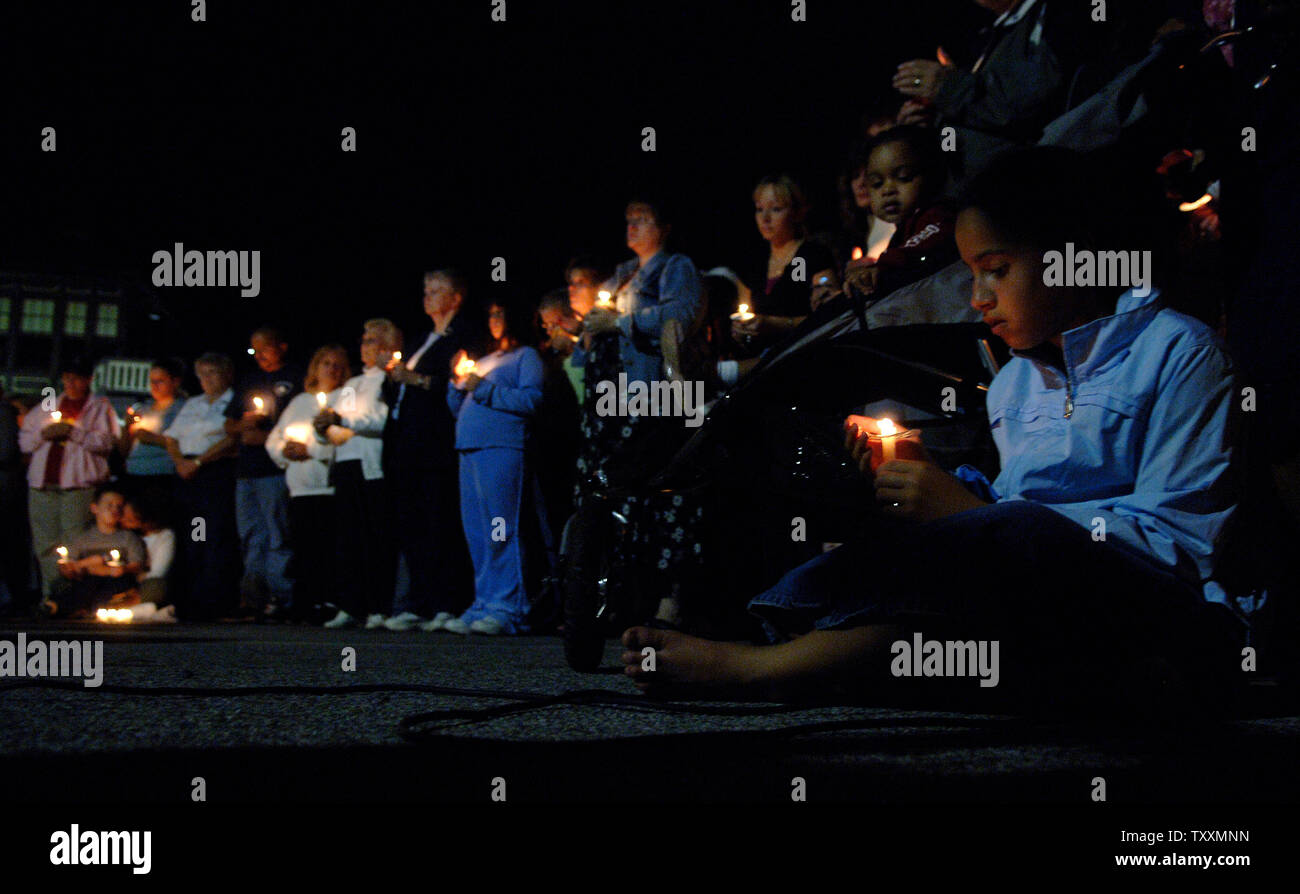
The 2006 Amish schoolhouse shooting in West Nickel Mines, Pennsylvania, was a tragic event where a local gunman killed five young girls and wounded five others before taking his own life. Its enduring legacy is defined by the Amish community’s immediate and radical extension of forgiveness toward the perpetrator’s family, which continues to serve as a profound case study in restorative justice and communal healing.
Historical Context: The Events of October 2, 2006
On the morning of October 2, 2006, the peaceful landscape of Bart Township in Lancaster County, Pennsylvania, was forever altered. Charles Carl Roberts IV, a 32-year-old local milk truck driver who was not Amish, entered the one-room West Nickel Mines School. Roberts was armed with multiple weapons, including a shotgun and a handgun, and carried a grim intent fueled by internal demons and decades-old grievances he later detailed in suicide notes.
Upon entering the school, Roberts ordered the teacher and the male students to leave. He then barricaded himself inside with ten young girls, ranging in age from 6 to 13. The standoff ended quickly but violently. As police began to breach the building, Roberts opened fire on the students before turning the gun on himself. Five girls—Naomi Rose Ebersol, Marian Fisher, Mary Liz Miller, Lena Miller, and Anna Mae Stoltzfus—lost their lives. Five others were critically injured, some left with permanent disabilities.
The immediate reaction from the outside world was one of horror and incomprehension. The Amish, a traditionalist Christian group known for their rejection of modern technology and commitment to non-resistance, were suddenly the center of a global media firestorm. However, the true story began not with the violence, but with the response that followed in the minutes and hours after the final shots were fired.
The Amish Response: Radical Forgiveness and Gelassenheit
While the secular world often seeks justice through litigation and retribution, the Amish community moved in a different direction. Within hours of the shooting, members of the Amish community visited the shooter’s widow, Amy Roberts, and his parents. They did not come to demand answers or express rage; they came to offer condolences, food, and forgiveness.
This response was rooted in the Amish concept of Gelassenheit, a German word meaning "yieldedness" or "submission." It represents the cornerstone of Amish faith—a total submission to the will of God and a commitment to communal harmony over individual rights. In the Amish view, the shooter was also a victim of sin, and his family was suffering a loss just as profound as that of the victims’ families.
The Dynamics of Forgiveness
For the Amish, forgiveness is not a feeling but a religious obligation. It is a decision to relinquish the right to revenge. By attending the shooter’s funeral and establishing a fund to help his widow and children, the community demonstrated that their theology of peace was not merely theoretical. They practiced what is known as "radical forgiveness," a process that prioritizes the restoration of relationships over the punishment of the offender.
This act of grace had a practical impact on the healing process. By removing the burden of hatred, the community was able to focus entirely on mourning their children and supporting the survivors. This did not mean the pain was absent; rather, it meant the pain was not allowed to fester into bitterness. As of 2026, the Nickel Mines response remains the most cited example of restorative justice in modern sociological literature.
Rebuilding the Community: From West Nickel Mines to New Hope
In the immediate wake of the tragedy, the Amish community made a collective decision regarding the physical site of the trauma. Unlike many modern institutions that might turn a site of tragedy into a memorial, the Amish chose to demolish the West Nickel Mines School. On October 12, 2006, just ten days after the shooting, the building was razed and the site was turned into a quiet pasture.
This decision was intentional. The Amish do not believe in the "shrine-making" common in modern culture. They wanted to prevent the site from becoming a destination for "dark tourism" and to allow the earth to heal alongside the people.
The Construction of New Hope School
A new schoolhouse, named New Hope School, was built in a different location nearby. The construction process was a communal effort, reflecting the traditional "barn raising" ethos. The new school was designed with subtle safety improvements that did not compromise the Amish commitment to simplicity. By moving the site of education, the community provided the surviving children and future generations a fresh start, physically and psychologically separated from the scene of the violence.
Long-Term Psychological and Physical Aftermath
The physical wounds of the survivors were severe. Several of the five wounded girls required lifelong medical care. One survivor, who was shot in the head, was left with significant neurological impairments requiring 24-hour care. The community rallied around these families, providing the manual labor and emotional support necessary to manage long-term disability within a culture that largely avoids institutionalized health insurance.
Trauma and Mental Health in a Closed Community
The Amish approach to mental health is historically private, relying on faith and family rather than professional psychiatry. However, the Nickel Mines tragedy necessitated a bridge between Amish traditions and modern trauma therapy. With the guidance of the Nickel Mines Accountability Committee, the community allowed outside counselors to provide support, provided they respected Amish cultural boundaries.
Research conducted in the years following the shooting suggested that the Amish communal structure provided a "buffer" against Post-Traumatic Stress Disorder (PTSD). The high levels of social capital—meaning the density of supportive relationships within the group—allowed victims to process their grief in a shared environment rather than in isolation.
| Aspect of Recovery | Amish Community Approach | Typical Secular Approach |
|---|---|---|
| Justice Model | Restorative (Forgiveness/Reconciliation) | Retributive (Legal Action/Punishment) |
| Site Management | Immediate demolition to prevent shrines | Permanent memorials and museums |
| Victim Support | Communal labor and shared funding | Individual therapy and insurance claims |
| Media Handling | Avoidance of publicity and "celebrity" status | Use of platforms for advocacy and awareness |
| Perpetrator Family | Included in communal healing and support | Often ostracized or ignored |
Global Impact and the Ethics of Forgiveness
The aftermath of Nickel Mines sparked a global conversation about the nature of forgiveness. In the two decades leading up to 2026, philosophers and theologians have debated whether the Amish forgave "too quickly." Some critics argued that immediate forgiveness might suppress necessary anger or bypass the accountability needed for true healing.
However, the Amish themselves viewed it differently. They did not equate forgiveness with the absence of grief or the denial of the crime’s horror. Instead, they viewed it as a way to "stop the cycle of hate." This perspective has influenced international peace-building efforts, with the Nickel Mines story being used as a model in post-conflict zones like Northern Ireland and Rwanda to demonstrate how communities can move past generational violence.
Lessons for School Safety and Crisis Management
While the Amish community generally shuns political activism, the Nickel Mines shooting did influence broader discussions on school safety. It highlighted the vulnerability of rural, one-room schoolhouses. In the years following, many similar schools—both Amish and non-Amish—implemented basic security measures, such as locked doors and emergency communication systems, while attempting to maintain the welcoming atmosphere essential to their educational mission.
Furthermore, the "Nickel Mines Model" of crisis communication has been studied by law enforcement and emergency responders. The way local authorities respected the Amish culture—using intermediaries and respecting their privacy—is now considered a gold standard for managing crises in culturally distinct or "closed" communities.
Continuing the Legacy: The Nickel Mines Community in 2026
As of 2026, the survivors of the Nickel Mines shooting have reached adulthood. Many are now parents themselves, raising children within the same community where the tragedy occurred. The "New Hope" name of the school has proven prophetic, as the community has managed to integrate the memory of the "five angels" into their history without letting the tragedy define their future.
The shooter’s family, too, remained in the area for many years, a testament to the genuine nature of the forgiveness extended to them. The Roberts family often spoke of how the Amish community’s grace saved them from a secondary tragedy of isolation and shame.
Frequently Asked Questions
What happened to the money donated after the shooting?
Millions of dollars were donated to the Amish community from around the world. The community established the Amish Heritage Foundation (and similar local funds) to handle the distribution. A significant portion of the money was used to pay for the extensive medical bills of the survivors. In a characteristic move, the Amish also shared a portion of the funds with the widow and children of the shooter to ensure they were not left destitute.
Did any of the survivors leave the Amish faith?
While some individuals from Lancaster County naturally choose to leave the Amish faith during their "Rumspringa" or later in life, the survivors of the Nickel Mines shooting largely remained within the community. Their experiences reportedly strengthened their ties to the faith, as the communal support they received served as a tangible manifestation of Amish values.
How did the Amish handle the media during the aftermath?
The Amish generally avoid being photographed or filmed, as it is seen as a sign of "Hochmut" (pride). During the aftermath, they designated a few non-Amish spokespeople, such as local residents and academics from the Young Center for Anabaptist and Pietist Studies, to communicate with the press. This allowed the families to grieve in private while ensuring the world understood their message of peace.
Has there been another incident like this in an Amish school?
Since 2006, there have been no other mass casualty shootings in Amish schoolhouses. While the community remains committed to non-resistance, they have become more aware of external threats. Most schools now have more robust visitor protocols, though they still lack the high-tech security systems (like metal detectors) found in many public schools.
How can I learn more about the concept of Amish forgiveness?
The most comprehensive academic study of the event is the book Amish Grace: How Forgiveness Transcended Tragedy, written by Donald Kraybill, Steven Nolt, and David Weaver-Zercher. It provides a deep dive into the theological underpinnings of the community's response and is widely used in sociology and religious studies courses.
Practical Recommendation for Further Reflection
To truly understand the aftermath of the Amish schoolhouse shooting, one should look beyond the event itself and examine the daily practices of the community. Forgiveness at Nickel Mines was possible only because the community practiced smaller acts of forgiveness every day in their homes and church districts. If you are seeking to apply these lessons in a professional or personal context, focus on the principle of restorative justice: look for ways to heal the harm caused by a conflict rather than simply assigning blame. Understanding the cultural context of those involved is the first step toward a resolution that permits long-term communal health.