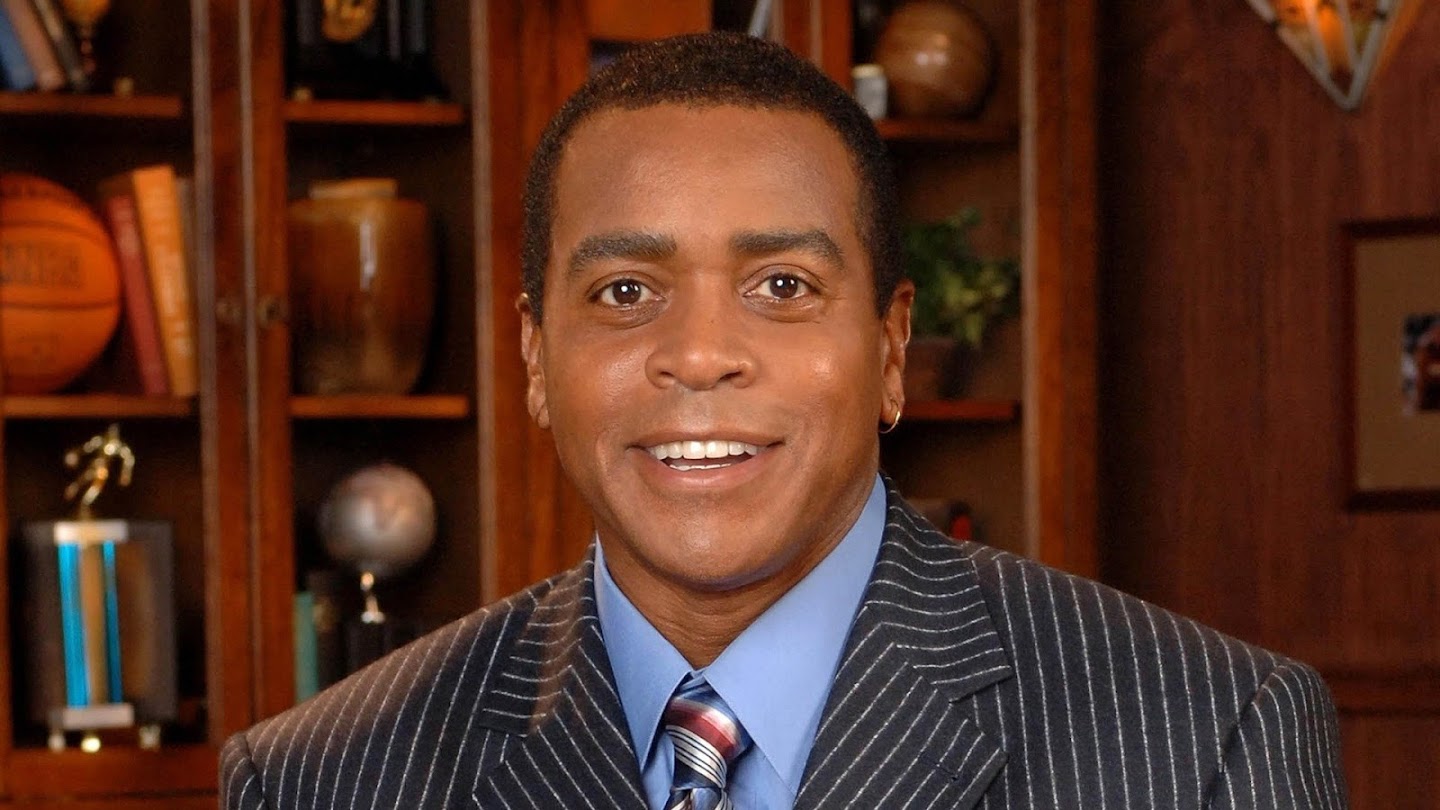
Ahmad R. Chatila is a prominent executive and investor known for his extensive leadership roles in the semiconductor and renewable energy industries. While his exact personal net worth is not publicly disclosed in audited financial statements, his wealth is generally attributed to his long-standing tenure as a CEO of publicly traded technology corporations, his strategic roles in venture capital, and his leadership in private equity sectors.
Defining the Professional Scope of Ahmad R. Chatila
To understand the financial standing of Ahmad R. Chatila, one must first look at the professional architecture of his career. Unlike public figures in entertainment whose net worth may be estimated through box office receipts or public contracts, executive wealth is often tied to equity compensation, stock options, and private investment portfolios.
Chatila’s reputation was primarily cemented during his tenure as the President and Chief Executive Officer of SunEdison, Inc. and his subsequent work in the semiconductor industry with Cypress Semiconductor and Lam Research. His career trajectory is defined by high-stakes corporate restructurings, M&A (mergers and acquisitions) activity, and the scaling of technology-heavy enterprises. In the financial world, an executive's net worth is a calculation of historical salary, bonuses, long-term incentive plans (LTIPs), and the appreciation of equity stakes in the companies they lead.
The Role of Corporate Leadership in Wealth Accumulation
For high-level executives, net worth is rarely a stagnant figure; it is a dynamic measurement tied to the performance of the companies they manage. During his time at SunEdison, Chatila oversaw a period of aggressive expansion. The financial compensation packages for such roles typically consist of three distinct tiers:
- Base Salary: The fixed component, which is generally the smallest portion of a high-level executive’s total earnings.
- Short-Term Incentives: Cash bonuses tied to annual performance metrics, such as revenue growth or EBITDA (Earnings Before Interest, Taxes, Depreciation, and Amortization) targets.
- Long-Term Incentives (LTI): This is the primary driver of wealth. It includes stock options, restricted stock units (RSUs), and performance-based equity grants. Because these instruments gain value as the stock price increases, the net worth of an executive like Chatila is intrinsically linked to the market valuation of the firms he guided.
When analyzing the financial profile of an executive who has led large-cap or mid-cap entities, one must account for the liquidity events that occur during their career. For example, when a company is acquired or enters a significant merger, an executive’s unvested equity often accelerates, providing a lump-sum realization of value that significantly impacts their total net worth.
Venture Capital and Post-CEO Career Paths
Beyond his role as a public company CEO, Ahmad R. Chatila transitioned into the sphere of private equity and venture capital. This transition often marks a shift from W-2 earnings—which are public and reported in SEC (Securities and Exchange Commission) filings—to private investment income.
In 2026, many executives of Chatila’s caliber operate through investment vehicles, such as family offices or private equity firms like Blue Canyon Holdings. In these roles, net worth is augmented by:
- Carry (Carried Interest): A share of the profits from the investments managed by the firm.
- Direct Equity Stakes: Ownership in the startups or companies the venture capital firm helps to seed or acquire.
- Advisory Fees and Board Compensations: Serving on boards of directors for various tech companies provides a steady stream of income and equity grants.
Because these investments are private, the "net worth" of such an individual becomes increasingly difficult to verify through public records alone. Wealth trackers that estimate the net worth of public figures often struggle to quantify the assets held within private holding companies or the complex tax-advantaged structures utilized by high-net-worth individuals.
Understanding SEC Filings as a Source of Truth
When attempting to verify the financial history of a public company CEO, researchers primarily rely on SEC Form DEF 14A (the Proxy Statement). This document is filed annually and discloses the compensation of the "Named Executive Officers" (NEOs).
For those researching the historical financial status of Ahmad R. Chatila, the following sections in SEC filings are critical:
- Summary Compensation Table: This provides the aggregate totals for salary, stock awards, and other compensation.
- Outstanding Equity Awards at Fiscal Year-End: This shows exactly how many options or shares an executive held at the close of the reporting period.
- Director Compensation: If the executive sits on other public boards, their compensation for those specific roles is also disclosed in the proxy statements of those respective companies.
It is important to note that these filings only provide a snapshot. They do not account for personal investments, real estate, debts, or assets held outside of the corporate equity structure. Consequently, any public estimate of a high-level executive’s net worth should be treated as an extrapolation based on publicly disclosed equity and market trends rather than an audited financial statement.
Factors Influencing Wealth Fluctuations
The financial landscape for an executive is highly sensitive to market volatility. Several factors have likely influenced the trajectory of assets associated with Chatila:
| Factor | Impact on Net Worth | Description |
|---|---|---|
| Equity Vesting Schedules | High | The timing of stock options reaching maturity determines when paper wealth becomes liquid cash. |
| Market Sector Performance | Moderate | As a specialist in semiconductors and renewable energy, the broader health of these sectors impacts his investment holdings. |
| Tax Liabilities | High | Significant portions of executive compensation are subject to top-tier capital gains and income tax brackets. |
| Exit Events | Extreme | M&A activity or IPOs (Initial Public Offerings) are the most common catalysts for significant jumps in personal wealth. |
Comparative Analysis: Executive Wealth vs. Entrepreneurial Wealth
A common mistake in financial analysis is conflating the wealth of a career executive with that of a founder. While both can accumulate significant capital, the structure of their wealth differs. A founder typically retains a large percentage of ownership in the company they started from scratch, meaning their net worth is heavily concentrated in a single asset.
Ahmad R. Chatila, acting as a professional CEO and manager, built his career on navigating corporate ladders and optimizing established or growth-stage entities. His wealth is likely more diversified across various equity instruments, private placements, and investment funds. This diversification is a risk-mitigation strategy common among executive-level professionals who move into private equity, ensuring that their financial stability is not tied to the performance of a single stock.
Frequently Asked Questions
How can I verify the current net worth of Ahmad R. Chatila? There is no central registry for the net worth of private individuals. Because Chatila is no longer the CEO of a public company, his current financial position is not subject to SEC compensation disclosures. Publicly available estimates are usually speculative and do not represent verified financial data.
What is the impact of public records on determining executive wealth? Public records, specifically SEC filings, are only useful for analyzing the compensation earned during an individual’s tenure as a public company executive. Once an executive moves to private equity or retired-status roles, these records cease to provide insight into their financial status.
Does Ahmad R. Chatila own a public company? As of 2026, he is primarily associated with private investment and advisory roles. He is not currently the CEO of a publicly listed company, meaning he is not required to disclose his financial interests or compensation to the general public.
Are there differences between gross assets and net worth? Yes. Net worth is calculated as total assets (cash, investments, real estate, equity) minus all liabilities (debt, mortgages, loans, tax obligations). When discussing the net worth of corporate leaders, media outlets often report "gross" assets or estimated equity value without adjusting for liabilities, which can lead to inflated figures.
Why is it difficult to find an exact number for his wealth? The difficulty arises from the shift from public corporate leadership to private capital management. Wealth held in private equity firms or family offices is not disclosed in any public medium, keeping these assets shielded from public scrutiny.
Next Actions for Financial Research
If you are conducting due diligence on executive compensation or wealth management structures, focus your efforts on the SEC EDGAR database for historical proxy statements. This will provide the most accurate window into how executive compensation packages were structured for Ahmad R. Chatila during his tenure at companies like SunEdison and Cypress Semiconductor. For contemporary insights, look toward industry trade journals and private equity news outlets that report on firm-level deals, though keep in mind these will only provide context on the capital under management rather than the personal liquidity of the individuals involved.