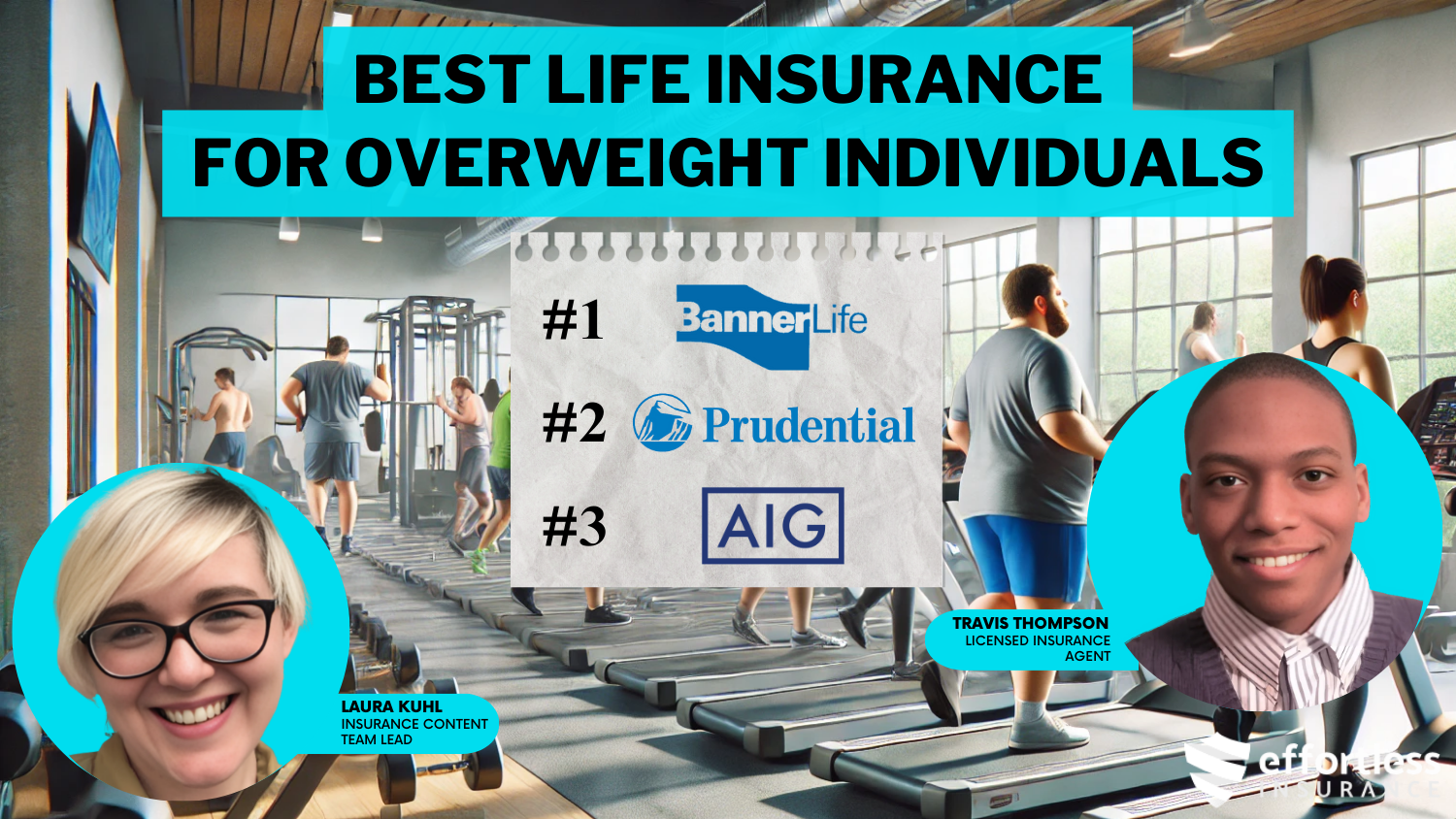
Securing affordable term life insurance as an obese applicant is entirely possible by selecting companies with specialized underwriting guidelines that prioritize comprehensive health profiles over raw Body Mass Index (BMI) numbers. By focusing on carriers that offer "table shaving" programs and those that evaluate comorbidities—such as blood pressure and glucose levels—rather than weight alone, applicants can significantly improve their chances of finding standard or near-standard premium rates.
Understanding Underwriting for Higher BMI Categories
Life insurance companies utilize underwriting to determine the risk associated with insuring a specific individual. For applicants categorized as obese—typically defined by medical standards as having a BMI of 30 or higher—insurers assess mortality risk based on the likelihood of developing weight-related health conditions.
However, underwriting has evolved significantly by 2026. Modern insurers recognize that BMI is an imperfect metric for overall health. A high BMI can often result from high muscle mass, or conversely, an individual with a high BMI might exhibit excellent metabolic health markers. To find affordable coverage, you must understand that insurers generally classify risk into "build charts." These charts determine your rating class, which in turn dictates your premium. When shopping for a policy, look for "liberal" build charts. Some carriers have significantly broader weight allowances for their preferred or standard rate classes than others.
Key Factors Beyond BMI that Influence Rates
When an insurer evaluates an application from someone with a higher BMI, they look for "protective values." These are health indicators that suggest a lower risk of long-term cardiovascular or metabolic issues despite a higher weight. You can leverage these factors to secure better pricing:
- Blood Pressure Readings: Consistent, healthy blood pressure readings (typically 130/80 or lower) are viewed favorably.
- Lipid Profiles: Stable cholesterol levels, particularly a healthy ratio of HDL to LDL, demonstrate a reduced risk of heart disease.
- Glycemic Control: Maintaining normal hemoglobin A1C levels is crucial. If you can prove your blood sugar is well-regulated, it mitigates concerns about Type 2 diabetes.
- Consistent Medical Care: Demonstrating that you have a primary care physician and are actively managing your health shows the insurer that you are a proactive patient, which lowers their perceived risk.
- Activity Levels: While self-reported, evidence of consistent cardiovascular exercise or a structured fitness routine can sometimes be taken into account during the underwriting appeal process.
The Impact of Comorbidities
The primary hurdle for obese applicants is not the weight itself, but the comorbidities associated with obesity. Conditions such as sleep apnea, high blood pressure, and elevated cholesterol are the primary drivers of increased premiums or outright declines.
If you have been diagnosed with a comorbid condition, you must provide documented evidence of treatment and control. For instance, if you have sleep apnea, providing records of CPAP compliance can often move you from a "substandard" rating back into a "standard" or even "preferred" category, depending on the carrier’s specific internal guidelines. Carriers are more likely to approve applicants who demonstrate "stability," meaning their condition has not worsened and is being managed effectively for at least 12 to 24 months.
Comparing Underwriting Approaches
Not all insurance carriers view weight in the same light. Some companies focus heavily on the "Build Chart," while others prioritize a "Holistic Health" approach.
| Carrier Type | Primary Focus | Best For |
|---|---|---|
| Traditional Underwriters | Strict adherence to BMI charts. | Applicants with very clean medical records. |
| "Table Shaver" Carriers | Programs that "shave" ratings for good health. | Applicants with high BMI but no other health issues. |
| Simplified Issue / No-Exam | Speed and reduced documentation. | Applicants who need coverage quickly. |
| Niche High-Risk Carriers | Individualized risk assessment. | Applicants with existing comorbidities or high BMI. |
"Table shaving" is a critical feature to look for. If you are rated at a "Table B" due to your weight (a rating that increases premiums by a set percentage), a company with a "table shaving" program may reduce that rating to "Table A" or even "Standard" if you have favorable health markers like low cholesterol or a clean family history.
Steps to Maximize Affordability
To secure the most affordable term life insurance, follow this structured approach to ensure you are presenting the best possible profile to underwriters:
- Work with an Independent Broker: Do not go to a single captive agent. An independent broker has access to multiple carriers and can run "pre-screen" inquiries. They can tell you which company is most likely to be lenient with your specific BMI before you officially apply.
- Request a "Trial Application" or "Formal Inquiry": Ask your broker to perform a trial application. This allows them to anonymously present your medical summary to underwriters at several top-rated companies to see who offers the best initial rate class.
- Gather Records Before Applying: Collect records of your last physical, your most recent blood work, and any documentation regarding the management of existing health conditions. Providing this upfront prevents "trial and error" with multiple formal applications, which can hurt your chances if you are declined by one company.
- Consider the Coverage Amount: Sometimes, applying for a slightly lower face amount (e.g., $450,000 instead of $500,000) can bypass certain "fluid-required" medical exams or move you into a less stringent underwriting category.
Common Pitfalls to Avoid
Many applicants fall into traps that result in unnecessary costs or application denials. Avoiding these will save you time and money:
- Multiple Applications: Never apply to three or four companies at once. Every time an insurer runs your name through the MIB (Medical Information Bureau), it leaves a trail. Too many applications in a short window can make you look like a "shopper" who has been declined elsewhere, which makes other insurers wary.
- Omitting Health Information: Be completely transparent on your application. If you have been diagnosed with sleep apnea or hypertension, disclose it. If the insurer discovers an undisclosed condition during the medical exam, they will likely decline the policy entirely, regardless of your weight.
- Focusing Only on Premiums: While affordability is the goal, ensure the policy is "convertible." A convertible term policy allows you to switch to a permanent life insurance policy in the future without needing a new medical exam. This is vital if your health changes or if you lose weight and want to lock in better rates later.
Frequently Asked Questions
Does a medical exam guarantee a certain rate? No, the medical exam is merely a data-collection step. The results—including blood pressure, blood glucose, and lipid panels—are compared against the company's proprietary underwriting guidelines. The exam confirms the facts you provided on your application and identifies any undiagnosed issues.
What is the "Table Rating" system? Table ratings are premium surcharges added to a standard policy premium to compensate for increased risk. They usually start at "Table A" and go up. Each table generally adds a percentage increase to your base premium. Many companies have "table-shaving" programs that can remove one or two tables if your non-weight-related health markers are excellent.
Is it better to lose weight before applying? If you are planning a significant weight loss, it may be beneficial to wait, provided you can maintain the weight loss for at least 12 months. Insurers look for "stable" weight. If you have lost a large amount of weight very quickly, underwriters may be skeptical about your ability to maintain it and might require a longer waiting period before offering better rates.
What if I am declined for life insurance? Being declined by one carrier does not mean you cannot get insurance. It often means you applied to a company with restrictive guidelines for your specific profile. Seek out a "high-risk" specialist broker who works with secondary market insurers or carriers that specialize in "impaired risk" underwriting.
Are there "no medical exam" policies for obese applicants? Yes, but they are often more expensive or offer lower coverage limits. While these policies are convenient, they are usually priced for the average risk, meaning they may be more expensive than a fully underwritten policy where you can demonstrate your good metabolic health.
Next Steps for Your Application
The most effective action you can take today is to consult with an independent life insurance broker who specializes in "impaired risk" or "high-build" underwriting. Ask them explicitly for a list of carriers that allow for the highest BMI limits for "Standard" or "Standard Plus" rate classes. By aligning your application with a carrier whose underwriting philosophy matches your current health profile, you move from being a "risky" applicant to a "calculated risk," which is the surest way to lower your premiums and secure the protection your family needs.