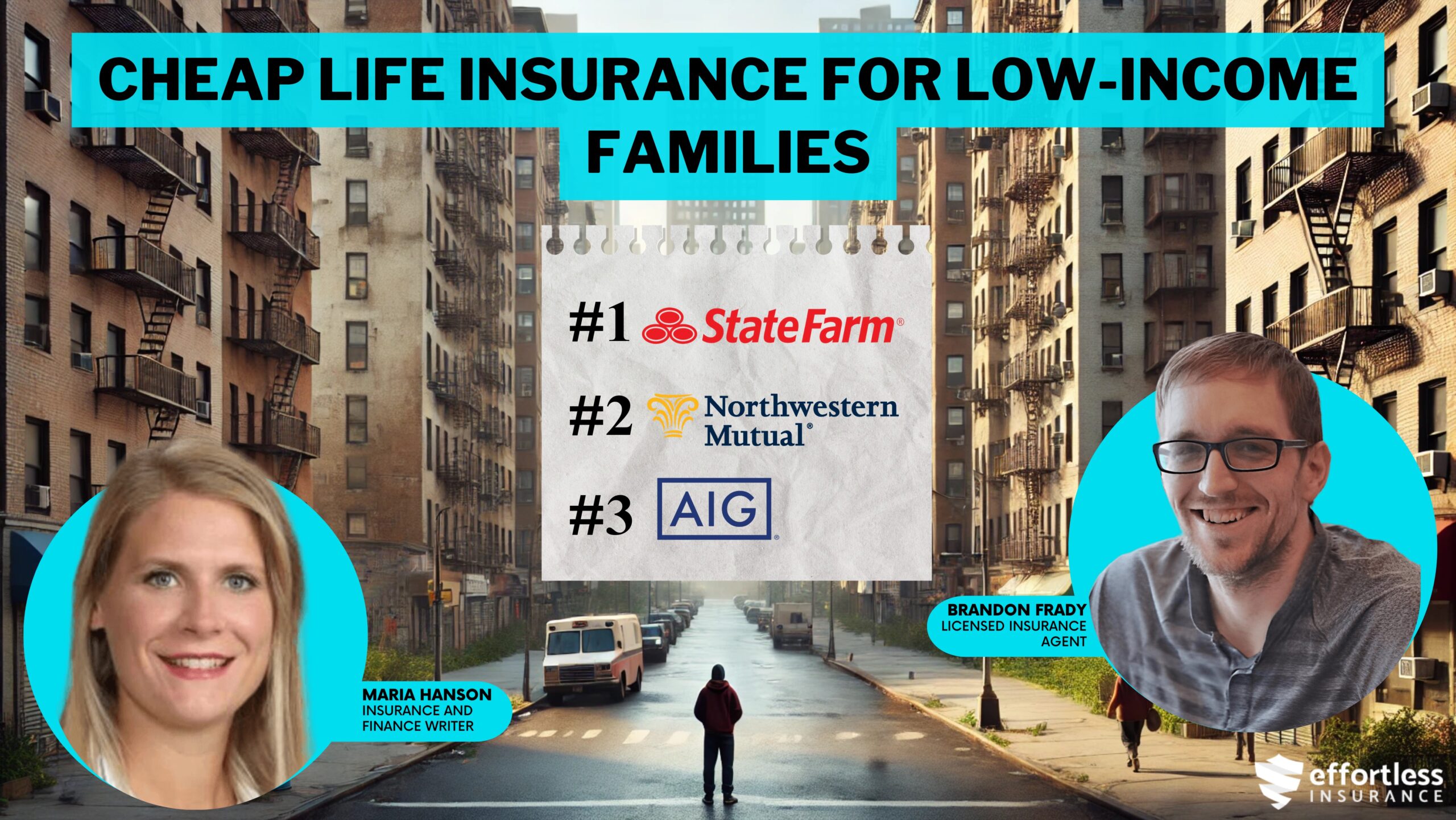
Affordable family life insurance options primarily center on term life insurance policies, which provide high coverage amounts for low initial premiums over a specific duration, such as 10, 20, or 30 years. These plans are designed to replace lost income, cover mortgage debts, and fund children's education if a primary earner passes away unexpectedly, making them the most cost-effective choice for households on a budget.
Navigating the financial marketplace to protect your loved ones can feel overwhelming, especially when balancing a household budget with rising living costs. Securing adequate financial protection is one of the most critical steps a parent or partner can take, yet many delay the process due to common misconceptions about high costs. Understanding the mechanics of different coverage types, evaluating your household's actual financial needs, and knowing how insurers price their products can help you lock in a policy that offers robust protection without straining your monthly finances.
Understanding the Landscape of Family Protection
When exploring financial safeguards for your household, it helps to distinguish between the two primary categories of life coverage: temporary protection and permanent protection. Knowing how each functions establishes a foundation for making an informed purchasing decision.
Term Life Insurance: The Budget-Friendly Standard
Term life insurance operates much like an auto or homeowners policy. You purchase coverage for a specific timeframe—the "term"—such as 10, 15, 20, 25, or 30 years. If the insured passes away during that period, the insurance company pays a tax-free death benefit to the designated beneficiaries.
- Affordability: Because there is no savings or investment component attached, premiums are significantly lower than permanent alternatives. A healthy 30-year-old can often secure a substantial policy for the cost of a few cups of coffee per month.
- Predictability: Most policies feature level premiums, meaning the monthly or annual cost remains identical for the entire duration of the term.
- Alignment with Family Needs: Term lengths are typically chosen to match major financial obligations, such as the years until children graduate from college or the remaining duration of a mortgage.
Permanent Life Insurance: Long-Term Commitments
Permanent policies, which include whole life and universal life insurance, remain active for the entire life of the insured as long as premiums are paid. These options include a cash-value component that grows over time on a tax-deferred basis. While this accumulated cash can be borrowed against or withdrawn in the future, the upfront premium costs are typically 5 to 15 times higher than a comparable term policy. For families seeking affordable options to cover immediate income replacement and debt obligations, permanent insurance is rarely the most practical starting point.
Evaluating Your Household's Coverage Needs
Before shopping for a policy, you must calculate how much financial support your family would realistically require in your absence. Purchasing too little leaves your dependents vulnerable, while buying too much inflates your monthly expenses unnecessarily.
Several core methodologies help determine the appropriate death benefit:
- The Income Replacement Method: Multiply your current annual salary by the number of years your family would need financial support. For example, if you earn $60,000 per year and your youngest child is two years old, you might calculate a need over 18 years, resulting in a baseline target of $1,080,000.
- The DIME Formula: This acronym stands for Debt, Income, Mortgage, and Education.
- D (Debt): Sum up all non-mortgage debts, including credit cards, auto loans, and personal loans.
- I (Income): Multiply annual income by the number of years support is needed.
- M (Mortgage): Determine the exact payoff amount remaining on your home loan.
- E (Education): Estimate the future cost of tuition and related expenses for each child.
- The Human Life Value Approach: This more complex calculation projects an individual's future earnings from their current age to retirement, adjusted for inflation, personal consumption, and taxes.
| Coverage Strategy | Best Suited For | Cost Profile | Primary Advantage |
|---|---|---|---|
| Level-Term Life | Young families, mortgage protection, income replacement | Low to Moderate | Maximum death benefit for minimal monthly outlay |
| Annual Renewable Term | Short-term financial needs, transitional budgeting | Lowest initial cost | Premiums increase every single year, becoming expensive over time |
| Group Term (Employer-Provided) | Supplementing personal coverage | Often free or heavily subsidized | Easy enrollment without medical underwriting, but non-portable |
| Whole Life | Estate planning, lifelong dependents with special needs | High | Permanent coverage paired with a guaranteed cash value growth |
Strategies for Lowering Your Insurance Premiums
Insurance underwriters evaluate risk to determine your premium rates. By understanding the factors that influence pricing, you can take proactive steps to secure the lowest possible rates for your family.
Lock in Coverage Early
Age is the single most influential factor in life insurance pricing. Insurance companies calculate risk based on actuarial tables showing mortality rates. Every year you wait to purchase a policy, your baseline cost increases by roughly 4% to 8%, even if your health remains pristine. Securing a 20- or 30-year term policy in your twenties or early thirties locks in that favorable age bracket for decades.
Improve Health Metrics
Underwriting often requires a paramedical exam, which includes blood pressure checks, blood draws, and urine analysis. Small, temporary adjustments can sometimes yield better rate classifications:
- Blood Pressure and Cholesterol: Managing these through diet, exercise, or prescribed medication prior to your exam can prevent you from being nudged into a substandard rating class.
- Nicotine Usage: Tobacco and nicotine users pay significantly higher rates—often double or triple non-smoker prices. Most carriers require a clean nicotine test for 12 to 24 consecutive months before granting non-smoker status. Some companies offer more lenient terms for occasional cigar or vape users, but honesty on the application is mandatory to prevent policy nullification.
Opt for Simplified Issue or Accelerated Underwriting
Many modern carriers utilize data analytics, prescription history databases, and motor vehicle reports to bypass the traditional medical exam for healthy applicants. While fully underwritten policies yielding a paramedical exam sometimes net the absolute lowest rates for exceptionally healthy individuals, accelerated underwriting programs save time and can secure competitive pricing without the hassle of a nurse visiting your home.
Exploring Alternative and Supplemental Options
Standard individual term policies are the gold standard for affordability, but families should also examine other accessible forms of coverage.
Employer-Sponsored Group Life Insurance
Many companies offer group term life insurance as an employee benefit, often equal to one or two times your annual salary at little or no cost to you.
- The Pros: Enrollment is usually guaranteed without medical exams, making it accessible even for those with pre-existing health conditions.
- The Cons: This coverage is typically tied to your employment. If you leave the company, you generally lose the policy. Furthermore, the death benefit amount is rarely sufficient on its own to protect a growing family with a mortgage and young children.
Riders to Customize Your Policy
Life insurance policies can be customized with policy riders—additional provisions that tailor coverage to specific family needs. When structuring an affordable plan, evaluate which riders provide genuine value versus those that add unnecessary cost:
- Children’s Term Rider: Adds a small amount of coverage for all current and future children under a single inexpensive rider, providing funds for final expenses in an unimaginable scenario.
- Waiver of Premium: Pauses your premium payments if you become totally disabled and unable to work due to illness or injury, keeping the policy active when financial strain is highest.
- Accelerated Death Benefit: Included at no extra cost in most policies, this allows the insured to access a portion of the death benefit early if diagnosed with a terminal illness.
Common Mistakes to Avoid When Buying Family Coverage
Avoiding missteps during the application and evaluation process ensures your family remains properly protected without overpaying.
- Underestimating the Need: Relying solely on a basic employer-provided policy often leaves a massive shortfall in income replacement. Calculate your family's actual requirements rather than guessing a round number like $100,000, which may evaporate quickly under modern living expenses.
- Waiting for the "Right Time": Life is unpredictable. Waiting until you develop a health condition or experience another birthday will only drive up your long-term costs. Buying a policy now—even a smaller one you can supplement later—locks in your insurability.
- Buying Based Solely on Price: While affordability is the primary goal, purchasing the absolute cheapest policy from an unverified or financially unstable carrier introduces counterparty risk. Check the financial strength ratings of insurers through independent agencies such as AM Best, Moody's, or Standard & Poor's.
- Failing to Disclose Medical History: Honesty on your application is paramount. Non-disclosure or misrepresentation of medical history, hazardous hobbies, or travel habits can give the insurance company grounds to deny a claim during the contestability period, typically the first two years of the policy.
Step-by-Step Action Plan for Families
To move forward efficiently, follow a structured path toward securing your policy:
- Assess Your Financial Obligations: List your mortgage balance, total debts, expected future education costs, and annual income multiplied by the number of years your family would need support.
- Determine the Policy Type and Term: Select a level term life insurance policy with a duration that matches your longest major obligation, such as your children reaching financial independence or your mortgage payoff date.
- Gather Quotes from Multiple Carriers: Use independent insurance brokers or digital comparison tools to review pricing across top-rated financial institutions. Rates for the exact same coverage can vary significantly between companies.
- Complete the Application and Underwriting: Submit your application accurately. Be prepared for a medical questionnaire and, if required, a brief paramedical exam scheduled at your convenience.
- Review and Lock In: Once approved, review the policy contract to ensure the death benefit and premium match your expectations, then set up automatic payments to prevent accidental lapses.
Securing affordable family life insurance does not require complex financial engineering or breaking your monthly budget. By focusing on level-term policies, locking in rates while you are young and healthy, and calculating your actual coverage needs, you can build a resilient safety net that protects your household's financial future under any circumstances.