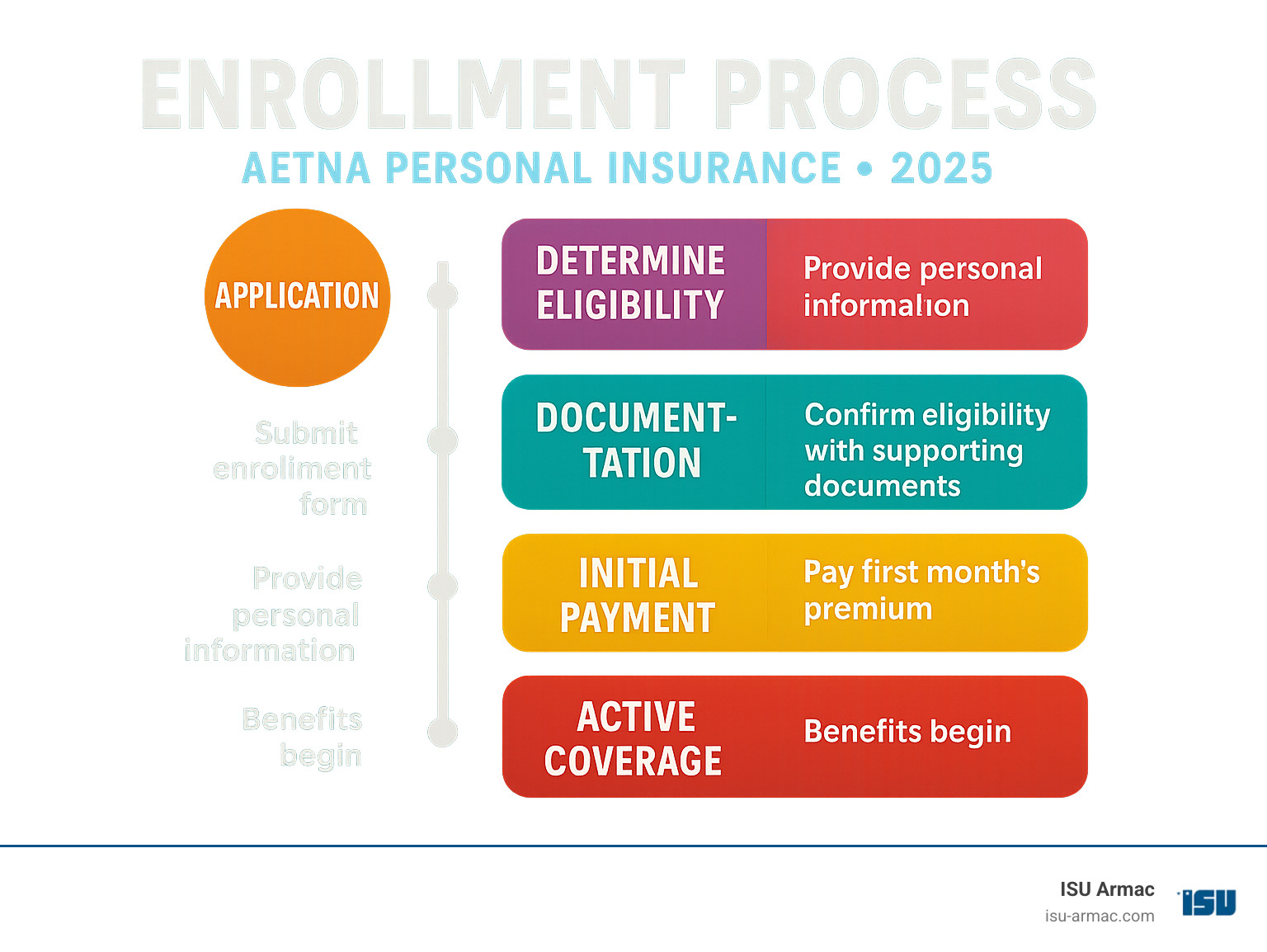
Navigating Aetna insurance documentation for a life event requires timely submission of specific legal or administrative proof to qualify for a Special Enrollment Period (SEP). You must typically provide documentation within 30 to 60 days of the qualifying event, such as marriage, birth, or loss of other coverage, to update your plan enrollment outside the standard open enrollment window.
Understanding Qualifying Life Events
A qualifying life event is a significant change in your personal circumstances that allows you to change your health insurance coverage outside of the annual Open Enrollment Period. Aetna, like most major health insurers, adheres to guidelines set by the Affordable Care Act (ACA) and state-specific regulations. These events are not merely changes in preference; they are status changes that impact your eligibility or your ability to maintain your current insurance plan.
Common qualifying life events include:
- Change in household size: This includes marriage, divorce, legal separation, birth, adoption, or the death of a policyholder.
- Loss of existing coverage: This occurs if you lose job-based coverage, reach the age limit for a parent’s plan, or lose eligibility for Medicaid or CHIP (Children’s Health Insurance Program).
- Change in primary residence: Moving to a new zip code or county where your current Aetna plan is not available or where different plans are offered can qualify you for a change.
- Gain of citizenship or legal status: Becoming a U.S. citizen or legally present individual provides an opportunity to enroll in coverage.
It is vital to distinguish between a "qualifying event" and a general life change. For example, moving to a new home within the same city usually does not qualify you for a Special Enrollment Period unless your previous plan options are no longer available in that specific area.
Required Documentation by Event Type
When you apply for a change in coverage due to a life event, Aetna requires substantiating evidence. Providing the correct documentation is the most frequent hurdle in the verification process. Your documentation must be legible, current, and clearly state the date the event occurred.
The following table outlines standard documentation requirements for the most common life events:
| Life Event | Required Documentation Examples |
|---|---|
| Marriage | Marriage certificate, government-issued marriage license. |
| Birth or Adoption | Birth certificate, hospital discharge papers, adoption decree. |
| Loss of Coverage | Letter of termination from employer, notice of loss of Medicaid/CHIP. |
| Divorce/Separation | Court-ordered decree of divorce or legal separation. |
| Relocation | Utility bill, lease agreement, or mortgage statement showing the new address and move-in date. |
| Death | Death certificate or obituary published in a formal record. |
Ensure that any document you submit includes the full name of the individuals affected and the official date of the event. Photocopies or clear digital scans are generally accepted, provided the document is authentic and unaltered.
The Submission and Verification Process
Once you have identified your qualifying event, you must initiate the update process through the Aetna member portal or via your plan administrator if you are covered through an employer. If you are an individual policyholder, you generally interact with the Aetna member website or the Health Insurance Marketplace.
- Notification: Contact Aetna or your HR department as soon as the event occurs. Do not wait for the documentation to be "perfect" before alerting them, as there are strict time limits.
- Submission: Upload your digital files through the Aetna secure member portal. If you do not have digital access, you may be required to mail certified copies. Avoid sending original documents unless explicitly requested, as these may not be returned.
- Review Phase: Aetna’s verification team reviews the documentation to ensure it meets federal and internal compliance standards. This review typically takes 10 to 15 business days.
- Confirmation: You will receive a notice of approval or a request for more information. If your documentation is rejected, it is usually because the date is missing or the document is a draft rather than a final, government-issued version.
Managing Deadlines and Timeframes
The "clock" for a life event is one of the most critical aspects of insurance administration. In almost every case, you have a 60-day window following the date of the qualifying life event to submit your request and the required documentation.
If you miss this window, you must wait until the next Open Enrollment Period to make changes to your plan. This can result in a significant gap in coverage, which may lead to out-of-pocket costs for medical care during the interim. If your documentation is incomplete, Aetna may grant a short extension, but you should never rely on this. Always prioritize gathering your documents immediately after the event happens.
Potential Challenges and Troubleshooting
Even when you provide the correct documentation, obstacles can arise. The most common issues include "name mismatches" where a document might have a maiden name while your Aetna account uses a married name. In such cases, you should provide secondary documentation, such as a marriage certificate or a court order, to link the two identities.
Another common issue is the "lack of date." Sometimes a bill or an informal letter does not clearly indicate the effective date of a move or the loss of coverage. If you receive a request for more information, do not ignore it. Reach out to the issuing authority (such as your former employer or your utility provider) to request an official letter on letterhead that explicitly states the date the event occurred.
If you are covered through an employer-sponsored Aetna plan, your employer’s HR department acts as the intermediary. They are responsible for reporting the life event to Aetna. If you are having trouble with the documentation, keep your HR contact updated, as they may have pre-approved templates or specific procedures for verifying events for their employees.
Tips for Successful Documentation
- Maintain a physical and digital folder: Keep copies of all correspondence with Aetna. If you are uploading documents to a portal, take a screenshot of the confirmation number or page.
- Verify readability: Ensure that all text, dates, and official seals or stamps are clearly visible in your scans or photos. Blurry images are the primary cause of document rejection.
- Check the requirements: Before uploading, visit the Aetna Help Center or your secure portal to see if there is a specific document format or file size requirement.
- Do not delay: Even if you think you have plenty of time, life events are often stressful and busy. Aim to submit your documentation within the first two weeks of the event to account for any potential processing delays.
Frequently Asked Questions
What happens if my documentation is denied? If your documentation is denied, Aetna will typically send a notice explaining why. Common reasons include the document being expired, lacking a signature, or not showing the correct date. You will have the opportunity to resubmit correct documentation as long as you are still within the original 60-day window.
Can I email my sensitive documents to Aetna? Security is paramount when handling health insurance documentation. Do not send sensitive documents via standard email, as it is often not encrypted. Always use the secure message center or upload tool within the Aetna member portal to ensure your private health information remains protected.
What if I lose my marriage certificate or other official records? If you cannot locate the original document, you must request a certified copy from the state or county office that issued the original. Photocopies that you make at home are rarely accepted as proof of a life event, as they lack the official seal or verification required by insurance regulators.
Does a change in income always count as a life event? A change in income generally does not qualify you for a Special Enrollment Period for major medical insurance unless that change in income also triggers a loss of eligibility for other government programs like Medicaid, or if it moves you into a different tier of eligibility for subsidies on the Marketplace.
How do I track the status of my document review? Most members can track the status of their enrollment change directly through their Aetna account. If you do not see an update within 10 days of submission, contact the Aetna customer service number listed on the back of your member ID card to confirm receipt of the documents.
Recommended Next Steps
If you are currently experiencing a life event, start by logging into your Aetna account to view your specific plan's enrollment requirements. Gather the necessary official documents immediately, ensuring they contain the date of the event and the names of all affected parties. If you are unsure whether your documentation will be accepted, contact Aetna Member Services via the secure portal to ask for clarification on the specific requirements for your situation before you finalize your application. Taking these steps early ensures that your coverage remains continuous and that you receive the benefits to which you are entitled.