Addressing a compromised foundation requires balancing structural engineering principles with long-term cost considerations, as timely intervention prevents structural failure and property devaluation. Homeowners facing settlement, shifting, or cracking must evaluate geotechnical reports, consult licensed structural engineers, and compare specialized intervention methods—such as steel piers, helical anchors, and slabjacking—to select the most durable remedy for their specific architectural framework and soil conditions.
Understanding Foundation Failure: Causes and Early Warning Signs
A residential foundation rarely fails without warning. Before evaluating repair options, a homeowner must understand the underlying physical mechanisms causing structural distress. Foundation movement is typically driven by changes in moisture content within the supporting soil. Expansive clay soils swell significantly when saturated and shrink drastically during drought conditions, creating a destructive cycle of heaving and settling. Conversely, sandy or improperly compacted soils may compress under the weight of the structure, leading to differential settlement where one corner or wall sinks faster than the rest.
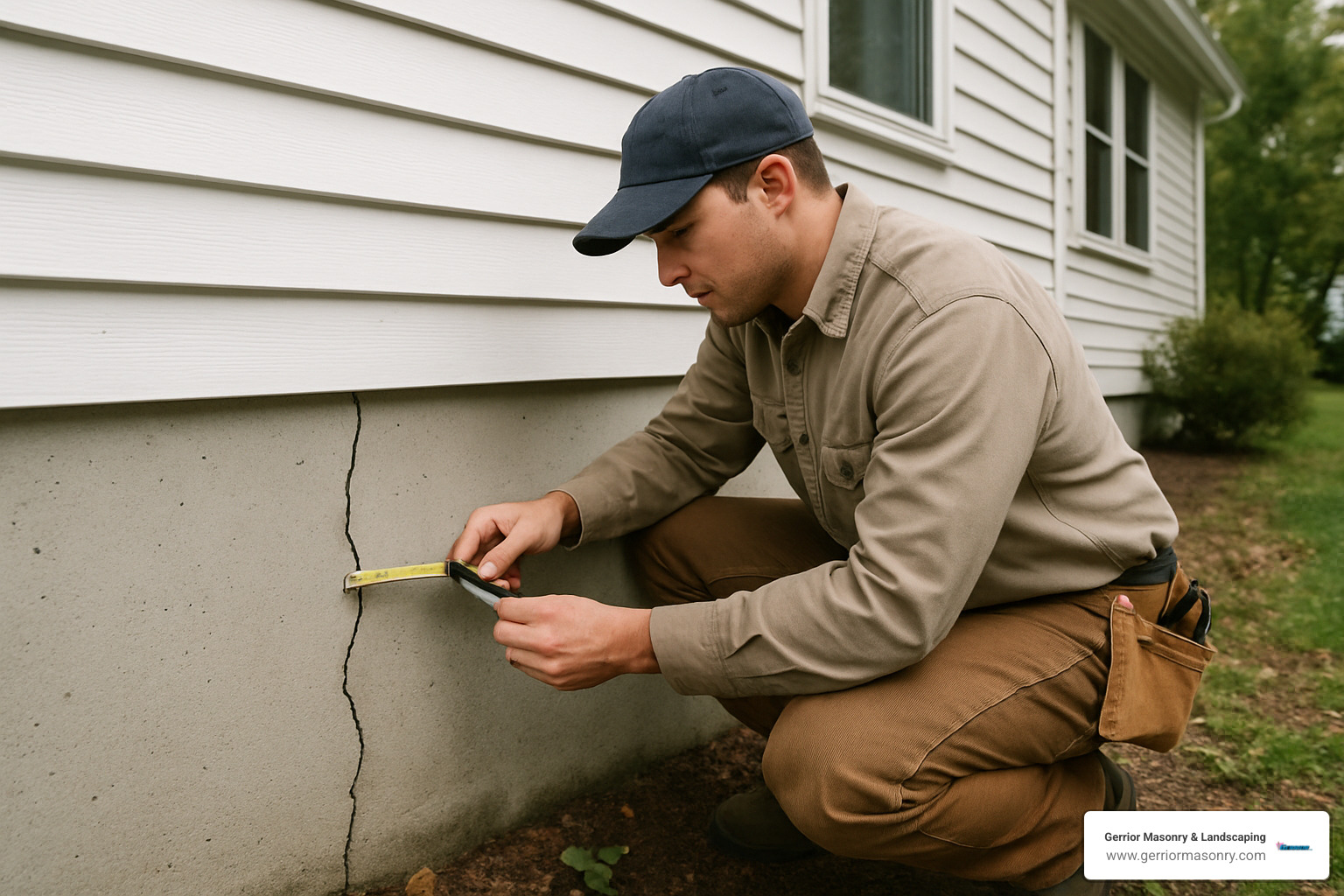
Early detection of these geotechnical shifts saves thousands of dollars in secondary structural damage. Warning signs manifest both inside and outside the home. Exterior indicators include stair-step cracking in brick mortar, gaps forming around window and door frames, bulging or leaning masonry walls, and chimneys that pull away from the main siding. Interior symptoms often include doors and windows that stick or refuse to latch completely, drywall cracks radiating diagonally from corners, uneven or sloping floors, and baseboards separating from the wall.
Recognizing these symptoms is only the first step. Property owners should never attempt a DIY structural assessment or rely solely on a general contractor's visual estimate. The prudent course of action involves hiring an independent, licensed structural engineer who has no financial stake in the repair process. An engineer provides an objective evaluation, determines the exact magnitude of the settlement, and drafts a remediation plan based on soil mechanics rather than sales quotas.
Core House Foundation Repair Options
Once an engineering assessment confirms structural distress, homeowners must choose from several distinct repair methodologies. Each approach targets different foundation types—such as crawlspaces, basements, or slab-on-grade foundations—and addresses specific soil profiles and load requirements.
Steel Push Piers
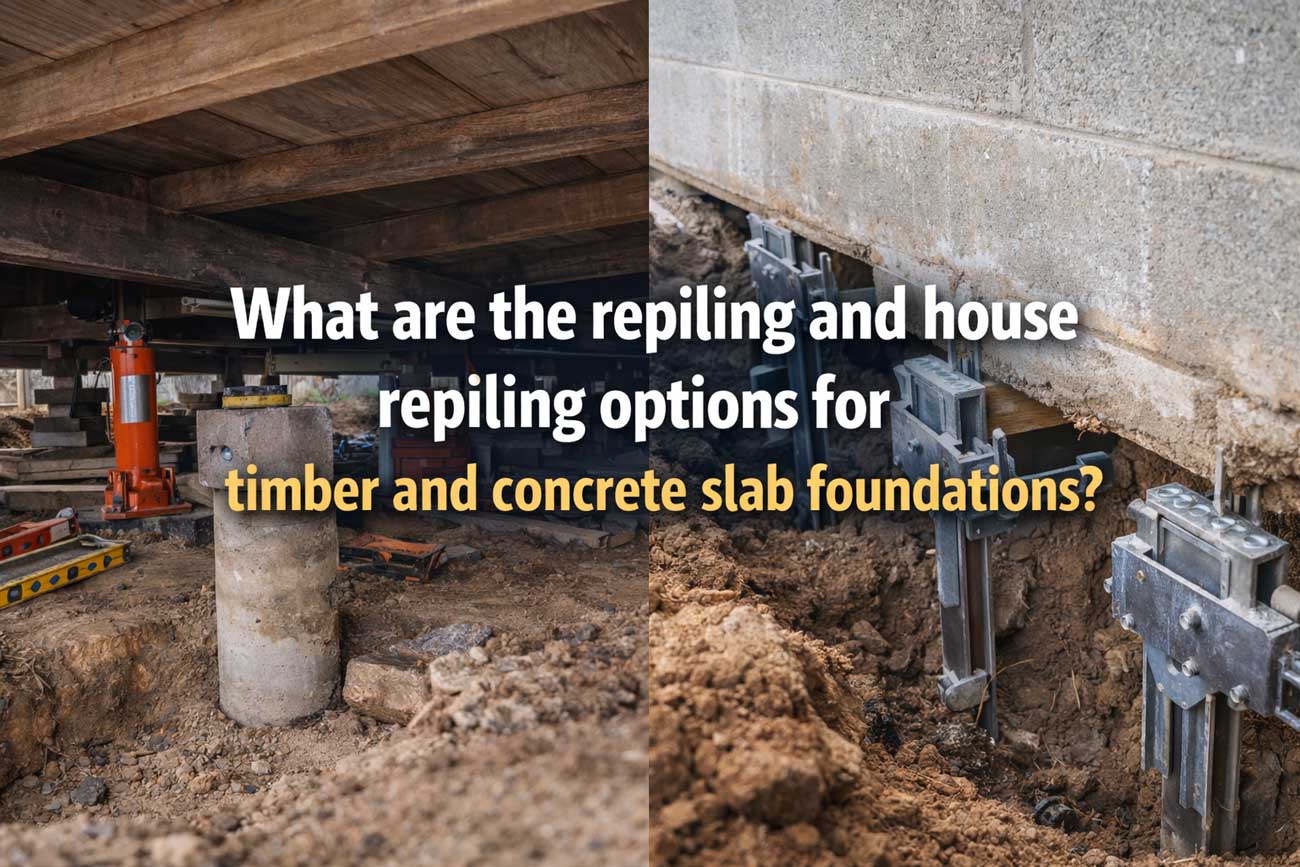
Steel push piers represent one of the most heavy-duty and permanent solutions for sinking foundations, particularly in homes experiencing significant structural settlement. This method involves hydraulically driving heavy-gauge steel tubes deep into the earth, bypassing unstable upper soil layers until they reach competent load-bearing strata or bedrock.
- The Process: Excavation exposes the footing of the foundation. Heavy brackets are securely attached to the footing. Hydraulic rams then push heavy steel pipes through these brackets straight down into the ground.
- Lifting: Once solid bedrock or stable strata are reached, specialized hydraulic lifting equipment transfers the weight of the house from the unstable soil onto the steel piers, allowing the structure to be leveled or stabilized.
- Suitability: Ideal for heavy masonry, brick structures, and severe settlement scenarios where standard remediation would fail.
Helical Piers
Helical piers function similarly to push piers by transferring weight to deep load-bearing strata, but they utilize a screw-like design rather than hydraulic driving force. These steel shafts feature one or more helical plates (or flights) welded to the lead end.
- The Process: Instead of being driven straight down by raw hydraulic force, helical piers are rotated and screwed into the ground using high-torque hydraulic motors.
- Versatility: They are well-suited for lighter structures, porches, chimneys, and new construction applications where deep soil stabilization is required before building begins.
- Installation Advantages: Helical piers cause minimal vibration during installation, making them safe for fragile structures, and they can be installed in tight spaces with limited access.
Slabjacking and Polyurethane Foam Injection
For concrete slab-on-grade foundations that have sunken or settled unevenly without severe structural fracturing, slabjacking (also known as mudjacking) or polyurethane foam injection offers an efficient solution.
- Traditional Slabjacking: A slurry mixture of cement, sand, and soil is pumped beneath the sunken concrete slab through small drilled holes, creating pressure that lifts the slab back to its original grade.
- Polyurethane Injection (Polyjacking): A modern evolution of traditional mudjacking, this method injects high-density expanding polyurethane foam beneath the slab. The foam expands rapidly, filling voids, compacting loose soil, and lifting the concrete with pinpoint precision.
- Key Benefits: Polyurethane foam is lightweight, water-resistant, cures within minutes, and requires much smaller injection holes than traditional mudjacking slurries.
Carbon Fiber Straps and Epoxy Injections
Not all foundation issues involve sinking; many manifest as lateral wall movement or vertical cracking caused by hydrostatic pressure from saturated exterior soil.
- Epoxy Injections: For non-structural, hairline cracks that do not threaten overall stability, structural-grade epoxy is injected under pressure to seal the crack completely and restore the tensile strength of the concrete.
- Carbon Fiber Reinforcement: When basement walls bow inward under lateral pressure, carbon fiber straps are anchored to the sill plate and the foundation floor, then bonded to the wall using high-strength epoxy. This creates a rigid brace that prevents further inward movement without taking up valuable basement space.
Comparative Analysis of Foundation Repair Methods
Selecting the appropriate repair option requires weighing structural effectiveness, installation disruption, longevity, and cost. The following table provides a clear comparison of the primary foundation repair techniques available to homeowners.
| Repair Method | Primary Application | Leveling Capability | Estimated Longevity | Typical Disruption |
|---|---|---|---|---|
| Steel Push Piers | Sinking foundations, heavy masonry | High (can lift structure) | Permanent / Lifetime | Moderate exterior excavation |
| Helical Piers | Lighter structures, porches, poor soil | High (can lift structure) | Permanent / Lifetime | Low to moderate disruption |
| Polyurethane Injection | Sunken slab-on-grade floors | Moderate (lifts concrete) | Long-term (10–25+ years) | Minimal (small drill holes) |
| Carbon Fiber Straps | Bowing or cracking basement walls | None (stabilizes only) | Permanent / Lifetime | Low interior disruption |
| Wall Plate Anchors | Severely bowing basement walls | Low (gradual pull back) | Long-term | Moderate yard excavation |
Financial Considerations and Cost Factors
Foundation repair is a significant capital investment, and costs vary wildly depending on geographic location, soil conditions, the severity of the damage, and the specific engineering method required. Minor epoxy crack injections may cost a few hundred dollars, whereas a comprehensive underpinning project utilizing dozens of steel piers on a multi-story home can easily exceed $15,000 to $30,000.
Homeowners must approach contractor estimates with careful financial due diligence:
- Get Multiple Bids: Obtain at least three independent quotes from licensed, insured foundation specialists. Ensure each contractor bids on the exact same scope of work recommended by your structural engineer.
- Understand Warranties: Reputable foundation repair companies offer transferable lifetime warranties on structural piers. Read the fine print to determine whether the warranty covers material defects only or includes labor and subsequent adjustments.
- Check Insurance Coverage: Standard homeowners insurance policies explicitly exclude damage caused by earth movement, settling, and poor soil compaction. Insurance generally only covers foundation damage if it results directly from a covered peril, such as a sudden plumbing leak beneath the slab.
Frequently Asked Questions
How do I know if my foundation cracks are serious?
Hairline cracks less than 1/8 inch wide are common in curing concrete and typically cosmetic. Cracks wider than 1/4 inch, diagonal cracks spreading across drywall, or cracks that show displacement (where one side is higher than the other) indicate active structural movement and require professional evaluation.
Can I repair a foundation myself?
DIY foundation repair is strongly discouraged. While cosmetic patching of small cracks is manageable, structural stabilization—such as lifting a home or installing piers—requires specialized heavy machinery, precise load calculations, and deep geotechnical knowledge. Incorrect repairs can worsen structural damage and jeopardize the safety of the entire dwelling.
How long does a typical foundation repair project take?
Most residential foundation stabilization projects, including pier installations or slab lifting, can be completed in one to three days, depending on the severity of the damage and weather conditions. Extensive structural rebuilds or major wall bracing may take up to a week.
Will foundation repair damage my landscaping?
Exterior repairs, particularly pier installations, require excavating small areas around the foundation perimeter, which can disrupt flower beds, bushes, or concrete patios. Reputable contractors include basic cleanup in their contract, but homeowners should plan to restore elaborate landscaping independently after the work concludes.
Does foundation repair devalue a home?
A repaired foundation does not inherently devalue a home, provided the work was performed by a licensed professional, backed by a transferable warranty, and signed off by a structural engineer. In many cases, a properly stabilized foundation increases marketability by offering buyers peace of mind compared to an undisclosed, worsening defect.
Conclusion and Next Actions
Addressing foundation distress promptly prevents minor settling from escalating into a catastrophic structural failure. Begin your remediation journey by hiring an independent structural engineer to diagnose the root cause of the damage. Once you have an engineering report in hand, solicit detailed bids from licensed, specialized contractors offering warrantied solutions like steel piers or polyurethane injection. Taking a methodical, evidence-backed approach ensures your home remains safe, stable, and structurally sound for decades to come.