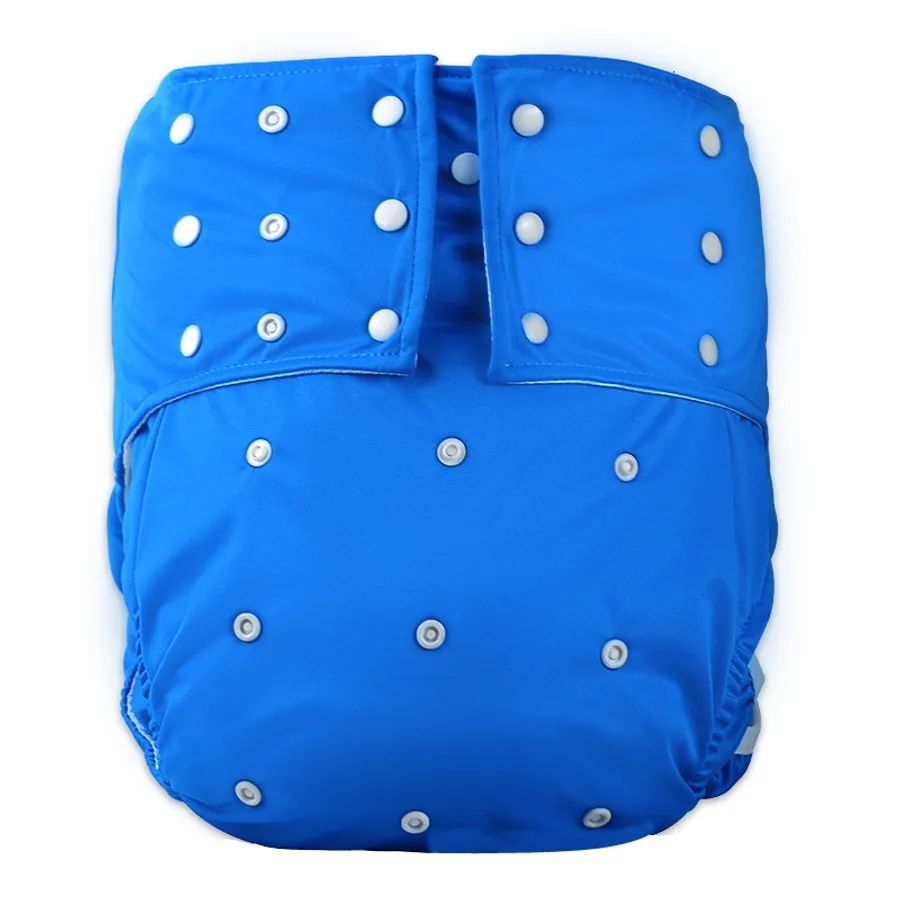
Postpartum recovery involves managing significant physiological changes, notably lochia—the postpartum uterine discharge consisting of blood, mucus, and uterine tissue. While traditional maternity pads are sufficient for many, many postpartum individuals find that adult diapers offer superior leak protection, comfort, and peace of mind during the first days and weeks following delivery, particularly after a cesarean section or a traumatic vaginal birth.
Understanding Postpartum Bleeding (Lochia) and Recovery Needs
The postpartum period, or puerperium, brings a rapid shift in a new parent's body as the uterus contracts back to its pre-pregnancy size and the body sheds the lining built up during gestation. This process results in lochia, a heavy vaginal discharge that typically starts bright red and gradually transitions to pinkish-brown, then yellowish-white over a period of four to six weeks.
In the immediate days following childbirth—often referred to as the "fourth trimester"—lochia flow can be exceptionally heavy, resembling or exceeding a very heavy menstrual period. Traditional maxi pads or maternity pads supplied by hospitals are designed for standard flow rates, which often leads to frequent changes, nighttime leaks, and significant anxiety about staining clothing, bedding, or furniture.
Adult diapers—frequently marketed as disposable underwear, postpartum underwear, or protective briefs—address these physical challenges by providing 360-degree absorption coverage. Unlike standard pads that rely entirely on the positioning of postpartum mesh underwear, disposable adult briefs integrate the absorbent core directly into a soft, pull-on garment. This structural integration eliminates the shifting, bunching, and side-leaking commonly associated with traditional pad-and-mesh combinations, allowing recovering individuals to rest, walk, and care for their newborns with greater confidence.
Comparing Postpartum Absorbent Products
Selecting the right postpartum product depends on the volume of flow, personal comfort preferences, mode of delivery, and budget. The market offers several distinct options, each with unique structural and functional characteristics.
| Product Type | Coverage & Security | Comfort & Fit | Ease of Use | Best Suited For |
|---|---|---|---|---|
| Adult Diapers / Disposable Underwear | Maximum; 360-degree protection with high-waisted briefs. | High; soft, stretchy, and eliminates shifting. | Very easy; pull-on design that tears away at the sides. | Heavy initial lochia flow, overnight protection, and cesarean recovery. |
| Hospital Mesh Underwear & Maternity Pads | Moderate to High; depends heavily on pad placement. | Moderate; mesh can feel loose, while pads may shift. | Moderate; requires adjusting two separate pieces. | Standard hospital recovery and moderate flow days. |
| Heavy-Duty Overnight Maxi Pads | Moderate; restricted to the center of standard underwear. | Varies; depends on the underlying underwear used. | Easy; requires standard underwear with wings. | Lighter flow phases or individuals sensitive to full briefs. |
| Reusable Cloth Postpartum Pads | Moderate; requires precise placement and frequent washing. | High; breathable cloth against sensitive skin. | Low; requires soaking, washing, and sanitizing. | Eco-conscious users with light-to-moderate postpartum flow. |
Why Adult Diapers Excel During Postpartum Recovery
The structural design of adult diapers offers distinct ergonomic advantages for postpartum bodies that have undergone significant trauma or stretching.
High-Waisted and Seamless Comfort
Following both vaginal and cesarean deliveries, the abdominal region is exceptionally tender. Traditional underwear waistbands frequently sit directly across the incision site of a C-section or press against sore uterine tissue. Quality adult diapers generally feature a high-rise, ultra-soft, and elasticized waistband that sits comfortably above the waistline or comfortably above a C-section incision without applying direct pressure or causing friction.
Prevention of Leaks and Anxiety
New parents experience broken sleep cycles and constant demands from a newborn. Waking up repeatedly to check for leaks or to wash stained sheets compounds postpartum exhaustion. The high absorption capacity and extended coverage area of adult diapers lock fluid away from the skin, significantly reducing the frequency of changes required overnight and eliminating the psychological burden of accidental leaks in public or at home.
Accommodation of Ice Packs and Perineal Care Products
The perineal area often experiences swelling, tearing, or episiotomy incisions after a vaginal birth. Recovering individuals frequently use cooling pads, witch hazel tucks pads, and perineal ice packs (such as FridaMom Perineal Ice Maxi Pads) to manage pain and inflammation. The roomy design of adult diapers easily accommodates these therapeutic additions without feeling overly restrictive or causing the contents to displace.
Considerations for C-Section vs. Vaginal Delivery Recovery
The mode of delivery heavily influences which postpartum absorbent product will feel most comfortable and supportive.
Cesarean Delivery Considerations
After a C-section, the primary physical concern is protecting the abdominal surgical incision from irritation, friction, and moisture accumulation.
- Incision Protection: Adult diapers with breathable, non-woven materials allow air circulation around the wound, which supports proper healing.
- Waistband Placement: It is critical to select briefs with a soft waistband that either rests well above the incision line or is seamless enough not to dig into the healing tissue.
- Ease of Removal: Pull-on briefs that feature tear-away side seams allow the user to remove the garment without bending over excessively or stepping out of them awkwardly, which protects abdominal muscles in the early days post-surgery.
Vaginal Delivery Considerations
Following a vaginal birth, the focus shifts heavily to perineal healing, lochia management, and pelvic floor trauma.
- Swelling and Pressure: The swelling in the perineal region requires loose, supportive materials that do not trap excessive heat or apply harsh downward pressure.
- Mobility: As individuals regain mobility after epidurals or intense labor, pull-on disposable underwear provides a secure, no-fuss solution that stays firmly in place during physical therapy or gentle walking.
How to Choose the Right Adult Diaper for Postpartum Use
When shopping for adult diapers for postpartum use, several performance and comfort criteria should guide the decision-making process:
- Material Softness and Breathability: Look for products labeled as hypoallergenic, fragrance-free, and made with breathable cloth-like materials rather than crinkly plastic backings. Plastic-backed options trap heat and moisture, increasing the risk of skin irritation or yeast infections in the delicate postpartum environment.
- Absorbency Level: Select moderate-to-heavy absorbency ratings for the first 3 to 7 days postpartum. As flow decreases in the second and third weeks, users can transition to lighter disposable underwear or standard maternity pads.
- Sizing Accuracy: Do not assume pre-pregnancy sizing applies directly. Pregnancy and postpartum fluid retention, swelling, and uterine expansion mean that sizing up—often using manufacturers' weight or hip measurement charts—ensures a comfortable, non-restrictive fit.
- Odor Control: High-quality postpartum briefs feature natural odor-neutralizing polymers that lock away moisture and neutralize ammonia smells without relying on heavy artificial perfumes that can irritate sensitive skin and healing tissues.
Common Mistakes to Avoid During Postpartum Recovery
Navigating postpartum care can be overwhelming, and certain habits or product choices can inadvertently slow down physical recovery or cause unnecessary discomfort.
- Using Scented Products: Scented adult diapers, heavily fragranced wipes, or perfumed pads can disrupt the natural vaginal microbiome, cause contact dermatitis, and irritate healing perineal or surgical tissues. Always opt for unscented, hypoallergenic supplies.
- Waiting Too Long Between Changes: Even highly absorbent adult diapers should be changed regularly—at least every 4 to 6 hours during heavy flow days—to prevent bacterial growth, skin breakdown, and diaper rash in the perineal region.
- Ignoring Skin Drying: After using the bathroom or a postpartum peri bottle, gently pat the skin dry with soft toilet paper or a clean cloth rather than rubbing before pulling the protective underwear back into place. Trapped moisture combined with lochia creates an ideal environment for skin irritation.
- Buying Too Few Supplies: Underestimating the volume and duration of lochia is a common oversight. It is safer to purchase one or two packs of adult diapers and transition to lighter pads later than to run out during the chaotic first week at home with a newborn.
Frequently Asked Questions
Are adult diapers better than maternity pads after birth?
Adult diapers offer superior coverage, security, and leak protection compared to standard maternity pads, especially during the heavy-flow days immediately following childbirth. Because the absorbent core is built into the underwear garment itself, there is no risk of pads shifting, bunching, or leaking out the sides, making them a preferred choice for nighttime sleep and postpartum mobility.
Can I wear adult diapers after a C-section?
Yes, many individuals who undergo a cesarean delivery find adult diapers exceptionally comfortable. However, it is essential to choose high-waisted briefs with soft, breathable waistbands that sit comfortably above the surgical incision line or avoid applying harsh pressure directly to the healing wound. Tear-away side seams are also beneficial for easy removal without straining abdominal muscles.
How many adult diapers will I need for postpartum recovery?
The total number required varies based on individual flow rates, but most new parents utilize between 3 to 6 disposable briefs per day during the first heavy week of lochia. Over a typical 2-to-3-week heavy flow period, having a total supply of 50 to 70 disposable underwear garments is generally sufficient before transitioning to standard pads.
Do adult diapers interfere with perineal healing or ice packs?
High-quality, breathable adult diapers do not interfere with healing, provided they are changed frequently to maintain hygiene. Furthermore, their roomy internal design easily accommodates perineal ice packs, tucks pads, and soothing foams without feeling overly tight or causing the therapeutic items to displace.
When should I transition away from adult diapers?
Most individuals transition away from adult diapers and back to standard underwear and light panty liners or regular pads once lochia flow significantly lessens and transitions from bright red to a lighter pink or yellow discharge, which typically occurs around two to three weeks postpartum.
Practical Next Steps for Your Birth Plan
As you prepare for your delivery, consider adding a pack of high-quality, unscented adult diapers directly to your hospital bag alongside your standard postpartum care items. Talk to your OB-GYN, midwife, or hospital care team about what supplies are provided during your stay and what you will need for home recovery. By prioritizing comfort, proper hygiene, and reliable leak protection, you can redirect your energy toward resting, healing, and bonding with your new baby.