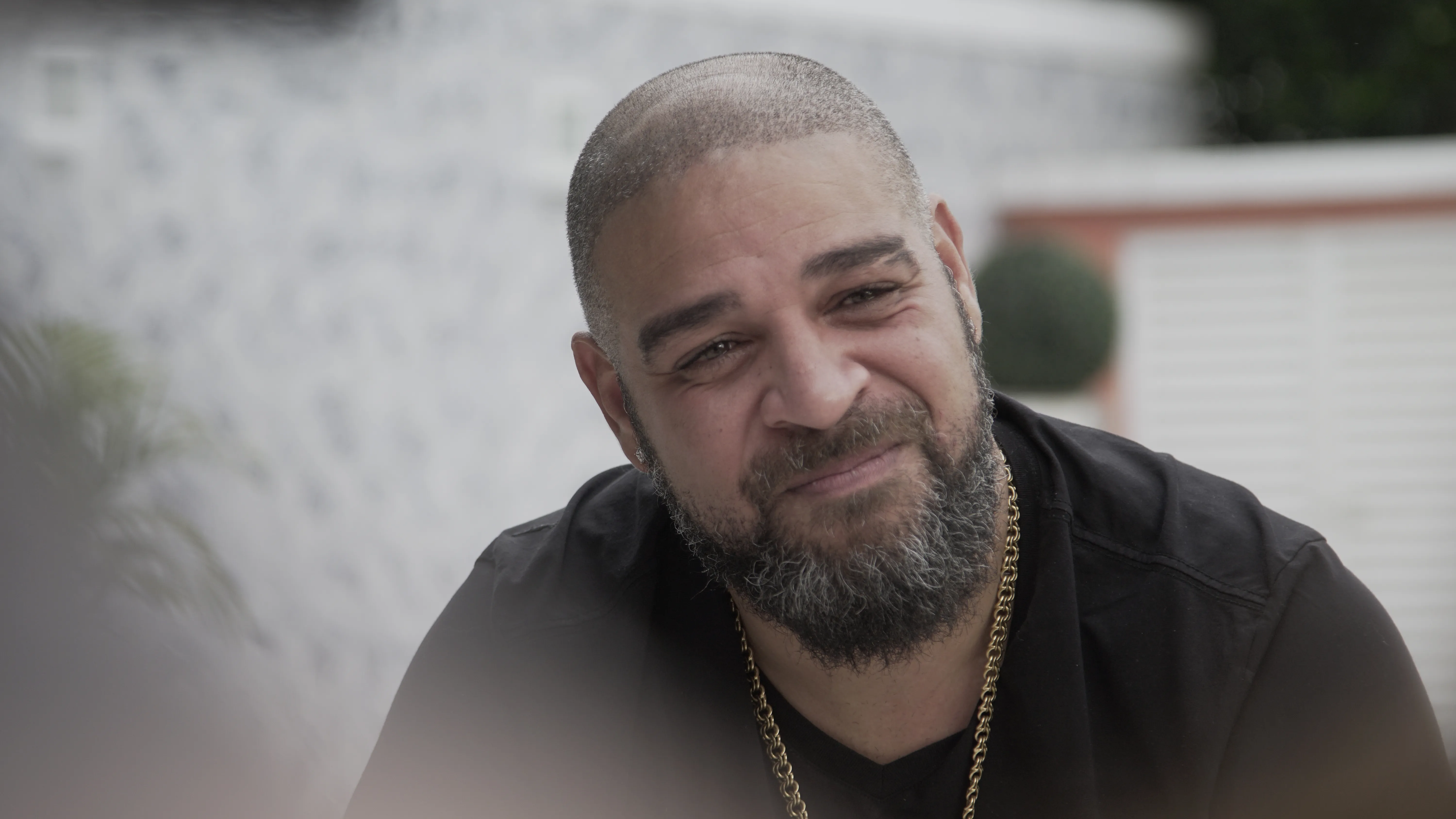
Adriano Imperador remains a towering figure in global football culture, recognized for his extraordinary physical power and his profound, relatable humanity. As of 2026, he is celebrated not just for his peak years at Inter Milan and the Brazilian national team, but for his role as a symbol of authenticity and mental health awareness in professional sports.
Born Adriano Leite Ribeiro in the Vila Cruzeiro favela of Rio de Janeiro, the striker known as "The Emperor" (L'Imperatore) captured the world's imagination in the early 2000s. His story is one of meteoric ascent followed by a complex struggle with grief and mental health—a narrative that resonates even more deeply in 2026 than it did during his playing days. To understand Adriano is to understand the intersection of elite athletic performance and the raw reality of the human condition.
The Rise of the Emperor: Technical Dominance and Physical Prowess
Adriano was a physiological anomaly in the best possible way. Standing 1.89 meters tall and possessing a frame that combined the strength of a heavyweight boxer with the agility of a winger, he redefined the role of the modern number nine. His arrival at Inter Milan in 2001, punctuated by a thunderous free-kick goal against Real Madrid in a friendly, signaled the birth of a superstar.
Between 2004 and 2006, Adriano was arguably the most feared striker on the planet. His technical profile was a rare blend of attributes:
- Physical Strength: He could shield the ball from the world’s most elite defenders with a single arm, making him impossible to dispossess.
- Ball Control: Despite his size, his close control in tight spaces was characteristic of the finest Brazilian "futsal" traditions.
- The Left Foot: His shooting power was legendary. It wasn't just about speed; it was the trajectory and heaviness of the strike that often left goalkeepers motionless.
- Aerial Ability: He was a constant threat on set pieces, using his height and timing to dominate the penalty area.
During this "spotlight" era, Adriano led Brazil to victory in the 2004 Copa América and the 2005 FIFA Confederations Cup. In both tournaments, he was the top scorer and the player of the tournament, filling the void left by Ronaldo Nazário and leading many to believe he would be the cornerstone of Brazilian football for a decade.
The Tragedy of 2004: A Career Altered by Grief
The most critical moment in Adriano’s life occurred in August 2004, just nine days after his heroics in the Copa América. His father, Almir Leite Ribeiro, passed away suddenly from a heart attack at the age of 44. Almir was not just a father; he was Adriano’s mentor, his anchor, and the primary motivation behind his career.
In the years following his father’s death, the spotlight on Adriano shifted from his goals to his perceived "lack of discipline." However, with the benefit of modern psychological understanding in 2026, we now recognize that Adriano was suffering from severe clinical depression. He famously stated that after his father died, he fell into a hole that he couldn't get out of, and the only temporary relief he found was in alcohol.
Despite his internal struggle, Adriano’s talent was so immense that he continued to produce moments of magic. However, the joy he once found in the game began to evaporate. His teammates at Inter Milan, including icons like Javier Zanetti, have spoken openly about their inability to pull him out of the darkness, highlighting the limitations of the sports support systems available during that era.
The Cultural Icon of Vila Cruzeiro
One of the most unique aspects of Adriano’s story is his refusal to abandon his roots. In a world where footballers often seek the isolation of gated communities and luxury enclaves, Adriano frequently returned to Vila Cruzeiro. This choice was often criticized by the media as "returning to the wrong crowd," but for Adriano, it was the only place where he felt seen as a human being rather than a commodity.
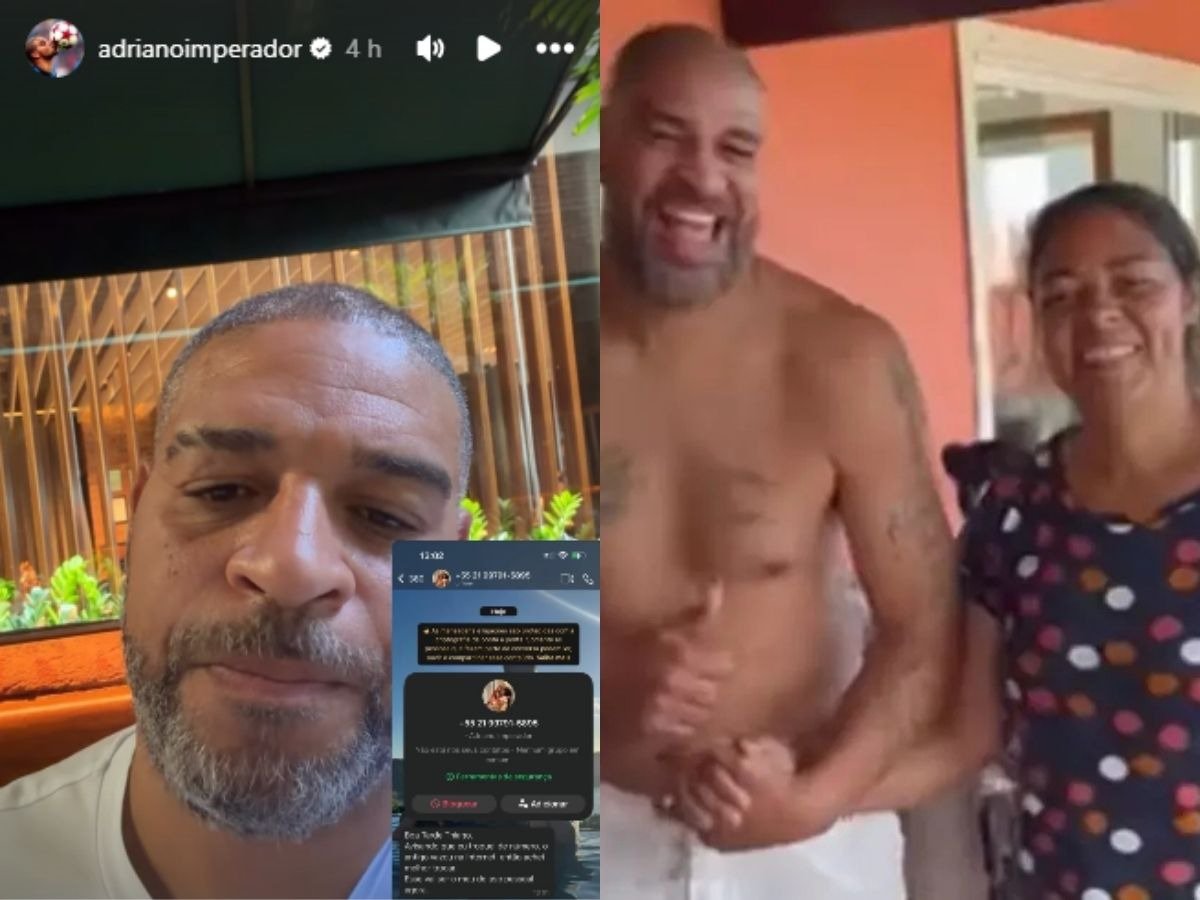
In 2026, Adriano's image as a "man of the people" has solidified his legacy. He is frequently seen in social media posts—unfiltered and unpretentious—grilling meat on the sidewalk, walking barefoot in the favela, and interacting with the community. This authenticity has made him a cult hero to a generation of fans who are weary of the highly curated, corporate personas of modern athletes. He represents a bridge between the unimaginable wealth of European football and the grit of Brazilian street life.
Career Milestones and Statistical Overview
To appreciate the impact of Adriano, one must look at his peak performance metrics. While his career was shorter than many of his peers, his output during his "Emperor" phase was world-class.
| Metric | Inter Milan (Peak Years) | Brazil National Team | Flamengo (2009) |
|---|---|---|---|
| Top Honors | 4 Serie A Titles, 2 Coppa Italia | Copa América (2004), Confed Cup (2005) | Campeonato Brasileiro (2009) |
| Key Attribute | Power / Long-range shooting | Match-winning goals | Leadership / Poaching |
| Goals Ratio | ~0.50 per game | ~0.56 per game | ~0.63 per game |
| Cultural Impact | "L'Imperatore" Moniker | Golden Boot / MVP | Redemption Arc |
His return to Flamengo in 2009 remains one of the most celebrated chapters in Brazilian club football. He led the team to their first national title in 17 years, finishing as the league's top scorer. This period proved that when he felt loved and at home, his technical brilliance remained unmatched.
Adriano in 2026: The Brand and the Legend
As of 2026, Adriano Leite Ribeiro has transitioned into a unique role within the sports and lifestyle industry. He serves as a global ambassador for several brands, but he does so on his own terms. His presence in the spotlight today is defined by a few key areas:
Mental Health Advocacy
Adriano’s openness about his depression and the impact of his father’s death has paved the way for younger athletes to speak about their mental well-being. He is frequently invited to speak at sports psychology forums, sharing his journey as a cautionary tale and a source of inspiration. He emphasizes that "the emperor is human," a message that has shifted the "tough guy" narrative in football.
The Digital Icon
His social media presence remains a phenomenon. In an era of high-production-value content, Adriano’s low-resolution, candid photos of his life in Rio receive millions of engagements. He has successfully monetized his authenticity without losing the "soul" that makes him popular. Fans in 2026 view him as the ultimate "anti-influencer."
Legacy in Gaming
Adriano’s legacy is also preserved in digital history. He is a legend in the Pro Evolution Soccer (PES) and FIFA (now EA Sports FC) communities. In 2026, his "Icon" cards and classic ratings remain some of the most sought-after by gamers, ensuring that even those too young to have seen him play live are aware of his legendary "99 shot power."
Examining the "What If" Narrative
The spotlight on Adriano often brings up the question of what he might have achieved had his father not passed away. Some argue he would have rivaled the career longevity of Zlatan Ibrahimović or the goal tallies of the greats. While these comparisons are inevitable, they often overlook what Adriano did achieve.
He won trophies at the highest level, dominated the best defenders of the Italian golden era, and became the face of a national team during a period of immense talent. More importantly, he maintained his integrity in a way few others have. He chose his peace over the pressures of a career that no longer fulfilled him. In 2026, the football world has largely stopped mourning the "missed potential" and started celebrating the incredible, albeit brief, peak of a player who dared to be vulnerable.
Technical Specifications of His Playstyle
For analysts and coaches in 2026, Adriano remains a case study in "Power Forward" mechanics. His ability to generate torque from a standing position was scientifically notable.
- Lower Body Strength: His quadriceps and glutes provided a stable base that allowed him to resist challenges from multiple defenders simultaneously.
- Kinetic Chain: His shooting motion was remarkably efficient, using his core to transfer power into his left foot without needing a long run-up.
- Psychological Intimidation: He possessed an "aura" that affected defensive lines. In the mid-2000s, teams would often double-mark him, leaving space for teammates like Kaká or Ronaldinho to exploit.
Common Misconceptions About His Career
When Adriano is in the spotlight, several myths often surface. It is important to clarify these points based on verified accounts and historical data:
- Myth: He was "lazy." In reality, he struggled with a medical condition (depression) that manifested as a lack of motivation, which is a common symptom.
- Myth: He lost his wealth. While he lives a more modest life than some billionaires, Adriano is financially stable and has invested in various enterprises in Brazil. He chooses to spend time in the favela by choice, not by necessity.
- Myth: He never regained his form after Inter. His 2009 season with Flamengo and his stint at São Paulo showed that he remained an elite striker well into his late 20s when the environment was supportive.
FAQs About Adriano Imperador
Why was he nicknamed "The Emperor"?
The nickname was given to him by Italian fans and media during his time at Inter Milan. It was a play on his name (Adriano / Hadrian) and a tribute to his majestic, commanding presence on the pitch, which reminded people of the power of ancient Roman emperors.
Is Adriano still involved in professional football in 2026?
While he does not coach or manage, he acts as a consultant and ambassador. He is frequently seen at Inter Milan matches and Flamengo events, serving as a bridge between the clubs and their fanbases. He also works with youth academies to discuss the pressures of fame.
What is his most famous goal?
While he scored many, his last-minute equalizer against Argentina in the 2004 Copa América final is widely considered his most iconic moment. It forced a penalty shootout that Brazil eventually won, cementing his status as a national hero.
How does his legacy affect modern Brazilian players?
Players like Richarlison and Gabriel Jesus have cited Adriano as an influence. His journey has helped the Brazilian Football Ramos (CBF) and individual clubs implement better mental health support systems, ensuring that players have resources to deal with personal tragedies.
Did he ever win the Ballon d'Or?
He never won the award, but he finished in the top 10 of the voting during his peak years (2004 and 2005). During that time, he was widely regarded as the best striker in the world, even if the individual trophy eluded him.
Where can I watch his documentary?
As of 2026, the definitive documentary Adriano, Imperador is available on major streaming platforms like Paramount+. It features firsthand accounts from Adriano himself, his family, and former teammates like Javier Zanetti and Ronaldo.
Recommendation for Fans and Researchers
To truly appreciate the phenomenon of Adriano Imperador, one should look beyond the highlights of his goals. Study the interviews where he discusses his father, and observe his interactions with the people of Vila Cruzeiro. His story serves as a vital reminder that athletes are not invincible machines.
For those looking to understand his technical impact, analyzing his 2004-2005 Inter Milan footage provides the best blueprint for the physical "number nine" role. However, for a complete picture, his 2009 Flamengo season offers the best insight into his emotional resilience and his connection to the Brazilian people. Adriano’s spotlight will never truly fade because it is fueled by a rare, undeniable truth: he chose to be happy rather than to be perfect.