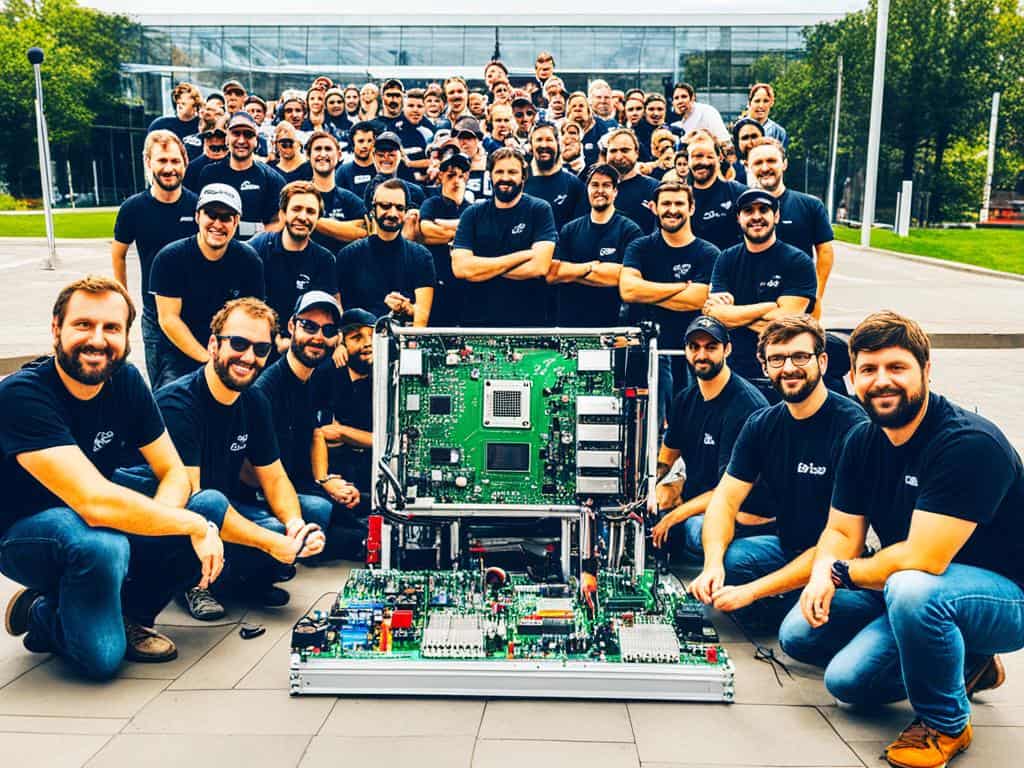
The term "adoptapalooza" has occasionally surfaced in technology circles as an informal descriptor or themed event concept to encourage project adoption, community contribution, and the revitalization of stagnant open source repositories. While traditional open source collaboration has long relied on distributed git workflows, pull requests, and asynchronous mailing lists, the future of open source collaboration demands more proactive, community-driven models. Events and paradigms styled around project "adoption" aim to bridge the gap between orphaned codebases and developers seeking meaningful ways to contribute to the software ecosystem.
Understanding the Evolution of Open Source Collaboration
Open source software has transformed from a decentralized hobbyist movement into the bedrock of modern enterprise technology infrastructure. From cloud-native orchestration tools like Kubernetes to foundational operating system kernels, collaborative coding models power the digital world. However, the traditional mechanics of open source participation—characterized by asynchronous code reviews, contributor friction, and maintainer burnout—face mounting pressure.
Historically, collaboration occurred through structured pipelines: an issue was filed, a fork was created, code was written, and maintainers reviewed the submission. While effective for massive projects with dedicated foundations, this model often fails for smaller or mid-tier libraries. Contributors face steep onboarding curves, opaque contribution guidelines, and unresponsive maintainers due to volunteer fatigue.
Consequently, the future of open source collaboration is shifting toward interactive engagement, real-time mentorship, and structured project adoption initiatives. Events inspired by the "adoptapalooza" ethos attempt to solve maintainer scarcity by matching eager developers directly with repositories that require urgent TLC, security patches, or feature modernization.
The Maintainer Burnout Crisis and Project Attrition
At the heart of modern open source challenges lies maintainer burnout. Many critical software packages are maintained by a single developer or a very small, underfunded team. When these maintainers experience burnout, lack of time, or shifts in personal priorities, repositories become abandoned.
An abandoned repository creates cascading vulnerabilities across the software supply chain. Applications relying on unmaintained dependencies inherit unpatched security flaws, broken compatibility with newer language runtimes, and outdated documentation.
Key Factors Contributing to Project Attrition
- Lack of Financial Sustainability: Most open source contributions remain unpaid labor, forcing maintainers to prioritize professional obligations over community maintenance.
- Administrative Burden: Beyond writing code, maintainers spend significant time managing issues, triaging pull requests, moderating community forums, and handling security disclosures.
- Onboarding Friction: Poorly documented codebases deter new contributors, creating a vicious cycle where a project cannot attract the help it desperately needs.
Addressing these attrition vectors requires systemic changes in how communities value, adopt, and sustain collaborative codebases. Initiatives that gamify or structurally organize project adoption help redistribute this maintenance burden across wider developer networks.
Innovative Models in Collaborative Software Development
To ensure long-term resilience, the open source community is adopting new paradigms that redefine how developers interact with code repositories. These models move beyond passive observation and standard pull requests into active, communal stewardship.
Collaborative Comparison of Open Source Engagement Models
| Model | Primary Focus | Typical Participant | Main Challenge | Future Outlook |
|---|---|---|---|---|
| Traditional PR Workflow | Asynchronous code submission | Individual contributors | High friction, slow review cycles | Remains foundational for enterprise projects |
| Hackathons & Sprints | Rapid feature prototyping | Event attendees, students | Short-term engagement, low long-term maintenance | Evolving toward structured project adoption |
| Adopt-a-Repo Initiatives | Revitalizing unmaintained code | Mentored developers, corporate teams | Initial code audit overhead | Growing focus for security and dependency health |
| Corporate-Backed Foundations | Governance, legal, and financial backing | Enterprise sponsors, paid maintainers | Bureaucracy, slower agility | Dominant model for critical infrastructure |
As outlined above, structured adoption initiatives and foundation-backed stewardship offer distinct advantages in combating project abandonment compared to traditional ad-hoc contribution models.
Practical Steps for Adopting and Revitalizing an Open Source Project
For developers, organizations, or open source advocates looking to participate in project adoption events or independently rescue an unmaintained codebase, a systematic approach is essential. Revitalizing a stagnant repository requires technical due diligence and community rebuilding.
1. Repository Audit and License Verification
Before committing resources to an abandoned project, inspect the license to ensure it permits forks, relicensing, or commercial use (e.g., MIT, Apache 2.0, BSD). Review the codebase for technical debt, dependency vulnerabilities, and test coverage. If tests are entirely absent, establishing a baseline test suite must be the first engineering priority.
2. Establishing Contact with Original Maintainers
Attempt to reach out to the original authors via GitHub issues, email, or associated communication channels. Politely inquire about transfer of ownership, administrative rights on package registries (such as npm, PyPI, or crates.io), or official co-maintainer status. If the original author is unresponsive, check repository policies or fork the project under a clear, respectful derivative name.
3. Modernizing CI/CD and Dependency Pipelines
Stagnant repositories often feature broken continuous integration (CI) pipelines, outdated compiler versions, or deprecated deployment scripts. Upgrading GitHub Actions, GitLab CI, or local build scripts to modern standards immediately signals to prospective contributors that the project is active and healthy.
4. Rewriting and Improving Documentation
Documentation is the primary onboarding mechanism for any collaborative project. Clear README files, installation guides, contribution guidelines (CONTRIBUTING.md), and code-of-conduct documents lower the barrier to entry for new developers.
Frequently Asked Questions
What does "adoptapalooza" mean in the context of software development?
The term playfully combines "adoption" and "Lollapalooza" to describe community-driven events or movements focused on rescuing, adopting, and modernizing abandoned or underfunded open source software repositories.
How can a developer find open source projects that need adoption?
Developers can look for repositories marked with labels like "help wanted," "orphaned," or "unmaintained" on platforms like GitHub and GitLab, or participate in specialized community sprints, hackathons, and open source stewardship programs.
What are the legal risks of taking over an unmaintained open source repository?
You must verify the original project's license. If the repository lacks a clear open source license, you legally cannot modify, distribute, or fork the code without explicit permission from the copyright holder, even if the repository is publicly visible.
How do corporate sponsors support open source collaboration?
Corporations increasingly fund open source sustainability through grants, dedicated open source program offices (OSPOs), paid developer time for core maintenance, and backing neutral governance entities like the Cloud Native Computing Foundation (CNCF) or the Apache Software Foundation.
Strategic Recommendations for Sustainable Collaboration
To secure the future of open source collaboration, stakeholders across the software ecosystem must align incentives between individual contributors, enterprises, and maintainers. Organizations benefiting from open source software should allocate financial resources and engineering hours directly to dependency maintenance rather than consuming code downstream without contribution.
For individual developers, engaging with project adoption initiatives offers a powerful pathway to leadership, deep technical mastery, and meaningful impact within the global developer community. By treating software maintenance not as an administrative chore, but as a collaborative act of stewardship, the developer ecosystem can safeguard its foundational infrastructure for decades to come.