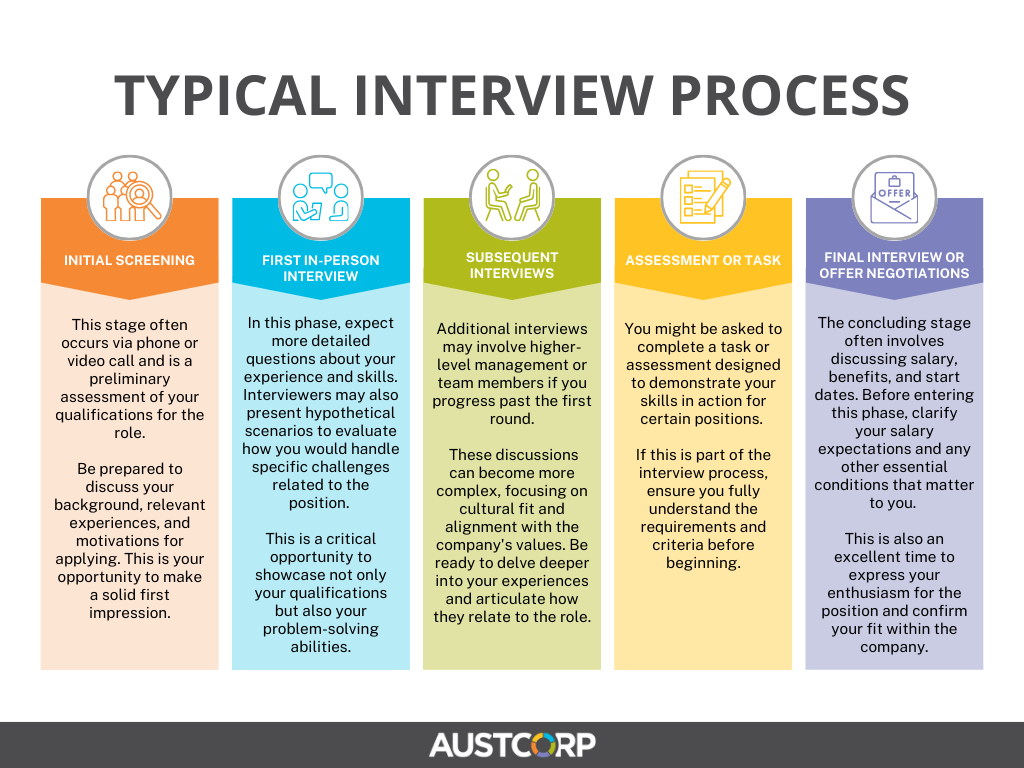
The Adobe interview process is a rigorous multi-stage evaluation typically lasting four to six weeks, designed to assess technical competency, product intuition, and cultural alignment. It generally includes a recruiter screen, a technical phone interview or online assessment, and a virtual onsite consisting of four to five rounds focusing on coding, system design, and Adobe’s core values.
Navigating the recruitment landscape at Adobe in 2026 requires more than just technical proficiency; it demands a deep understanding of how the company’s cloud-based ecosystems—Creative Cloud, Document Cloud, and Experience Cloud—interact. As Adobe continues to lead in the integration of generative AI through its Firefly models, candidates across all roles, from Software Engineering to Product Management, are expected to demonstrate an ability to build and scale ethical, high-performance digital experiences.
The Adobe Interview Lifecycle: From Application to Offer
The journey through the Adobe hiring pipeline is structured to ensure that candidates are not only capable of performing their specific job functions but are also long-term cultural fits for the organization. While the specific sequence may vary slightly depending on the seniority of the role and the specific business unit, the following stages represent the standard workflow for most professional positions.
Initial Recruiter Screening
The process begins with a 30-minute conversation with a member of the Adobe Talent Acquisition team. This is a high-level screening designed to verify your background, understand your career motivations, and gauge your interest in Adobe. Recruiters typically look for "signal" regarding your experience with specific technologies or product methodologies relevant to the team you are interviewing with.
During this call, be prepared to discuss your current role, your reasons for wanting to join Adobe, and your salary expectations. It is also a prime opportunity to ask about the team structure and the specific challenges they are currently facing. A successful recruiter screen leads to the more intensive technical or functional evaluation phases.
Technical Assessment or First-Round Interview
For technical roles, such as Software Engineering or Data Science, Adobe often utilizes an online assessment (OA) platform like HackerRank or Byteboard. These assessments typically focus on data structures, algorithms, and sometimes specialized topics like machine learning or front-end architecture.
In some cases, or for non-technical roles like Marketing or Sales, this stage may be replaced by a technical phone screen with a peer or a hiring manager. This 45-to-60-minute interview dives deeper into your resume and tests your ability to solve role-specific problems in real-time. For engineers, this might involve live coding in a shared editor; for product managers, it might involve a case study on improving a specific Adobe tool like Photoshop or Acrobat.
The Virtual Onsite Loop
The "Onsite" (now almost exclusively conducted via video conferencing) is the most critical part of the process. It consists of four to five back-to-back sessions, each lasting approximately 45 to 60 minutes. These interviews are conducted by various stakeholders, including potential peers, cross-functional partners, and a hiring manager. The onsite loop is designed to test the depth of your expertise and your ability to collaborate across different disciplines.
Detailed Breakdown of Onsite Interview Rounds
The onsite loop is comprehensive, covering every facet of a candidate’s professional profile. In 2026, Adobe has placed an increased emphasis on "Product Thinking," even for backend engineering roles, reflecting the company’s focus on user-centric innovation.
1. Coding and Problem Solving (Technical Roles)
For engineers, at least two rounds are dedicated to coding. Unlike some "Big Tech" firms that rely solely on obscure competitive programming puzzles, Adobe tends to favor practical problems. You might be asked to implement a feature that mimics a real-world application, such as an undo/redo stack or a simplified version of a collaborative editing system.
Key areas of focus include:
- Data Structures: Mastery of arrays, linked lists, trees, graphs, and hash maps.
- Algorithm Optimization: Time and space complexity analysis (Big O notation) is mandatory for every solution you provide.
- Code Quality: Adobe prizes clean, maintainable code. Use descriptive variable names and consider edge cases such as null inputs or large datasets.
2. System Design and Architecture
As roles become more senior, the focus shifts toward system design. These rounds test your ability to build scalable, reliable, and maintainable distributed systems. At Adobe, this often relates to cloud infrastructure—how to handle millions of concurrent users uploading assets to the Creative Cloud or how to manage real-time data processing for Adobe Experience Platform.
Expect to discuss load balancing, database sharding, caching strategies, and microservices architecture. In 2026, expect questions regarding the integration of AI models into these systems, specifically focusing on latency and the ethical implications of data handling.
3. Product Sense and User Experience
Adobe is a product-led company. Whether you are a Designer or a Developer, you will likely face questions about product intuition. Interviewers want to see if you understand the "Why" behind a product. You might be asked to critique an existing Adobe product or design a new feature from scratch for a specific user persona, such as a professional video editor or a small business owner using Adobe Express.
4. Behavioral and Cultural Alignment
The "Adobe Check" is a crucial component of the interview loop. Adobe identifies four core values that define its culture: Genuine, Exceptional, Innovative, and Involved. Behavioral interviews use the STAR method (Situation, Task, Action, Result) to explore how your past actions align with these values.
Interviewers will ask about times you handled conflict, how you’ve innovated under pressure, and how you’ve contributed to a diverse and inclusive work environment. Showing a genuine passion for Adobe’s mission—to change the world through digital experiences—is essential here.
Role-Specific Technical Requirements
Preparation must be tailored to the specific functional area of the role. Adobe’s diverse product portfolio means that the required skill sets can vary significantly between the Creative Cloud and Experience Cloud teams.
Software Engineering (Generalist and Specialized)
Most generalist roles require a strong foundation in C++, Java, or JavaScript/TypeScript. However, specific teams have unique requirements:
- Creative Cloud: Heavy emphasis on C++, graphics programming (OpenGL/Vulkan), and performance optimization.
- Experience Cloud: Focus on Java, Scala, distributed systems, and big data technologies like Spark or Flink.
- Web Teams: Deep expertise in React, Next.js, and web performance metrics.
Product Management
Adobe PMs are expected to be the "CEO of the product." Preparation should focus on market analysis, defining North Star metrics, and cross-functional leadership. You should be intimately familiar with the Adobe Product Portfolio and be ready to discuss how Adobe can stay competitive against emerging AI-first startups.
UX and UI Design
Designers must present a portfolio that demonstrates not just high-fidelity visuals but a deep understanding of the user journey. The "Portfolio Review" round is the centerpiece of the design interview. You will be expected to walk through one or two major projects, explaining the research, the iterations, and the eventual impact of your design decisions.
Comparison of Adobe Interview Process with Other Tech Giants
While Adobe shares similarities with the "FAANG" (Meta, Amazon, Apple, Netflix, Google) style of interviewing, there are distinct differences in their evaluation criteria and process intensity.
| Feature | Adobe | Google / Meta | Amazon |
|---|---|---|---|
| Primary Focus | Product impact and clean code | Algorithmic complexity and scale | Leadership Principles (LPs) |
| Coding Difficulty | Medium to Hard (Practical) | Hard (Theoretical/Abstract) | Medium (Focus on LPs) |
| System Design | Focused on Cloud & Assets | Focused on Global Scale | Focused on Operational Excellence |
| Cultural Fit | Adobe Values (Genuine/Innovative) | "Googliness" / Culture Fit | 16 Leadership Principles |
| Interview Duration | 4-6 Weeks | 6-10 Weeks | 3-5 Weeks |
| AI Assessment | High (Firefly/Generative AI) | High (LLMs/Search) | Medium (AWS/ML Infrastructure) |
Strategic Preparation Roadmap
To succeed at Adobe in 2026, follow this structured preparation plan. Rushing into the interview without a clear strategy often leads to missing the nuanced "Product Sense" requirements that Adobe values so highly.
Step 1: Master the Fundamentals
Spend three to four weeks brushing up on data structures and algorithms. Use platforms like LeetCode, focusing on the "Adobe" tagged questions. Pay special attention to problems involving strings, trees, and dynamic programming, as these frequently appear in Adobe technical rounds.
Step 2: Deep Dive into System Design
For mid-to-senior level roles, read "Designing Data-Intensive Applications" by Martin Kleppmann. Understand the architecture of Adobe’s major clouds. Research how Adobe handles high-volume asset storage and real-time collaboration features in tools like Adobe Premiere Pro and Figma (given their historical and collaborative relationship).
Step 3: Analyze the Adobe Ecosystem
You cannot interview effectively at Adobe without knowing their products. Download and use the latest versions of Photoshop, Acrobat, and Adobe Express. Research the latest updates to Adobe Firefly and understand how Adobe is positioning itself as the "ethical" leader in generative AI.
Step 4: Refine Your Behavioral Stories
Prepare at least five to seven stories using the STAR method. Ensure these stories cover different aspects of the Adobe values. For example, have a story ready for "Innovation" that describes a time you solved a problem using a non-traditional approach.
Step 5: Mock Interviews
Practice with a peer or use a mock interview platform. Adobe interviewers often ask follow-up questions that challenge your initial assumptions. Practicing out loud helps you refine your communication style, ensuring you can explain complex technical concepts to non-technical stakeholders.
Frequently Asked Questions
What is the most important value to demonstrate during an Adobe interview?
While all four values are important, "Innovative" and "Exceptional" are often the most scrutinized during technical rounds. Adobe looks for candidates who don't just find a solution that works, but find the most elegant and scalable solution possible. They want to see that you can think outside the box to solve the unique challenges of creative software.
Does Adobe require a coding test for every role?
No. Coding tests are standard for Engineering, Data Science, and some Product Management roles with a heavy technical focus. For roles in Sales, Marketing, or Human Resources, the technical assessment is replaced by role-specific case studies or presentations that evaluate functional expertise.
How does Adobe view candidates who have failed previous interviews?
Adobe encourages "boomerang" candidates and those who have improved since a previous attempt. Generally, there is a six-month to one-year "cool-down" period before you can reapply for the same role. If you can demonstrate significant growth in your skills or experience during that interval, a previous rejection is not held against you.
How much weight is given to the "Adobe Values" round?
Significant weight is given to cultural alignment. Adobe's hiring committee looks for "strong signals" in both technical ability and cultural fit. A candidate who is a technical genius but demonstrates a lack of empathy or collaborative spirit during the behavioral rounds is unlikely to receive an offer.
Are Adobe interviews still conducted remotely in 2026?
Yes, most first-round and onsite interviews are conducted via video conferencing (typically Microsoft Teams or Adobe Connect). However, for senior executive roles or specific regional offices, there may be an invitation for a final in-person "meet the team" session once the technical evaluations are complete.
Final Recommendations for Candidates
Success at Adobe requires a balanced approach. While your technical skills get you through the door, your ability to articulate the value of your work within the context of Adobe’s creative and experience ecosystems is what will get you the offer.
- Be Product-Aware: Don't just code in a vacuum. Understand how your code affects the end user’s creative flow.
- Focus on Generative AI: Be prepared to discuss how AI is transforming the creative industry and what role you can play in building responsible AI tools.
- Engage with the Interviewer: Adobe's culture is highly collaborative. Treat the interview as a working session rather than a test. Ask clarifying questions and walk the interviewer through your thought process.
By combining rigorous technical practice with a deep dive into the Adobe Careers philosophy, you can position yourself as an exceptional candidate ready to contribute to the next generation of digital experiences.