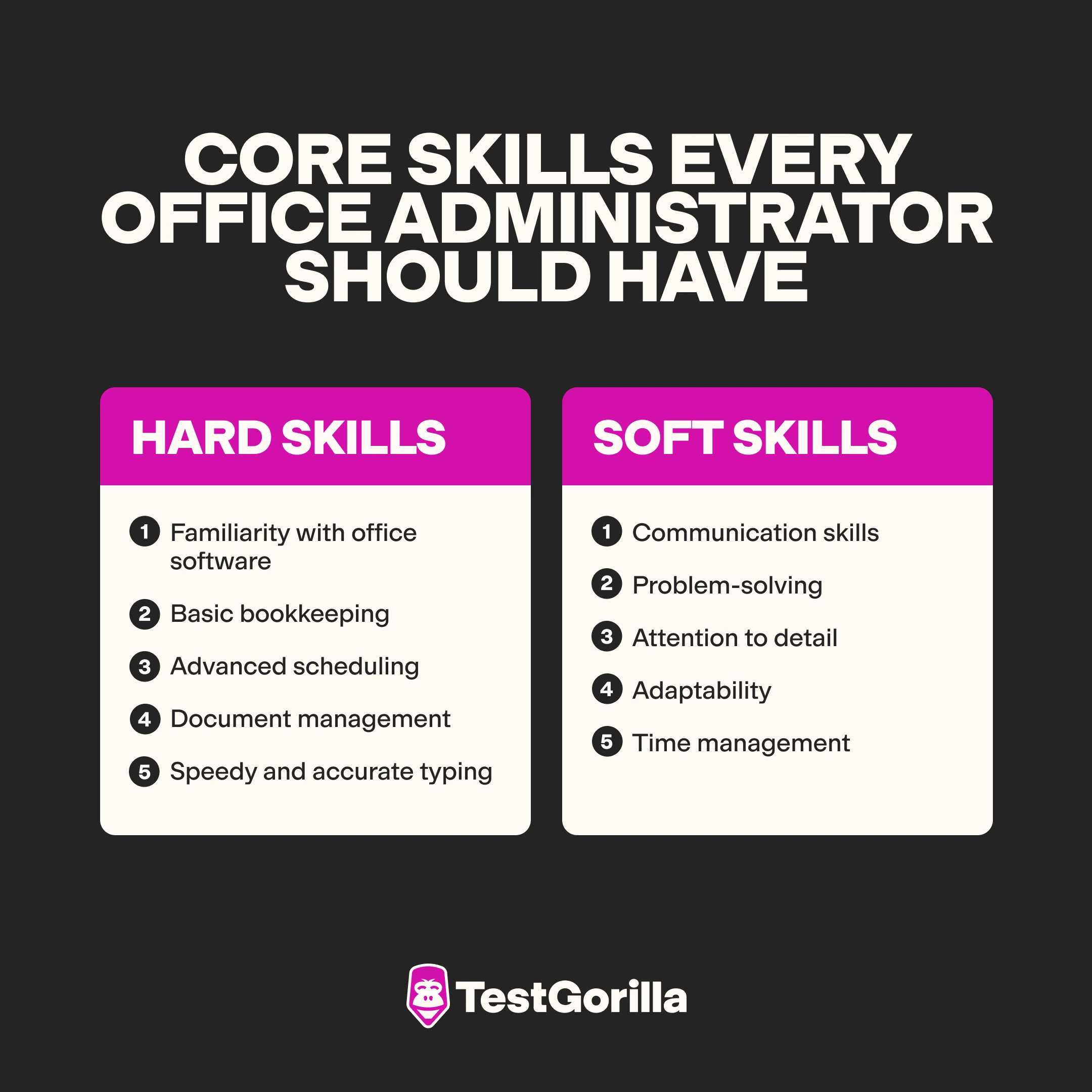
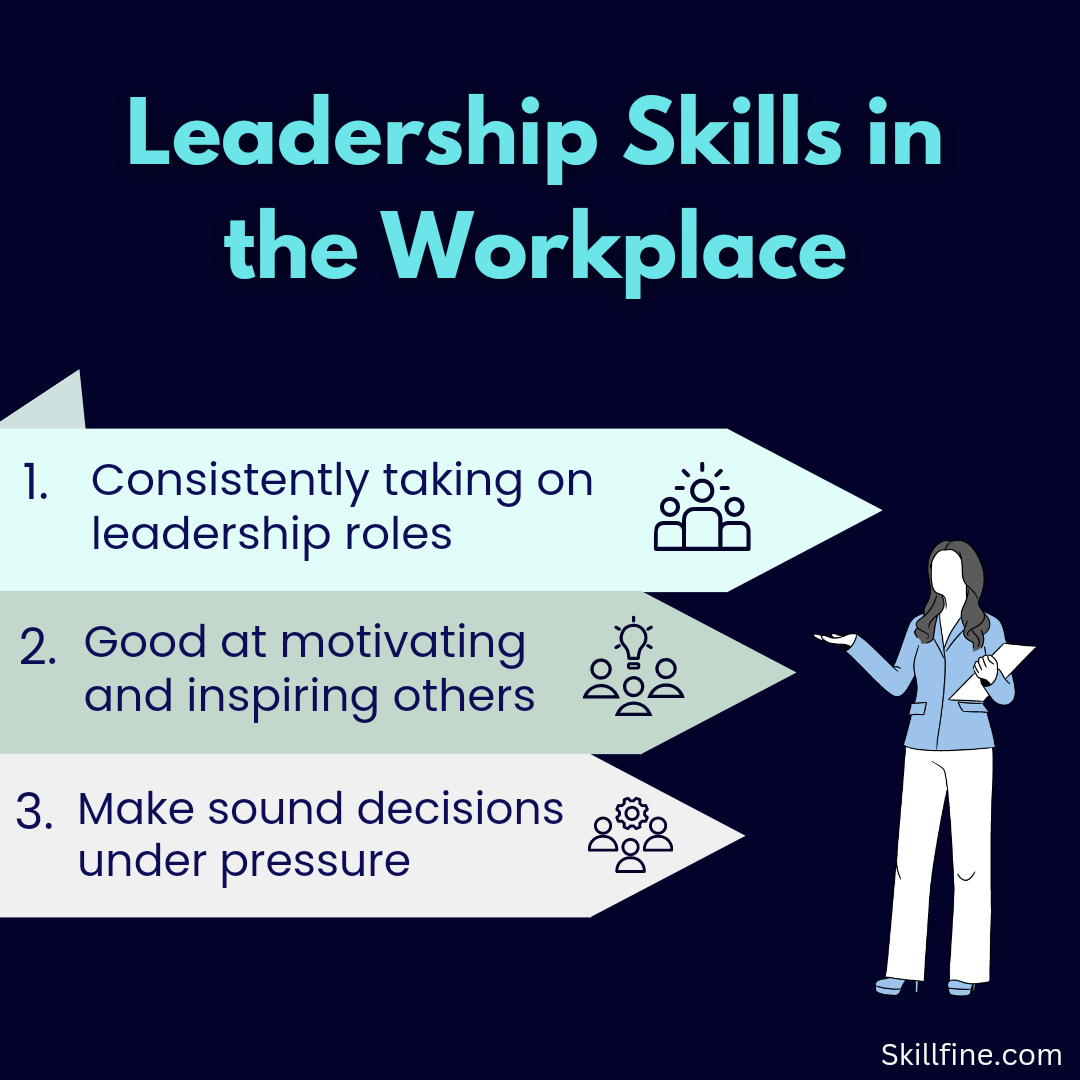
Administrative skills for the workplace are the core competencies required to manage office operations, facilitate internal and external communications, and optimize organizational efficiency. These skills encompass a blend of technical proficiency in digital tools, strategic time management, and high-level interpersonal communication, enabling professionals to support leadership and ensure seamless business workflows.
The Evolution of Administrative Competency
The landscape of the professional environment has undergone a significant transformation leading into 2026. While the fundamental goals of administration—order, efficiency, and support—remain constant, the methods used to achieve them have shifted toward a hybrid model of human intuition and digital automation. Administrative skills are no longer confined to a specific job title like "Secretary" or "Assistant." Instead, they have become a universal requirement for project managers, team leads, and operations specialists.
To master administrative skills in the current era, one must look beyond simple task execution. Modern administration involves the oversight of complex ecosystems where data privacy, remote collaboration, and AI-driven scheduling intersect. Understanding how to navigate these systems allows a professional to move from a reactive state—simply responding to requests—to a proactive state where they anticipate the needs of the organization before they manifest as urgent problems.
Essential Technical Proficiencies
In 2026, technical administrative skills are defined by a professional's ability to leverage software as a force multiplier. Proficiency is no longer measured by the ability to type quickly, but by the ability to manage integrated digital environments.
Advanced Digital Workspace Management
Standard office suites have evolved into deeply integrated cloud ecosystems. A proficient administrator must master platform-specific automations. This includes setting up complex workflows in environments like Microsoft 365 or Google Workspace, where a single form entry can trigger a cascade of events: updating a spreadsheet, notifying a manager via Slack or Teams, and generating a draft contract in a CRM.
Effective data management is another pillar of technical administration. Professionals must understand the basics of data hygiene—ensuring that records are accurate, deduplicated, and stored according to internal governance policies. With the tightening of global data protection regulations, an administrator often serves as the first line of defense in maintaining compliance and securing sensitive employee or client information.
Artificial Intelligence and Automation Literacy
By 2026, the use of Large Language Models (LLMs) and specialized AI agents has become standard for administrative tasks. The skill lies in "Prompt Engineering" and verification. An administrator uses AI to draft initial reports, summarize lengthy board meetings from transcriptions, and manage complex travel itineraries across multiple time zones.
However, the "human in the loop" requirement is more critical than ever. Administrative professionals are responsible for auditing AI outputs for "hallucinations" or factual errors. They must also manage the ethical implications of AI, such as ensuring that automated scheduling tools do not inadvertently create biases in meeting distributions or workload allocations.
Communication and Interpersonal Excellence
While software handles the "what" of office management, interpersonal skills handle the "who." Administrative skills are fundamentally about managing relationships and expectations.
Strategic Stakeholder Communication
Communication in the workplace is now largely asynchronous. The ability to write clear, concise, and actionable messages across various platforms is a high-value skill. An administrator must be able to adjust their tone and medium based on the recipient—be it a formal executive summary for a CEO or a quick, collaborative update on a project management board for a creative team.
Active listening and emotional intelligence (EQ) remain irreplaceable. In high-pressure environments, the administrator often acts as a buffer. They must decode the underlying needs of a frustrated client or a stressed executive, providing solutions that address the emotional context as well as the logistical requirement. This involves high-level conflict resolution skills and the ability to maintain confidentiality in sensitive situations.
Cross-Functional Coordination
Modern organizations are often siloed. A key administrative skill is acting as the "connective tissue" between departments. This involves understanding the workflows of the finance, legal, and marketing teams to ensure that a project moving through the office doesn't hit a bottleneck.
For example, when onboarding a new vendor, an administrator must coordinate with Legal for contract review, Finance for payment terms, and IT for system access. Missing a single step in this chain can delay operations for weeks. Mastery of this skill requires a holistic view of the company’s internal architecture.
Organizational Strategy and Time Management
Efficiency is the byproduct of meticulous organization. In a 2026 workplace characterized by "deep work" and "constant connectivity," the ability to guard one's time—and the time of the team—is a specialized skill set.
Prioritization Frameworks
The volume of incoming tasks can be overwhelming. Professionals must employ sophisticated prioritization frameworks such as the Eisenhower Matrix (distinguishing between urgent and important) or the "Time Blocking" method. Administrative excellence involves not just managing a to-do list, but managing energy and focus.
A strategic administrator knows how to "gatekeep" effectively. This doesn't mean blocking access to leadership, but rather ensuring that the leadership's time is spent on high-impact activities. This requires an understanding of the company's quarterly goals and the ability to say "no" or "not now" to requests that do not align with those priorities.
Event and Project Coordination
Whether it is a virtual global summit or a physical board meeting, the administrative skill of event coordination is about detail orientation. It involves logistics (venue, tech stack, catering), participant management (invitations, RSVPs, dietary restrictions), and follow-through (minutes, action items, feedback loops).
Project management principles like Scrum or Kanban are now frequently applied to administrative workflows. Using tools like Asana, Monday.com, or Jira to track the progress of administrative "sprints" ensures that recurring tasks—such as monthly financial reconciliations or quarterly performance reviews—are never missed.
Comparative Skill Requirements: 2020 vs. 2026
The following table highlights the shift in expectations for administrative roles over the last several years.
| Skill Category | Traditional Approach (c. 2020) | Modern Approach (2026) |
|---|---|---|
| Software | Basic Excel and Word usage. | Integrated SaaS automation and AI prompting. |
| Communication | Managing phone calls and emails. | Managing multi-channel asynchronous workflows. |
| Scheduling | Manual calendar entry and back-and-forth. | AI-assisted optimized scheduling and buffer management. |
| Problem Solving | Following established SOPs (Standard Operating Procedures). | Iterative process improvement and system design. |
| Data | Simple data entry. | Data governance, privacy compliance, and visualization. |
| Workspace | Managing a physical office location. | Managing hybrid/remote hubs and digital security. |
Professional Development and Skill Acquisition
Building these skills requires a commitment to continuous learning. Because the tools of the trade change rapidly, the most important administrative skill is "learnability."
- Certification and Training: Pursue certifications that go beyond general office work. Targeted training in Project Management Professional (PMP) or Certified Administrative Professional (CAP) status provides a structured foundation.
- Tool-Specific Mastery: Instead of a general understanding, seek "Expert" level certifications in specific platforms like Salesforce, Microsoft Power Automate, or HubSpot.
- Soft Skill Workshops: Engage in training focused on negotiation, difficult conversations, and DEI (Diversity, Equity, and Inclusion) to ensure that the workplace environment remains professional and inclusive.
Frequently Asked Questions
Can I develop administrative skills without a formal degree?
Yes. Many high-level administrative professionals enter the field through entry-level coordinator roles and build their skills through hands-on experience and specialized certifications. In 2026, employers often value a portfolio of technical certifications and a proven track record of process improvement over a specific degree.
What is the most important administrative skill for remote work?
Self-management and "proactive communication." In a remote environment, your manager cannot see you working. You must be able to structure your own day, meet deadlines without reminders, and over-communicate progress using digital tools to ensure everyone stays aligned.
How has AI changed the role of an administrative assistant?
AI has shifted the role from "doing" to "directing." Instead of manually typing minutes, an admin directs an AI to record and summarize, then audits the summary for accuracy. This frees up time for higher-level tasks like strategic planning, complex problem solving, and relationship management.
Is "Attention to Detail" still relevant with automated spellcheck and AI?
It is more relevant than ever. While AI can catch a typo, it cannot catch a logical error in a contract or a scheduling conflict that requires human judgment (e.g., two executives who shouldn't be in the same room). Detail orientation in 2026 is about "System Thinking"—noticing when a change in one area will cause a failure in another.
How do I demonstrate administrative skills on a resume?
Focus on outcomes rather than tasks. Instead of saying "Managed calendars," say "Optimized executive scheduling using AI-driven tools, reducing meeting conflicts by 30%." Use metrics to show how your administrative skills saved time, reduced costs, or improved team morale.
Practical Recommendation for 2026
To stay competitive in the current workforce, conduct a "Skill Gap Audit" every six months. Identify one technical tool (such as a new automation platform) and one soft skill (such as public speaking or conflict mediation) to improve. The goal is to transition from being an executor of tasks to an architect of workflows. Start by automating one repetitive task in your current workflow this week; this small step is the foundation of modern administrative mastery.