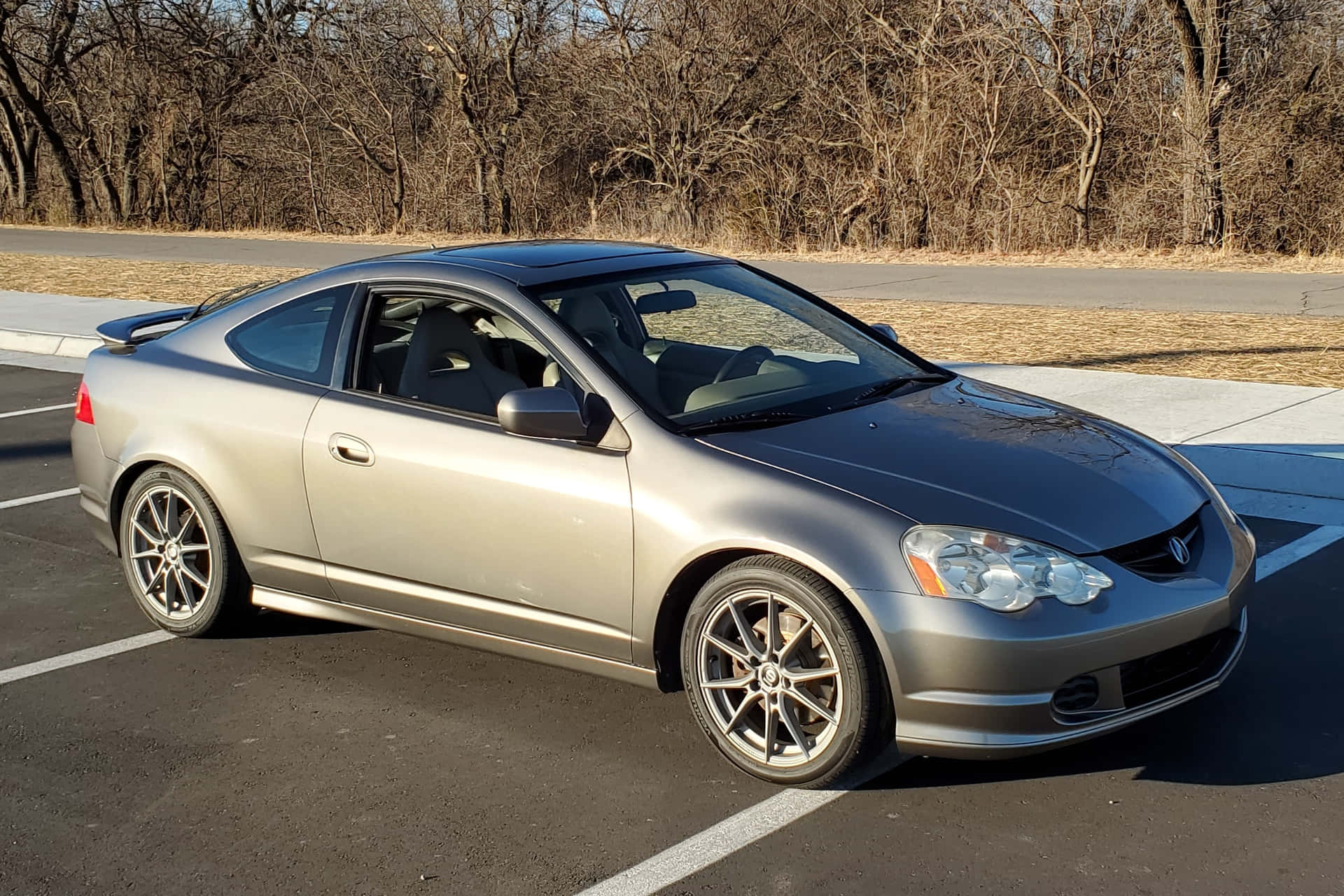
The Acura RSX, produced from 2002 to 2006, represents the fourth generation of the legendary Integra platform, known internally as the DC5. In North America, Acura rebranded the vehicle to align with its new alphanumeric naming convention, moving away from the "Integra" moniker while retaining the car's high-revving, front-wheel-drive DNA. As of 2026, the RSX has solidified its status as a modern classic, sought after by collectors and tuning enthusiasts for its iconic K-series engine and balanced chassis.
Understanding the specific nuances of each production year is critical for anyone looking to purchase or restore one of these vehicles. While the production run was relatively short, a significant mid-cycle refresh in 2005 created a distinct divide between "early" and "late" model cars. This guide explores the year-over-year changes, trim level differences, and mechanical specifications that define the Acura RSX legacy.
The Evolution of the Acura RSX: 2002–2006
The Acura RSX arrived in late 2001 as a 2002 model, replacing the beloved third-generation Integra. It introduced a radical departure from its predecessor, most notably shifting from a double-wishbone front suspension to a MacPherson strut setup and replacing the B-series engine with the technologically superior K-series.
2002–2004: The Initial Launch and Early Models
When the RSX debuted in 2002, it was offered in two primary trims: the Base model and the high-performance Type-S. These early years are characterized by the "tear-drop" headlight design, where the bottom edge of the headlight housing has a circular indentation.
In 2002 and 2003, the RSX quickly gained a reputation for its rigid chassis and the K20 engine’s incredible response to modifications. The 2004 model year remained largely unchanged from the previous two, serving as the final year for the original body style. These early models are often preferred by those who enjoy the original aesthetic or are looking for a more affordable entry point into the DC5 platform.
2005–2006: The Mid-Cycle Refresh and Final Iteration
The 2005 model year brought the most significant changes in the car's history. Acura updated the exterior styling to be more aggressive and streamlined. The "tear-drop" headlights were replaced with a smooth, linear design, and the taillights were updated with a more modern LED-like appearance (though they still used traditional bulbs).
Beyond aesthetics, the 2005 and 2006 models received mechanical upgrades. The Type-S benefited from a more powerful engine (the K20Z1), which replaced the K20A2. This included more aggressive camshafts from the Japanese-market Integra Type R and a higher-flow exhaust system. Suspension geometry was also tweaked to improve handling and reduce the body roll that some critics noted in the 2002–2004 models.
Detailed Model Breakdown: Base vs. Type-S
To truly explain the Acura RSX years, one must differentiate between the two distinct paths Acura took with the trim levels. The choice between a Base and a Type-S dictates not just the power output, but the entire driving experience.
The RSX Base Model (5-Speed Manual or 5-Speed Automatic)
The Base model was designed as a sporty daily driver. It featured the K20A3 engine, which produced 160 horsepower. Unlike the Type-S, the Base model's i-VTEC system was tuned for fuel efficiency rather than high-RPM power. It utilized a "VTEC-E" style setup that switched between 12-valve and 16-valve operation to optimize combustion at lower speeds.
- Transmission: It was the only trim available with a 5-speed automatic transmission (with Sequential SportShift). The 5-speed manual was also standard.
- Interior: Offered with cloth or leather seating. It lacked the Bose premium audio system found in the Type-S.
- Wheels: Initially came with 15-inch alloy wheels, which were upgraded to 16-inch wheels in later years.
The RSX Type-S (6-Speed Manual Only)
The Type-S was the enthusiast's choice, designed to compete with the likes of the VW GTI and the Honda Civic Si. It featured the high-output K20A2 (2002–2004) or K20Z1 (2005–2006) engines. These engines featured "true" VTEC on both the intake and exhaust cams, allowing the car to rev to a screaming 7,900 or 8,100 RPM redline.
- Transmission: Available exclusively with a close-ratio 6-speed manual transmission.
- Performance Features: Larger brake rotors, stiffer springs and dampers, and a thicker rear sway bar.
- Luxury Touches: Standard leather interior, a moonroof, and a Bose 7-speaker sound system with a unique spare-tire mounted subwoofer.
Year-by-Year Specifications and Performance
The following table summarizes the technical progression of the Acura RSX throughout its production life.
| Model Year | Trim | Engine Code | Horsepower (SAE) | Torque (lb-ft) | Redline (RPM) |
|---|---|---|---|---|---|
| 2002–2004 | Base | K20A3 | 160 hp | 141 lb-ft | 6,800 |
| 2002–2004 | Type-S | K20A2 | 200 hp | 142 lb-ft | 7,900 |
| 2005–2006 | Base | K20A3 | 160 hp* | 141 lb-ft | 6,800 |
| 2005–2006 | Type-S | K20Z1 | 210 hp* | 143 lb-ft | 8,100 |
*Note: In 2006, the Society of Automotive Engineers (SAE) updated their horsepower testing procedures. This resulted in the 2006 Type-S being re-rated to 201 hp and the Base to 155 hp, despite no physical change in engine output from 2005.
Mechanical Innovations: The K-Series Engine
The heart of the Acura RSX’s longevity is the K-series engine. This was a massive leap forward from the previous B-series engines found in the 1990s Integras. The K-series introduced several key technologies that were revolutionary at the time and remain relevant in 2026:
- Timing Chain: Unlike the B-series which used a rubber timing belt requiring replacement every 90,000 miles, the K-series used a metal timing chain designed to last the life of the engine.
- i-VTEC (Intelligent VTEC): This combined the traditional Variable Valve Timing and Lift Electronic Control (VTEC) with Variable Timing Control (VTC). VTC allowed the intake camshaft to advance or retard continuously based on engine load, greatly improving mid-range torque.
- Coil-on-Plug Ignition: Eliminated the distributor and spark plug wires, leading to a more reliable and efficient ignition system.
- Reverse Head Layout: The intake manifold was moved to the front of the engine bay and the exhaust to the rear, allowing for a more direct air path and better weight distribution.
The 2005 Refresh: A Deeper Look at the Changes
Many buyers in 2026 specifically target the 2005 and 2006 model years. Understanding why these "refresh" years are highly valued requires looking beneath the surface of the new bodywork.
Suspension and Handling
Acura engineers addressed criticisms of the early RSX handling by lowering the ride height by 7mm on the 2005–2006 models. They also increased the diameter of the master cylinder for better brake feel and reinforced the subframe and strut tower bars to improve rigidity. These changes made the later models feel more "planted" during spirited driving.
Transmission Refinement
The 6-speed manual in the Type-S saw significant improvements in 2005. Acura replaced the brass synchronizers in gears 1 through 6 with carbon synchronizers. This change was designed to address the "third-gear grind" common in earlier models and to provide a smoother, more durable shifting experience under high-RPM conditions. Additionally, the final drive ratio was shortened, allowing for faster acceleration through the gears.
Aesthetic Updates
The 2005–2006 RSX received a new front bumper with larger air intakes and a revised "shield" grille. The interior was also updated with new chrome accents, white-faced gauges (for the Type-S), and more supportive seat bolsters. In 2026, finding these interior components in good condition is a major factor in the vehicle's resale value.
Common Issues and Maintenance in 2026
With the youngest Acura RSX now being 20 years old, potential owners must be aware of age-related issues. Despite Honda's legendary reliability, certain components are prone to wear.
- VTEC Solenoid Gaskets: Over time, the gaskets on the VTEC solenoid can harden and leak oil. This is a simple fix but can lead to "limp mode" if the oil pressure becomes too low to engage VTEC.
- Compliance Bushings: The front lower control arm bushings (compliance bushings) are a known weak point. When they tear, it leads to vague steering and uneven tire wear.
- Tail Light Gaskets: The gaskets sealing the tail lights to the body are notorious for failing, leading to water pooling in the spare tire well.
- TCT (Timing Chain Tensioner): While the chain itself is durable, the hydraulic tensioner can wear out, especially if oil changes were neglected. A rattling sound on cold starts is a warning sign.
- Leather Wear: The leather in the RSX was known for being somewhat thin. In 2026, many original seats will show significant cracking or tearing on the side bolsters.
The RSX in the 2026 Marketplace
As of 2026, the Acura RSX occupies a unique space in the automotive market. It is no longer just a "cheap used car." Clean, low-mileage Type-S models have transitioned into collector territory, often fetching prices that rival their original MSRP.
The Base model remains an excellent choice for a fuel-efficient daily driver or a platform for a "K-swap" project. Because the Base and Type-S share the same chassis (DC5), many parts are interchangeable. This has made the RSX a favorite for "Frankenstein" builds, where owners swap the more powerful K24 engines from the Acura TSX or Honda CR-V into the RSX body.
Frequently Asked Questions
What is the best year for the Acura RSX?
The 2005 and 2006 model years are generally considered the best due to the mechanical refinements, including the K20Z1 engine, carbon synchronizers in the transmission, and updated suspension geometry. However, the 2002–2004 models are still highly regarded and often preferred by those who like the original styling.
Does the Acura RSX have a Turbo?
No, from the factory, all Acura RSX models were naturally aspirated. They relied on high compression and high-RPM VTEC to generate power. However, the K-series engine is one of the most popular engines in the world for aftermarket turbocharging, and many modified examples exist.
Is the Acura RSX front-wheel drive or all-wheel drive?
All Acura RSX models are front-wheel drive (FWD). While there was an all-wheel-drive version of the Honda Integra platform sold in Japan (the IS 4WD), it was never brought to the North American market under the Acura brand.
What is the difference between an Integra and an RSX?
Mechanically, the Acura RSX is the fourth generation of the Honda Integra (DC5). In Japan and other markets, it was sold as the Honda Integra. In North America, Acura chose the name RSX to match their new branding strategy (MDX, RL, TL, etc.).
Why was the Acura RSX discontinued?
Acura discontinued the RSX after the 2006 model year to shift focus toward more upscale, luxury-oriented vehicles and because the redesigned 2006 Honda Civic Si offered very similar performance at a lower price point, creating internal competition within the Honda/Acura lineup.
Final Recommendations for Buyers
If you are looking for an Acura RSX in 2026, your priority should be service history and chassis integrity. Because these cars were popular with tuners, many have been modified poorly or involved in accidents.
- Prioritize the Type-S: If your budget allows, the Type-S provides a significantly more rewarding driving experience that cannot easily be replicated by modifying a Base model.
- Inspect for Rust: Check the rear wheel arches and the trunk floor (under the spare tire) for signs of corrosion, which are common in "salt belt" states.
- Check the Vin: Ensure the VIN stickers are present on all body panels (fenders, hood, doors, hatch). Missing stickers usually indicate a panel has been replaced due to an accident.
- Listen to the Gearbox: During a test drive, shift into third gear at various RPMs. Any resistance or grinding is a sign that the synchronizers are failing.
The Acura RSX remains a high-water mark for front-wheel-drive performance. Whether you choose an early "tear-drop" model or a late-model refresh, you are getting one of the most reliable and engaging sport compacts ever produced.