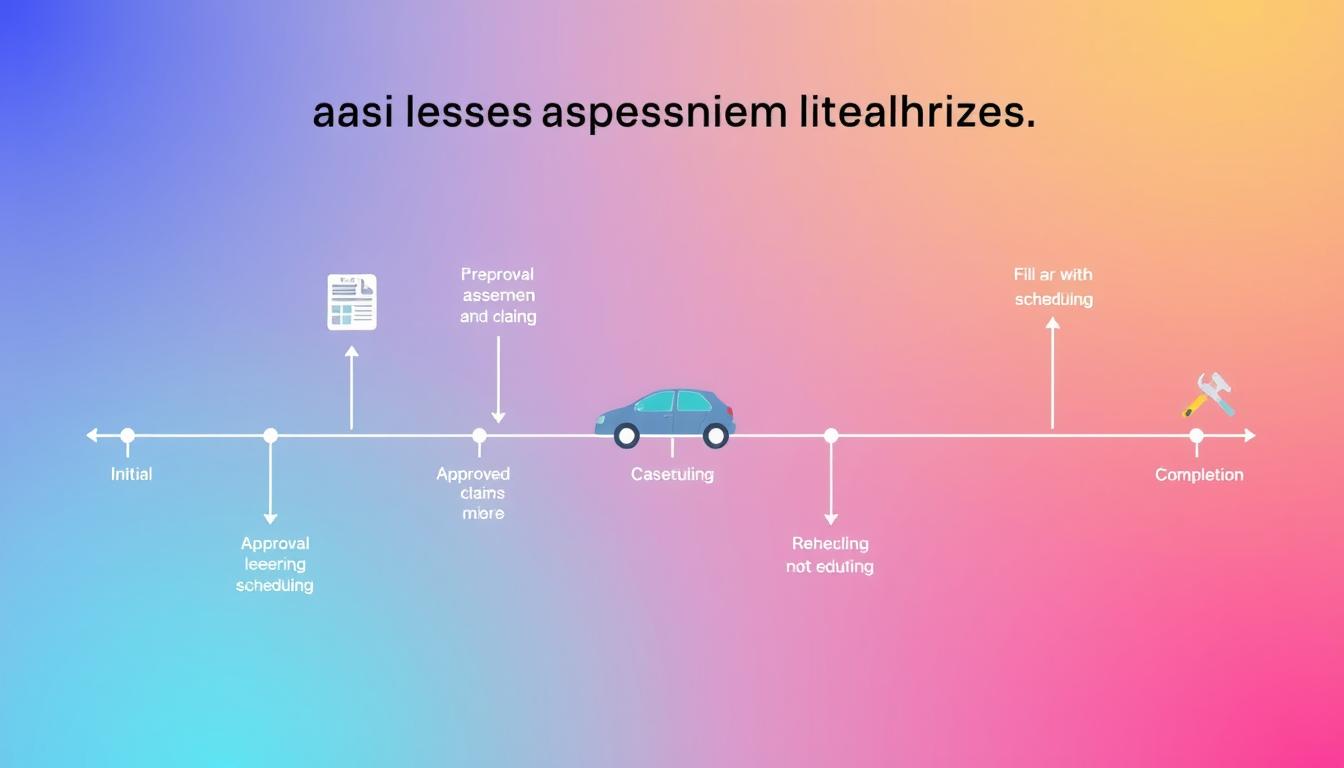
Filing and managing an auto claim requires understanding policy terms, documentation requirements, communication protocols, and timelines. Successfully navigating an Acacia Insurance auto claim involves reporting the incident promptly, gathering necessary evidence, working with assigned adjusters, and tracking repair or settlement progress through each operational phase.
Understanding Auto Insurance Claims Management
When an automobile accident or vehicle damage event occurs, policyholders enter a structured administrative and legal process designed to evaluate losses and distribute compensation according to the terms of the insurance contract. Understanding this workflow helps mitigate stress, prevents common documentation errors, and ensures that policyholders receive the full benefits to which they are entitled under their coverage agreement.
An auto insurance claim is not merely a transaction; it is a formal investigation and negotiation between the insured party and the insurance provider. Insurance carriers employ specialized professionals—including customer service representatives, desk adjusters, field appraisers, and legal counsel—to review the facts of the loss. For policyholders insured under Acacia Insurance policies, mastering the mechanics of this process ensures smoother communication, faster vehicle repairs, and more predictable financial outcomes.
Initial Steps Immediately Following an Incident
The quality of an insurance claim often depends on the actions taken within the first few minutes and hours following an incident. Whether the event is a multi-vehicle collision, a parking lot scrape, weather-related damage, or vehicle theft, establishing a clear factual record is paramount.
Ensuring Safety and Contacting Authorities
The immediate priority after any vehicular incident is physical safety. Drivers and passengers should move to a safe location out of active traffic lanes if the vehicles are drivable and it is safe to do so. Emergency services must be contacted immediately if anyone sustains injuries or if there is significant property damage.
Law enforcement officers create an official police report, which serves as an objective third-party account of the scene. When speaking with police officers, drivers should state the factual details of what occurred without speculating about fault or liability. Obtaining the police report number and the responding officer’s badge details will streamline the subsequent reporting phase with Acacia Insurance.
Gathering Scene Evidence
Modern smartphones provide powerful tools for documenting loss events. Policyholders should capture comprehensive visual evidence before vehicles are moved, provided it is safe to do so:
- Wide-angle photographs: Capture the overall scene, including traffic signs, signals, road conditions, and the final resting positions of all vehicles involved.
- Close-up photographs: Document specific damage points on all vehicles, license plates, skid marks, and debris fields.
- Third-party details: Collect full names, phone numbers, addresses, insurance company names, policy numbers, and driver’s license details from all involved drivers and registered owners.
- Witness statements: If independent witnesses observe the incident, politely request their contact information and a brief summary of what they observed.
Filing Your Auto Claim with Acacia Insurance
Once the immediate aftermath is managed, initiating the formal claim with Acacia Insurance starts the administrative timeline. Prompt reporting is typically a contractual requirement within most auto insurance policies.
Methods for Initiating a Claim
Policyholders can generally submit claims through multiple channels depending on operational availability:
- Online Portal: Logging into the official Acacia Insurance member portal allows users to submit digital loss reports, upload photographs, and attach police reports directly to their file.
- Mobile Application: Dedicated mobile software enables smartphone users to snap photos of damage and submit incident details on the go.
- Telephone Hotline: Calling the dedicated claims department connects the policyholder directly with a representative who will take down the initial notice of loss (FNOL) and open a claim file.
Information Required for Filing
To prevent processing delays, claimants should have specific documentation ready when contacting Acacia Insurance:
- Policy number and primary insured name.
- Date, time, and precise location of the incident.
- A clear, concise narrative description of how the event occurred.
- Contact and insurance details of other parties involved.
- Copies of any relevant police reports or citation numbers.
- Photographs of the damage and the accident scene.
The Investigation and Evaluation Phase
After a claim is filed, Acacia Insurance assigns an adjuster to investigate the circumstances of the loss, evaluate coverage limits, and assess the extent of physical damage or liability.
Role of the Insurance Adjuster
The claims adjuster acts as the central point of contact during the lifecycle of the claim. Their responsibilities include reviewing policy language to verify coverage for the specific type of loss, contacting involved parties and witnesses, reviewing police reports, and determining liability or fault percentages.
Damage Inspection and Appraisals
For physical damage claims, the vehicle must be inspected to estimate repair costs. Acacia Insurance typically utilizes a network of direct-repair program (DRP) partner body shops or independent field appraisers.
- Drive-In Inspection: The policyholder drives the vehicle to a designated appraisal center where an adjuster evaluates the damage.
- Virtual Inspection: The claimant uploads high-resolution photos or participates in a live video stream via smartphone so the adjuster can write an initial estimate remotely.
- Shop Inspection: The vehicle is dropped off at a partnered repair facility where technicians disassemble damaged panels to uncover hidden structural issues, generating a supplemental estimate if needed.
| Claim Stage | Primary Objective | Key Participant | Typical Output |
|---|---|---|---|
| Initial Notice | Record loss details and open file | Customer Service / Intake | Claim number and adjuster assignment |
| Investigation | Determine coverage and fault | Claims Adjuster | Liability determination and policy verification |
| Appraisal | Estimate repair costs or valuation | Field Appraiser / Body Shop | Written repair estimate or total loss valuation |
| Resolution | Execute repairs or issue payment | Repair Facility / Finance Dept | Restored vehicle or financial settlement |
Understanding Coverage Types and Policy Limits
Navigating an auto claim requires a working knowledge of the specific coverages purchased within the insurance contract. Different incidents invoke different sections of an auto policy.
Collision Coverage
Collision coverage pays for damage to the insured vehicle when it collides with another vehicle or object, such as a guardrail, tree, or building, regardless of who is at fault. Subject to the policy deductible, Acacia Insurance covers repair or replacement costs up to the actual cash value of the vehicle.
Comprehensive Coverage
Comprehensive coverage protects against damage caused by non-collision events. This includes theft, vandalism, fire, windstorms, hail, flooding, animal strikes (such as hitting a deer), and falling objects. Like collision coverage, comprehensive claims are subject to a deductible chosen at the time the policy was purchased.
Liability Coverage (Bodily Injury and Property Damage)
If the insured driver is at fault in an accident, liability coverage pays for the injuries and property damage sustained by other parties. Bodily injury liability covers medical bills, rehabilitation, and lost wages for injured third parties, while property damage liability covers repairs to other vehicles or public infrastructure.
Uninsured and Underinsured Motorist Coverage
If an accident is caused by a motorist who carries no insurance or insufficient liability limits to cover the resulting damages, uninsured or underinsured motorist (UM/UIM) coverage steps in to protect the policyholder's financial interests.
Repair Processes, Deductibles, and Settlements
Once the evaluation phase concludes, the claim transitions into the execution phase, where repairs are performed or financial settlements are disbursed.
Managing Deductibles
A deductible is the predetermined out-of-pocket amount the policyholder agrees to pay before insurance coverage applies. For example, if a repair estimate is $3,500 and the policy deductible is $500, Acacia Insurance pays $3,000 directly to the repair shop or issues a check, and the policyholder pays the remaining $500 directly to the shop upon vehicle pickup.
Choosing Repair Facilities
Policyholders generally have the right to select any repair facility of their choice. However, utilizing Acacia Insurance’s network of preferred or direct-repair shops often streamlines the process. Network shops have pre-established billing relationships with the insurer, offer guaranteed workmanship warranties, and minimize the need for back-and-forth re-inspections.
Total Loss Determinations
If the cost of repairing the vehicle exceeds a certain percentage of its pre-accident actual cash value (ACV)—often referred to as the total loss threshold—Acacia Insurance will declare the vehicle a total loss. In this scenario, the settlement is calculated based on current market values for comparable vehicles in the local geographic area. The policyholder receives payment for the ACV minus the applicable deductible and any outstanding loan balances.
Common Challenges and Troubleshooting Claims
While many auto claims proceed smoothly, policyholders occasionally encounter complications. Knowing how to address these hurdles ensures better management of the claim lifecycle.
Communication Delays
High claim volumes resulting from severe weather events or regional catastrophes can lead to communication backlogs with adjusters. Policyholders experiencing unresponsive adjusters should escalate the matter by contacting the claims supervisor or customer service department, referencing the claim number, and requesting an immediate status update in writing.
Disputed Repair Estimates
If an independent body shop finds structural damage or mechanical issues that the initial insurance adjuster missed, the shop will submit a supplemental estimate to Acacia Insurance. If a dispute arises over repair methods—such as using aftermarket versus Original Equipment Manufacturer (OEM) parts—policyholders should review their policy endorsements and discuss OEM requirements with their repair facility.
Handling Claim Denials
If Acacia Insurance denies all or part of a claim based on policy exclusions, late reporting, or disputed liability, the claimant has the right to request a formal written explanation citing the specific policy clauses applied. Policyholders can appeal the decision by submitting new evidence, independent appraisals, or consulting legal counsel specializing in insurance disputes.
Frequently Asked Questions
What should I do immediately after an accident involving another driver?
Ensure everyone is safe, call emergency services if there are injuries or major obstructions, and exchange insurance and contact details with the other driver. Document the scene thoroughly with photographs and obtain a copy of the official police report as soon as it becomes available.
How long does an Acacia Insurance auto claim take to process?
The timeline varies depending on the complexity of the accident, liability disputes, and the extent of vehicle damage. Simple claims with clear liability can often be resolved within a few days, while complex investigations or total loss settlements may take several weeks.
Will filing a claim cause my insurance premium to increase?
Premium adjustments depend on multiple factors, including state regulations, your claims history, and whether you were determined to be at fault for the accident. Filing a comprehensive claim for a weather event or an accident where you were entirely blameless typically carries a lower risk of surcharge than an at-fault collision claim.
Can I choose my own auto body shop for repairs?
Yes, policyholders generally retain the legal right to select any qualified repair shop. However, choosing a shop within Acacia Insurance’s approved network can simplify the payment process and provide extended repair guarantees.
What happens if my car is declared a total loss?
If repair costs exceed the economic threshold determined by the insurer and state guidelines, the vehicle is declared a total loss. Acacia Insurance will calculate the actual cash value of the vehicle immediately prior to the accident and issue a settlement payment minus your deductible.
How do I check the status of my active claim?
You can check claim progress by logging into the online member portal, using the official mobile application, or calling your assigned claims adjuster or customer support directly.
Conclusion and Next Actions
Successfully navigating an Acacia Insurance auto claim requires organization, adherence to policy procedures, and clear communication with adjusters. By documenting the incident thoroughly at the scene, reporting details promptly through official channels, understanding your specific policy coverages, and actively managing the repair or settlement process, you can achieve a fair and efficient resolution. For ongoing claims, maintain a dedicated file containing all claim numbers, emails, estimates, and receipts to ensure a transparent record from start to finish.