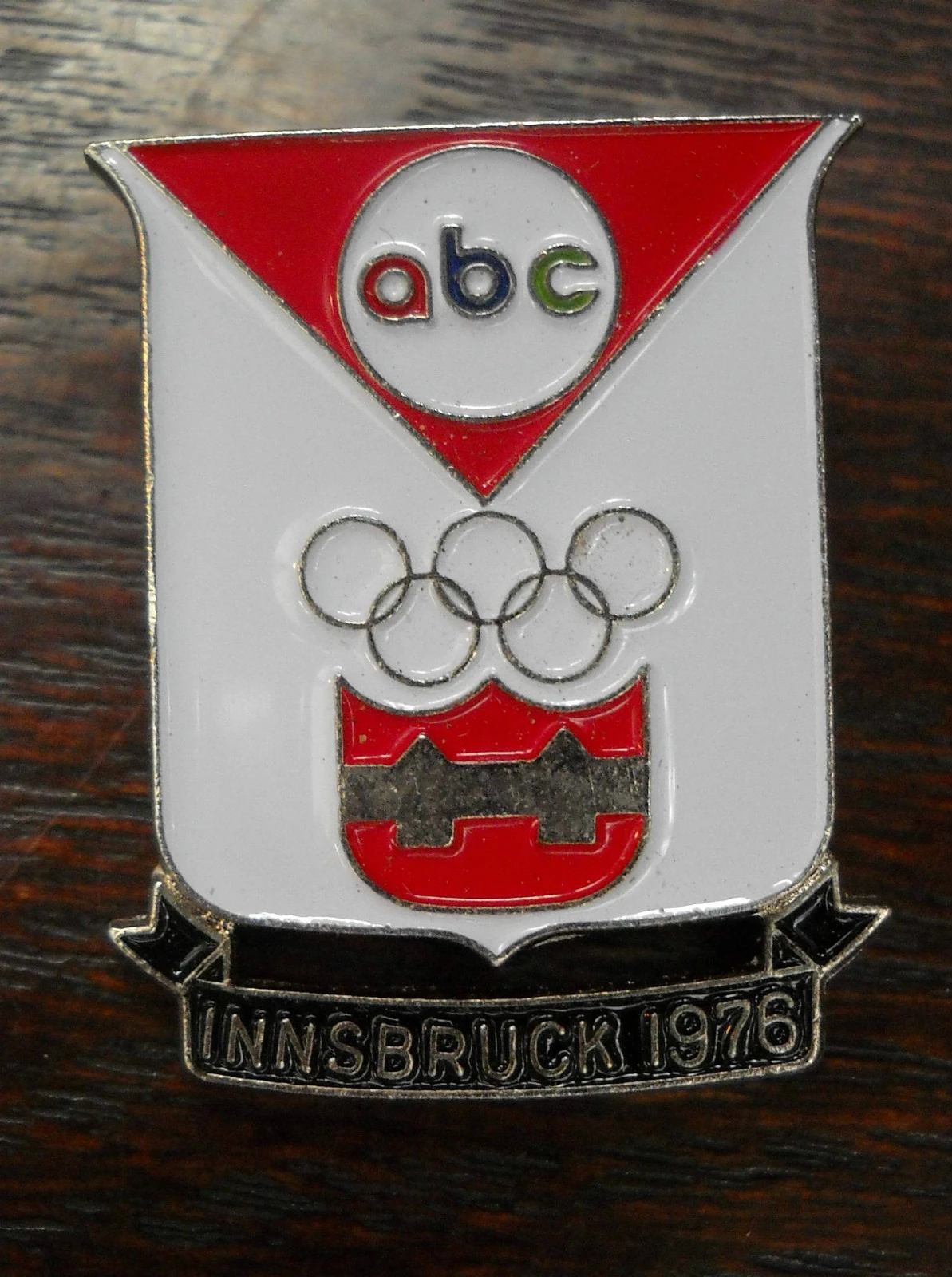
The ABC Olympic theme song refers to the memorable musical compositions used by the American Broadcasting Company (ABC) during its landmark broadcasts of the Olympic Games. These instrumental anthems became synonymous with the drama, triumph, and global unity of international sports competition, helping to shape the modern television viewing experience for generations of sports fans.
The Golden Era of ABC Sports Broadcasting
The history of television coverage of the Olympic Games is deeply intertwined with the evolution of broadcast production, and American Broadcasting Company (ABC) played a pivotal role in shaping how audiences experience the event. Long before the era of fragmented digital streaming and multi-platform distribution, network television brought families together around a single living room screen to watch international competition. Under the visionary leadership of Roone Arledge, ABC Sports transformed the presentation of sports from simple live coverage into a dramatic, narrative-driven television event.
Arledge and his production teams understood that visual imagery alone was not enough to capture the emotional weight of an athlete winning a gold medal or experiencing the heartbreak of defeat. They needed a sonic identity—an auditory signature that would instantly signal to viewers that something extraordinary, historic, and unifying was happening on their screens. This realization led to the commissioning and utilization of powerful, cinematic orchestral themes that defined ABC’s Olympic coverage throughout the 1960s, 1970s, and 1980s.
These musical pieces were not merely background filler; they were carefully engineered emotional cues. When viewers heard the opening brass fanfare or the driving percussion of the theme music, a pavlovian excitement set in. It meant that Wide World of Sports framing techniques, dramatic slow-motion replays, and intimate athlete profiles were about to unfold. The music bridged cultural divides and framed athletic achievement as high drama, cementing ABC’s broadcasts in the cultural memory of millions of viewers.
Compositional Anatomy and Musical Characteristics
What made the quintessential ABC Olympic theme song so effective lay in its specific orchestration, tempo, and harmonic structure. Television theme music from this golden age of broadcasting relied heavily on traditional orchestral grandeur combined with modern pop-production sensibilities to create a sound that felt both timeless and urgent.
At the core of these compositions was a heavy emphasis on brass sections—specifically trumpets and French horns—which convey triumph, nobility, and fanfare. Percussion played an equally crucial role, utilizing timpani rolls and driving snare rhythms to mimic the heartbeat of competition and build relentless forward momentum. Strings were layered underneath to provide emotional warmth and depth, ensuring that the music could transition seamlessly from a high-energy race to a poignant, reflective profile of an underdog athlete.
| Musical Element | Purpose in Olympic Theme | Orchestral Technique |
|---|---|---|
| Brass Fanfare | Captures attention and signals triumph | High-register trumpets and resonant French horns |
| Rhythmic Percussion | Drives momentum and builds tension | Timpani rolls, driving snare beats, and cymbals |
| String Countermelody | Adds emotional depth and human resonance | Sweeping violin and cello harmonies |
| Pace and Tempo | Matches the urgency of athletic competition | Moderate-to-fast allegro with dynamic crescendos |
These structural elements were designed to be modular. Composers and audio engineers could extract specific 5-second or 15-second stings to use as bumper music going into commercial breaks, or deploy the full 2-minute overture during the opening montage of a primetime broadcast. This versatility ensured that the sonic branding remained consistent and recognizable, no matter how the broadcast schedule shifted across different time zones.
The Evolution of Olympic Broadcast Music
Over the decades, the sonic landscape of Olympic television has undergone significant transformations, moving away from proprietary network-commissioned themes toward standardized corporate soundscapes. When ABC held the exclusive U.S. broadcasting rights for major Olympic events—such as the 1976 Winter Games in Innsbruck, the 1984 Summer Games in Los Angeles, and the 1988 Winter Games in Calgary—the network invested heavily in custom musical identities.
During the 1960s and 1970s, network broadcasts often utilized existing library tracks or commissioned work from television and film composers who specialized in dramatic underscores. As competition between networks intensified in the 1980s, original theme composition became a major point of network pride. These themes were marketed not just as broadcast necessities, but as standalone pieces of music that could be released on vinyl records and cassette tapes, allowing fans to bring the excitement of the Games into their homes long after the closing ceremony had ended.
When broadcasting rights shifted in subsequent decades to other networks like NBC, the approach to Olympic theme music evolved as well. Networks began adopting universal sonic branding that could cross over between daytime programming, news broadcasts, and primetime sports coverage. However, the legacy established by ABC's signature musical choices set a high standard for sports broadcasting audio engineering, proving that a great theme song is just as important as the camera angles and on-air talent.
Cultural Impact and Nostalgia
The enduring appeal of vintage Olympic theme music extends far beyond its original broadcast window. In contemporary digital culture, these archival musical cues evoke a powerful sense of nostalgia for a bygone era of television history. For generations of viewers who grew up watching the Olympics during the cold war era or the boom of 1980s sports television, hearing these brass-heavy anthems instantly triggers memories of summer nights, family gatherings, and historic athletic performances.
Media analysts and pop culture historians frequently study how these musical themes functioned as early forms of branding. Long before corporate synergy and multi-channel marketing campaigns dominated media landscapes, an instantly recognizable television theme served as an anchor for brand loyalty. When viewers heard the opening notes of an ABC sports special, they knew they were watching a premium, high-stakes production.
Furthermore, the influence of these compositions can be heard in modern sports broadcasting across the globe. Today, major athletic events—from the FIFA World Cup to domestic league playoffs—rely on cinematic, orchestral theme music to elevate their broadcasts. Composers working in television today still draw inspiration from the dynamic range, emotional swells, and triumphant arrangements that defined the classic era of network sports television.
Frequently Asked Questions
What makes a television theme song effective for sports broadcasting?
An effective sports theme song relies on a combination of high-energy brass instrumentation, driving percussion, and memorable melodic hooks. It must command immediate attention, convey a sense of scale and importance, and evoke strong emotions ranging from triumph to suspense.
Did ABC use the same theme song for every Olympic Games?
While ABC maintained a consistent sonic identity and production style across its sports programming, specific theme variations were often commissioned or rearranged for different Olympic broadcasts, particularly as musical tastes and recording technologies evolved from the 1960s through the 1980s.
Why do vintage sports broadcast themes evoke such strong nostalgia?
These themes are linked in the collective memory to historic cultural moments, family viewing traditions, and the unique framing of international athletic competition during an era when television network broadcasts served as centralized cultural touchstones.
How has Olympic broadcast music changed in modern times?
Modern Olympic broadcasting relies heavily on standardized, unified corporate sonic branding that spans multiple digital platforms, mobile applications, and network subsidiaries, moving away from isolated, standalone orchestral theme songs.
Practical Guidance for Media Historians and Audio Enthusiasts
For researchers, students, and audio professionals interested in studying the history of television theme music, exploring archives such as the Paley Center for Media or university library special collections provides valuable primary source material. When analyzing historical broadcasts, pay close attention to how audio engineers balance musical cues against live crowd noise and play-by-play commentary. The mastery of audio mixing during the golden age of television sports production offers a masterclass in how non-verbal sound design can elevate visual storytelling.