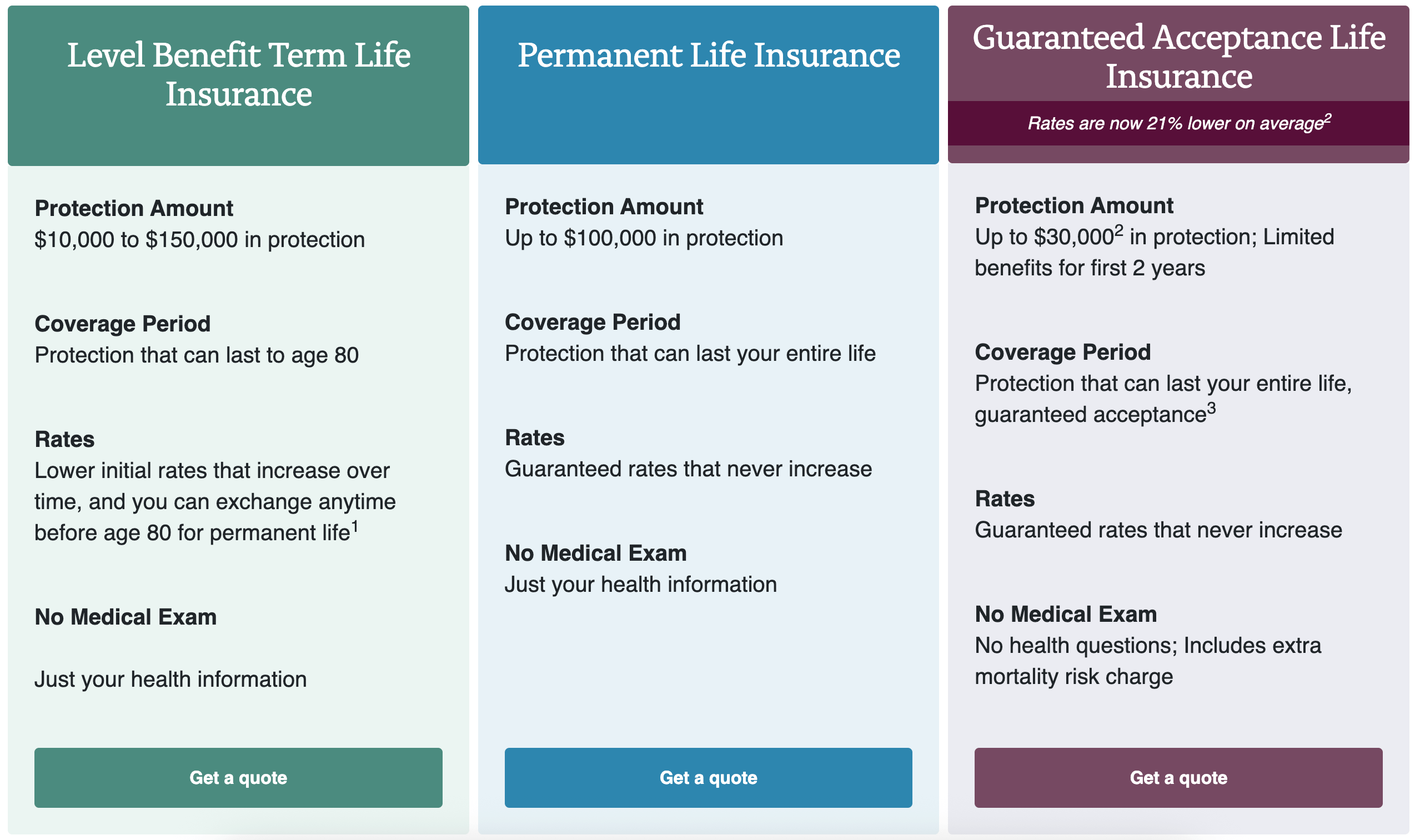
AARP whole life insurance in Texas, provided through the AARP Life Insurance Program underwritten by New York Life Insurance Company, offers permanent life insurance coverage designed to provide lifelong protection. Available to AARP members and their spouses within the state, these policies feature fixed premiums and a guaranteed death benefit, serving as a financial tool for end-of-life expenses or legacy planning.
The Foundation of the AARP Life Insurance Program
When navigating the landscape of life insurance in Texas, it is important to first clarify the relationship between AARP and the insurance providers. AARP itself is not an insurance company; rather, it facilitates a program that connects its members with products underwritten by reputable carriers. The specific whole life insurance products available in Texas are underwritten by New York Life Insurance Company.
Because these policies are "whole life," they differ significantly from term life insurance. Term insurance provides coverage for a specific period—such as 10, 20, or 30 years—and expires at the end of that term. In contrast, a whole life policy is designed to remain in force for the insured’s entire life, provided that the required premiums are paid. For Texas residents, this means the policy is intended to provide long-term stability without the risk of the coverage "running out" once the policyholder reaches a certain age, provided the policy is maintained.
Eligibility and Prerequisites for Texas Residents
To obtain AARP-branded whole life insurance in Texas, you must meet specific eligibility criteria defined by both the organization and the underwriting company. First and foremost, you must be a member of AARP or the spouse of an AARP member. Membership is generally open to individuals aged 50 and older, though certain eligibility rules may allow for younger spouses to participate depending on the specific product tier or promotion.
In Texas, the application process for these policies is often simplified compared to traditional, underwritten whole life products. This is frequently referred to as "simplified issue" or "guaranteed acceptance" life insurance, depending on the specific product selected.
- Simplified Issue: You may be required to answer a set of health-related questions. The insurance company uses these to determine your eligibility. You typically do not need to undergo a medical exam, but the company retains the right to review your health history.
- Guaranteed Acceptance: Some products, such as those designed specifically for final expenses, may not require a medical exam or health questions. Acceptance is guaranteed regardless of your health status, provided you fall within the eligible age range (typically 50 to 80).
Key Features of Whole Life Coverage
Whole life insurance is characterized by three core pillars: death benefits, cash value accumulation, and level premiums. Understanding how these function within the Texas insurance market is essential for determining if this product fits your financial portfolio.
1. Level Premiums
One of the most attractive features for seniors is the guarantee that premiums will not increase as the insured ages. In Texas, where the cost of living and healthcare expenses can fluctuate, having a fixed insurance cost provides predictable budgeting. Once a policy is issued, the premium amount stays the same for as long as the policy remains in force.
2. Guaranteed Death Benefit
The death benefit is the amount of money paid to your beneficiaries upon your passing. In a whole life policy, this amount is guaranteed to be paid out as long as the policy remains active. This provides significant peace of mind, as beneficiaries can use these funds to cover funeral costs, medical bills, or other outstanding debts, regardless of when the death occurs.
3. Cash Value Component
Unlike term life insurance, which has no value beyond the death benefit, whole life policies include a "cash value" component. A portion of each premium payment is diverted into a cash value account, which grows over time at a set interest rate. Over many years, this account can build value that the policyholder may be able to borrow against or use to pay premiums. It is important to note that accessing this cash value can reduce the ultimate death benefit if not repaid.
Comparing Life Insurance Options for Texas Seniors
| Feature | Whole Life (AARP/NY Life) | Term Life Insurance | Final Expense Insurance |
|---|---|---|---|
| Duration | Permanent (Lifetime) | Fixed (10-30 years) | Permanent |
| Premiums | Fixed for life | Increases after term | Fixed for life |
| Cash Value | Yes | No | Minimal or None |
| Medical Exam | Usually None | Often Required | None |
| Goal | Legacy/Final Expenses | Income replacement | Burial/End-of-life costs |
Navigating the Texas Insurance Regulatory Environment
The Texas Department of Insurance (TDI) oversees the conduct of insurance companies operating within the state. When you purchase an AARP-branded policy, you are protected by Texas state law, which ensures that insurance providers adhere to strict financial solvency requirements and fair claims practices.
Because life insurance is a contract between the policyholder and the insurer, you should verify that the specific policy you are considering is approved for sale in Texas. Insurance companies must file their rates and policy forms with the TDI. If you ever have a dispute regarding a claim or a policy provision, the TDI serves as an escalation point for consumer complaints. Always maintain a copy of your policy document, including any "Texas-specific" riders or addendums, in a secure place where your beneficiaries can easily access them.
Practical Considerations: Costs and Coverage Limits
The cost of AARP whole life insurance in Texas is determined by several factors, primarily the age of the applicant at the time of purchase, the face amount of the policy (the death benefit), and the type of product chosen (e.g., permanent vs. final expense).
Because these policies are permanent, the premiums are generally higher than those for term life insurance of the same face value. This is a trade-off for the lifetime coverage and the cash value accumulation. Before committing, consider the following:
- The "Lapse" Risk: If you fail to pay your premiums, the policy may lapse, meaning the coverage ends and any cash value accumulated may be forfeited or used to pay for extended coverage for a shorter period.
- Inflation: Since the death benefit is fixed, its "purchasing power" may decrease over the coming decades due to inflation. Ensure the coverage amount you choose aligns with your long-term goals for your beneficiaries.
- Needs Analysis: Before signing, determine exactly why you need the insurance. If the goal is purely to cover funeral costs, a smaller, final-expense policy may be more affordable than a large whole life policy.
Common Questions About AARP Life Insurance
Does AARP life insurance require a medical exam in Texas? Most AARP-branded whole life products provided by New York Life are "simplified issue," meaning there is no physical medical exam required. You will likely answer health questions to determine eligibility. Some specific "guaranteed acceptance" products require no health questions at all.
Can my policy be cancelled by the insurance company? In Texas, an insurance company generally cannot cancel your whole life policy as long as you continue to pay your premiums on time. Even if your health declines after the policy is issued, the company cannot alter your coverage or cancel it due to health status.
How do I designate or change a beneficiary? You can designate one or more beneficiaries when you apply. You have the right to change your beneficiaries at any time by contacting the insurance company directly. It is recommended to review your beneficiaries every few years, especially following major life events like marriage, divorce, or the death of a family member.
Is the death benefit taxable in Texas? Generally, life insurance death benefits paid to beneficiaries are not subject to federal income tax. However, there may be implications regarding estate taxes depending on the size of your total estate. Consult with a qualified tax professional in Texas regarding your specific situation.
What happens if I stop paying premiums? If you stop paying premiums, your policy may lapse. Depending on how long you have held the policy, you may be eligible for "non-forfeiture" options, such as receiving a reduced death benefit (paid-up insurance) or extending your coverage for a limited period using the policy's accumulated cash value.
Next Steps for Texas Residents
To move forward with exploring AARP whole life insurance, you should start by calculating your specific coverage needs. Sum up your final expenses—such as funeral costs, legal fees, and outstanding medical bills—and determine if you wish to leave an additional legacy amount for heirs.
- Gather Information: Have your AARP membership number and basic health information ready.
- Request a Quote: Visit the official AARP Life Insurance Program website or contact the insurance provider directly to request an illustration based on your age and the desired benefit amount.
- Review the Policy: Carefully read the "Outline of Coverage" provided during the application process. This document details the exact benefits, exclusions, and provisions applicable in Texas.
- Confirm Suitability: If you are unsure about the financial impact, consult with a licensed financial advisor. Ensure that the monthly premium fits comfortably within your retirement budget so that you can maintain the policy indefinitely.
By conducting this due diligence, you can ensure that you are selecting a policy that provides the necessary security for your family while remaining sustainable within your personal financial plan.