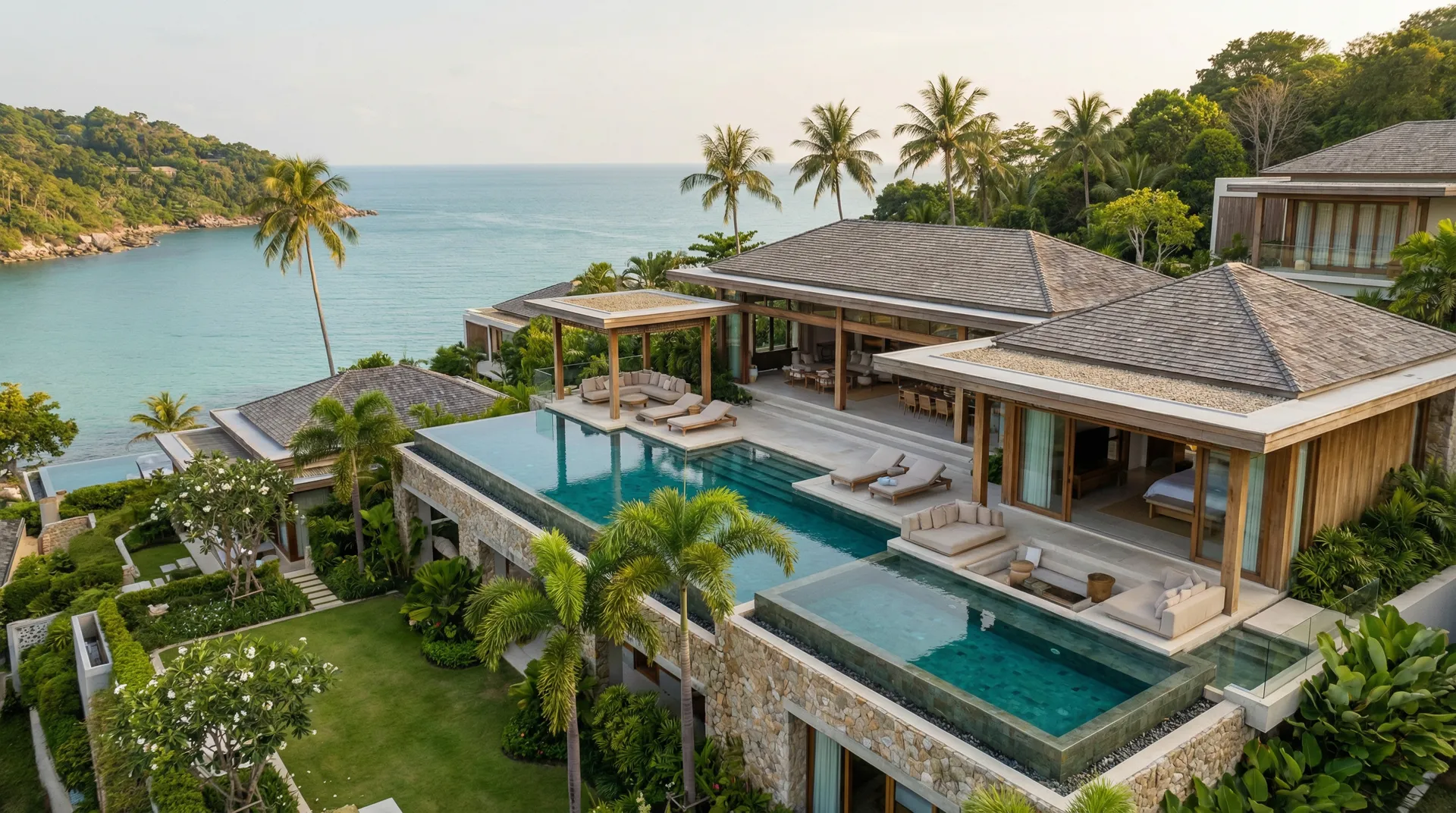
To secure the ideal Koh Samui villa, you must prioritize location based on your desired activity level, verify the property management's reputation, and confirm technical infrastructure like high-speed internet and power backups. Successful bookings in 2026 require balancing seasonal weather patterns with early reservation windows to ensure both value and availability.
Koh Samui remains one of Thailand’s most coveted island destinations, offering a sophisticated blend of rustic charm and ultra-luxury living. As the island's infrastructure has matured through 2026, the villa market has expanded significantly, ranging from modest hillside retreats to sprawling beachfront estates. Navigating this landscape requires more than just browsing photos; it demands an understanding of the island's unique geography, legal environment, and logistical quirks.
Whether you are planning a family holiday, a remote-work stint, or a destination event, these seven tips provide a comprehensive framework for selecting and enjoying a villa that meets the high standards of modern tropical living.
1. Decipher the Micro-Climates and Neighborhood Vibes
Koh Samui is a deceptively large island, and its geography creates distinct micro-climates and atmospheres that can drastically alter your experience. Choosing the right neighborhood is the single most important decision in your planning process.
The Northeast (Choeng Mon and Chaweng)
This region is the island’s luxury powerhouse. Choeng Mon offers secluded bays and upscale villas that are perfect for families who want quiet nights but proximity to fine dining. Chaweng, while busier, provides the most accessible beachfront. If your priority is "walkability" to international restaurants and nightlife, these areas are unbeatable. However, be prepared for higher price points and more density.
The North Coast (Bophut and Maenam)
Bophut is famous for Fisherman’s Village, a cultural hub that blends traditional wooden shophouses with chic boutiques. Villas here often sit on the hillside overlooking the Gulf of Thailand and Koh Phangan. Maenam, further west, offers a more "Old Samui" feel with long stretches of sandy beach and calmer waters, making it ideal for long-stay residents and those seeking tranquility.
The West and South (Taling Ngam and Lipa Noi)
For those seeking the "undiscovered" Samui, the west coast offers the island’s most spectacular sunsets. Taling Ngam is rugged and remote; staying here usually requires a dedicated driver or a rental car. The beaches are quieter, the jungles are thicker, and the sense of isolation is profound. This is the region for high-end privacy and "digital detox" retreats.
2. Evaluate the Infrastructure: Power, Water, and Connectivity
In 2026, a villa is only as good as its technical reliability. While Koh Samui has seen significant investment from the Provincial Electricity Authority (PEA), the island can still experience localized power fluctuations, especially during the monsoon season.
Connectivity Requirements
For digital nomads and remote professionals, "high-speed internet" is a vague term that needs verification. Ensure the villa is equipped with a dedicated fiber-optic line. In 2026, many premium villas also offer Starlink as a redundant backup, which is essential if your stay involves high-stakes video conferencing or large data transfers. Ask the host for a recent speed test result before confirming your booking.
Power and Water Security
The most luxurious villas in Samui are now equipped with integrated solar arrays and Tesla Powerwall-style battery systems. This ensures that even during a grid outage, your air conditioning and Wi-Fi remain operational. Similarly, inquire about water filtration. While you should never drink tap water in Thailand, villas with high-end UV filtration systems provide safer water for showering and brushing teeth, reducing the reliance on plastic bottles.
3. Understand the "Hillside Trap" and Accessibility
One of the most common mistakes travelers make is booking a villa with a "stunning panoramic view" without considering the logistics of reaching it. Many of Samui’s most beautiful properties are perched on steep inclines.
The 4x4 Necessity
Villas located in the interior hills of Bophut, Chaweng Noi, or Taling Ngam often require a 4WD vehicle to navigate the access roads. Some driveways are so steep that local taxi drivers may refuse to climb them. Always ask the property manager:
- Is a standard sedan capable of reaching the villa?
- Does the villa provide a shuttle service or a dedicated SUV?
- How far is the nearest convenience store on foot? (Often, the answer is "not walkable.")
Accessibility and Mobility
If you are traveling with elderly guests or young children, check the internal layout of the villa. Tropical architecture often involves multiple levels connected by outdoor stone stairs which can become slippery during rain. Seek out "single-level living" designs if mobility is a concern.
4. Distinguish Between Private Owners and Managed Estates
The level of service you receive depends heavily on who manages the property. In 2026, the market is split between independently owned Airbnbs and villas managed by professional hospitality firms.
The Managed Estate Advantage
Villas within a managed estate (such as those in the Samujana or Panacea areas) offer a "resort-style" layer of security and service. You typically get:
- 24/7 On-site Security: Critical for peace of mind in remote areas.
- Professional Maintenance: On-site engineers who can fix an AC unit or pool pump immediately.
- Concierge Services: Assistance with booking private chefs, yacht charters, or in-villa spa treatments.
The Independent Private Villa
These can offer more "soul" and unique interior design, often at a lower price point. However, the risk is higher. If the Wi-Fi goes down or the pool turns green, you are at the mercy of how quickly the owner can find an outside contractor. If you choose an independent villa, ensure they have a high volume of recent, positive reviews specifically mentioning the responsiveness of the host.
5. Master the Seasonality of the Gulf of Thailand
The weather in Koh Samui does not follow the same pattern as Phuket or Krabi. Understanding the Thai Meteorological Department forecasts and historical data is vital for timing your stay.
The Peak Season (December to February)
Expect blue skies, cool breezes, and the highest prices. This is when the island is at its most vibrant, but also when the best villas are booked out 6–12 months in advance.
The "Dry and Hot" Season (March to August)
While the rest of Thailand might be entering the monsoon, Samui remains relatively dry during these months. This is an excellent time for beach lovers, though the heat can be intense in April and May. You can often find "shoulder season" discounts during this window.
The Monsoon (October to November)
Unlike the short afternoon bursts seen in other parts of the country, Samui's monsoon can involve several days of persistent, heavy rain. Many villas offer deep discounts during this period, but you must be prepared for limited outdoor activities and potential sea swells that make swimming dangerous.
| Season | Best For | Typical Weather | Price Range |
|---|---|---|---|
| Dec - Feb | Luxury Holidays | Sunny, dry, breezy | Premium ($$$$) |
| Mar - June | Sun seekers | Very hot, calm seas | High ($$$) |
| July - Sept | Summer Breaks | Occasional rain, clear | Moderate ($$) |
| Oct - Nov | Budget/Introverts | Heavy rain, wind | Low ($) |
6. Scrutinize the Staffing and "Hidden" Costs
A Koh Samui villa stay is often defined by the "Villa Manager" and the housekeeping staff. However, the level of inclusion varies wildly.
The Role of the Villa Manager
In high-end properties, your Villa Manager acts as a private fixer. They handle everything from grocery shopping to coordinating airport transfers. Clarify whether this service is included in the nightly rate or if it carries a daily "service charge."
Food and Beverage Policies
Unlike a hotel, most villas operate on a "cost plus" basis. This means you pay the market price for groceries plus a percentage (usually 15-20%) for the staff to go out and buy them. Some villas include a private chef for breakfast but charge extra for lunch and dinner service. Always ask for the "Villa Menu" or food policy document before you arrive to avoid "bill shock" at checkout.
Electricity Surcharges
For long-term rentals (30 days or more), it is standard practice in Thailand for the tenant to pay for electricity and water based on government meters. For short-term stays, this should be included. If a host asks for an additional electricity deposit for a one-week stay, consider it a red flag and negotiate to have it included in the base price.
7. Prioritize Sustainability and Community Impact
By 2026, the environmental impact of tourism on Koh Samui has become a central concern for local authorities and residents. Responsible travelers should seek out villas that demonstrate a commitment to the island's longevity.
Eco-Friendly Operations
Look for villas that have moved away from single-use plastics. Premium properties now provide glass-bottled water and refillable high-end toiletries. Inquire if the villa uses salt-water chlorination for the pool, which is better for both your skin and the local environment than traditional heavy chlorine.
Supporting the Local Economy
The best villas are those that employ staff from the local community and pay fair, living wages. When you use in-villa services, you are often directly supporting Samui families. Check if the villa management supports local initiatives, such as the Sisters on Samui foundation, which has been instrumental in supporting the island's vulnerable populations.
Frequently Asked Questions
Is it better to book a villa through a platform like Airbnb or a local agency?
While platforms provide payment security, local specialist agencies often have more "on-the-ground" knowledge. Agencies can tell you if there is a loud construction project happening next door—information an Airbnb host might omit. For high-end bookings, a dedicated luxury villa agent provides an extra layer of vetting.
Do I need to rent a car if I stay in a Koh Samui villa?
In 90% of cases, yes. Unless you are staying directly on the main road in Chaweng or Bophut, Samui's lack of public transportation makes a rental vehicle essential. Taxis and ride-sharing apps (like Grab or Bolt) are available but can become very expensive for multiple daily trips. Ensure you have an International Driving Permit (IDP) to stay legal and covered by insurance.
Is the tap water safe to drink in villas?
No. Even in the most luxurious villas with advanced filtration, you should stick to bottled or treated water for drinking. Most villas provide large "gallons" of treated water in dispensers for guest use.
What should I look for in a villa rental contract?
Ensure the contract clearly states the cancellation policy, the security deposit amount, and the procedure for damage assessment. In 2026, it is also standard to see a "force majeure" clause that covers travel disruptions. Always pay through secure channels and avoid direct bank transfers to unknown individuals.
Are hillside villas safe during the rainy season?
Modern villas built in the last decade must adhere to strict engineering codes regarding soil retention and drainage. However, during extreme monsoon events, some older hillside roads can experience minor washouts. If staying in October or November, a villa with multiple access routes is preferable.
Final Recommendation
Before you finalize any villa booking in Koh Samui for 2026, request a live video walkthrough with the property manager. Photos can be edited, and wide-angle lenses can make small rooms look palatial. A five-minute WhatsApp video call will reveal the true condition of the property, the actual proximity of neighbors, and the current state of the view. This small step is the most effective way to ensure your tropical retreat lives up to your expectations.