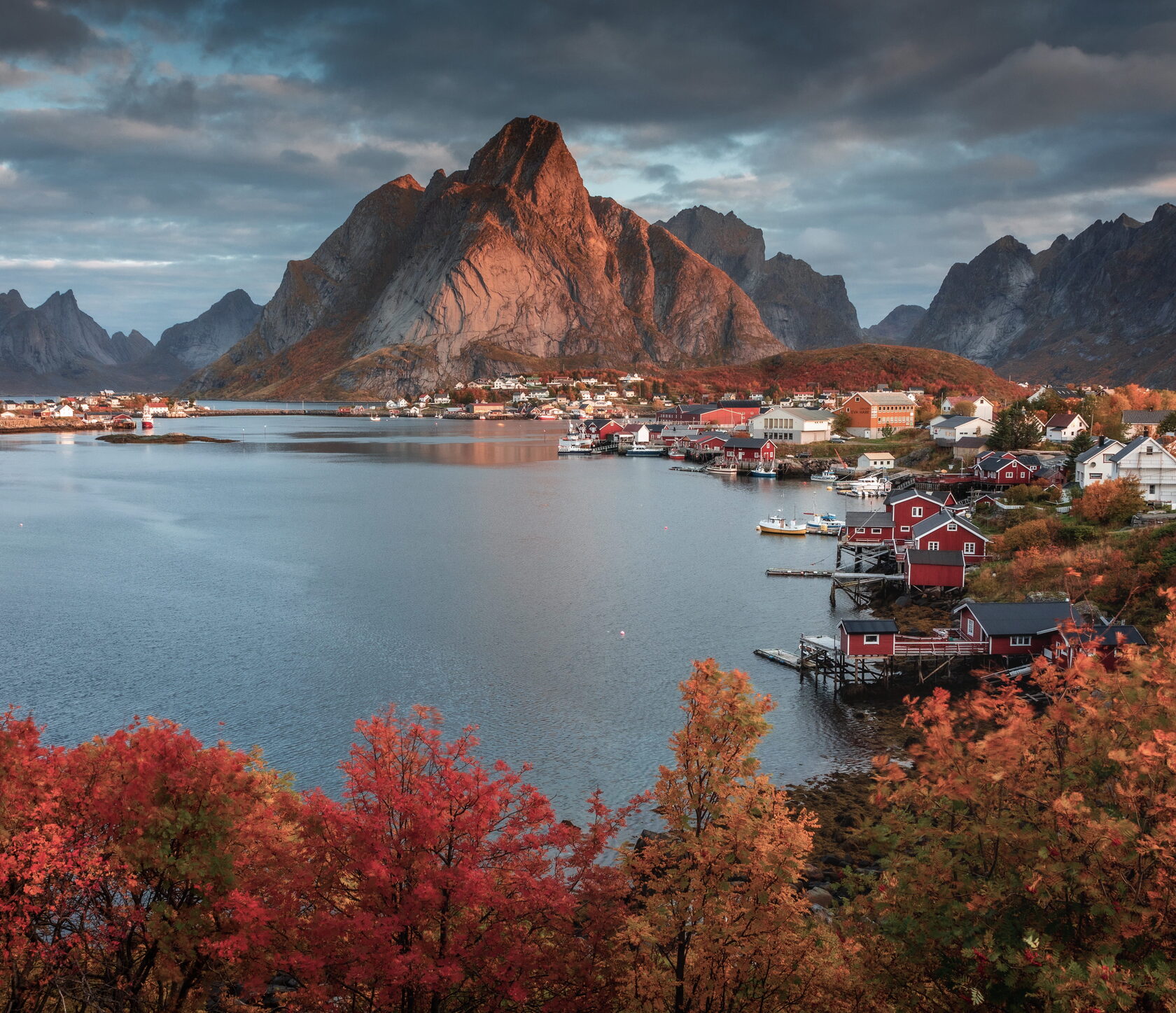
Choosing the right time to travel to Scandinavia depends entirely on what you want to experience, as Norway and Sweden offer radically different landscapes and daylight conditions depending on the season. The 7 best months to visit Norway and Sweden are May, June, July, August, September, February, and March, balancing comfortable weather, midnight sun, vibrant cultural events, and premier winter sports or Northern Lights viewing opportunities.
Planning a journey across Scandinavia requires careful consideration of weather patterns, regional geography, transportation availability, and seasonal daylight shifts. Because Norway and Sweden stretch far north into the Arctic Circle, seasonal changes are much more dramatic than in Central or Southern Europe. Understanding the distinct micro-climates and tourist infrastructure cycles across these two Nordic countries ensures an optimal travel itinerary, whether your goal is hiking coastal fjords, exploring design-forward capitals, or dog sledding beneath the aurora borealis.
Understanding the Scandinavian Climate and Travel Seasons
Before selecting specific months for your trip, it is vital to recognize how latitude shapes travel in Norway and Sweden. Both nations experience maritime and continental influences, but Norway’s rugged western coast—warmed by the Gulf Stream—tends to be milder yet wetter than Sweden’s more sheltered, continental eastern interior.
Travel seasons in Scandinavia do not strictly follow the traditional four-season calendar. Instead, they are defined by daylight availability:
- The Midnight Sun Period (Late May to Late July): Characterized by 24 hours of daylight north of the Arctic Circle, ideal for extensive outdoor exploration.
- The Shoulder Seasons (May, September): Marked by transitioning weather, blooming flora or autumn foliage, and significantly smaller tourist crowds.
- The Polar Night and Winter Season (December to March): Defined by short daylight hours in the south, total darkness north of the Arctic Circle, deep snow cover, and prime conditions for winter adventures and northern lights.
1. May: Spring Blossoms and Cascading Waterfalls
May is widely considered one of the most dynamic months to visit Norway and Sweden. Spring arrives rapidly across the region, bringing blooming fruit orchards in Norway's Hardangerfjord and greening landscapes in Sweden's central provinces.
Why May is Ideal
- Peak Waterfall Flow: Winter snowpacks melt rapidly during May, transforming Norwegian rivers and waterfalls, such as Vøringsfossen and Kjosfossen, into thunderous spectacles.
- National Day Celebrations: On May 17th, Norway celebrates Constitution Day (Syttende Mai), filling cities and villages with vibrant parades, traditional folk costumes (bunads), and festive communal dining. In Sweden, Walpurgis Night (Valborg) is celebrated on April 30th rolling into May 1st with massive bonfires and choral singing.
- Fewer Crowds: Major tourist attractions and scenic mountain roads are far less congested before the summer rush begins.
Operational Considerations
While lower-altitude trails are clear, many high-mountain hiking routes in Norway (such as Trolltunga or Besseggen) remain snow-covered and hazardous throughout May. Public transport schedules in rural areas may still operate on limited spring timetables.
2. June: The Arrival of the Midnight Sun
June marks the official start of the summer tourism season, driven by the summer solstice around June 21st. During this month, regions north of the Arctic Circle experience continuous daylight, providing endless hours for exploration.
Why June is Ideal
- The Midnight Sun: Cities like Tromsø, Bodo, Abisko, and Kiruna experience 24 hours of sunlight, allowing photographers and hikers to explore remote wilderness late into the night.
- Midsummer Festivities: Sweden’s Midsummer celebration (usually the third Friday to Saturday of June) is a cultural cornerstone. Expect traditional maypole dancing, pickled herring feasts, and outdoor gatherings.
- Opening of Mountain Passes: High-altitude scenic routes, such as Norway’s Trollstigen and Atlantic Ocean Road, typically open fully by early to mid-June after winter maintenance.
Operational Considerations
Accommodation prices in major cities like Oslo, Stockholm, Bergen, and popular fjord hubs begin to rise. Booking popular fjord cruises and boutique hotels well in advance is essential.
3. July: Peak Summer Warmth and Outdoor Culture
July is the warmest month of the year in both Norway and Sweden, making it the prime time for swimming, island hopping, multi-day hiking expeditions, and outdoor music festivals.
Why July is Ideal
- Optimal Weather: Daytime temperatures frequently hover between 20°C and 25°C (68°F to 77°F), with occasional warmer spikes, providing comfortable conditions for camping and coastal exploration.
- Thriving Archipelago Life: Sweden’s archipelagos (particularly around Stockholm and Gothenburg) and Norway’s southern coast (Sørlandet) come alive with sailing, swimming, and bustling seaside cafes.
- Outdoor Access: All hiking trails, national parks (like Sarek in Sweden and Jotunheimen in Norway), and wilderness huts are fully accessible and staffed.
Operational Considerations
July is the peak vacation month for locals as well as international travelers. Many small businesses, local bakeries, and restaurants in Scandinavian cities close for a few weeks in July as employees take their summer holidays. Popular ferries and trains must be reserved weeks ahead.
4. August: Late Summer Serenity and Berry Picking
As August progresses, the summer crowds disperse as local children return to school, yet the weather remains remarkably pleasant, especially during the first half of the month.
Why August is Ideal
- Foraging Season: Under Scandinavia’s Allemansrätten (Right to Public Access in Sweden) and Allemannsretten (Norway), anyone can legally forage for wild cloudberries, blueberries, and mushrooms in forests and mountains, which peak in August.
- Cultural Festivals: Cities host major events, such as the Oslo Jazz Festival and various historical reenactments, taking advantage of the lingering warm evenings.
- Milder Temperatures and Quieter Trails: Hiking trails in national parks are significantly less crowded than in July, while daytime temperatures remain comfortable for active travel.
Operational Considerations
Days begin to shorten perceptibly toward the end of August, and northern regions experience cooler evening temperatures that signal the approaching autumn.
5. September: The Vibrant Autumn Palette (Fjälltur)
September offers a short but breathtaking window for travelers seeking quiet landscapes, crisp air, and stunning autumn foliage, known in Sweden as höstfärger.
Why September is Ideal
- Fall Foliage (Fjälltur): The tundra and birch forests turn blazing shades of gold, red, and orange, particularly in northern regions like Swedish Lapland and Norway’s mountainous interior.
- Northern Lights Return: With the return of true nighttime darkness in the north, September marks the very beginning of the Aurora Borealis season.
- Solitude: Tourist infrastructure transitions into its shoulder-season rhythm, offering a peaceful atmosphere for photography, cabin rentals, and scenic drives.
Operational Considerations
Many seasonal mountain huts, ferries, and outdoor adventure outfitters close by mid-September. Weather can be unpredictable, with sudden rainstorms and early frost at higher elevations.
6. February: Peak Winter Wonderland and Snow Adventures
February brings deep snowpacks, frozen lakes, and reliable winter conditions across Norway and Sweden, making it the premier month for classic cold-weather expeditions.
Why February is Ideal
- Dog Sledding and Snowmobiling: Conditions in regions like Kiruna, Abisko, Rovaniemi (bordering regions), and Svalbard are optimal for husky sledding and motorized wilderness safaris.
- Ice Hotels and Winter Architecture: The world-famous ICEHOTEL in Jukkasjärvi, Sweden, is fully sculpted and operational, alongside snow hotels in Kirkenes and Alta, Norway.
- Stable Snow Cover: Unlike January, February offers longer daylight hours while maintaining deep, powdery snow for cross-country and alpine skiing.
Operational Considerations
Temperatures in the north frequently drop below -15°C (5°F) or lower. Specialized thermal gear, layered clothing, and proper winter driving skills or guided transport are mandatory.
7. March: Extended Daylight and Spring Skiing
March combines the best elements of winter with the return of sustained daylight, making it the favorite month for Scandinavian outdoor enthusiasts to hit the ski slopes and coastal fjords.
Why March is Ideal
- Longer Daylight Hours: The sun climbs higher each day, providing ample sunshine for outdoor activities without sacrificing the deep snow cover.
- Prime Northern Lights Viewing: Clear skies and long nights in Arctic Norway and Sweden continue to provide excellent conditions for spotting the aurora borealis.
- Spring Skiing (Påskeski): Both countries celebrate a deep-rooted tradition of spring ski touring, where locals head to mountain cabins (fjellhytter) to ski under the bright March sun.
Operational Considerations
Popular ski resorts (such as Åre in Sweden and Hemsedal or Trysil in Norway) experience high demand and higher pricing around weekends and school break periods.
Comparison of the Best Months to Visit Norway and Sweden
| Month | Primary Season | Key Highlights | Best For | Weather Profile |
|---|---|---|---|---|
| May | Spring | Waterfalls, Constitution Day, blossoming valleys | Cultural explorers, budget-conscious travelers | Mild, variable; snow in mountains |
| June | Early Summer | Midnight Sun, Midsummer festivals, open mountain passes | Photographers, hikers, cultural tourists | Long daylight, cool to warm |
| July | Peak Summer | Warm weather, swimming, archipelagos, vibrant festivals | Family travelers, island hoppers, sailors | Warmest of the year |
| August | Late Summer | Foraging (berries/mushrooms), quiet trails, jazz festivals | Hikers, nature lovers, food travelers | Mild, cooling toward end of month |
| September | Autumn | Fall foliage (fjälltur), early Northern Lights, solitude | Photographers, hikers, road-trippers | Crisp, variable, frosty nights |
| February | Deep Winter | Dog sledding, ICEHOTEL, winter sports, stable snow | Adventure seekers, aurora hunters | Very cold, deep snow |
| March | Late Winter/Spring | Spring skiing (påskeski), long daylight, aurora viewing | Skiers, outdoor enthusiasts, aurora hunters | Cold with strong sunny periods |
Frequently Asked Questions
What is the absolute best month for seeing the Northern Lights in Norway and Sweden?
While the Northern Lights can be seen from September through March, February and March are frequently considered ideal. These months combine dark winter nights with increasingly stable weather patterns and manageable daytime temperatures compared to the deep freeze of mid-winter. Locations north of the Arctic Circle—such as Tromsø, Lofoten, Abisko, and Kiruna—offer the highest statistical probability of clear skies and aurora activity.
Can I visit Norway and Sweden on a single trip using public transportation?
Yes, extensive rail networks connect Oslo and Stockholm via high-speed and regional trains, taking roughly five to six hours. Furthermore, scenic rail routes like the Bergen Line in Norway and the Inlandsbanan or Night Train to Narvik in Sweden allow seamless cross-border travel. Summer and early autumn (June through September) are the easiest months for coordinating train, bus, and ferry timetables.
Do I need a visa to travel to Norway and Sweden?
Both Norway and Sweden are part of the Schengen Area. Citizens of the European Union, the United States, Canada, the United Kingdom, Australia, and New Zealand do not require a visa for tourist stays up to 90 days within any 180-day period. Ensure your passport is valid for at least three months beyond your planned departure date.
How expensive is travel in Scandinavia compared to other European destinations?
Scandinavia has a reputation for high living standards and corresponding travel costs. Dining out, alcohol, and accommodation—particularly in cities and remote fjord outposts—are notably more expensive than in Southern or Eastern Europe. Travelers can manage costs by utilizing public transit, booking accommodation with breakfast included, purchasing groceries at local supermarkets (such as Rema 1000 or Kiwi in Norway, and ICA or Coop in Sweden), and traveling during shoulder months like May or September.
What should I pack for a summer trip versus a winter trip?
For summer trips (June–August), pack lightweight layers, waterproof and windproof outerwear (essential for unpredictable fjord weather), sturdy hiking boots, and insect repellent for rural forested areas. For winter trips (February–March), invest in high-quality thermal base layers (merino wool is preferred), windproof shell jackets, insulated snow boots with good grip, fleece mid-layers, and polarized sunglasses to protect against snow glare.
Practical Next Steps for Your Scandinavian Itinerary
To finalize your travel plans to Norway and Sweden, start by determining your core objective—whether it is chasing the midnight sun in June, foraging in August, or viewing the aurora borealis in February. Next, secure your flights and major accommodations several months in advance, especially if you intend to travel during peak summer or the winter holiday season. Review local transportation schedules, familiarize yourself with regional packing requirements, and prepare to experience two of Europe’s most pristine, culturally rich, and geographically stunning nations.