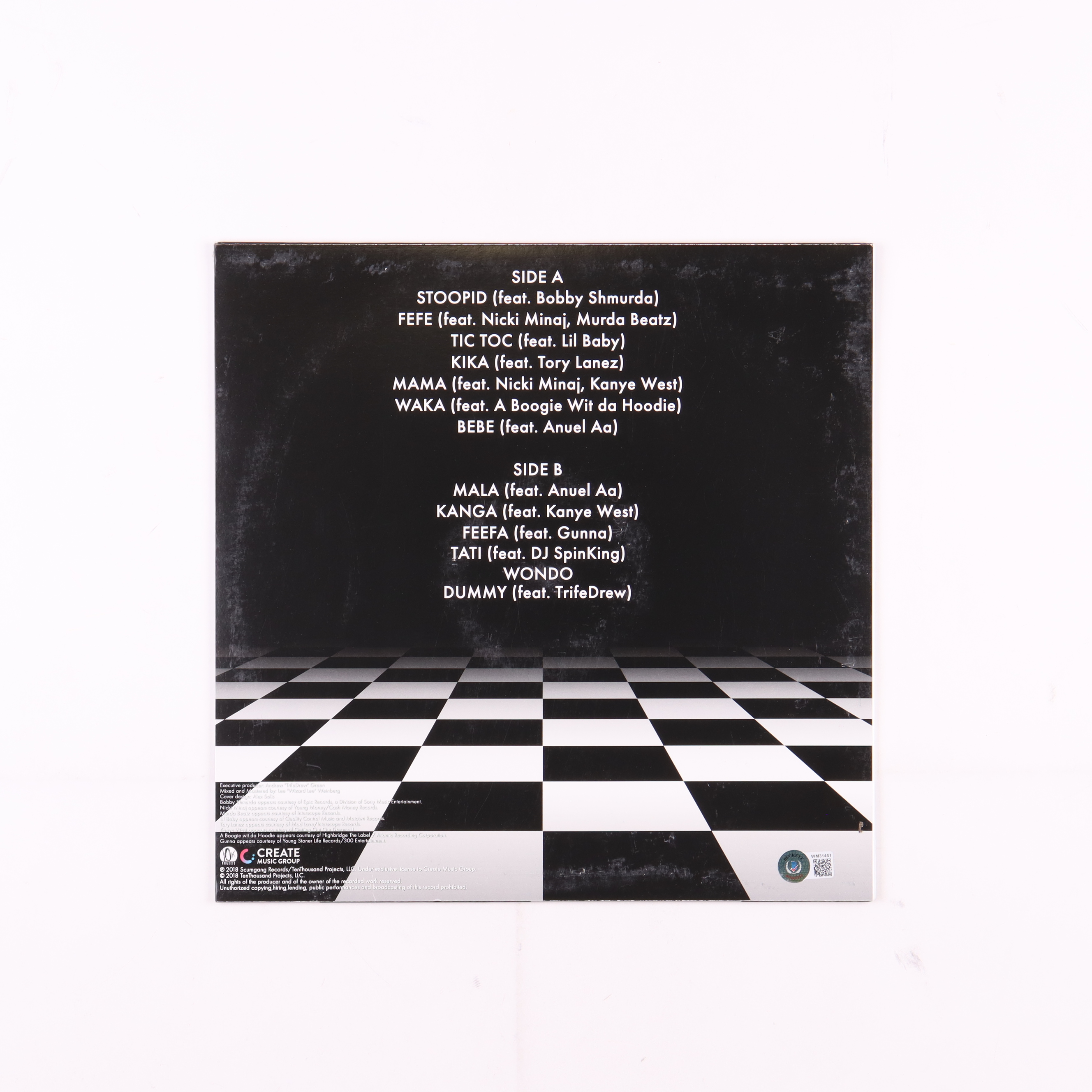
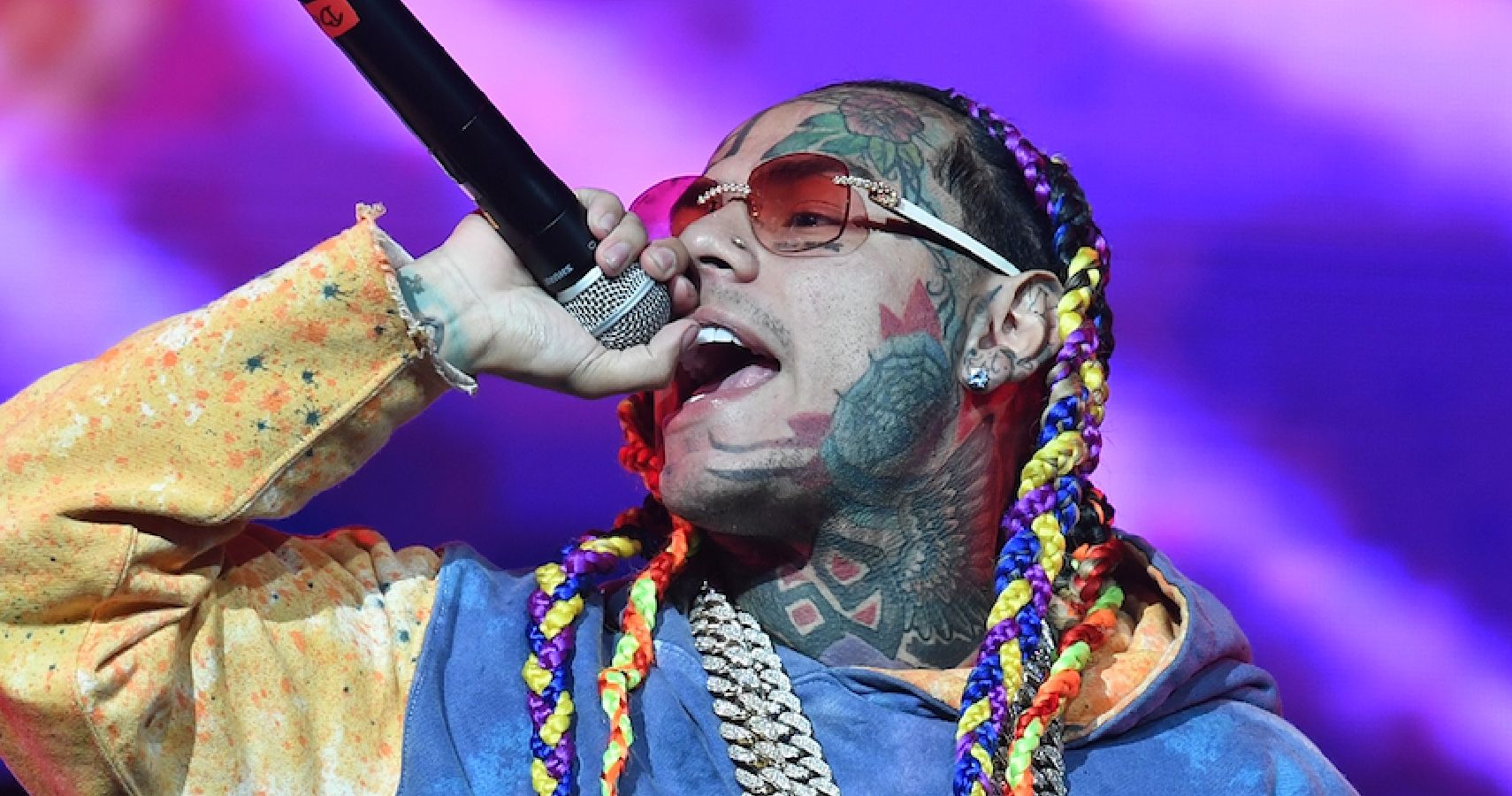
Daniel Hernandez, known professionally as Tekashi 6ix9ine, has navigated his turbulent music career through a combination of major label distribution deals, independent ventures, and high-profile contract negotiations that heavily influenced his commercial trajectory in the hip-hop industry.
The business mechanics behind Tekashi 6ix9ine’s career involve a complex interplay of major label distribution, independent publishing, and high-stakes legal drama that ultimately reshaped how modern rap artists handle their intellectual property and recording agreements. Rather than signing a traditional, multi-album exclusive talent contract with a single major conglomerate from the outset, 6ix9ine’s team orchestrated deals that capitalized on his viral internet presence while dealing with the fallout of federal racketeering charges, shifting distribution partnerships, and high-dollar renegotiations. Understanding the 6ix9ine record label history requires examining how streaming-era economics, digital controversy, and street-level management converged to create one of the most polarizing catalogs in contemporary popular music.
The Rise of 6ix9ine and Early Independent Distribution
Before securing major corporate financial backing, Tekashi 6ix9ine built his initial catalog independently, relying on digital distribution platforms to push underground tracks like "GUMMO" into global streaming rotations. During this nascent phase of his career, the artist operated primarily through independent frameworks, partnering with boutique entities and management teams that handled everything from video production to rapid digital asset deployment.
This DIY approach allowed the artist to retain a larger percentage of initial streaming revenues compared to traditional rookie contracts, though it lacked the deep promotional machinery of a multinational record label. Independent digital aggregators served as the backbone for his early releases, routing royalties directly to management while the artist courted attention through social media mobilization. However, as his tracks climbed Billboard charts and generated tens of millions of views, the need for radio promotion, physical distribution, and heavyweight legal protection pushed 6ix9ine toward formalized corporate partnerships.
The Multi-Million Dollar Transition to TenThousand Projects
In late 2017 and early 2018, as his viral momentum reached a fever pitch, 6ix9ine secured a high-profile joint venture and distribution arrangement with TenThousand Projects (often stylized as 10k Projects), the independent label founded by Elliot Grainge. This partnership marked a critical turning point in the artist's commercial viability, shifting his operation from an underground internet phenomenon to a structured, institutionalized enterprise.
Key Terms of the 10k Projects Partnership
- Multi-Album Commitment: The agreement covered major project deliveries, including his debut commercial mixtape Day69 and subsequent full-length studio releases.
- Distribution Muscle: TenThousand Projects utilized major corporate distribution networks to ensure global physical and digital availability across Spotify, Apple Music, and retail outlets.
- Advance Financing: The label provided substantial financial advances for video production, touring infrastructure, and personal security teams—a vital necessity given the artist's high-risk public profile.
Despite the commercial success of projects like Dummy Boy, this era was fraught with instability. Internal management disputes, public falling-outs with producers and crew members, and 6ix9ine’s eventual federal arrest in late 2018 placed immense strain on the business relationship between the artist and his label.
Legal Turmoil, Federal Indictments, and Label Obligations
The trajectory of any record label relationship is severely tested when an artist faces catastrophic legal jeopardy. In November 2018, federal authorities arrested 6ix9ine and several associates on racketeering, firearms, and narcotics charges. This development threw his recording obligations and upcoming album releases into immediate administrative limbo.
Despite his incarceration and subsequent cooperation with federal prosecutors, contractual obligations remained active. The release of his sophomore studio album, Dummy Boy, was coordinated hastily in late 2018 amid shifting distribution channels. While the album performed well commercially—bolstered by singles like "FEFE" featuring Nicki Minaj—the revenues and royalties became subject to intense legal scrutiny, fines, and restitution demands. The label had to navigate the unprecedented public relations nightmare of promoting music from an artist who had entered federal custody and testified against former associates, testing the absolute limits of corporate risk management in the music business.
Post-Prison Record Deals and Independent Re-Emergence
Following his release from federal prison to home confinement in 2020, 6ix9ine wasted no time returning to the recording studio, launching a controversial comeback campaign anchored by the single "Gooba." This track shattered streaming records for hip-hop videos within its first 24 hours, proving that his core audience remained engaged despite his legal troubles.
During this post-prison phase, the business structure shifted once again. While maintaining ties to independent distribution channels, 6ix9ine and his team leaned heavily into self-funded or alternative financing models to maximize profit margins on streaming and international touring. Because major traditional labels grew increasingly hesitant to underwrite his high-risk public persona and security overhead, the artist operated largely outside the traditional A&R ecosystem, releasing projects independently and utilizing digital-first monetization strategies.
Comparative Overview of 6ix9ine’s Label Eras
To understand how the business side of 6ix9ine’s career evolved, it helps to examine the structural differences across his major career phases, from underground independent releases to major label distribution and post-prison self-releasing.
| Career Phase | Primary Distribution Partner | Financial Structure | Key Releases | Operational Challenges |
|---|---|---|---|---|
| Underlying Indie Era (2017) | Self-released / Indie Aggregators | Direct-to-artist revenue splits, low overhead | "GUMMO," "KEEPSAMETHIN" | Limited radio promotion, lack of legal infrastructure |
| Major Venture Era (2018) | TenThousand Projects (10k Projects) | Multi-million dollar advances, joint venture splits | Day69, Dummy Boy | Management disputes, sudden federal arrest |
| Post-Prison Era (2020–Onward) | Independent / Global Digital Distributors | Direct ownership, self-financed production | "Gooba," TattleTales | Boycotts by mainstream radio, high security costs |
Common Misconceptions Regarding 6ix9ine’s Record Deals
The sensationalized nature of 6ix9ine’s career has generated numerous myths regarding his financial standing, record contracts, and industry relationships. Fact-checking these claims reveals the standard mechanics of the modern music business at play:
- The "Billion Dollar" Contract Myth: Sensationalized internet rumors occasionally suggested 6ix9ine signed nine-figure deals while in prison. Industry reporting consistently indicated standard independent distribution and advance tiers rather than historic major-label buyouts.
- Complete Label Independence: While he frequently touted his independence, his biggest commercial successes relied heavily on the logistical, marketing, and distribution infrastructure of established independent powerhouses like TenThousand Projects.
- Royalty Seizure: Following his federal conviction, a significant portion of his recording and publishing royalties faced garnishments, legal fees, and court-ordered restitution, meaning gross streaming numbers did not directly translate to personal liquidity.
Frequently Asked Questions
What record label signed 6ix9ine?
Tekashi 6ix9ine famously partnered with TenThousand Projects (10k Projects) for major commercial releases like Day69 and Dummy Boy. Prior to that, he operated through independent digital distributors and self-released his earliest underground material.
Is 6ix9ine currently signed to a major label?
In recent years, 6ix9ine has operated largely independently, utilizing digital distribution platforms to release music without the backing of a traditional major label conglomerate due to the unique promotional and security risks associated with his brand.
How did his federal arrest impact his record contract?
His 2018 federal arrest and subsequent guilty plea created significant logistical hurdles for his label, TenThousand Projects. While contractual obligations for delivery remained, promotional touring ground to a halt, and revenue distributions became heavily entangled in legal fees and court-mandated restitutions.
Who founded TenThousand Projects?
TenThousand Projects was founded by music executive Elliot Grainge in 2016. The label has successfully housed numerous prominent streaming-era hip-hop and pop artists alongside 6ix9ine.
Did 6ix9ine retain ownership of his masters?
The ownership of master recordings in modern hip-hop joint ventures typically splits between the artist and the distributing label. In 6ix9ine's case, specific terms varied by project, with early underground work remaining under independent control while major label releases followed standard corporate profit-sharing guidelines.
Next Actions and Industry Takeaways
For observers and aspiring industry professionals analyzing the 6ix9ine record label history, the primary takeaway centers on the friction between viral internet fame and institutional corporate risk. While digital platforms allow artists to bypass traditional gatekeepers and build massive global audiences independently, navigating long-term career viability requires robust legal protection, stable distribution partnerships, and careful management of public relations crises. As the music industry continues to favor decentralized distribution models, the trajectory of 6ix9ine serves as a complex case study in the power—and the limits—of independent music economics in the digital age.