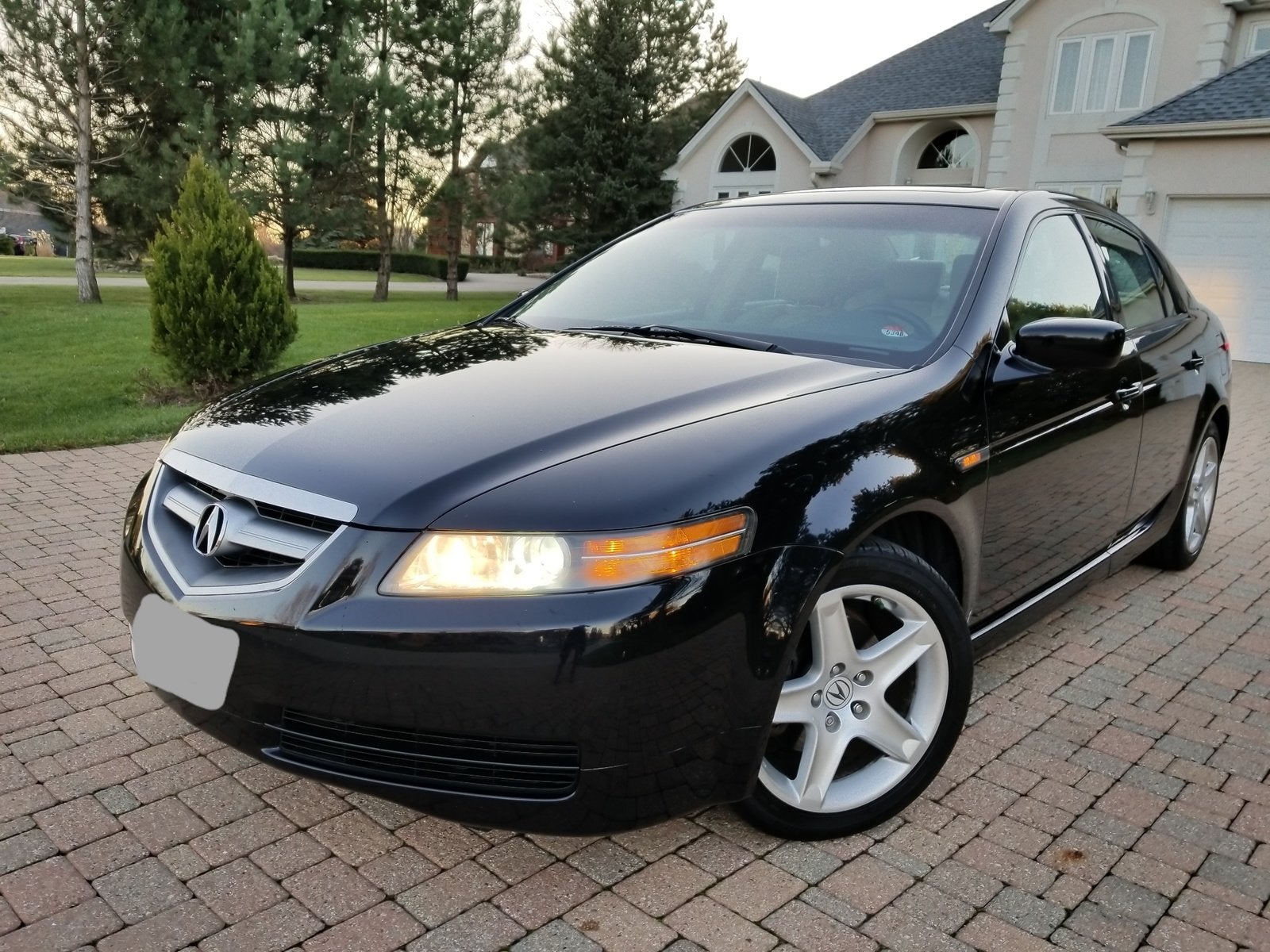
Finding a reliable vehicle under $5,000 in Houston requires a mix of online scouring, attending public auctions, and visiting independent dealerships. By leveraging local marketplaces, government surplus sales, and non-profit car lots, buyers can secure functional transportation despite a competitive used car market and inflationary pricing trends in 2026.
The State of the Houston Used Car Market in 2026
In 2026, the Houston automotive landscape reflects a broader national stabilization following years of supply chain volatility. However, for those searching for a vehicle under the $5,000 threshold, the challenge remains significant. Houston’s massive geographic sprawl—spanning over 600 square miles—makes personal vehicle ownership a necessity rather than a luxury. This high demand keeps the floor for "beater" cars or "daily drivers" relatively high.
A $5,000 budget in 2026 typically secures a vehicle from the mid-2000s to the early 2010s. Buyers should expect high mileage, often ranging from 120,000 to 180,000 miles, and potentially some cosmetic wear. The primary goal in this price bracket is mechanical soundness, specifically focusing on the engine, transmission, and cooling systems, the latter of which is critical given the extreme Houston heat.
Navigating this market requires patience and the ability to act quickly. In a city of over 2.3 million people, a well-maintained vehicle priced under $5,000 rarely stays on the market for more than 48 hours. Understanding the specific venues where these cars appear is the first step toward a successful purchase.
1. Digital Marketplaces: Filtering for Private Sellers
Online marketplaces remain the most prolific source for sub-$5,000 cars in Houston. Platforms like Facebook Marketplace and Craigslist are the primary hubs for private party transactions. The advantage of a private sale is the lack of dealership overhead, which often translates to a lower price for the consumer.
Mastering Facebook Marketplace Filters
By 2026, Facebook Marketplace has refined its local search algorithms. To find the best deals in Houston, set your radius to 40 miles to include suburbs like Katy, Sugar Land, and The Woodlands. Use the "Price" filter to set a maximum of $5,000, but also set a minimum of $1,500 to filter out "down payment" listings or parts-only vehicles.
Pay close attention to the "Seller Information" section. In 2026, many small independent dealers post as individuals. Look for sellers with a history of diverse items rather than those listing ten different cars, as true private sellers are more likely to provide an honest maintenance history.
The Craigslist Strategy
While Craigslist has seen a decline in overall volume compared to social media platforms, it remains a stronghold for older owners who may not be active on social media. These listings often feature well-kept, single-owner vehicles. When searching Craigslist Houston, focus on the "owner only" filter to avoid high-volume wholesalers. Use specific keywords like "clean title," "service records," and "original owner" to identify high-quality leads.
Avoiding Common Houston Scams
In the Houston digital market, "curbstoning" is a frequent issue. This occurs when an unlicensed dealer poses as a private seller to avoid lemon laws or tax obligations. Always verify that the name on the title matches the seller’s identification. Additionally, be wary of listings that seem too good to be true, such as a 2020 model for $4,000; these are often "title skipping" scams or involve vehicles with un-disclosed flood damage—a perennial concern in the Gulf Coast region.
2. Public and Government Surplus Auctions
Houston is home to several major auction houses that handle government surplus and public liquidations. These auctions are excellent for finding fleet-maintained vehicles, such as retired Ford Explorers, Chevy Tahoes, or Toyota Camrys, which often sell for well under $5,000.
Harris County and City of Houston Auctions
The City of Houston and Harris County regularly auction off retired fleet vehicles. These cars are often high-mileage, but they have the distinct advantage of being maintained on a strict schedule by municipal mechanics. Public auctions are typically handled through third-party platforms like Lone Star Auctioneers or GovDeals.
Understanding the Auction Process
Buying at an auction requires more preparation than a standard sale. Most Houston auctions allow for a "preview day" where you can inspect the vehicles visually and start the engines, but test drives are rarely permitted.
- The Buyer's Premium: Most auctions charge a fee on top of the winning bid, usually between 5% and 15%. If you bid $4,000, your final price could be closer to $4,600.
- Payment Terms: Almost all auctions require payment in full via cashier’s check or wire transfer within 24 to 48 hours.
- As-Is Status: There are no warranties. Once the gavel falls, you own the car, regardless of any mechanical issues discovered later.
3. Independent "Value" Dealerships
While large franchise dealerships (like those along I-10 or the North Loop) rarely keep cars under $5,000 on their lots, Houston has a massive secondary market of independent "value" lots. These are often concentrated in areas like Telephone Road, Airline Drive, and along Highway 6.
The "Cash-and-Carry" Model
To find a car under $5,000 at a dealership in 2026, you must look for "cash-only" or "wholesale to the public" inventory. These are vehicles that the dealer acquired via trade-in but decided not to spend the money to fully recondition for their primary lot.
When visiting these lots, transparency is key. Ask for the "Buyers Guide" window sticker, which is required by the Federal Trade Commission (FTC). This document will tell you if the car is being sold "As Is" or with a limited warranty. In the $5,000 price range, "As Is" is almost universal.
Negotiating at Small Lots
Independent dealers have more flexibility than corporate chains. If a car is listed at $5,500, a cash offer of $4,500—including tax, title, and license (TT&L)—is a common and often successful negotiation tactic. Dealers at this level are often looking to move inventory quickly to make room for new arrivals from the weekly wholesale auctions.
4. Non-Profit and Charity Car Sales
Charity car donation programs are a hidden gem in the Houston market. Organizations like the Purple Heart, Salvation Army, and local religious groups often receive car donations. While the best vehicles are sold at high-end auctions to fund the charity, many functional, older vehicles are sold directly to the public at deeply discounted rates.
Reliable Charity Venues in Houston
The Houston Auto Auction often hosts specific "Charity Rows" where donated vehicles are sold to the highest bidder. Additionally, some local non-profits operate their own small lots. Buying from these sources can be safer than a random Craigslist ad because the charity has a reputation to uphold and typically performs a basic safety inspection to ensure the vehicle is road-legal.
Tax and Paperwork Benefits
When buying from a registered 501(c)(3) non-profit, the paperwork process is usually very straightforward. They are experienced in title transfers and can often provide a clear history of how the vehicle was acquired. However, don't expect a detailed maintenance history, as these cars are donated by previous owners who may not have included their records.
5. Local Networking and "Old School" Search Methods
In a digital age, some of the best deals in Houston are still found through physical networking. Because Houston is a city of neighborhoods, hyper-local searching can yield results that haven't hit the internet yet.
Community Bulletin Boards
Check the physical bulletin boards in Houston’s neighborhood hubs. Grocery stores like H-E-B or Fiesta, local laundromats, and community centers in areas like Pasadena, Spring Branch, and Alief often have "For Sale" flyers. These sellers are often older residents who prefer a face-to-face transaction over the complexity of online apps.
The Mechanic Connection
Local mechanics are an invaluable resource. Small shop owners in Houston often know which of their customers are looking to sell an older vehicle or which cars have been abandoned because the owner couldn't afford a minor repair. Building a relationship with a local mechanic can lead to a "pocket listing"—a car for sale that isn't publicly advertised.
Comparing Houston Car Buying Methods
| Method | Expected Price Range | Risk Level | Effort Required | Best For |
|---|---|---|---|---|
| Digital Marketplaces | $2,000 - $5,000 | High | Very High | Buyers looking for the lowest price. |
| Public Auctions | $1,500 - $4,500 | Very High | High | Mechanically inclined buyers. |
| Independent Lots | $3,500 - $5,000 | Moderate | Low | Buyers who want handled paperwork. |
| Charity Sales | $2,000 - $4,500 | Moderate | Moderate | Mission-driven or budget buyers. |
| Networking | Variable | Low | Moderate | Finding "hidden gem" vehicles. |
Essential Pre-Purchase Steps for Houston Buyers
Regardless of which method you choose, the Houston environment presents specific challenges that require a rigorous verification process.
The Pre-Purchase Inspection (PPI)
In 2026, never buy a $5,000 car in Houston without a PPI. For approximately $150–$200, a mobile mechanic or a shop can inspect the vehicle. In Houston, they should specifically check:
- The Cooling System: Houston summers are brutal on engines. Ensure the radiator, hoses, and water pump are in good condition.
- Air Conditioning: A non-functional AC in Houston is a safety hazard and a major expense.
- Flood Evidence: Check under the carpets and inside the spare tire well for silt, sand, or a musty odor, indicating the car was submerged during a major rain event.
Title and History Verification
Texas uses a "Blue Title" for clean vehicles. If the title is orange or marked "Salvage" or "Rebuilt," the car has previously been declared a total loss by an insurance company. While a rebuilt title can be a way to get a newer car for under $5,000, it can be difficult to insure and even harder to resell.
Use the Texas Department of Motor Vehicles (TxDMV) Title Check services to ensure there are no active liens on the vehicle. You should also run a report through the National Motor Vehicle Title Information System (NMVTIS) to verify the odometer reading and accident history.
Common Mistakes to Avoid
- Ignoring the "Check Engine" Light: In 2026, Texas still requires emissions testing in Harris, Fort Bend, and Montgomery counties. A car with an active check engine light will not pass inspection, meaning you cannot register it or get a license plate.
- Forgetting Title Fees: In addition to the purchase price, you must account for 6.25% sales tax, title application fees, and registration fees. On a $5,000 car, budget an extra $400 to $500 for the Harris County Tax Office.
- Skipping the Test Drive: Always drive the car on both surface streets and a highway (like the Beltway or I-45). Some transmission issues only manifest at higher speeds or once the engine has reached full operating temperature.
Frequently Asked Questions
What is a "Blue Title" in Texas?
A Blue Title is the standard certificate of title issued by the State of Texas for vehicles with a "clean" history. It indicates that the vehicle has not been branded as salvage, rebuilt, or lemon-law-buyback. For a $5,000 budget, always prioritize a Blue Title to ensure the vehicle's structural integrity and ease of insurance.
Can I find a car under $5,000 with a warranty in 2026?
It is extremely rare. Most vehicles in this price range are sold "As-Is." Some small independent dealers may offer a 30-day "powertrain only" warranty, but these are often limited and may require you to pay a deductible for repairs. It is safer to assume no warranty and keep $1,000 in an emergency fund for immediate repairs.
How do I avoid flood-damaged cars in Houston?
Look for specific signs: a line of silt in the engine bay, rust on seat mounting bolts, or mismatched interior panels. In 2026, many flood-damaged cars from previous storms have been cleaned up and re-entered the market. Always pull a vehicle history report to see if the car was ever registered in a flood-prone ZIP code during a major disaster.
Is $5,000 enough for a reliable car in 2026?
Yes, but you must be realistic. You are likely buying a 12–15-year-old vehicle. Focus on brands known for longevity, such as Toyota, Honda, and certain Mazda or Ford models. Reliability at this price point is more about how the previous owner maintained the car than the brand name itself.
Do I need to pay sales tax on a private car sale?
Yes. In Texas, the buyer is responsible for paying 6.25% sales tax based on the purchase price or the "Standard Presumptive Value" (SPV) of the vehicle, whichever is higher. The SPV is a valuation calculated by the state to prevent people from under-reporting the sales price to save on taxes.
Final Recommendation for Houston Buyers
The most effective way to find a car under $5,000 in Houston is to combine Method 1 (Digital Marketplaces) with a professional Pre-Purchase Inspection. Start your search on Facebook Marketplace, focusing on private sellers in suburban areas where cars may have seen more highway miles and fewer "stop-and-go" city miles. Once you find a candidate, immediately schedule a mobile mechanic to meet you for an inspection. In the 2026 market, the $150 spent on an inspection is the best insurance policy you can buy.