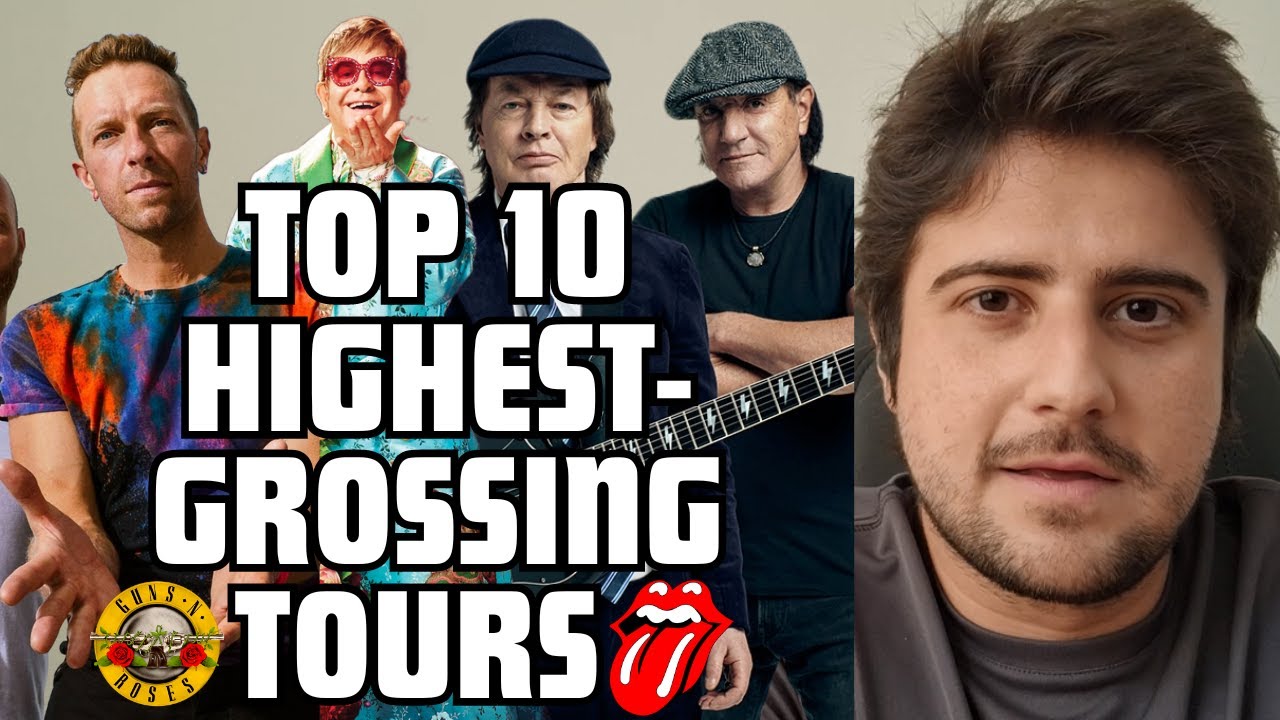
The highest-grossing concert tours in history, led by Taylor Swift’s Eras Tour and Elton John’s Farewell Yellow Brick Road, represent a transformative shift in the "experience economy." For the average fan in 2026, these milestones signify a new era of high-production live entertainment characterized by steeper ticket prices, sophisticated dynamic pricing models, and the rise of international concert tourism as a primary way to consume music.
The Evolution of the Live Music Economy
As of 2026, the landscape of live music has been fundamentally reshaped by a handful of "mega-tours" that have shattered previous financial records. These tours are no longer just series of performances; they are global cultural events that influence local economies, travel patterns, and digital discourse. To understand what these tours mean for you, we must first look at the specific entities that defined this era.
The shift toward high-grossing tours is driven by a decline in traditional album revenue and a surge in demand for communal, "Instagrammable" experiences. Artists now rely on touring for the vast majority of their income, leading to longer runs, larger venues, and more elaborate stage designs. This evolution has created a dual reality for fans: unprecedented access to world-class spectacles, balanced against the logistical and financial challenges of securing a seat.
1. Taylor Swift: The Eras Tour (The Billion-Dollar Benchmark)
The Eras Tour is widely recognized as the highest-grossing concert tour of all time, becoming the first to surpass the $1 billion mark during its initial run. By the time the tour concluded in late 2024, its impact was so significant that it sparked discussions among central banks regarding its effect on regional inflation—a phenomenon dubbed "Swiftlation."
What it means for you: The Eras Tour redefined fan engagement through "eventization." For you, this means that attending a concert is no longer just about the music; it is about the pre-show rituals, such as costume design and friendship bracelet trading. However, it also cemented the reality of the "Verified Fan" system. This tour proved that demand can outstrip supply to such an extent that traditional ticketing systems may fail, leading to more aggressive anti-bot measures and more complex registration processes for future events.
2. Elton John: Farewell Yellow Brick Road
Spanning five years and concluding in 2023, Elton John’s final tour grossed over $939 million. It held the record for the highest-grossing tour until Taylor Swift’s ascent. This tour was a masterclass in the "farewell premium," where the scarcity of future opportunities to see a legend drives ticket prices and merchandise sales to record highs.
What it means for you: The success of this tour signals that "legacy" acts will continue to dominate the top grossing spots. For the consumer, this means that "last chance" marketing is a powerful force. If you are a fan of classic artists, you should expect to pay a premium as they enter the final stages of their touring careers. It also highlights the importance of tour longevity; Elton John played over 300 shows, suggesting that for fans, the opportunity to see an artist in a "home" stadium is becoming more common than traveling to a distant hub.
3. Ed Sheeran: ÷ (Divide) Tour
Ed Sheeran’s Divide Tour, which ran from 2017 to 2019, grossed $776 million. Unlike some of its contemporaries, Sheeran’s tour focused on high-volume attendance rather than extremely high individual ticket prices. He utilized an "in-the-round" staging setup in later tours to maximize capacity, often performing without a backing band to keep the focus on the solo performance.
What it means for you: Sheeran’s model proves that massive grosses can be achieved through accessibility and volume. For you, this means that not every top-tier tour will require a four-figure investment. It demonstrates a successful alternative to the "luxury" concert model, prioritizing sheer numbers and repetitive dates in the same city to satisfy demand. If you are a budget-conscious fan, artists who follow the Sheeran model of high-capacity stadium shows are your best bet for finding relatively affordable entry-level tickets.
4. U2: 360° Tour
While it took place over a decade ago (2009–2011), the U2 360° Tour remains a top-five grosser with $736 million. It was famous for "The Claw," a massive, 360-degree stage structure that allowed fans to sit behind the band, effectively increasing stadium capacity by 25%.
What it means for you: U2’s legacy in the top five grossing tours means that technical innovation is a permanent fixture of the concert experience. For the modern fan, this translates to better sightlines and more immersive audio-visual technology. As we move through 2026, the influence of U2’s architectural approach can be seen in the use of massive LED screens and spatial audio in newer tours. You can expect your future concert experiences to involve more "spectacle" and 360-degree engagement, ensuring that even "nosebleed" seats offer a significant visual experience.
5. Coldplay: Music of the Spheres World Tour
Coldplay’s ongoing commitment to sustainability, combined with a gross exceeding $800 million (as of 2024/2025 reports), makes them a modern powerhouse. This tour focused on reducing carbon footprints through kinetic dance floors and power-generating bicycles, all while maintaining a massive visual spectacle.
What it means for you: Coldplay’s success indicates that fans are increasingly concerned with the ethics of touring. For you, this means that the "cost" of a ticket may eventually include a "sustainability fee" or participation in eco-friendly initiatives. It also means that the experience of a concert is becoming more interactive; by dancing or cycling, you are literally powering the show. This shift toward "conscious touring" is likely to become the standard for major acts by the end of the decade.
Comparison of the World's Highest Grossing Tours
| Tour Name | Artist | Estimated Gross (USD) | Key Innovation/Impact | Primary Audience |
|---|---|---|---|---|
| The Eras Tour | Taylor Swift | $1.0B+ | Economic "Swiftlift"; high-concept storytelling | Gen Z & Millennials |
| Farewell Yellow Brick Road | Elton John | $939M | The "Farewell Premium"; multi-year residency model | Legacy Fans / Boomers |
| Music of the Spheres | Coldplay | $810M+ | Sustainability & interactive green energy | Families & Alt-Pop Fans |
| ÷ (Divide) Tour | Ed Sheeran | $776M | Accessibility via high-volume stadium shows | General Pop Audience |
| 360° Tour | U2 | $736M | Massive architectural "The Claw" staging | Rock Enthusiasts |
The "Experience Economy" and Your Wallet
The primary reason these tours reach such astronomical figures is the implementation of dynamic pricing. This system, used by major ticketing platforms, adjusts the price of a ticket in real-time based on demand. For you, this means that the price you see when a sale opens might be significantly lower than the price an hour later.
Understanding Dynamic Pricing
When demand is high, the "market value" of the ticket increases. While this is designed to keep profits with the artist rather than scalpers, it often results in "sticker shock" for fans. To navigate this in 2026, you must be prepared to:
- Register early: Most top-grossing tours now require pre-registration weeks in advance.
- Set a hard budget: In the heat of a dynamic sale, it is easy to overspend.
- Look for "Obstructed View": Modern stage designs often mean that these seats are better than they used to be, offering a way into the stadium for a fraction of the cost.
The Rise of Concert Tourism
Another major trend is the "fly-to-see" model. Because ticket prices vary by country due to local currency and consumer protection laws (particularly in the EU), many fans find it cheaper to fly to a different city or country to see their favorite artist. If you are looking to see a top-grossing artist, it is worth comparing prices in different regions; sometimes, a flight and a hotel in a different city cost less than a single VIP ticket in your hometown.
The Cultural Significance of the "Mega-Tour"
Beyond the finances, these tours represent a shift in how we define community. In an era of digital fragmentation, a stadium tour is one of the few places where tens of thousands of people share a singular, physical experience.
For you, this means that the concert is a "safe space" for fandom expression. The high gross is a testament to the fact that people are willing to trade material goods for memories. This "memory capital" is the new currency of the mid-2020s. When you attend one of these shows, you are participating in a global conversation that continues on social media for months after the final encore.
Potential Pitfalls: What to Watch Out For
While these tours offer incredible experiences, the high-grossing nature of the industry has created several challenges for the average consumer:
- The Resale Trap: Despite efforts to curb scalping, the secondary market remains a high-risk area. Always use official resale platforms that guarantee ticket validity.
- Ancillary Costs: The "gross" of a tour doesn't just come from tickets. Parking, merchandise, and concessions have seen price increases that often outpace ticket inflation.
- The "Hype" Tax: Sometimes, the desire to be part of a "record-breaking" event can cloud judgment regarding the actual value of the seat being purchased.
Practical Advice for Navigating Major Concerts in 2026
To ensure you get the best value and experience from the next top-grossing tour, follow these steps:
- Utilize Fan Clubs: Joining an artist's official fan club is no longer just for superfans; it is often the only way to get a "presale code" that bypasses the worst of the dynamic pricing surges.
- Verify the Venue: Research the stadium's acoustics and layout. A $500 ticket in a stadium with poor sound redirection is a poor investment compared to a smaller venue.
- Wait for the "Production Release": A few days before a show, venues often release a small batch of tickets once the stage is built and they know exactly how many seats have a clear view. These are often sold at face value.
- Consider the "Mid-Week" Show: Tours that stay in one city for several days often have lower demand for Tuesday or Wednesday shows compared to Friday or Saturday nights.
Frequently Asked Questions
Why are concert tickets so much more expensive now than five years ago?
The increase is driven by the collapse of physical media sales, forcing artists to generate the bulk of their revenue from touring. Additionally, the cost of labor, fuel for transportation, and sophisticated stage technology has risen, leading to higher base prices which are then amplified by high demand.
What is the "Swiftlift" effect?
The "Swiftlift" or "Eras Effect" refers to the massive boost in local economies when a major tour comes to town. Hotels, restaurants, and local transport see a surge in revenue that can total tens of millions of dollars per city. This often results in higher travel costs for fans coming from out of town.
Is dynamic pricing legal?
Yes, in most jurisdictions, dynamic pricing is legal and is viewed as a way for the market to determine the price of a luxury good. However, some regions are investigating more stringent transparency requirements to ensure fans know when a price is being surged.
How can I avoid buying fake tickets for a sold-out tour?
Only use the official ticketing partner linked from the artist’s verified website. Avoid purchasing tickets from social media DMs or unverified third-party sites. In 2026, most tickets are "mobile-only" and require a specific app to transfer, making paper tickets almost entirely obsolete and often a sign of a scam.
Do these high-grossing tours actually benefit the artists?
Yes, but they also involve massive overhead. A tour grossing $500 million may have hundreds of millions in expenses, including venue rental, crew salaries, insurance, and travel logistics. The "gross" is the total revenue before these expenses are deducted.
Final Recommendation
If you are planning to attend one of the top-grossing tours of the 2026 season, prioritize logistics over the ticket itself. With ticket prices stabilizing at a higher floor, the real "win" for a consumer is minimizing the hidden costs of travel and avoiding the high-stress environment of the primary sale. By looking for mid-week dates and considering international venues, you can experience a world-class spectacle without compromising your financial stability. The era of the mega-tour is here to stay; navigating it successfully requires a shift from "impulse buying" to "strategic planning."