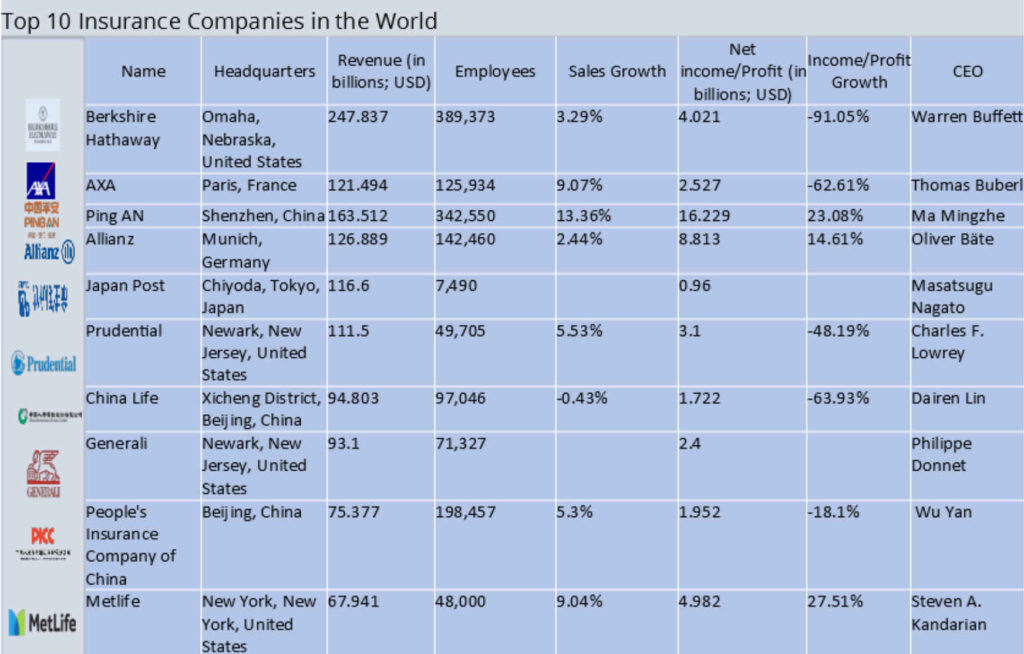
Navigating the marketplace for top-rated insurance providers involves understanding financial strength ratings, customer satisfaction metrics, and policy vendor stability. Independent rating agencies evaluate these life insurance companies to help policyholders identify reliable organizations capable of honoring long-term financial commitments.
When individuals or corporate benefit planners search for "5 star life insurance company vendors," they are typically looking to identify life insurance carriers that achieve the highest possible marks from major financial credit rating agencies—such as AM Best, Standard & Poor's (S&P), Moody's, and Fitch—alongside stellar customer service evaluations from organizations like J.D. Power. Securing coverage from a financially robust vendor ensures that beneficiaries will receive their death benefits decades into the future, protecting against the risk of insurer insolvency.
Understanding Financial Strength Ratings and Vendor Quality
The term "5 star life insurance company vendors" generally refers to carriers that hold superior financial strength ratings (FSR) from independent rating bureaus. Unlike consumer review platforms that measure immediate customer experience, institutional financial ratings assess an insurer's balance sheet, operating performance, and enterprise risk management.
The Role of Major Rating Agencies
Independent credit rating agencies utilize rigorous qualitative and quantitative models to assign grades. A rating equivalent to "5 stars" typically translates to an AM Best rating of A++ (Superior) or A+ (Superior), an S&P rating of AA or AAA, and comparable top-tier marks from Moody's and Fitch.
- AM Best: Focuses exclusively on the insurance industry, evaluating balance sheet strength, operating performance, and business profile.
- Standard & Poor's: Evaluates the insurer's overall creditworthiness and capacity to meet financial commitments.
- Moody's Investors Service: Analyzes debt obligations and financial security relative to macroeconomic risks.
- Fitch Ratings: Measures structural financial integrity and sector-specific solvency margins.
Consumer Satisfaction vs. Financial Stability
While financial strength guarantees that an insurer can pay claims, consumer satisfaction metrics determine the ease of the application, underwriting, and claims payout process. The best vendors balance both robust financial reserves with low consumer complaint ratios tracked by the National Association of Insurance Commissioners (NAIC).
Evaluating Top-Tier Life Insurance Vendors
Top-tier life insurance company vendors generally fall into three categories: mutual life insurers, stock life insurance corporations, and specialized fraternal benefit societies. Each structure impacts how policyholders participate in company performance and dividends.
Mutual Life Insurers vs. Stock Companies
- Mutual Companies: Owned entirely by their policyholders. Profits are returned to policyholders in the form of dividends or used to enhance policy values. These companies often dominate the 5-star financial strength lists due to conservative fiscal management.
- Stock Companies: Owned by shareholders. While they may offer competitive pricing and flexible term products, their primary objective is delivering returns to public or private investors.
Key Operational Metrics for Vendor Assessment
When evaluating life insurance vendors, policyholders and financial advisors examine specific key performance indicators:
- Risk-Based Capital (RBC) Ratio: A regulatory measure comparing an insurer's capital to its size and risk profile. Ratios well above the regulatory minimum indicate exceptional safety.
- Lapse Ratios: Lower lapse ratios indicate that policyholders maintain their coverage long-term, signaling satisfaction and product value.
- Complain Index: Tracked by the NAIC, where a score of 1.0 represents the industry average. Top vendors maintain ratios significantly below 1.0.
Comparative Matrix of Leading Life Insurance Vendors
The following table outlines prominent life insurance vendors, their standard organizational structures, typical financial strength rating tiers, and primary product strengths.
| Vendor Name | Corporate Structure | Representative Financial Rating | Primary Product Strengths | Key Consumer Consideration |
|---|---|---|---|---|
| Northwestern Mutual | Mutual | AM Best: A++ (Superior) | Whole Life, Term, Disability | High dividend payouts; strict underwriting. |
| New York Life | Mutual | AM Best: A++ (Superior) | Whole Life, Universal Life, Annuities | Extensive agent network; conservative portfolios. |
| Guardian Life | Mutual | AM Best: A++ (Superior) | Whole Life, Disability, Dental | Consistent dividend history; custom riders. |
| MassMutual | Mutual | AM Best: A++ (Superior) | Whole Life, Universal Life, Wealth Management | Strong whole life performance; robust digital tools. |
| State Farm | Mutual (P&C/Life) | AM Best: A++ (Superior) | Term Life, Universal Life | Integrated bundling with property/casualty lines. |
Note: Ratings reflect historical classifications by AM Best and are subject to periodic review. Consumers should verify current ratings directly through official agency portals.
Prerequisites and Steps for Selecting a 5-Star Vendor
Choosing the right life insurance vendor requires a systematic approach that aligns personal financial goals with the carrier's product offerings and underwriting guidelines.
Step 1: Assess Coverage Needs and Term Requirements
Determine whether temporary protection (Term Life Insurance) or permanent protection (Whole, Universal, or Variable Life Insurance) is required. Term insurance provides straightforward death benefit protection for a set period, whereas permanent insurance builds cash value over time.
Step 2: Review Independent Financial Ratings
Never rely solely on marketing materials. Consult independent evaluation portals:
- Visit the AM Best Rating Services platform to check the vendor's current financial strength rating.
- Review state insurance department filings or the NAIC Consumer Information Source to check complaint histories.
Step 3: Compare Underwriting Philosophies
Every life insurance vendor utilizes different medical and lifestyle underwriting guidelines. For instance, some 5-star vendors specialize in lenient underwriting for controlled chronic conditions (such as type 2 diabetes or managed hypertension), while others offer automated, exam-free underwriting for healthy applicants seeking accelerated approvals.
Step 4: Obtain and Analyze Formal Quotes
Request quotes from multiple top-tier vendors through an independent broker or direct channels. Compare the guaranteed maximum premium against the non-guaranteed elements, especially for universal life products where shifting interest rates can impact policy performance.
Common Mistakes and Pitfalls in Vendor Selection
Selecting a life insurance vendor is a multi-decade financial decision. Avoiding common pitfalls ensures long-term policy stability.
- Chasing the Lowest Premium Only: Opting for an obscure, low-rated carrier solely based on a cheap initial quote exposes the policyholder to insolvency risks or steep, unexpected premium hikes down the road.
- Ignoring Policy Structure Nuances: Confusing guaranteed universal life with variable universal life can lead to underfunded policies if market investments underperform.
- Neglecting Dividend History: For permanent whole life policies, failing to review the historical dividend performance of mutual companies can result in unrealistic cash value growth expectations.
- Overlooking Conversion Privileges: Choosing a term policy without a conversion rider can prevent the policyholder from transitioning to permanent coverage later in life without undergoing a new medical exam.
Frequently Asked Questions
What does an AM Best A++ rating mean for a life insurance vendor?
An AM Best A++ rating is the highest financial strength rating awarded by the agency. It indicates that the vendor possesses a superior ability to meet ongoing insurance obligations and policyholder commitments, even during severe economic downturns.
Are 5-star life insurance vendors more expensive than lower-rated carriers?
Not necessarily. While mutual companies with top-tier ratings may have higher initial premiums for whole life products due to conservative dividend provisioning, their long-term value and stability often offset the cost difference. Term life products from top-rated stock companies remain highly competitive in the open market.
How often do life insurance company ratings change?
Rating agencies monitor financial markets continuously and issue formal rating reviews annually, or more frequently if an insurer experiences significant financial shifts, macroeconomic pressures, or massive claims events.
Can a 5-star insurance vendor go bankrupt?
While extremely rare for carriers holding superior financial ratings, insolvency is theoretically possible due to catastrophic systemic events or severe misallocation of assets. State guaranty associations typically provide a safety net up to statutory limits for policyholders if an insurer fails.
Should I use an independent broker or a captive agent to buy from a top vendor?
Independent brokers can compare multiple 5-star vendors simultaneously and match your specific health profile with the most accommodating underwriting guidelines. Captive agents represent only a single insurance company and can only offer that specific vendor's product portfolio.
Professional Recommendation and Next Actions
When pursuing coverage from top-tier life insurance vendors, start by requesting independent financial reports from at least three distinct rating agencies for your shortlisted carriers. Consult with an independent fiduciary financial advisor or licensed insurance broker who has access to multiple AM Best A-rated or better institutions. Review your health history and financial objectives carefully to ensure the selected vendor's underwriting guidelines and product features align with your long-term estate and family protection goals.