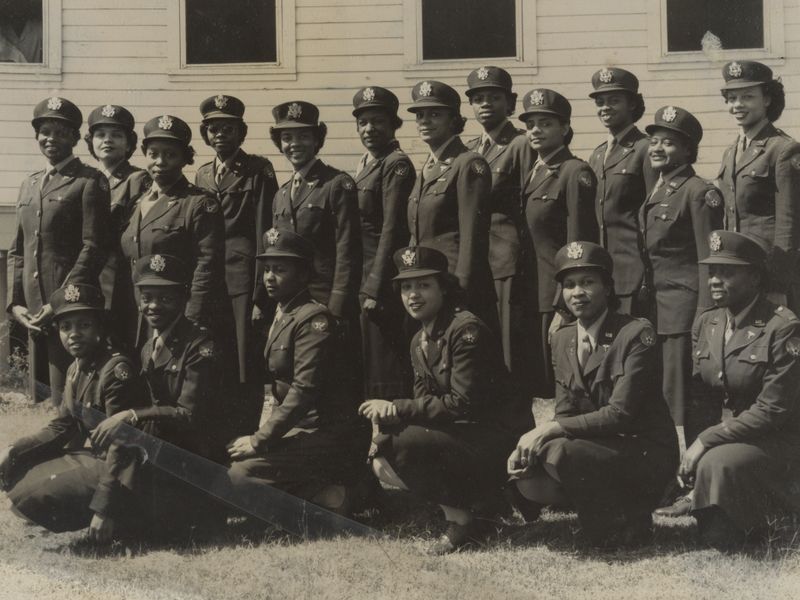
Modern military forces rely on advanced technology, complex logistics, and specialized technical expertise to accomplish their strategic objectives. While combat arms positions often receive the most public visibility, the modern army depends heavily on distinct specialist roles that require rigorous technical training, specialized certifications, and continuous professional development. Understanding these roles requires an examination of their specific operational scope, entry requirements, training pipelines, and long-term career trajectories.
The Evolution of Military Specialization
The contemporary operating environment has transformed military organizations from mass-conscript armies into highly technical forces requiring targeted proficiencies. Specialist roles in the army span multiple domains, including cyber defense, specialized medicine, engineering, intelligence analysis, and advanced ordnance management. Each position bridges the gap between civilian professional disciplines and military tactical requirements.
Candidates entering these specialized fields generally encounter rigorous selection procedures. Unlike general enlistment tracks, specialist roles often demand pre-existing civilian qualifications, university degrees, or demonstrated technical aptitude through standardized testing. Understanding the distinct demands of these professions allows prospective candidates, researchers, and defense analysts to evaluate how specialized personnel integrate into the broader force structure.
1. Cyber Operations Specialist
The cyber operations specialist plays a vital role in defending military networks, infrastructure, and command-and-control systems against sophisticated electronic incursions and cyber attacks. As warfare increasingly shifts into the digital domain, these professionals monitor network traffic, perform vulnerability assessments, and execute defensive and offensive cyber operations under strict operational guidelines.
Prerequisites and Recruitment Requirements
Entering a cyber operations role requires exceptional cognitive aptitude and technical capability. Candidates typically undergo specialized psychological profiling and computer aptitude evaluations, such as the Cyber Test, alongside standard military entrance examinations. While some entry-level positions train recruits from the ground up, advanced roles demand demonstrated proficiency in computer science, information technology, or network engineering.
Key prerequisites generally include:
- United States citizenship or equivalent nationality requirements depending on the specific allied nation's armed forces.
- High-level security clearance eligibility, which involves extensive background investigations into personal history, financial records, and foreign associations.
- Foundational knowledge of operating systems, networking protocols, and basic programming languages like Python or C++.
Training Pipeline and Skill Development
The training pipeline for a cyber operations specialist is notoriously rigorous. Recruits undergo basic military training followed by intensive technical schooling that can last anywhere from six months to over a year. The curriculum covers cryptography, network architecture, malware analysis, and ethical hacking methodologies. Throughout their careers, these specialists must complete continuous education modules to stay abreast of rapidly evolving digital threats and emerging exploits.
2. Combat Medic (Specialist Healthcare Support)
Combat medics are elite healthcare professionals integrated directly into operational units to provide immediate trauma care, battlefield stabilization, and emergency medical evacuation support. Operating in high-stress, austere environments, these specialists must balance tactical combat skills with advanced life-saving medical procedures.
Operational Scope and Responsibilities
The primary responsibility of a combat medic is to preserve life under fire. This involves executing tactical combat casualty care, managing airway obstructions, controlling massive hemorrhages, and administering pharmacological interventions prior to higher-level surgical evacuation. Beyond combat operations, medics manage routine battalion health, conduct preventative medicine inspections, and train non-medical personnel in basic first-aid protocols.
Certification and Licensing Standards
Unlike basic first responders, military combat medics frequently attain nationally or internationally recognized civilian certifications, such as Emergency Medical Technician (EMT) or paramedic credentials. Maintaining these certifications requires completing continuing education units (CEUs) and logging hands-on clinical hours in military treatment facilities or partner civilian hospitals during peacetime cycles.
3. Explosive Ordnance Disposal (EOD) Specialist
Explosive Ordnance Disposal (EOD) specialists are elite technicians tasked with detecting, identifying, rendering safe, and disposing of conventional ordnance, improvised explosive devices (IEDs), and chemical, biological, radiological, or nuclear (CBRN) threats. This role represents one of the most hazardous yet essential technical assignments within any military force.
Risk Mitigation and Technological Utilization
EOD operators utilize advanced robotics, specialized X-ray equipment, and heavy-duty bomb disposal suits to mitigate risks during operations. When mechanical intervention is insufficient, specialists rely on meticulous manual procedures to neutralize unstable munitions. Their expertise protects civilian populations, clears infrastructure for troop movement, and ensures the safe recovery of unexploded ordnance from conflict zones.
Selection and Attrition Rates
The EOD pipeline features some of the highest attrition rates in the military. Candidates must pass comprehensive physical fitness tests, psychological evaluations, and medical screenings verifying normal color vision and steady manual dexterity. The training school enforces strict academic standards; failure to master technical physics, electronics, or ordnance identification modules typically results in immediate removal from the program.
4. Military Intelligence Analyst
Information dominance remains a cornerstone of successful military operations. Military intelligence analysts collect, process, evaluate, and synthesize vast quantities of multi-source data to provide commanders with actionable operational intelligence. Their assessments directly influence strategic planning, force protection, and tactical engagement decisions.
Core Functions and Methodologies
Intelligence analysts employ structured analytic techniques to examine signals intelligence (SIGINT), human intelligence (HUMINT), imagery intelligence (IMINT), and open-source intelligence (OSINT). By recognizing patterns, identifying adversary vulnerabilities, and anticipating tactical developments, these specialists construct comprehensive operational pictures for leadership teams.
Analytical Rigor and Clearance Protocols
The role demands exceptional critical thinking, rigorous attention to detail, and the ability to articulate complex assessments clearly under strict time constraints. Due to the sensitive nature of the information handled, analysts must maintain the highest levels of security clearance, making impeccable personal conduct and financial transparency mandatory throughout their careers.
5. Construction Engineering Specialist
Engineering specialists are the backbone of military infrastructure development, responsible for horizontal and vertical construction, route clearance, bridging operations, and base camp establishment. They ensure that combat forces maintain freedom of movement and logistical sustainability across diverse geographic theaters.
Project Management and Technical Execution
These specialists operate heavy equipment—including bulldozers, graders, backhoes, and cranes—while managing complex engineering projects. Their duties encompass surveying construction sites, laying foundations, erecting tactical and permanent structures, and executing emergency repairs on damaged airfields, roads, and supply routes.
Civilian Transferability
Among military specialist roles, construction engineering offers some of the most direct pathways to civilian employment. Certifications earned during military service, such as Commercial Driver's Licenses (CDLs), heavy machinery operation credentials, and project management certifications, translate seamlessly into the civilian construction and civil engineering sectors.
| Specialist Role | Primary Operational Focus | Key Entry Requirement | Typical Civilian Equivalence |
|---|---|---|---|
| Cyber Operations Specialist | Network defense, threat monitoring, and digital warfare | High-level security clearance, technical aptitude | Information Security Analyst |
| Combat Medic | Emergency trauma care, battlefield stabilization | EMT certification eligibility, physical resilience | Paramedic / Emergency Medical Technician |
| EOD Specialist | Ordnance disposal, IED neutralization, CBRN threat mitigation | Stringent psychological and physical screening | Hazardous Materials Technician |
| Intelligence Analyst | Data synthesis, pattern recognition, threat assessment | Comprehensive background check, critical thinking aptitude | Intelligence Analyst / Risk Consultant |
| Construction Engineering | Infrastructure building, heavy machinery operation, route repair | Mechanical aptitude, physical fitness | Civil Engineering Technician / Heavy Equipment Operator |
Evaluating Career Paths and Strategic Considerations
Choosing a specialist role in the army requires careful evaluation of personal aptitude, physical resilience, and long-term professional goals. While combat arms roles focus primarily on direct engagement, specialist tracks offer deep technical competencies that remain highly valuable long after active military service concludes.
Candidates must weigh the intensive nature of initial training pipelines against the long-term career stability and post-service opportunities these professions provide. Thorough preparation, realistic expectation setting, and a commitment to continuous learning are essential for success in any of these elite branches.
Frequently Asked Questions
Can anyone apply directly for a specialist role in the army?
Direct entry into specialist roles depends on meeting specific prerequisites, such as minimum Armed Services Vocational Aptitude Battery (ASVAB) scores, physical fitness standards, and security clearance eligibility. Some roles require prior general service or specific civilian educational degrees before application acceptance.
What level of security clearance is required for intelligence and cyber roles?
Cyber operations specialists and military intelligence analysts typically require a Top Secret security clearance with Single Scope Background Investigation (SSBI) capabilities. This process evaluates a candidate's background, foreign travel, financial history, and personal references.
How transferable are military specialist skills to the civilian workforce?
Many specialist roles—particularly in engineering, medicine, and cyber operations—offer direct civilian equivalencies. Military institutions often partner with professional certification boards to ensure that service members receive recognized credentials upon completion of their training and service obligations.
What happens if a candidate fails an advanced training pipeline?
Attrition rates vary by specialty, particularly in high-risk fields like EOD and cyber operations. If a candidate fails a technical training course due to academic or performance reasons, they are typically reallocated to other military occupational specialties based on the needs of the service and the individual's demonstrated aptitude scores.
Are specialist roles deployed into direct combat zones?
Deployment status depends entirely on the operational requirements of the unit to which a specialist is assigned. While some roles, such as combat medics and EOD specialists, regularly deploy directly into active tactical environments, others may operate primarily from fixed installations, intelligence centers, or tactical command posts.
Recommended Next Steps
Prospective applicants should consult official military recruitment portals or speak with a specialized career counselor to review current enlistment criteria, physical requirements, and job availability. Candidates must verify that their educational backgrounds, citizenship statuses, and legal histories align with the strict prerequisites mandated for high-clearance and technical military roles.