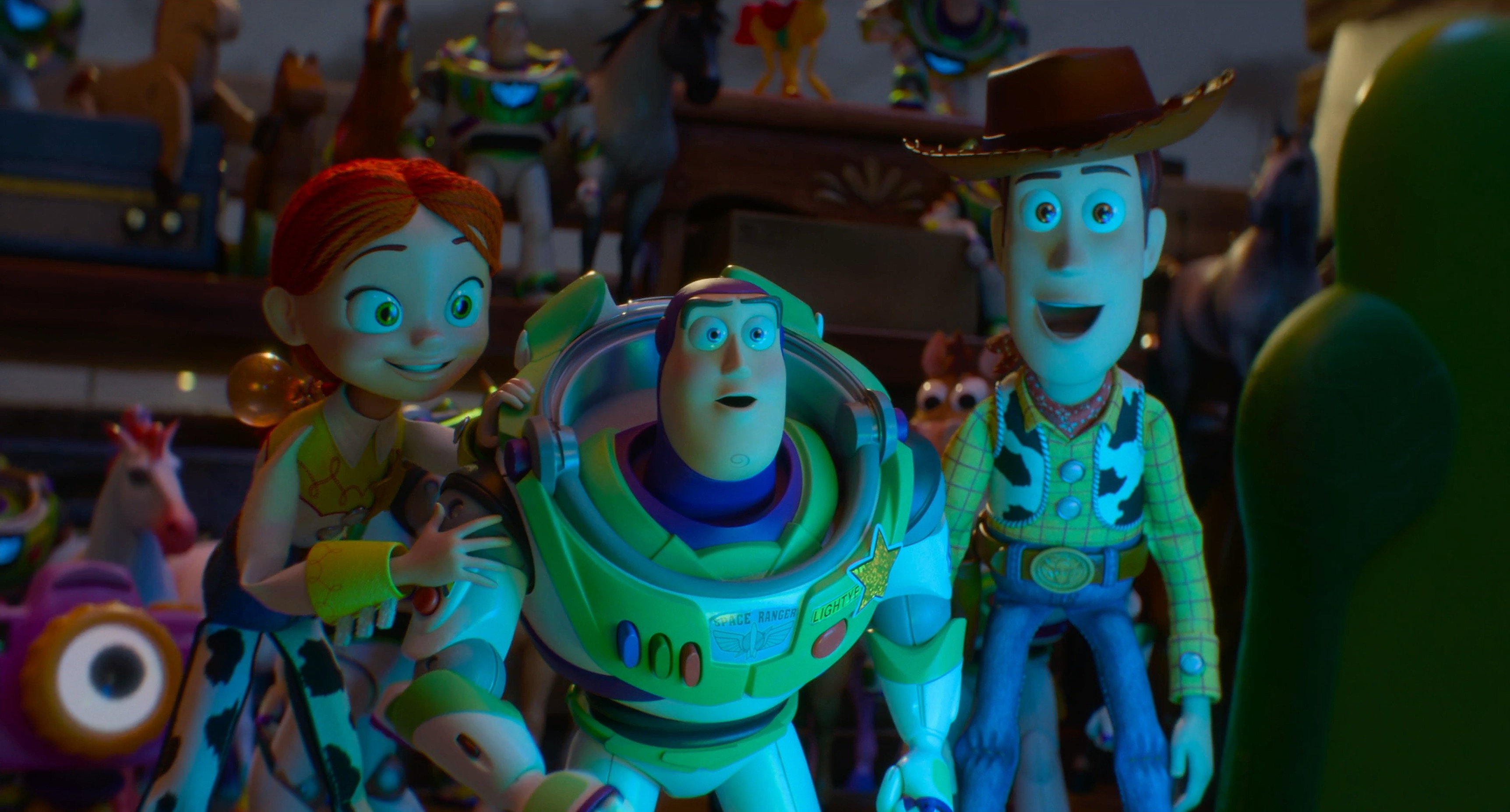
The trajectory of Toy Story 5 represents a major evolution for Pixar Animation Studios, defined by strategic announcements, creative leadership shifts, shifting release dates, technological milestones, and narrative expansions that bridge nearly three decades of cinematic history.
Introduction: The Legacy and Anticipation of Toy Story 5
When Pixar first introduced the world to Woody, Buzz Lightyear, and their plastic community in 1995, it revolutionized computer-generated animation and established a cultural touchstone that spanned generations. Decades later, the announcement of Toy Story 5 brought both excitement and scrutiny from the animation community and global audiences.
Understanding how this fifth installment makes its way to the big screen requires examining the definitive milestones that shaped its development. From its initial corporate greenlighting to creative decisions regarding franchise continuity, several key phases dictate its path to the premiere.
Milestone 1: The Official Corporate Announcement and Strategic Greenlight
The first major milestone occurred when corporate leadership at The Walt Disney Company officially confirmed that Toy Story 5 was in active development. During a quarterly earnings call, CEO Bob Iger announced that Pixar was working on sequels to several of its most reliable and commercially successful intellectual properties, specifically naming Toy Story, Frozen, and Zootopia.
This announcement marked a critical strategic pivot for Pixar. Following the box office performance of light theatrical releases during the pandemic era—such as Soul, Luca, and Turning Red heading directly to Disney+—and the underperformance of Lightyear (2022) at the theatrical box office, Disney and Pixar executives recognized the necessity of leaning into established, universally recognized franchises.
Why This Milestone Mattered
- Financial Re-alignment: Pixar needed to reassure investors and secure box office stability by returning to its most secure, proven intellectual property.
- Studio Morale and Pipeline: A confirmed greenlight secures multi-year production pipelines for animators, technical directors, and production staff, stabilizing the studio's operational workflow.
- Public Expectations: Transitioning from the definitive ending of Toy Story 4 (where Woody and Buzz parted ways) required an official corporate confirmation to manage fan expectations and speculation.
Milestone 2: Creative Leadership and Directorial Assignments
Following the greenlight, the second critical milestone involved establishing who would steer the creative vision of the film. Pixar appointed veteran filmmakers to write and direct the project, balancing institutional memory with fresh narrative perspectives.
Unlike the earlier films in the franchise—which were guided by industry pioneers like John Lasseter and Lee Unkrich—Toy Story 5 required filmmakers who understood the intricate emotional weight carried by characters that audiences had followed for over thirty years. Andrew Stanton, a foundational creative force at Pixar who co-wrote the previous four films and directed classics like Finding Nemo and WALL-E, was attached to direct and shape the story alongside co-directors.
Key Creative Parameters Established
- Continuity of Tone: Ensuring the dialogue and emotional beats aligned with the established character arcs of Woody, Buzz, and Jessie.
- Addressing the Ending: Overcoming the narrative corner created by Toy Story 4, which left the toys separated into two distinct worlds (carnival life versus traveling independent toys).
- Thematic Relevance: Modernizing the central conflict to resonate with children and parents navigating a vastly different technological landscape compared to 1995 or even 2019.
Milestone 3: Technological Evolution and Pipeline Adaptation
Animation technology has transformed dramatically since the release of the original Toy Story, which relied on early render farms and primitive geometry compared to modern standards. The third milestone involves the technical preparation and pipeline upgrades implemented specifically for Toy Story 5 within Pixar’s proprietary animation software ecosystem (such as Universal Scene Description frameworks and advanced ray-tracing renderers like RenderMan).
The technical challenges of a fifth installment are unique. Animators must revisit digital assets that have undergone multiple generational updates while introducing new characters that interact with contemporary technology.
Technical Focus Areas in Development
- Material Simulation: Enhancing how plastic, cloth, metal, and fur react to complex, realistic lighting setups.
- Facial Rigging and Expression: Refining the sub-surface scattering and rigging controls to allow for subtler emotional nuances without losing the iconic stylized look of the characters.
- Evolving Environments: Rendering hyper-detailed modern home environments, electronics, and digital toys that contrast with traditional playthings.
Milestone 4: Narrative Expansion and Topical Relevance
The fourth milestone centers on the thematic framework of the film, specifically how it addresses modern childhood. Pixar projects historically succeed by anchoring fantastical premises in deeply human emotional truths. While Toy Story 3 dealt with the grief of growing up and leaving childhood behind, and Toy Story 4 explored autonomy and purpose, Toy Story 5 targets a brand-new cultural phenomenon: the digital toy.
During industry presentations and D23 conventions, concept art and plot details revealed that the core conflict of Toy Story 5 pits traditional physical toys against electronics, tablets, and screen-based entertainment.
Thematic Comparison Across the Franchise
| Film | Primary Setting | Central Conflict / Theme | Technological Focus |
|---|---|---|---|
| Toy Story (1995) | Andy's Bedroom | Jealousy and acceptance of a newcomer | Early CGI, basic textures, hard surfaces |
| Toy Story 2 (1999) | Apartment & Airport | Value, mortality, and collector preservation | Improved lighting, fur simulation, complex crowds |
| Toy Story 3 (2010) | Daycare Center | Abandonment, transition, and generational passing | Global illumination, complex cloth dynamics |
| Toy Story 4 (2019) | Antique Store & Carnival | Purpose, independence, and self-determination | Volumetric fog, advanced facial rigging |
| Toy Story 5 (Projected) | Modern Homes & Digital Spaces | Traditional play versus modern screen-based tech | Next-gen ray tracing, complex device integration |
Milestone 5: The Theatrical Release Date Scheduling and Marketing Rollout
The final milestone leading directly to the premiere involves scheduling, release window optimization, and the rollout of promotional assets like trailers, character posters, and merchandise previews. Disney slated the Toy Story 5 theatrical release for June 19, 2026, locking in Pixar’s traditional lucrative summer box office window.
A successful rollout requires careful synchronization between the theatrical release, consumer products divisions, and global distribution networks. Because the Toy Story franchise generates billions of dollars in retail merchandise independent of box office returns, this milestone involves multi-million-dollar partnerships with global manufacturing and retail giants.
Essential Rollout Phases
- Teaser Trailer Debut: Initial 30-to-90-second previews released during major sporting events or cultural tentpoles to gauge audience sentiment.
- Full Trailer Release: Deep-dive trailers providing context on the plot, introducing new characters, and showcasing voice cast returns (including Tom Hanks as Woody and Tim Allen as Buzz Lightyear).
- Consumer Product Saturation: Hitting toy shelves and retail partner locations weeks ahead of the cinematic premiere.
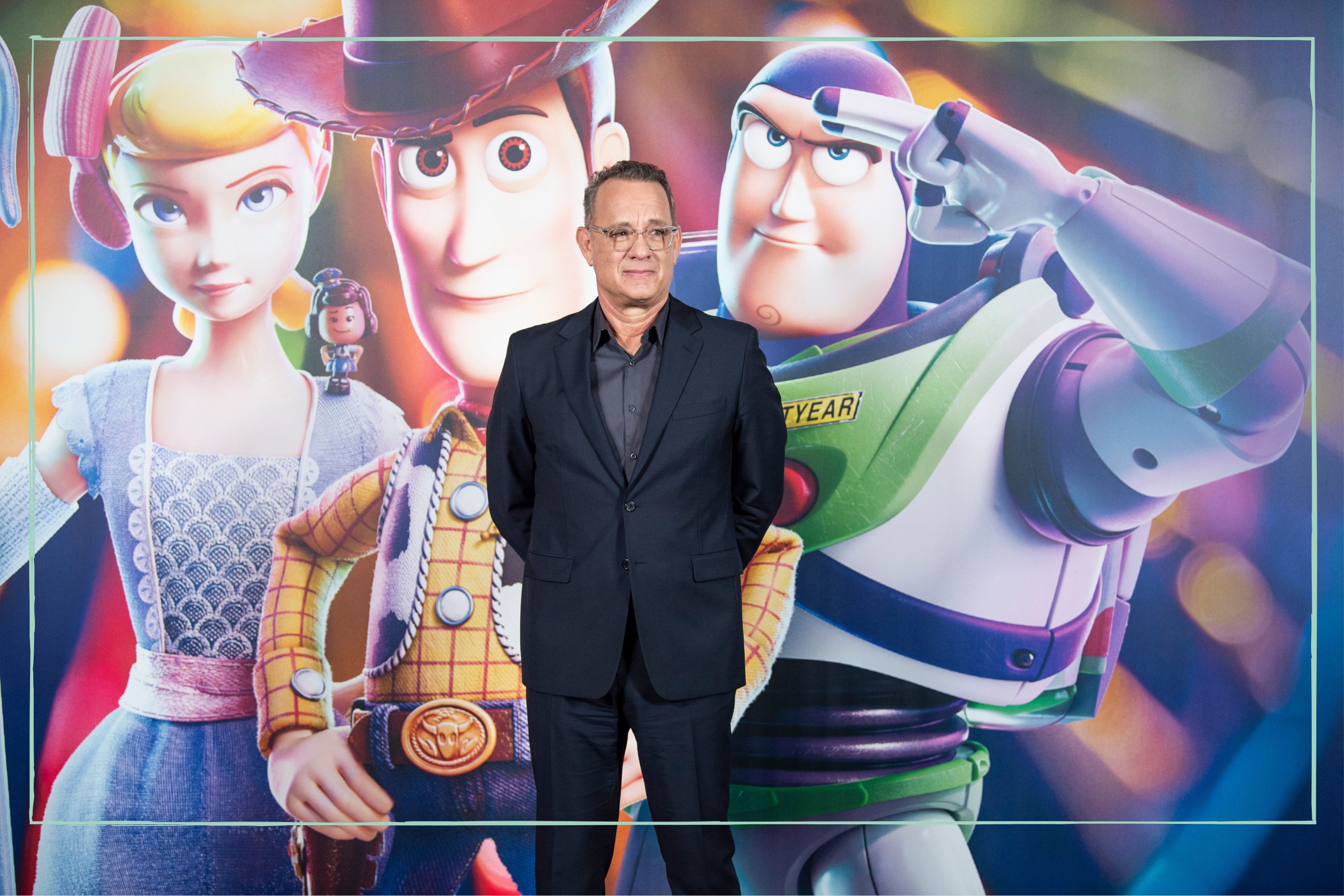
- Red Carpet Premiere and Press Tour: Global junkets featuring the voice talent and creative team, leading into the wide theatrical opening.
Frequently Asked Questions
Will Tom Hanks and Tim Allen return for Toy Story 5?
Yes, Disney and Pixar confirmed that franchise mainstays Tom Hanks (Woody) and Tim Allen (Buzz Lightyear) are set to reprise their iconic voice roles, ensuring vocal continuity for the central duo.
How does Toy Story 5 resolve the ending of Toy Story 4?
While complete plot details are closely guarded until release, promotional previews indicate that the narrative brings Woody and Buzz back into the same sphere of conflict, addressing how traditional toys interact with modern electronic distractions.
Is Toy Story 5 a direct sequel or a spin-off?
It is a direct, canonical sequel to Toy Story 4, continuing the primary storyline rather than acting as a prequel or a side-story like Lightyear.
Where can I watch previous Toy Story movies before the premiere?
All previous films in the franchise, along with associated shorts and television specials, are available to stream on Disney+.
Conclusion and Next Actions
Tracking the milestones of Toy Story 5—from the initial corporate greenlight and directorial appointments to technological adaptations, narrative framing around modern electronics, and final theatrical scheduling—reveals the immense scale required to maintain one of cinema's most beloved animation franchises. To prepare for the premiere, audiences should revisit Toy Story 4 to refresh their memory on the characters' transitional states and keep an eye out for official studio trailer drops ahead of the summer release window.