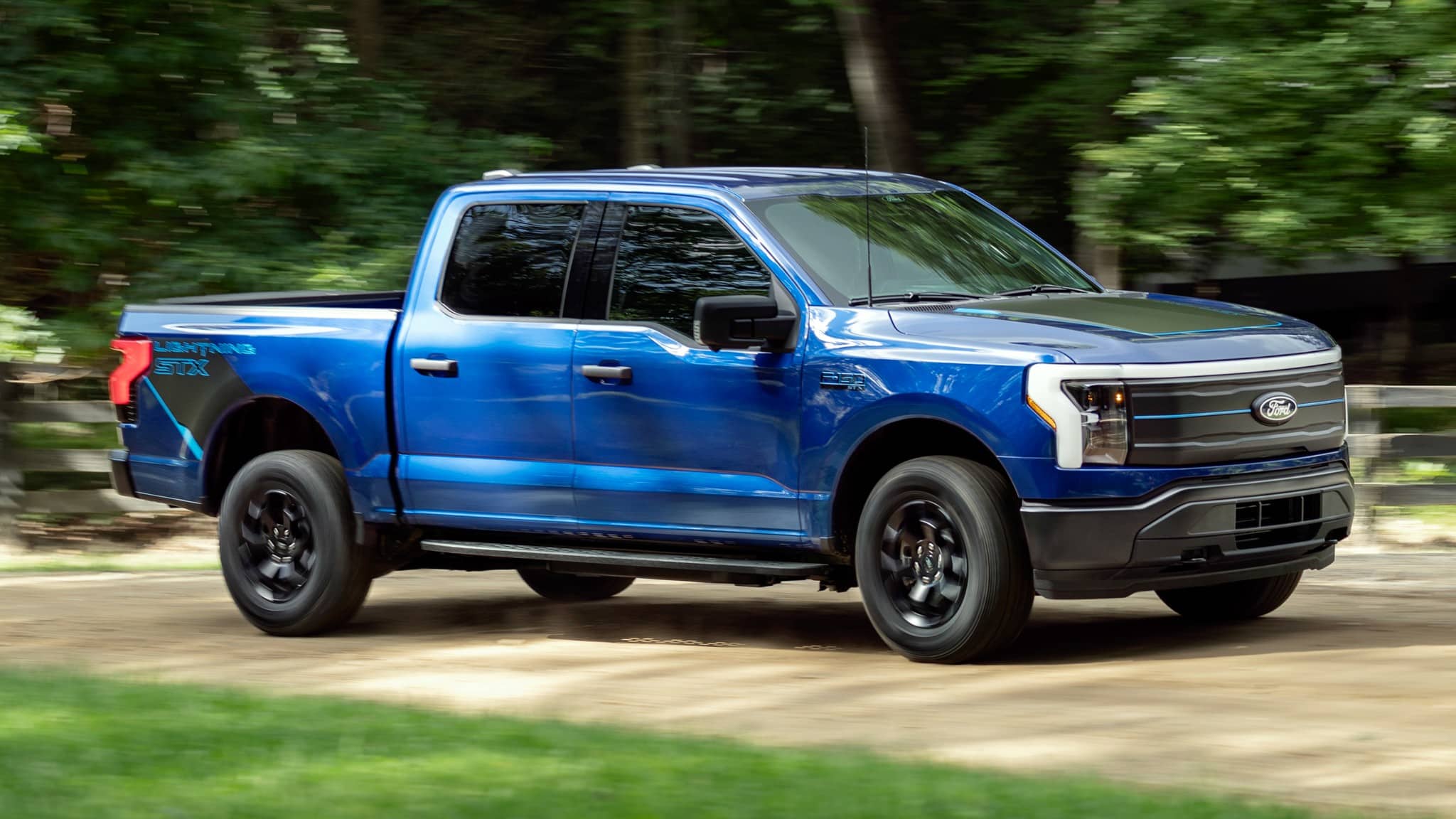
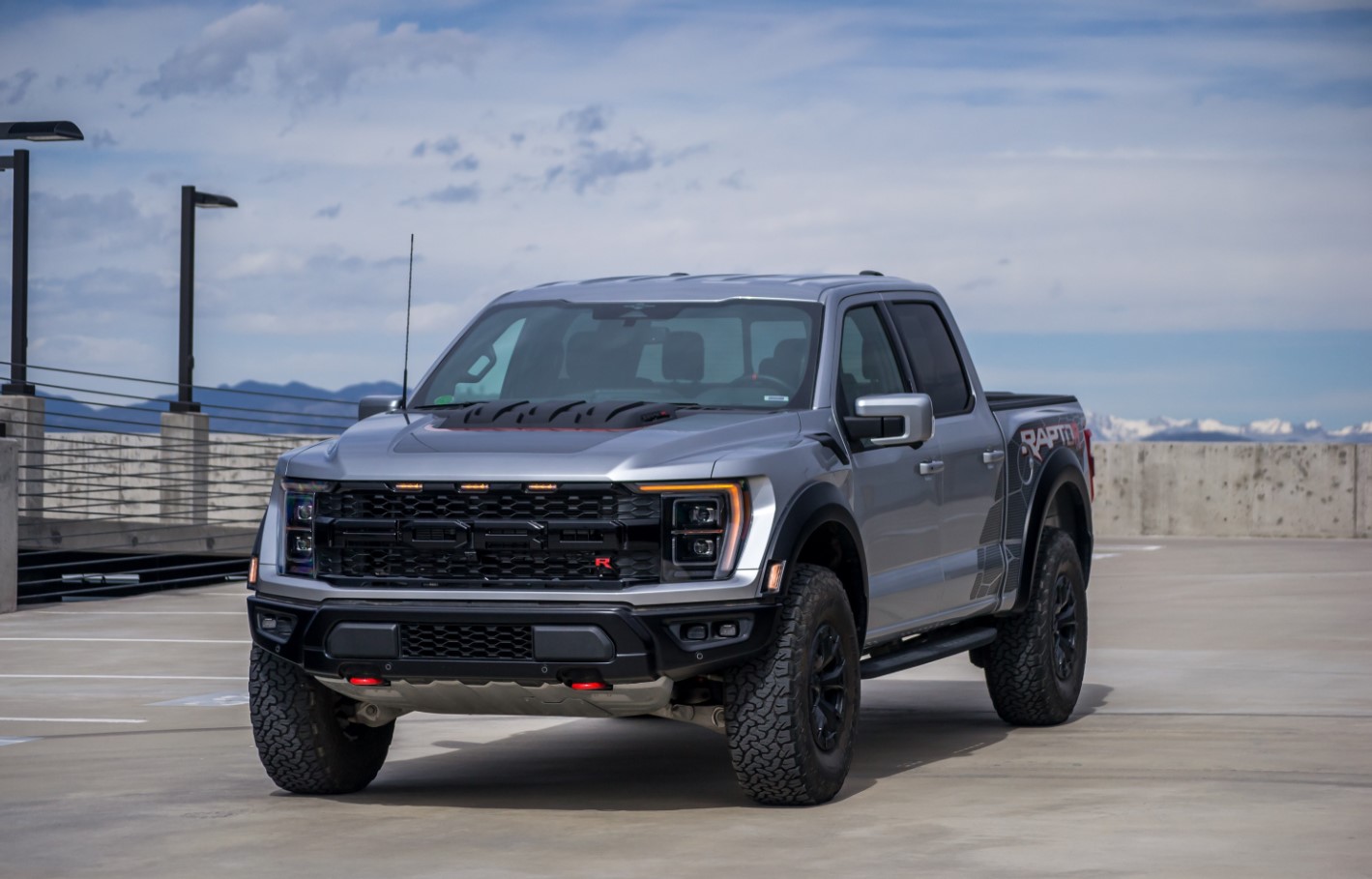
Securing a competitive auto loan or lease package for America's bestselling pickup truck requires a thorough understanding of evolving manufacturer incentives, shifting interest rate environments, and updated credit criteria. As the automotive market adapts to economic fluctuations, Ford Motor Credit and participating dealerships have adjusted their promotional programs to manage inventory levels, support high-demand trim configurations, and appeal to a widening demographic of retail and commercial buyers. Understanding these financing updates ensures that prospective truck owners can maximize available savings, avoid unfavorable terms, and align their purchasing strategies with current market realities.
Evolution of Ford F-150 Financing Structures
The financing landscape for light-duty pickup trucks has experienced considerable transformation, driven by shifts in monetary policy, manufacturing costs, and consumer demand for advanced technological features. Historically, truck financing relied heavily on standardized low-APR (Annual Percentage Rate) promotional periods lasting 36 to 60 months, paired with generous cash-back allowances. However, macroeconomic shifts and elevated production expenses for modern aluminum-body trucks equipped with hybrid powertrains or sophisticated driver-assistance suites have forced lenders to recalibrate their risk assessments and incentive distribution models.
Buyers entering the market today encounter a more nuanced financial environment. Rather than relying on blanket discounts across an entire model lineup, Ford Motor Credit has increasingly targeted promotional incentives toward specific configurations—such as the high-volume XLT and Lariat trims—while adjusting lease residuals and residual-value protections for specialized variants like the Lightning and Raptor. Consequently, navigating these offers demands careful attention to tier-based credit qualifications, regional availability, and the interplay between promotional interest rates and retail cash discounts.
1. Shift Toward Tiered APR Structures and Credit Score Thresholds
One of the most notable adjustments in Ford F-150 finance offers involves the tightening and re-segmentation of credit tiers required to qualify for promotional interest rates. While zero-percent or low-APR financing remains a powerful marketing tool, qualification criteria have grown stricter, placing greater emphasis on top-tier credit profiles.
Impact on Prime and Sub-Prime Borrowers
In previous financing cycles, buyers with good-to-excellent credit ratings (typically 740 and above) easily secured promotional rates. Under current guidelines, lenders have introduced intermediate tiers that bridge the gap between standard market rates and promotional incentives.
- Tier 1 (740+ FICO): Retains access to promotional low-APR financing windows, though promotional terms may be capped at shorter durations, such as 48 months instead of the traditional 60 or 72 months.
- Tier 2 & 3 (680–739 FICO): Frequently diverted away from zero-percent programs toward reduced-rate alternatives or structured cash-back rebates, requiring a careful mathematical comparison between total interest paid versus upfront purchase price reductions.
- Sub-Prime Borrowers (<680 FICO): Face standard market interest rates heavily influenced by prevailing federal benchmark rates, making larger down payments essential to mitigate monthly payment burdens.
Evaluating APR Versus Cash Back
Buyers are frequently forced to choose between promotional low-APR financing and retail customer cash incentives. When analyzing this choice, purchasers must calculate the total cost of borrowing over the life of the loan. If a buyer can secure a low promotional rate, it often yields lower overall expenses than taking a direct cash rebate and financing through an outside credit union at a higher prevailing rate.
2. Restructuring of Lease Residual Values and Mileage Allowances
Leasing an F-150 has traditionally appealed to business owners and individuals who prefer driving a new vehicle every three years without long-term equity concerns. However, shifts in used-car market valuations and projected depreciation curves have led to significant modifications in lease programs.
Residual Value Adjustments
Residual values—the projected worth of the truck at the end of the lease term—directly influence monthly lease payments. Ford Motor Credit has adjusted residual percentages based on powertrain selection and trim level:
- Internal Combustion Engines (ICE): Traditional EcoBoost and V8 powertrains maintain relatively stable, predictable residual curves, keeping standard lease payments manageable.
- Hybrid and Electric Variants: PowerBoost hybrids and F-150 Lightning models face more volatile residual projections due to rapid advancements in battery technology and fluctuating consumer adoption rates, prompting lenders to adjust money factors (lease interest rates) to offset potential depreciation risks.
Mileage Tier Modifications
Standard lease contracts traditionally offered 10,500, 12,000, or 15,000 miles per year. Current incentive structures increasingly promote lower-mileage caps (such as 10,000 miles) to artificially lower advertised monthly lease payments. Buyers must accurately assess their annual driving habits before committing to these lower thresholds, as excess mileage penalties at lease-end can quickly erase initial monthly savings.
3. Targeted Incentives for Commercial and Fleet Buyers
Commercial buyers represent a substantial portion of F-150 sales volume. Recognizing the unique financial demands of contractors, municipal fleets, and small business owners, Ford has refined its commercial financing programs to provide greater flexibility and tax-advantaged structures.
Ford Pro Integration and Line-of-Credit Financing
Commercial financing has transitioned from simple retail installment contracts to integrated asset management solutions through Ford Pro. Key changes include:
- Revolving Lines of Credit: Approved businesses can establish dedicated commercial lines of credit that streamline the acquisition of multiple vehicles without repeatedly submitting underwriting documentation.
- Upfit Financing Integration: Commercial buyers can now seamlessly bundle custom upfits (such as utility boxes, ladder racks, and specialized shelving) directly into their primary vehicle financing package, preserving working capital.
Tax Advantages and Section 179 Considerations
While manufacturer incentives change monthly, business buyers continue to leverage federal tax provisions like Section 179 of the Internal Revenue Code, which permits the immediate expensing of heavy vehicles (gross vehicle weight rating exceeding 6,000 pounds) used for business purposes. Coordinated commercial finance offers are structured to complement these tax strategies, though buyers should consult a certified tax professional to verify individual eligibility.
4. Introduction of Flexible Down Payment and Deferred Payment Options
To counteract affordability pressures caused by rising vehicle sticker prices and higher borrowing costs, Ford Motor Credit has periodically introduced specialized payment relief structures.
Deferred Payment Programs
In select regional markets and during specific promotional windows, qualified buyers have access to deferred payment options—allowing them to purchase an F-150 with zero payments for up to 90 days. While this provides immediate cash-flow relief, buyers must understand that interest continues to accrue during the deferral period, increasing the total principal balance financed unless structured as a true interest-subsidized pause.
Dynamic Down Payment Requirements
Lenders have also refined loan-to-value (LTV) ratios. To secure the most favorable financing terms, buyers are increasingly required to provide higher down payments, particularly when rolling negative equity from a trade-in vehicle into a new contract. Dealership finance departments are placing greater scrutiny on trade-in valuations to prevent over-extension and protect against immediate loan default risks.
5. Regional Incentive Variability and Digital-First Pre-Approval Tools
The final major shift involves how finance offers are distributed and accessed by consumers. The days of uniform national advertisements have largely given way to hyper-localized, ZIP-code-dependent incentives.
Geographic Disparities in Offers
Financing incentives now vary significantly by region, reflecting local inventory levels, regional weather demands, and competitive pressures from rival domestic and import manufacturers. For example, a heavy-duty towing package incentive might feature prominently in rural agricultural markets, whereas urban centers may see stronger promotional push for specific hybrid or luxury trims.
Digital Retailing and Transparent Pre-Qualification
The financing process has shifted heavily toward digital platforms. Online configurators now integrate real-time credit pre-qualification tools that allow buyers to view accurate, personalized finance and lease offers without impacting their credit scores (utilizing soft credit pulls). This transparency empowers consumers to finalize financing terms online before visiting a dealership, reducing friction during the closing process.
Comprehensive Comparison of Financing Options
To determine the most cost-effective path to ownership, buyers must weigh the structural differences between traditional retail financing, balloon financing, and leasing.
| Financing Method | Primary Benefit | Typical Term Length | Ownership Outcome | Best Suited For |
|---|---|---|---|---|
| Traditional Retail Loan | Full equity buildup and no mileage restrictions. | 36 to 84 months | Full ownership upon final payment. | Drivers keeping vehicles long-term (>5 years). |
| Standard Lease | Lower monthly payments and warranty coverage throughout. | 24 to 36 months | Option to purchase, trade, or return at term end. | Drivers upgrading frequently (<15,000 miles/year). |
| Commercial Line of Credit | Bundled upfits and flexible fleet management. | Customized terms | Varies by contract structure. | Small business owners and corporate fleets. |
| Balloon Financing | Lower monthly payments than traditional loans with eventual ownership. | 48 to 60 months | Full ownership after a large final balloon payment. | Buyers anticipating future liquidity events. |
Common Pitfalls and Consumer Guidance
Navigating F-150 finance offers requires vigilance against common financial missteps that can inflate the total cost of ownership.
- Ignoring the Total Cost of Borrowing: Focusing solely on the monthly payment can lead buyers into extended loan terms (such as 72 or 84 months) that accumulate substantial interest charges and leave the borrower in a negative equity position for years.
- Overlooking Dealer Fees and Add-Ons: Document fees, mandatory etching, and extended service contracts can erode the financial benefits of a promotional APR or cash-back offer. Always review the itemized buyer's order before signing.
- Failing to Shop Outside Lenders: While Ford Motor Credit offers competitive promotional rates, pre-approval from a local credit union provides a valuable baseline comparison to ensure the dealer's financing terms are genuinely advantageous.
Frequently Asked Questions
Can I combine zero-percent APR financing with manufacturer cash-back rebates?
Generally, no. Ford Motor Credit, like most major automotive lenders, requires buyers to choose between promotional low-APR financing and retail cash-back incentives. Purchasers must calculate whether the interest savings of a low APR outweigh the immediate purchase price reduction of a cash rebate.
How do credit score requirements affect my ability to lease an F-150?
Leasing typically requires a higher tier of credit qualification (usually a FICO score of 700 or above) compared to conventional retail financing. Because leasing relies heavily on projected residual values, lenders impose stricter credit standards to minimize default risks.
Are commercial finance offers available for sole proprietors without an official corporation?
Yes. Many commercial financing programs and line-of-credit options extend to sole proprietors, independent contractors, and freelancers, provided they can verify business income through tax returns or bank statements and possess an Employer Identification Number (EIN) or valid Social Security number used for business purposes.
What happens if I exceed my annual mileage limit on an F-150 lease?
Exceeding the agreed-upon annual mileage cap—typically set between 10,500 and 15,000 miles—results in a predetermined per-mile penalty fee (often ranging from $0.15 to $0.25 per mile) assessed at the time of lease return. Reviewing your actual driving history prior to selecting a mileage tier is essential to avoid unexpected end-of-term expenses.
Is it possible to refinance an F-150 loan if market interest rates drop later?
Yes. Standard retail installment contracts for the F-150 do not feature prepayment penalties. If prevailing market interest rates decline or your credit score improves significantly after purchase, you can refinance the remaining principal balance through a bank or credit union to secure a lower monthly payment.
Recommended Next Actions
Before visiting a dealership or locking in a financing contract, review your credit report for accuracy and obtain a pre-qualification estimate from an independent credit union. Use Ford’s online digital tools to explore localized regional incentives for your specific ZIP code, and carefully calculate whether a short-term promotional APR or a cash-back rebate best serves your long-term financial strategy. Taking these proactive steps ensures absolute clarity and control over your investment in a new Ford F-150.