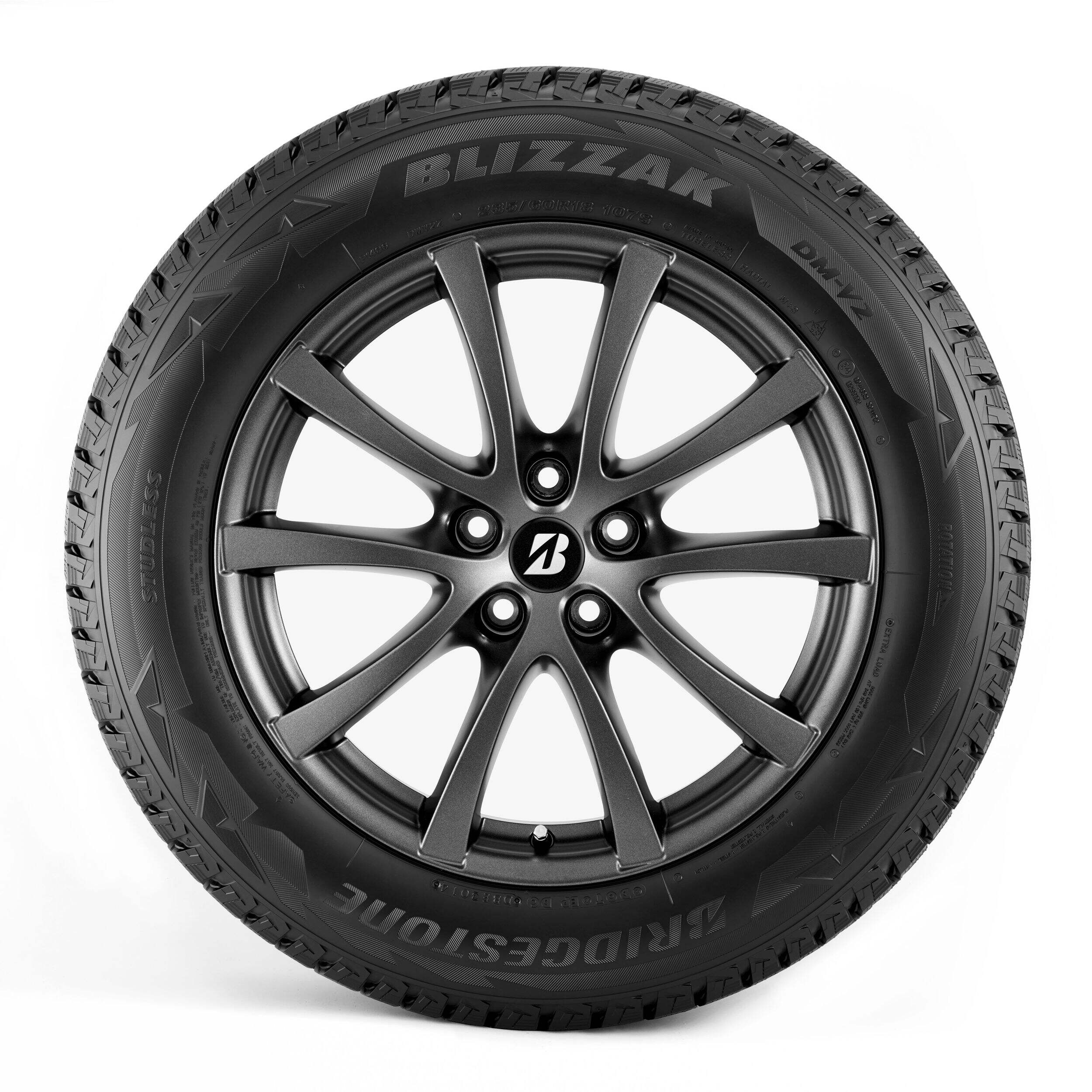
The Bridgestone Blizzak DM V2 winter tires introduce a refined multi-cell compound, an optimized symmetric tread pattern, and enhanced nano-pro tech polymers that improve ice traction, extend tread life, and deliver quieter highway performance compared to the preceding DM-V1 generation.
Winter driving demands specialized engineering to maintain control when temperatures plummet and roads turn to ice, slush, and deep snow. For light trucks, SUVs, and crossovers, finding a reliable winter tire can mean the difference between a safe commute and a hazardous slide. Bridgestone’s Blizzak line has long served as a benchmark in the category, particularly known for its bite on glare ice. Building on the legacy of its predecessor, the Blizzak DM-V1, the Bridgestone Blizzak DM V2 brings a series of targeted evolutionary updates designed to address modern vehicle dynamics, heavier electric and hybrid utility vehicles, and driver demands for longer-lasting treadwear. Examining these key changes helps drivers, fleet managers, and automotive enthusiasts determine how the tire performs in real-world winter conditions.
Understanding the Evolution of the Blizzak DM Series
To appreciate the enhancements found in the Blizzak DM V2, it is necessary to examine the foundational technology of the Blizzak lineup. Designed specifically for SUVs and crossovers—vehicles characterized by higher centers of gravity, increased weight, and all-wheel-drive configurations—the DM series focuses heavily on stopping power and cornering stability on slick surfaces.
Winter tires generally rely on two primary mechanisms: tread design (grooves, blocks, and sipes) and rubber compound chemistry. As vehicles have grown heavier due to safety equipment and the proliferation of hybrid and electric powertrains, tire manufacturers have had to adapt their load-bearing capabilities without sacrificing winter grip. The transition from earlier iterations to the DM V2 reflects a shift toward holistic performance, balancing extreme winter traction with everyday road manners, fuel efficiency, and extended wear characteristics.
1. Advanced Multi-Cell Compound with Bite Particles
The hallmark of the Blizzak family is its proprietary multi-cell compound, and the DM V2 introduces a heavily revised iteration of this technology.
- Micro-Pore Structure: The rubber compound features microscopic pores and channels that actively evacuate water films from the surface of ice. When a tire rolls over ice, friction generates a microscopic layer of water, causing slip. The multi-cell compound absorbs this water, allowing the rubber to make direct contact with the dry ice underneath.
- Bite Particles: Embedded microscopic biting particles act like tiny studs within the rubber compound. As the tire wears down over successive winter seasons, new biting particles are continuously exposed, maintaining ice-gripping performance throughout the lifespan of the tire.
- Low-Temperature Flexibility: Unlike all-season or summer tires that harden and lose elasticity in sub-zero temperatures, the DM V2 compound remains pliable in extreme cold, ensuring that the tread blocks can conform to micro-irregularities in snow and ice-covered asphalt.
2. Optimized Symmetric Tread Pattern and Sipe Density
Tread pattern design dictates how a tire sheds snow, displaces slush, and routes water away from the contact patch. The Blizzak DM V2 features a redesigned symmetric tread pattern optimized for the weight distribution of modern SUVs and light trucks.
- Increased Sipe Density: Sipes are the thin slits cut into tread blocks that create thousands of biting edges. The DM V2 features an increased number of bite edges compared to the DM-V1, particularly across the intermediate tread blocks. This boost in siping enhances lateral stability during cornering maneuvers on snow-packed roadways.
- Independent Tread Blocks: The blocks are engineered to move independently while maintaining overall structural rigidity. This controlled flexibility allows the edges to dig deep into loose snow while preventing excessive squirm during dry-pavement driving.
- Center Rib Stability: A continuous center rib provides a stable feel during straight-line highway driving, reducing steering corrections and improving driver confidence during long winter road trips.
3. Enhanced Nano-Pro Tech Polymer Integration
Bridgestone utilizes its proprietary Nano-Pro Tech polymer chemistry to control the interaction between filler materials and polymers at a molecular level. In the Blizzak DM V2, this technology has been refined to target rolling resistance and wear longevity.
- Heat Generation Reduction: By optimizing how polymer chains bond with silica and carbon black, the tire generates less internal friction as it flexes under load. Lower rolling resistance contributes modestly to fuel and energy efficiency—an increasingly critical factor for heavier modern vehicles.
- Structural Integrity: The molecular bonding improves the tear and cut resistance of the rubber compound, protecting the tread blocks from damage when navigating over hidden rocks, frozen ruts, or compacted ice chunks.
- Consistent Performance Curve: The advanced polymer structure ensures that the physical properties of the tread remain stable across a wide range of sub-freezing temperatures, preventing premature hardening or cracking during severe cold snaps.
4. Improved Evacuation Channels and Slush Performance
Slush is frequently cited by drivers as one of the most treacherous road conditions, often presenting a greater hydroplaning hazard than standing water due to its high density and variable consistency.
- Wide Circumferential Grooves: The DM V2 incorporates deep, high-volume circumferential grooves that act as primary reservoirs for channeling slush and water away from the contact patch.
- Angled Lateral Notches: The shoulder blocks feature aggressive, angled lateral grooves that cut through thick slush and deep snow, preventing snow packing (a phenomenon where tread grooves fill with snow and lose their clearing ability).
- Self-Cleaning Tread Design: As the wheel rotates, centrifugal force aids in expelling packed snow from the tread voids, ensuring that the tire is ready to bite into fresh snow with every revolution.
5. Refined Contact Patch and Extended Treadwear Life
A common critique of aggressive winter tires with soft rubber compounds has historically been rapid wear when driven on dry or wet cold pavement. Bridgestone engineered the DM V2 to address this durability trade-off.
- Pressure Distribution: The contact patch—the area of the tire touching the road—was redesigned using computer-simulated modeling to distribute vehicle weight evenly across the entire footprint.
- Mitigation of Heel-and-Toe Wear: Uneven wear patterns, often caused by heavy braking forces on SUVs, are minimized through reinforced block tie-bars that stabilize the tread elements.
- Mileage Longevity: While dedicated winter tires will always wear faster than all-season tires due to their softer compounds and specialized sipes, the DM V2 offers measurable improvements in tread life longevity over its predecessor, reducing the frequency of premature replacements.
Comparison of Bridgestone Blizzak DM Series Generations
| Feature / Metric | Bridgestone Blizzak DM-V1 | Bridgestone Blizzak DM V2 | Performance Impact |
|---|---|---|---|
| Compound Technology | Standard Multi-Cell | Enhanced Multi-Cell with Bite Particles | Improved micro-pore water evacuation and ice grip |
| Sipe Distribution | Moderate siping density | High-density 3D siping | Enhanced lateral stability and cornering bite on snow |
| Polymer Integration | Standard Nano-Pro Tech | Refined Nano-Pro Tech molecular bonding | Lower rolling resistance and increased durability |
| Treadwear Longevity | Baseline | Moderately improved | Better resistance to irregular wear and extended mileage |
| Dry Road Handling | Adequate, slight squirm | Stabilized center rib and contact patch | Firmer steering response and reduced highway noise |
Practical Performance, Limitations, and Suitability
Evaluating whether the Bridgestone Blizzak DM V2 is the right choice for a specific vehicle requires looking beyond laboratory claims and examining practical operational parameters.
Advantages in Severe Winter Climates
For drivers residing in regions characterized by heavy snowfall, prolonged sub-zero temperatures, and unplowed secondary roads, the DM V2 excels. Its primary strength remains ice braking and acceleration from a stop. Drivers transitioning from standard factory all-season tires will notice an immediate, substantial difference in stopping distances on ice-covered intersections and slick highway on-ramps.
Operational Limitations and Considerations
- Dry Pavement Wear: Because the tire relies on a soft compound and microscopic pores, driving long distances on dry pavement at high ambient temperatures (above 45°F or 7°C) will accelerate tread wear.
- Fuel Economy Impact: Like all dedicated winter tires, rolling resistance is generally higher than low-rolling-resistance summer or grand-touring all-season tires, which can result in a minor dip in fuel economy or electric vehicle range.
- No Stud Compatibility: The DM V2 is a studless winter tire. While its multi-cell compound eliminates the need for metal studs in most applications, drivers in regions that legally require or specifically benefit from studded tires for glare ice may need to explore stud-compatible alternatives.
Common Mistakes to Avoid When Using Winter Tires
Maximizing the investment in a set of Bridgestone Blizzak DM V2 tires involves avoiding several frequent operational errors:
- Delaying Installation: Waiting until the first major snowstorm to install winter tires often leads to compromised safety during the transition period and long wait times at service centers. Install winter tires when ambient temperatures consistently drop below 45°F (7°C).
- Neglecting Tire Pressure Monitoring: Cold weather causes air pressure in tires to drop (typically losing about 1 PSI for every 10°F drop in temperature). Under-inflated winter tires flex excessively, generating internal heat and wearing out the shoulders prematurely. Check pressures monthly throughout the winter season.
- Mixing Tire Types: Installing winter tires on only the front or rear axle of an SUV or crossover severely unbalances traction, leading to dangerous oversteer or understeer conditions. Winter tires should always be installed as a complete set of four.
- Year-Round Use: Leaving winter tires on through the spring and summer accelerates rubber degradation due to hot asphalt, destroying the specialized multi-cell compound prematurely.
Frequently Asked Questions
Are Bridgestone Blizzak DM V2 tires suitable for electric SUVs?
Yes, many owners of heavy electric vehicles and hybrids utilize the DM V2. Its reinforced internal structure and optimized load capacity accommodate the higher weight of electrified platforms, though drivers should account for the expected impact on battery range due to increased rolling resistance in cold weather.
Do Blizzak DM V2 tires require metal studs for ice traction?
No. The tire utilizes a proprietary multi-cell compound containing microscopic pores and biting particles that absorb water films and grip ice surfaces directly, making metal studs unnecessary for exceptional winter performance.
How many seasons can I expect the Blizzak DM V2 to last?
Tread lifespan depends heavily on driving style, annual mileage, storage conditions, and the percentage of driving done on dry versus snow-covered roads. On average, dedicated winter tires yield between 25,000 to 40,000 miles. Note that the specialized multi-cell compound provides its maximum ice-gripping performance through the first 50% of tread depth.
Can I drive on dry highways with Blizzak DM V2 tires at normal speeds?
Yes, the tire is speed-rated for highway use and features a stable center rib to maintain composure at legal highway speeds. However, drivers should anticipate a slightly softer ride feel and increased tread hum compared to grand-touring all-season tires.
When is the ideal time to remove winter tires in the spring?
Winter tires should be removed and swapped for all-season or summer tires once daily ambient temperatures consistently remain above 45°F (7°C) and the threat of freezing precipitation has passed for the season.
Conclusion and Recommendations
The Bridgestone Blizzak DM V2 represents a mature, highly engineered solution for SUV and light truck owners facing harsh winter environments. Through its refined multi-cell compound, increased siping density, optimized contact patch, and advanced polymer technology, it successfully balances uncompromising ice and snow traction with improved durability and refined road manners. For drivers navigating freezing commutes, deep snow, and treacherous black ice, investing in a set of four DM V2 tires provides a reliable, performance-proven margin of safety. Ensure proper seasonal storage, monitor inflation pressures regularly, and transition back to all-season tires when spring arrives to maximize the operational lifespan of the investment.