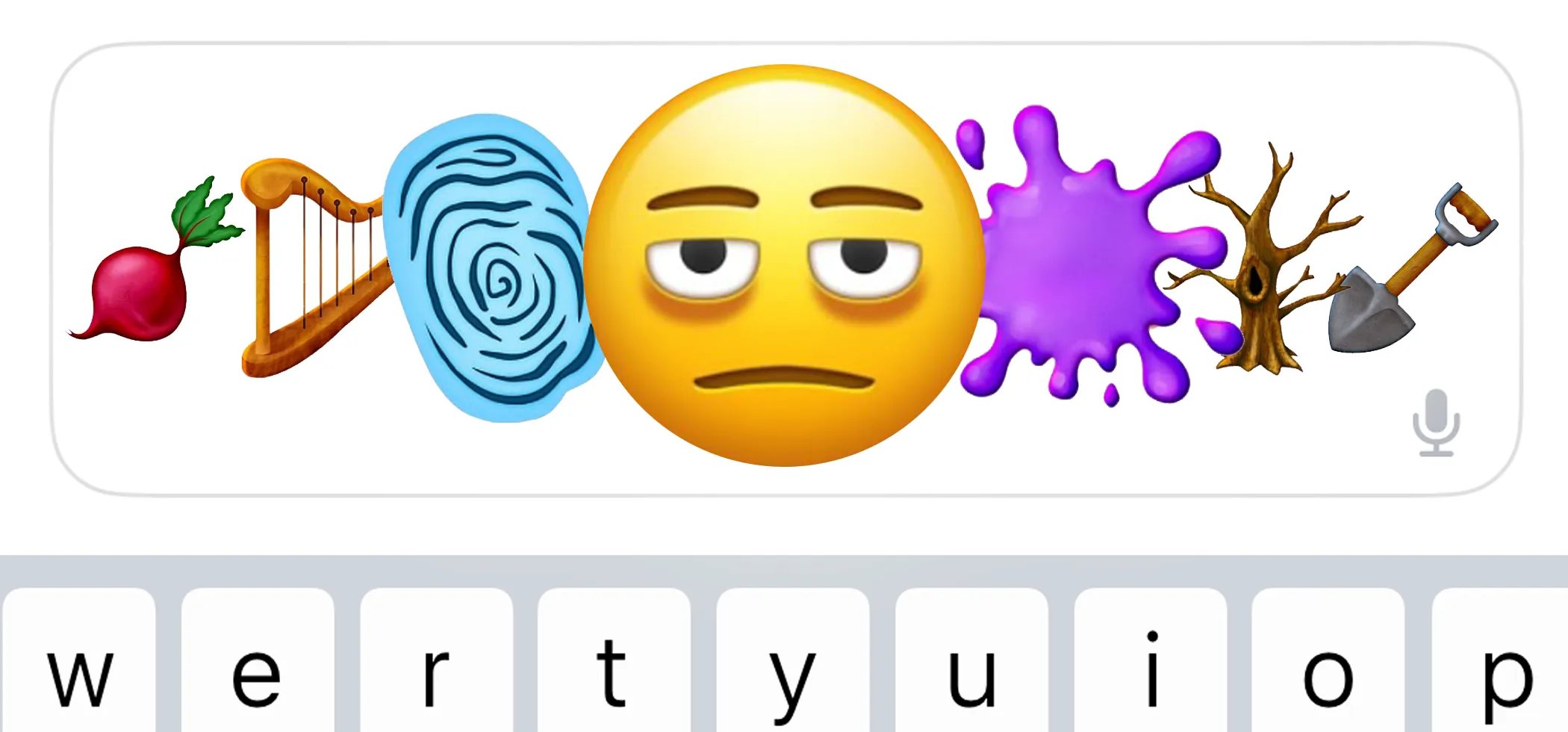
The 2025 emoji update, primarily driven by the full global rollout of Unicode 16.0, introduced eight new characters and several technical refinements to mobile devices. Key highlights include the highly anticipated "Face with Bags Under Eyes," the "Fingerprint," the "Leafless Tree," the "Root Vegetable," and various utilitarian tools like the "Shovel."
The digital landscape of 2026 has fully embraced the additions from the 2025 emoji update. While a handful of new characters might seem like a minor change, the process of standardizing these symbols across billions of devices involves rigorous technical vetting by the Unicode Consortium and distinct creative interpretations by major tech giants like Apple, Google, and Samsung. As we look back from 2026, it is clear that the 2025 update was less about quantity and more about cultural resonance and technical utility.
These additions were designed to fill specific gaps in our visual vocabulary, addressing themes of mental health, environmental awareness, and digital security. Below, we explore the five most significant highlights of the 2025 update, the technical journey they took to reach our screens, and how they have changed the way we communicate.
1. The Face with Bags Under Eyes: A Symbol for Modern Burnout
Perhaps the most culturally significant addition of the 2025 update was the Face with Bags Under Eyes. Long before its official release, this emoji was the subject of viral social media campaigns and intense public interest. In an era where discussions surrounding mental health, "hustle culture," and the importance of sleep have become mainstream, this emoji provided a much-needed visual shorthand for exhaustion that goes beyond simple sleepiness.
Unlike the "Sleeping Face" or "Tired Face" emojis, which often imply a temporary state or a humorous level of fatigue, the Face with Bags Under Eyes conveys a more chronic, lived-in weariness. The design typically features a neutral mouth and prominent dark circles or "bags" beneath the eyes. From a technical perspective, designers at various platforms had to ensure the bags were visible at small resolutions without making the emoji look like it was wearing glasses or a mask.
In practice, this emoji has become a staple for professionals, students, and parents alike. It is used to signal burnout, the aftermath of a long night, or simply the reality of modern life in 2026. Its popularity stems from its authenticity; it is an emoji that acknowledges the struggle of day-to-day existence without the need for exaggeration.
2. The Fingerprint: Bridging Physical and Digital Identity
The introduction of the Fingerprint emoji in 2025 marked a significant step in representing digital security and forensic science. As biometric authentication—such as Touch ID and various fingerprint scanners—remains a standard for securing our 2026 devices, having a dedicated symbol for this technology was a logical progression for the Unicode Standard.
Technically, the Fingerprint emoji presented a challenge for iconographers. A fingerprint is a complex series of ridges and valleys, which can easily turn into a blurred smudge when shrunk to the size of a standard line of text. The successful versions seen on iOS and Android today use stylized, high-contrast concentric loops to ensure legibility across all display types, from high-resolution smartphones to lower-end wearable tech.
Beyond its literal use in discussions about cybersecurity and phone unlocking, the Fingerprint has taken on several metaphorical meanings:
- Unique Identity: Representing the "mark" someone leaves on a project or a unique personal trait.
- Forensics and True Crime: A favorite for the massive community of true crime podcast listeners and armchair detectives.
- Consent and Signature: Used symbolically in digital contracts or to indicate that someone has "signed off" on a decision.
3. The Leafless Tree: A Visual Cue for Environmental Change
The Leafless Tree was added to the Unicode 16.0 repertoire with a dual purpose: representing the natural cycle of seasons and serving as a somber symbol for environmental issues like drought, deforestation, and climate change. While we already had lush deciduous trees and evergreens, the skeletal silhouette of a leafless tree was a missing piece in the environmental category.
The implementation of this emoji varies slightly by platform. Some designers opted for a stark, wintry look, while others emphasized a gnarled, ancient aesthetic. In the context of 2026, this emoji is frequently paired with the "Sun" or "Fire" emojis to discuss heatwaves or the "Snowflake" to represent the depths of winter.
More importantly, the Leafless Tree has become a tool for activists and scientists. It provides a stark contrast to the vibrant "Herb" or "Evergreen Tree" emojis, allowing users to visually represent the loss of biodiversity or the impact of ecological neglect. It serves as a reminder that emojis are not just for fun; they are a reflection of the world we inhabit and the challenges we face.
4. The Shovel and the Harp: Expanding Tools and Hobbies
The 2025 update also focused on practical utility by adding the Shovel and the Harp. These two items may seem unrelated, but they both represent the Unicode Consortium's ongoing effort to include a wider range of human activities and professions.
The Shovel is a versatile tool emoji. It is used to represent gardening, construction, and archeology. In a more figurative sense, it has been adopted in "digging for the truth" or "burying the past." Its design is typically a standard D-handle spade, rendered in a way that distinguishes it from the "Spoon" or other kitchen utensils.
The Harp, on the other hand, fills a long-standing gap in the musical instrument category. Prior to 2025, string instruments were represented primarily by the "Violin" and "Guitar." The Harp brings a different cultural and historical weight, often associated with classical music, mythology, and folk traditions (such as the Irish Clàrsach). Its inclusion was highly requested by musicians and cultural organizations who felt the previous selection of instruments was too narrow.
5. The Splat and the Root Vegetable: Abstract and Culinary Versatility
Rounding out the highlights are the Splat and the Root Vegetable (often depicted as a beet). These two additions showcase the extremes of emoji design: one is a highly abstract shape, while the other is a specific botanical item.
The Splat emoji—looking like a spill of paint or a mud splatter—has become one of the most creatively used symbols of the 2025 update. Because it is non-specific, users have used it to represent everything from "spilling the tea" (gossip) to artistic endeavors and accidental messes. It serves as an excellent visual punctuation mark for chaos or clumsiness.
The Root Vegetable, which most platforms have rendered as a deep purple beet with green leaves, finally gives a voice to a whole category of produce. While we had carrots and potatoes, the beet represents a broader range of earthy vegetables. It has been embraced by the culinary community, gardeners, and those looking to add more color to their digital "grocery lists."
Technical Specifications and the Rollout Process
The journey from a proposal to the emoji appearing on your keyboard is a multi-year process governed by the Unicode Consortium. For the 2025 updates (Unicode 16.0), the process followed a strict timeline that ensured cross-platform compatibility.
| Phase | Description | Key Dates |
|---|---|---|
| Proposal & Review | Individuals and organizations submit proposals for new emojis based on usage frequency and distinctiveness. | 2023 - Early 2024 |
| Draft Approval | The Unicode Emoji Subcommittee reviews candidates and releases a draft list for public comment. | Mid-2024 |
| Final Specification | Unicode 16.0 is officially released, assigning unique hex codes (e.g., U+1F600) to each new character. | September 2024 |
| Vendor Design | Companies like Apple (iOS), Google (Android), and Microsoft (Windows) design their own versions of the emojis. | Late 2024 - 2025 |
| General Availability | Emojis are pushed to consumers via OS updates (iOS 18.x, Android 15/16). | Throughout 2025 |
Why Hardware and Software Matter
Even after the Unicode Consortium approves an emoji, it doesn't instantly appear everywhere. Each operating system must update its system font to include the new glyphs. This is why, during the transition period in mid-2025, many users saw "tofu" (the small blank boxes with an X inside) when someone sent them a new emoji. By 2026, most devices have been updated, making the 2025 emojis universally visible.
Comparing Emoji Standards (2024 vs. 2025)
The 2025 update was a "point release" focused on refinement compared to some of the massive expansions seen in previous decades. Here is how the 2025 rollout (Unicode 16.0) compares to the previous year's update.
| Feature | Unicode 15.1 (2024 Rollout) | Unicode 16.0 (2025 Rollout) |
|---|---|---|
| Total New Emojis | 118 (mostly variations) | 8 unique base characters |
| Focus | Directional variations (e.g., walking right) | New concepts and symbols |
| Key Addition | Phoenix, Lime, Brown Mushroom | Face with Bags, Fingerprint, Splat |
| Diversity Focus | Expanded skin tone/gender combos | Improved biometric representation |
| Technical Shift | Focus on ZWJ (Zero Width Joiner) sequences | New atomic character points |
The Cultural Impact of the 2025 Updates
By 2026, we can see that these emojis have done more than just add color to our texts; they have influenced digital marketing and brand communication. The Face with Bags Under Eyes is frequently used by wellness brands to empathize with their customers, while the Splat has become a favorite in the graphic design of Gen Alpha influencers.
The inclusion of the Leafless Tree also highlights a shift in how the Unicode Consortium views its role. They are no longer just documenting common objects; they are providing tools for global conversations about climate and change. This "semantic expansion" ensures that the emoji language remains relevant as the world's priorities shift.
Frequently Asked Questions
Why do the new 2025 emojis look different on iPhone vs. Android?
While the Unicode Consortium defines the meaning and hex code for an emoji, they do not dictate the artwork. Each platform vendor (Apple, Google, Samsung, etc.) employs its own artists to create a version that matches their specific design language. For example, Apple's 2025 emojis tend to be more 3D and glossy, while Google’s "Noto" style is flatter and more minimalist.
Can I get the 2025 emojis on an older phone?
If your phone is no longer receiving software updates from the manufacturer, it likely won't have the system-level font required to display the 2025 emojis. However, some apps (like WhatsApp or Telegram) use their own internal emoji sets, which might allow you to see the new characters even if your phone's default keyboard doesn't support them.
Who decides which emojis get added each year?
The Unicode Consortium, a non-profit organization, makes the final decision. Anyone can submit a proposal, but it must prove that the proposed emoji will be frequently used, is not a specific brand or person, and represents something not already covered by existing symbols. The 2025 list was the result of thousands of community suggestions and technical reviews.
What happened to the "High Five" or "Pink Heart" from previous updates?
Those were added in earlier versions (like Unicode 15.0). The 2025 update (Unicode 16.0) builds upon those previous releases. If you are just seeing the "Pink Heart" now, you may have just updated from an even older version of your operating system.
Are there any hidden meanings in the 2025 emoji set?
Emoji meanings are largely defined by the community. While the "Splat" was intended to be a liquid mess, users in 2026 have repurposed it to mean "mind blown" or to represent street art. This "folksonomy" is a natural part of how digital languages evolve.
Moving Forward with Digital Expression
As we navigate through 2026, the emojis of the 2025 update have become an inseparable part of our digital identity. Whether you are using the Face with Bags Under Eyes to tell a friend you're exhausted or using the Fingerprint to discuss a security update, these symbols provide a level of nuance that text alone often lacks.
To ensure you have access to the full range of expression, always keep your device's operating system updated. This not only gives you the latest symbols but also ensures that you can see the emojis others are sending to you, preventing the dreaded "empty box" syndrome in your conversations. As we look toward the potential Unicode 17.0 updates later this year, the 2025 set remains a testament to the power of small icons to reflect big human experiences.