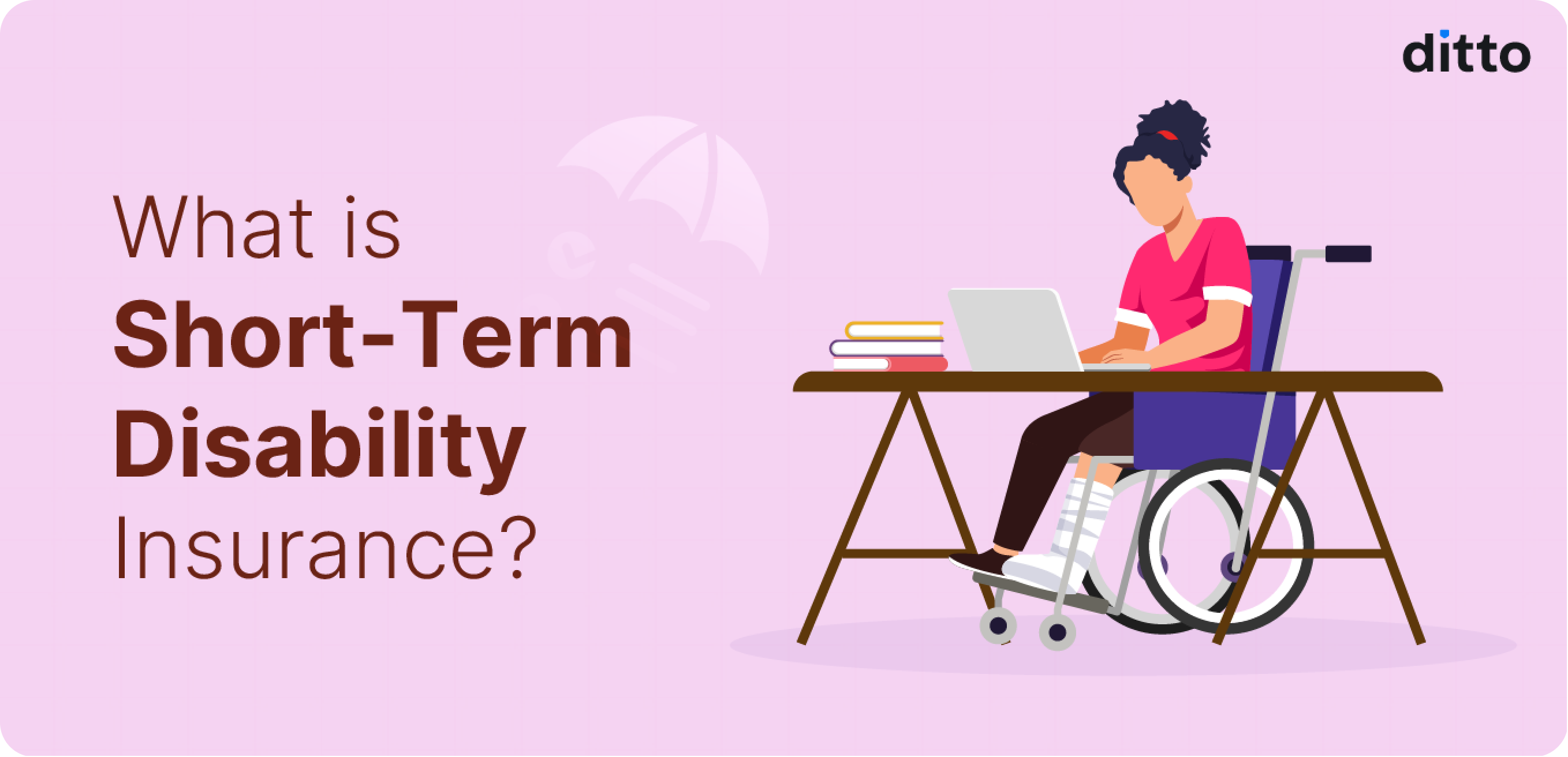
Short-term disability insurance for pregnancy typically replaces a portion of your income during the weeks you are medically unable to work due to pregnancy, childbirth, and recovery. Because pregnancy must usually be planned ahead of a policy's effective date to qualify, choosing the right coverage requires understanding employer-sponsored group plans, individual private policies, state-mandated disability programs, waiting periods, and exact medical verification standards.
Understanding Short Term Disability and Pregnancy Coverage
Preparing for a new child involves a complex matrix of medical, financial, and logistical decisions. Among these, securing adequate financial replacement during postpartum recovery is one of the most critical steps for working parents. Short-term disability (STD) insurance acts as an income bridge, ensuring that households do not face immediate financial destitution when a parent steps away from employment for medical reasons related to childbirth.
Navigating this market requires clear definitions. Unlike health insurance, which directly pays medical providers for hospital and physician fees, short-term disability insurance pays you a percentage of your regular weekly or monthly earnings. However, securing pregnancy coverage through an individual market policy requires careful attention to timing, underwriting guidelines, and policy definitions.
How Pregnancy is Classified Under Disability Policies
Insurance underwriters generally evaluate normal pregnancy and childbirth as a standard medical condition, typically granting a specific standard recovery window.
- Vaginal Delivery: Most traditional policies designate a standard benefit period of six weeks postpartum.
- Cesarean Section (C-Section): Policies commonly extend this standard recovery window to eight weeks postpartum.
- Complications: If medical complications arise during pregnancy or recovery—such as severe preeclampsia, hyperemesis gravidarum, or mandated strict bed rest—the physician can submit documentation to extend the disability period beyond the standard postpartum weeks.
It is a common misconception that individuals can purchase a policy after discovering they are pregnant and immediately file a claim for upcoming maternity leave. Almost all individual short-term disability policies enforce strict pre-existing condition exclusions and waiting periods, meaning the policy must be active before conception for normal pregnancy to be covered.
Employer-Sponsored Group Short Term Disability Plans
For the vast majority of working parents, the most accessible and comprehensive route to short-term disability coverage for pregnancy is through an employer-sponsored group plan. These policies are negotiated by human resources departments and underwritten by major insurance carriers like The Hartford, MetLife, Guardian, and Unum.
Advantages of Group Policies
Group plans offer several structural advantages that make them superior for pregnancy coverage compared to individual open-market plans:
- No Pre-Existing Condition Clauses for Normal Pregnancy: Many employer group plans waive or significantly shorten the look-back period for pre-existing conditions if you enroll during your initial open enrollment window or a qualifying life event.
- Guaranteed Issue: Underwriters typically do not require individual medical underwriting or health questionnaires for group coverage if you sign up when first eligible. This means a known pregnancy or previous medical history will not cause your application to be rejected.
- Payroll Deductions: Premiums are typically deducted automatically on a pre-tax or post-tax basis through your employer’s payroll system.
Limitations and Waiting Periods
Despite their benefits, group plans come with specific constraints that must be factored into financial planning:
- Elimination Period: Most group STD policies feature an elimination (waiting) period ranging from 7 to 14 days. During this time, you must use accrued paid time off (PTO), sick leave, or take unpaid leave before benefit payments begin.
- Partial Wage Replacement: Policies rarely replace 100% of your income. Standard replacement rates hover between 60% and 70% of your gross weekly earnings, often subject to a weekly maximum payout cap set by the employer's plan design.
State-Mandated Disability Insurance Programs
If your employer does not provide short-term disability insurance, or if you live in a jurisdiction with mandatory state programs, you may be covered by government-administered disability insurance. Currently, a handful of U.S. states mandate temporary disability insurance (TDI) or paid family and medical leave (PFML) programs funded through payroll taxes.
State Programs Overview
States such as California, New York, New Jersey, Rhode Island, and Hawaii operate long-standing state disability insurance programs that explicitly cover pregnancy and childbirth recovery. Newer programs, such as those in Massachusetts, Washington, Colorado, and Oregon, provide comprehensive paid family and medical leave that covers both the medical recovery phase and bonding time.
- California State Disability Insurance (SDI): Provides approximately 60% to 70% of wages for up to four weeks prior to the expected delivery date (for normal prenatal disability) and six to eight weeks postpartum.
- New York Paid Family Leave (PFL) and Disability Benefits (DBL): DBL provides statutory short-term disability benefits for the medical recovery period, while PFL provides separate bonding leave benefits.
- New Jersey Temporary Disability Insurance: Offers wage replacement for workers experiencing temporary disability due to pregnancy and childbirth, seamlessly transitioning into family leave insurance for bonding.
Key Considerations for State Plans
State plans remove the burden of individual underwriting and pre-existing condition exclusions. However, employees must verify whether their specific employer participates in the state plan or utilizes a private, approved equivalent plan. Payout amounts are also typically capped based on state-wide average weekly wages, which may result in a lower replacement rate for higher-earning professionals.
Individual Private Short Term Disability Policies
Purchasing an individual short-term disability policy independently on the open market is notoriously difficult for pregnancy coverage, but understanding how these policies operate is vital for freelancers, independent contractors, and gig workers.
The Challenge of Open-Market Underwriting
If you purchase an individual policy directly from an insurer while already pregnant, the pregnancy will almost universally be classified as a pre-existing condition, resulting in a denial of claims related to childbirth.
To utilize an individual policy for pregnancy, the policy must be active for a specific duration—often 10 to 12 months—before conception occurs. Furthermore, individual policies frequently feature riders specifically for maternity benefits, which can substantially increase monthly premium costs.
Evaluating Private Market Options
When evaluating private options through independent brokers or companies like Mutual of Omaha or Principal Financial Group, policyholders must examine:
- Non-Cancelable vs. Guaranteed Renewable: Ensuring the insurer cannot cancel your policy or raise your rates based on individual claim history.
- Rider Availability: Confirming whether maternity riders are available and whether the cost justifies the eventual payout.
- Definition of Disability: Understanding whether the policy requires you to be unable to perform any occupation or solely your own specific occupation during the postpartum recovery window.
Comparison of Short Term Disability Categories for Pregnancy
To better understand how different avenues for coverage stack up against one another regarding costs, underwriting, and payout structures, review the comparative breakdown below.
| Coverage Type | Typical Elimination Period | Wage Replacement Rate | Pre-Existing Condition Rules | Best Suited For |
|---|---|---|---|---|
| Employer Group Plan | 7 to 14 Days | 60% to 70% of Gross Income | Often waived during initial open enrollment | Traditional W-2 employees |
| State-Mandated TDI/PFML | 7 Days | Varies (often 60%-90% based on income tiers) | No pre-existing exclusions; statutory coverage | Workers in participating states (CA, NY, NJ, etc.) |
| Individual Private Policy | 14 to 30 Days | Negotiable (up to 60%-80% of earnings) | Strict exclusion if purchased after conception | Self-employed individuals, freelancers, and contractors |
Essential Steps to Secure and File Your Pregnancy Disability Claim
Securing your benefits smoothly requires methodical preparation across multiple operational phases. Missing a filing window or failing to secure proper medical certification can result in delayed payments or denied claims.
Phase 1: Pre-Conception and Enrollment Planning
- Review Current Benefits: Examine your current employee handbook or summary plan description (SPD) during open enrollment to verify if short-term disability is included and what the exact elimination period is.
- Check Waiting Periods: Note any elimination periods. Calculate how much accrued PTO you will need to bridge the gap between your last day worked and the start of benefit disbursements.
- Evaluate Private Alternatives: If self-employed, investigate private policies well in advance of trying to conceive to clear any mandatory waiting periods or pre-existing condition look-back windows.
Phase 2: Medical Documentation and Notification
- Notify Human Resources or the Carrier: Typically, you should notify your employer and the disability insurance carrier 30 days prior to your anticipated leave date, or as soon as medically practicable if complications arise earlier.
- Obtain Physician Statements: Your obstetrician-gynecologist (OB-GYN) or attending physician must complete specific attending physician statements (APS) detailing your expected delivery date and medical limitations.
- Submit Postpartum Proof: Following delivery, your physician must submit updated paperwork confirming the exact delivery method (vaginal vs. C-section) to establish the official end date of the standard medical recovery period.
Common Pitfalls and Troubleshooting
Navigating disability insurance claims often involves bureaucratic hurdles. Being aware of frequent missteps helps prevent unexpected financial gaps during leave.
- Failing to Account for the Elimination Period: Many parents assume payments begin on Day 1 of leave. Failing to budget for the 7-to-14-day unpaid elimination period can create cash flow shortages. Coordinate with your payroll department to use paid sick leave or vacation time during this window.
- Missing Filing Deadlines: Insurance carriers enforce strict deadlines for submitting initial notices of claim—often within 20 to 30 days of the qualifying event. Keep copies of all medical records and confirmation numbers.
- Taxability Confusion: Understanding whether your benefits are taxable depends on who pays the premium. If your employer pays the premiums entirely, your disability benefits are typically considered taxable income. If you pay the premiums with post-tax dollars, your benefits are generally tax-free. Consult a certified public accountant (CPA) for personalized tax guidance.
Frequently Asked Questions
Can I buy short-term disability insurance after I find out I am pregnant?
Purchasing an individual private policy after conception will not cover normal pregnancy and childbirth due to pre-existing condition exclusions. However, if you are starting a new job, check if their group plan offers guaranteed issue coverage without pre-existing condition look-backs during your initial enrollment window.
How long does short-term disability last for a normal delivery?
Standard short-term disability policies typically designate six weeks of postpartum recovery for an uncomplicated vaginal delivery and eight weeks for an uncomplicated Cesarean section (C-section). Additional time may be approved if medical complications are documented by your physician.
Does short-term disability cover maternity bonding time?
Generally, traditional short-term disability covers medical recovery only—the physical healing time required after childbirth. Bonding time with the newborn is typically covered separately under programs like Paid Family Leave (PFL) or the federal Family and Medical Leave Act (FMLA), which provides job-protected, though frequently unpaid, leave.
What is an elimination period in disability insurance?
An elimination period is the waiting period between the date you become disabled (or stop working) and the date the insurance company begins paying benefits. Common elimination periods for short-term disability policies are 7, 14, or 30 days.
Are short-term disability benefits taxable?
Taxability depends on premium funding. If your employer pays the premiums or subsidizes them pre-tax, the benefits you receive are taxable income. If you pay the entire premium using post-tax dollars, the benefit payments are generally tax-free.
Final Recommendation
Securing reliable income replacement during pregnancy requires early planning and a thorough review of your current employment benefits or state programs. If you are a W-2 employee, prioritize maximizing your employer's group short-term disability plan during the next open enrollment window. If you are self-employed, explore private market options well in advance of conception or establish a dedicated emergency savings fund to bridge the gap left by the absence of traditional underwriting options for pregnancy. Always consult with your human resources department, insurance carrier, and healthcare provider to verify specific policy timelines and medical documentation requirements.