A replacement 3-ton air conditioning system typically costs between $4,500 and $11,500 installed, depending on equipment efficiency, system type, ductwork modifications, and local labor rates. Homeowners seeking a 3 ton ac system cost overview must evaluate equipment tier, SEER2 ratings, and hidden installation fees to secure a reliable, energy-efficient cooling solution.
Replacing a residential air conditioning system represents one of the most substantial capital investments a homeowner can make. When a cooling unit fails, or when it reaches the end of its typical 10-to-15-year lifespan, understanding the financial scope of the project is essential. A 3-ton air conditioner is designed to cool homes ranging from approximately 1,500 to 2,000 square feet, depending on climate, insulation levels, and window orientation. Because this capacity serves a significant portion of standard single-family homes, market data regarding its pricing is extensive, yet often fragmented across equipment manufacturing, regulatory changes, and local contractor pricing.
Navigating the marketplace requires breaking down the total expenditure into distinct components: the physical hardware, the labor required to install it safely, necessary modifications to existing infrastructure, and long-term operating costs influenced by modern energy efficiency standards.
Understanding HVAC Tonnage and Why 3 Tons Matters
In the heating, ventilation, and air conditioning industry, "tonnage" does not refer to the physical weight of the equipment. Instead, it measures the cooling capacity of the unit over a 24-hour period. One ton of cooling is equivalent to the amount of heat required to melt one ton (2,000 pounds) of ice in 24 hours, which translates to 12,000 British Thermal Units (BTUs) per hour. Therefore, a 3-ton air conditioning system removes 36,000 BTUs of heat from a home every hour.
Sizing an air conditioning system correctly is a critical first step that directly impacts the ultimate project cost and system longevity. Installing an undersized 3-ton unit where a larger system is required will force the equipment to run continuously, failing to reach desired comfort levels while driving up electricity bills and accelerating mechanical wear. Conversely, installing an oversized system creates a phenomenon known as "short-cycling." An oversized unit cools the space too quickly and shuts off before it can adequately extract humidity from the air. This leaves the indoor environment feeling clammy and damp, while the frequent starting and stopping stresses the compressor, shortening the equipment's operational life.
Before purchasing a replacement system, HVAC professionals should perform a formal Manual J load calculation. This calculation evaluates the home's square footage, ceiling heights, insulation values, window types, geographic location, and solar heat gain. Relying purely on the tonnage of the failing unit can lead to costly errors if the home's thermal envelope has been modified—such as through window replacements or added attic insulation—since the system was last installed.
Breakdown of 3 Ton AC System Cost Components
When reviewing contractor proposals, homeowners will notice that the price is rarely a single flat fee for a box. A comprehensive installation estimate comprises several distinct categories of expense, each contributing to the total investment.
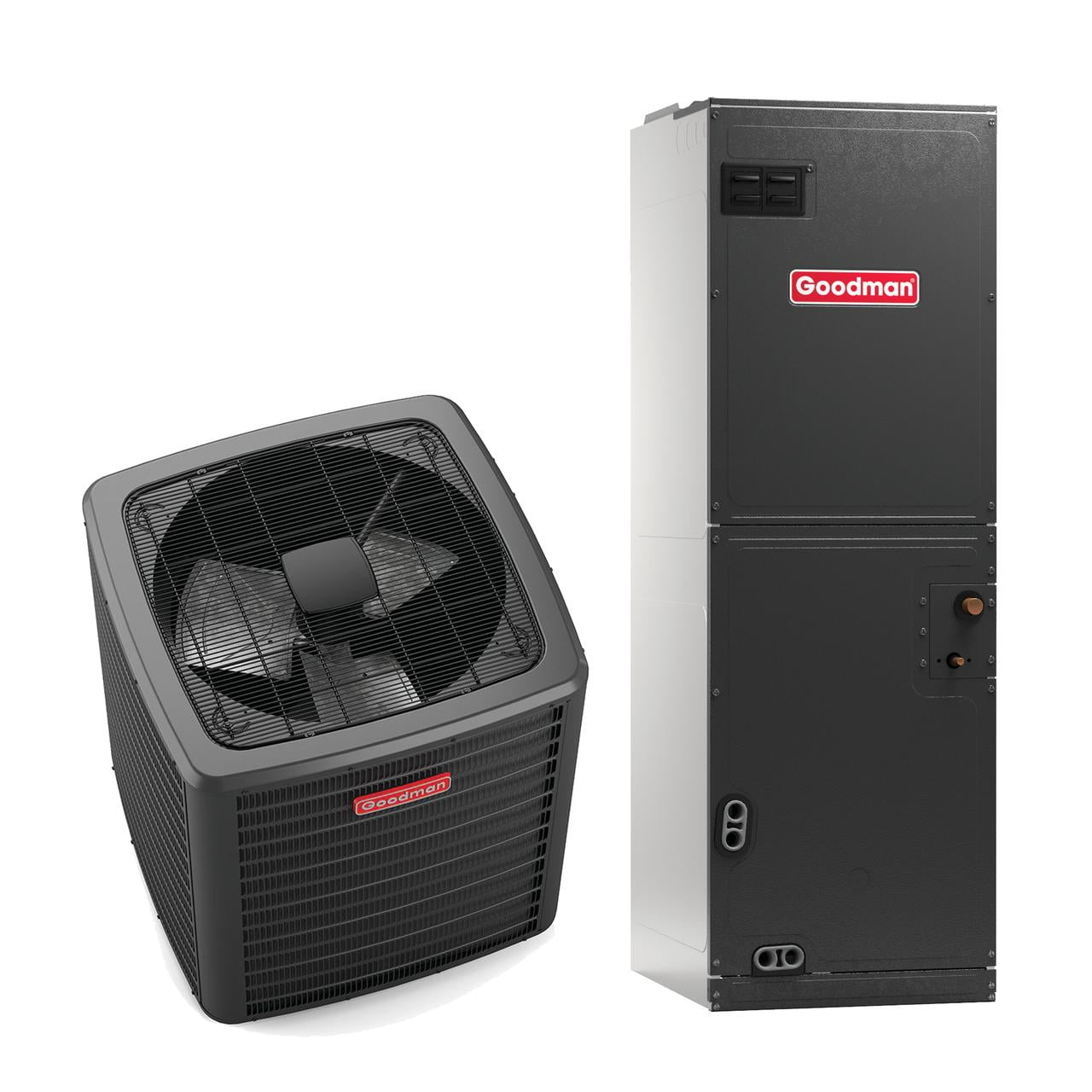
Equipment costs represent the manufacturing price of the condenser (the outdoor unit), the evaporator coil (typically housed inside the air handler or above the furnace), and any required matching indoor components. Labor costs cover the skilled technicians who remove the old equipment, recover refrigerant according to federal environmental protection guidelines, set the new pads and lines, wire the electrical connections, and commission the system. Additional materials, such as refrigerant lines, electrical disconnect boxes, whip lines, condensate pumps, and digital thermostats, are also factored into the base quote.
Furthermore, regional labor rates play a significant role. Labor in major metropolitan areas with high costs of living typically commands a higher premium than in rural markets. Permit fees, required by most local municipalities to ensure compliance with building codes and safety regulations, usually add $150 to $500 to the total bill.
| Equipment Tier & SEER2 Rating | Average Equipment Cost | Estimated Installed Cost (Total) | Key Performance Characteristics |
|---|---|---|---|
| Entry-Tier (14.3 to 15.2 SEER2) | $2,000 – $3,500 | $4,500 – $6,500 | Single-stage compressor, standard efficiency, budget-friendly upfront price. |
| Mid-Tier (16.0 to 18.0 SEER2) | $3,500 – $6,000 | $6,500 – $9,000 | Two-stage or multi-speed compressor, quieter operation, better humidity control. |
| High-Tier (19.0+ SEER2) | $6,000 – $9,500+ | $9,000 – $11,500+ | Variable-speed inverter technology, highest efficiency, superior climate management. |
The Impact of Efficiency Ratings (SEER2) on Pricing
Energy efficiency standards govern the manufacture and sale of residential cooling equipment. The current efficiency metric, SEER2 (Seasonal Energy Efficiency Ratio 2), introduced updated testing procedures that reflect more realistic external static pressure conditions in ductwork compared to the older SEER rating system.
Federal regulations establish minimum SEER2 baselines depending on geographic region (Northern, Southeast, and Southwest United States). In the southern tier, higher minimum efficiencies are mandated to account for heavier cooling demands. These regulatory shifts mean that older, legacy equipment models cannot be manufactured or installed, shifting the baseline entry point of the market upward.
Choosing between entry-tier and high-tier equipment involves balancing upfront capital expenditure against long-term utility savings. Entry-tier units utilize single-stage compressors that operate at 100% capacity whenever they are turned on. While they feature a lower initial price tag, they consume more electricity and result in greater temperature swings inside the home.
Mid-tier and high-tier systems incorporate two-stage or variable-speed inverter compressors. A variable-speed compressor ramps its output up and down incrementally—often operating at lower speeds for longer periods—to maintain a precise indoor temperature. This continuous, low-speed operation draws significantly less electrical current, reduces mechanical strain, and extracts substantially more moisture from the air, creating a more comfortable indoor environment while lowering monthly utility bills over the system's lifespan.
Additional Expenses and Hidden Factors to Anticipate
Homeowners rarely execute a direct, drop-in replacement without encountering minor ancillary requirements or unforeseen upgrades. Failing to account for these potential variables can lead to budget overruns.
- Ductwork Modifications and Sealing: If existing ducts are leaking, undersized, or poorly designed, a new high-efficiency 3-ton system will not perform to its rated specifications. Sealing, repairing, or re-sizing ductwork can add $500 to $2,500 depending on accessibility in crawlspaces or attics.
- Electrical Panel Upgrades: High-efficiency equipment or heat pump conversions may require dedicated circuits or electrical panel upgrades. If a home's electrical service panel lacks the amperage or physical breaker space to support a new outdoor unit or indoor air handler, electrical work can range from $800 to $3,000.
- Line Set Replacement or Flushing: The copper tubing that connects the indoor evaporator coil to the outdoor condenser must be compatible with modern refrigerants, such as R-410A or newer transition blends. If existing lines are contaminated, damaged, or improperly sized, flushing or replacing them adds $300 to $1,000.
- Crane and Rigging Fees: In multi-story buildings, tight urban lots, or rooftop installations, a crane or specialized lifting equipment may be required to safely position the heavy outdoor condensing unit, introducing an extra $300 to $800 in logistical costs.
Whole System Replacement vs. Partial Replacements
A common dilemma facing consumers is whether to replace both the indoor coil and the outdoor condenser simultaneously, or to salvage an existing indoor component to reduce costs. While some manufacturers permit matching an outdoor unit with an older indoor coil under specific guidelines, HVAC industry standards strongly advocate for complete system replacements.
Mixing equipment generations often leads to reduced system efficiency, lower cooling output, and premature component failure. For example, an older evaporator coil may not be rated to handle the pressures or refrigerant volumes of a modern high-efficiency condenser. Furthermore, mismatched systems frequently void manufacturer warranties. Most major brands require the registration of a matched system—meaning the condenser, evaporator coil, and often the furnace or air handler are installed together—to qualify for extended 10-year parts warranties. While purchasing a complete system increases the immediate 3 ton ac system cost, it protects the investment and ensures optimal operational performance.
Financing Options, Rebates, and Tax Incentives
Because replacing an HVAC system requires a significant financial commitment, various financing mechanisms and incentive programs exist to help offset the burden.
Many licensed HVAC contractors offer promotional financing through third-party lenders, featuring zero-percent interest tiers for promotional periods (such as 12 to 18 months) or low-interest installment loans spread over 5 to 10 years. While these programs make the monthly payments manageable, homeowners should carefully review loan origination fees and deferred interest clauses.
Additionally, federal energy tax credits, such as those outlined in the Energy Efficient Home Improvement Credit, provide financial relief for qualifying high-efficiency heat pumps and air conditioning systems that meet specific Consortium for Energy Efficiency (CEE) tier requirements. Local electric and gas utility companies also frequently offer cash-back rebates for upgrading to energy-efficient equipment. Homeowners should consult their utility providers and tax professionals before installation to verify current eligibility criteria and secure required certification documentation from their contractor.
Frequently Asked Questions
How long does a 3-ton air conditioning system installation take?
A standard residential replacement typically takes between one and two days. A straightforward swap in an accessible location can often be completed in 4 to 8 hours. However, if the project involves extensive ductwork modifications, electrical panel upgrades, or complex crane rigging, the timeline may extend to two full days.
Can I install a 3-ton AC unit myself to save on labor costs?
Self-installation is strongly discouraged and, in many jurisdictions, illegal. Handling refrigerants requires specialized EPA Section 608 certification to prevent environmentally harmful venting. Furthermore, improper electrical wiring creates severe fire and safety hazards, and amateur installations invariably void manufacturer warranties.
How can I verify that a 3-ton unit is the correct size for my home?
Do not rely on rough rules of thumb. Ask a qualified HVAC contractor to perform a Manual J load calculation. This engineering assessment factors in local climate data, home orientation, insulation values, and window dimensions to scientifically determine the exact cooling tonnage required.
What is the difference between a traditional AC and a heat pump of the same tonnage?
While both systems use identical refrigeration cycles to cool a home during summer, a heat pump can reverse its cycle to provide heating during colder months. In moderate climates, a heat pump can replace a traditional furnace, though upfront equipment costs are typically higher than a standard cooling-only system.
How often should a new 3-ton AC system be serviced?
Professional maintenance should be performed at least once a year, ideally in the spring before the heavy cooling season begins. Technicians will clean coils, check refrigerant levels, inspect electrical components, and clear condensate drains to maintain efficiency and prevent unexpected breakdowns.
Conclusion and Next Actions
Investing in a new 3-ton air conditioning system requires careful planning, rigorous contractor vetting, and an understanding of the long-term operational costs associated with modern energy standards. Homeowners should begin by obtaining at least three detailed, itemized quotes from licensed, insured local contractors. Ensure each estimate includes a Manual J load calculation, a breakdown of equipment tiers, labor warranties, and compliance with local permit requirements. By evaluating total lifetime value rather than focusing solely on the lowest initial price, you can secure reliable home comfort and operational efficiency for years to come.