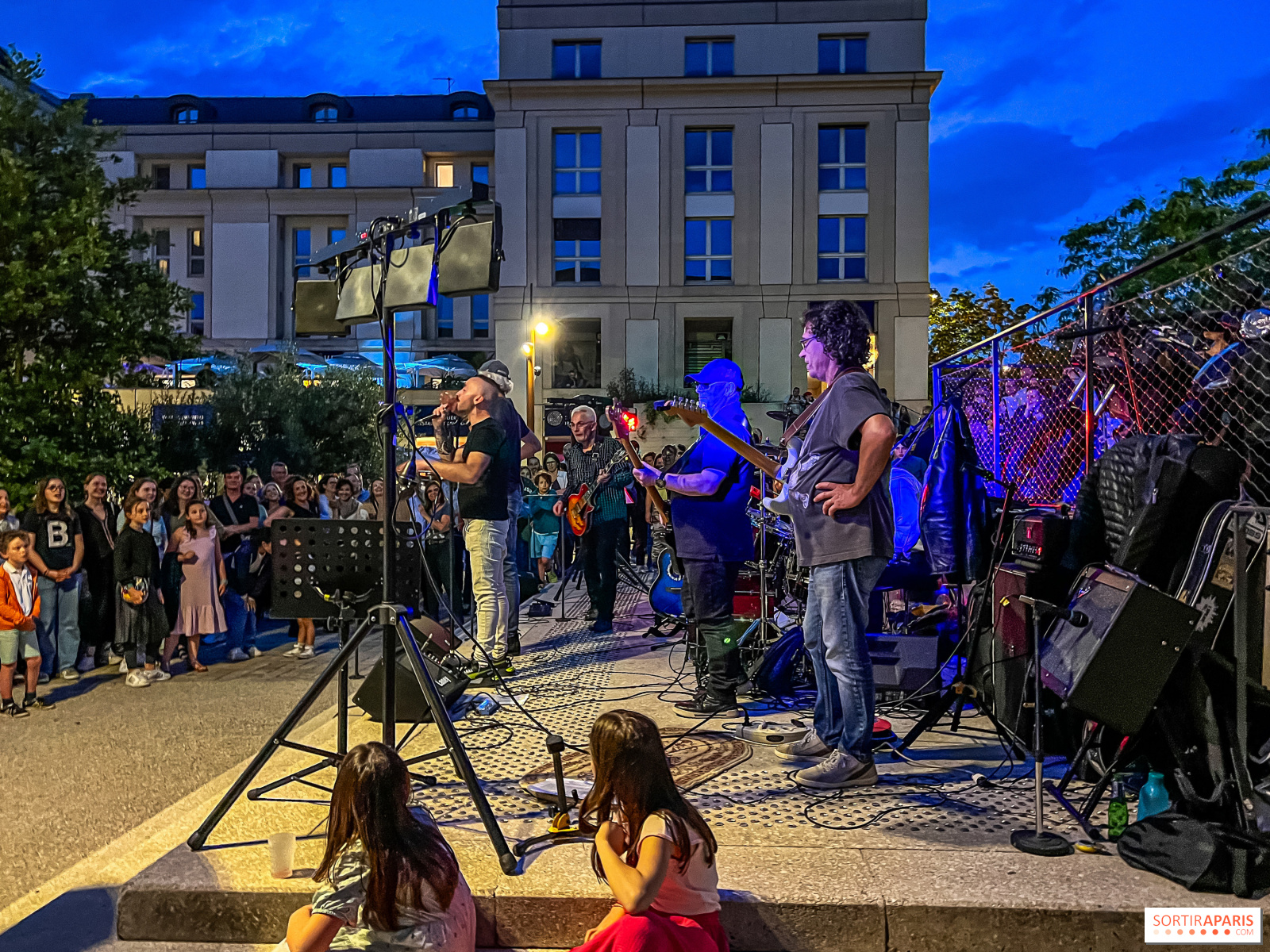
The Fête de la Musique in Paris transforms the French capital into a massive, open-air sonic landscape every June 21st, featuring thousands of free musical performances across every arrondissement, ranging from impromptu street corner acoustic jams to major stage productions organized by cultural institutions.
Understanding the Roots and Evolution of the Fête de la Musique
The Fête de la Musique, established in France in 1982 under the initiative of Jack Lang, Minister of Culture, and Maurice Fleuret, was designed to radically democratize access to live performance. The foundational concept was deceptively simple yet culturally revolutionary: music everywhere, and concert nowhere in particular. By decreeing that June 21st—the summer solstice—would be a nationwide celebration where professional and amateur musicians alike could perform freely in public spaces, the French Ministry of Culture created a cultural phenomenon that has since been adopted in over 120 countries worldwide.
In Paris, this concept takes on an extraordinary scale. The city's unique architectural landscape, characterized by Haussmannian boulevards, historic squares, intimate courtyards, and expansive parks, becomes a living stage. Unlike traditional music festivals that require paid admission, secure perimeters, and advance ticket purchases, the Fête de la Musique operates on an open-access model. Public transport systems, notably the RATP, often run special night services or keep lines open to accommodate the millions of revelers navigating the urban sprawl. However, this absolute freedom presents logistical challenges for attendees, requiring a strategic approach to navigate crowd density, overlapping soundscapes, and neighborhood-specific programming.
Official Curated Stages Versus Spontaneous Street Performances
One of the defining characteristics of the Paris Fête de la Musique is the duality between institutionalized programming and grassroots, spontaneous expression. Understanding this dynamic is crucial for planning an effective itinerary.
Institutional and Major Sponsored Venues
Major cultural institutions, public broadcasting organizations, and municipal authorities curate large-scale, high-production-value concerts. These events typically feature established national and international artists, complex lighting rigs, professional sound reinforcement, and dedicated security infrastructure.
- The Ministry of Culture (Palais-Royal): Historically hosts prominent contemporary, electronic, or world music acts in its grand courtyards.
- The Institut Suédois and Other Cultural Centers: Foreign cultural institutes in the Marais and other districts frequently program contemporary acts representing their respective nations.
- Major Plazas and Parks: Locations such as the Place de la République, Place de la Bastille, and the parvis of various town halls (mairies) host large open-air concerts spanning rock, jazz, classical, and electronic genres.
Independent Bars, Cafés, and Neighborhood Associations
Local businesses and neighborhood collectives invest in external sound systems, setting up temporary stages on sidewalks or spilling out onto pedestrianized streets. These venues tend to focus on specific genres, ranging from underground electronic music and techno blocks in Belleville to traditional jazz outside historic Latin Quarter brasseries.
Spontaneous Busking and Acoustic Jams
Independent musicians, percussion circles, and brass bands occupy bridges, metro corridors, and park benches without official authorization, relying on the festival's tolerant legal framework for the evening. These impromptu performances frequently offer some of the most authentic and memorable experiences of the night, though they are inherently unpredictable.
Geographical Breakdown of Parisian Arrondissements
Because sound is everywhere, having a geographical strategy prevents burnout from walking miles between incompatible musical styles. Different districts of Paris develop distinct sonic personalities during the celebration.
| Arrondissement / District | Typical Musical Genres | Key Landmarks & Hotspots | Crowd Intensity |
|---|---|---|---|
| 1st & 4th Arrondissements (Center) | Classical, Choral, Pop, Institutional Concerts | Palais-Royal, Place des Vosges, Hôtel de Ville | Extremely High |
| 11th & 20th Arrondissements (East) | Electronic, Rock, Alternative, World Music | Belleville, Ménilmontant, Rue Oberkampf | High (Vibrant / Youth-oriented) |
| 5th & 6th Arrondissements (Left Bank) | Jazz, Acoustic, Traditional Folk, Classical | Latin Quarter, Saint-Germain-des-Prés, Luxembourg | Moderate to High |
| 18th Arrondissement (North) | World Music, Hip-Hop, Urban, Afrobeat | Montmartre, Barbès, Square Louise-Michel | High (Eclectic) |
Navigating these zones requires recognizing that the physical distance between venues is compounded by immense pedestrian traffic. Crossing major bridges or walking through central chokepoints like Châtelet-Les Halles can take significantly longer than expected during peak evening hours between 8:00 PM and midnight.
Logistics, Public Safety, and Practical Navigation
Attending a massive urban festival involving millions of people across a dense metropolis demands careful attention to logistics and personal safety. The festive atmosphere can quickly be overshadowed by transportation bottlenecks and logistical oversights if proper precautions are not taken.
Public Transportation and Circulation
The vast majority of surface traffic within central Paris is heavily restricted or entirely pedestrianized during the afternoon and evening of June 21st. Relying on taxis, ride-sharing apps, or personal vehicles is strongly discouraged due to street closures and gridlock.
- Metro and RER: Major metro stations remain open late, and municipal transport authorities frequently provide free or flat-rate night passes for the occasion. However, certain central stations (such as Châtelet, Saint-Michel, or Bastille) may experience temporary exit restrictions or overcrowding.
- Walking: Comfortable footwear is non-negotiable. Walking is often the fastest and most reliable way to move between adjacent neighborhoods once crowds peak.
Crowd Management and Security
While the atmosphere is generally celebratory and peaceful, pickpocketing and opportunistic theft increase significantly in dense crowds, particularly around major transit hubs and densely packed stages. Attendees should secure valuables in interior pockets, maintain awareness of their surroundings, and establish meeting points with companions in case cellular networks experience localized overload or dead zones due to high volume.
Acoustic Health and Safety
With high-powered sound systems operating in close proximity on narrow streets, sound pressure levels can easily exceed safe thresholds. Bringing disposable earplugs is a sensible precaution, especially for those planning to spend extended periods near independent DJ booths or rock stages operating in confined alleyways.
Frequently Asked Questions
Do I need to buy tickets for the Fête de la Musique in Paris?
No. All concerts, performances, and public events associated with the Fête de la Musique are entirely free of charge. You do not need a ticket to access streets, public squares, parks, or outdoor spaces hosting performances. A small number of indoor venues, such as select theaters or cultural institutions with limited capacity, may require advance registration or free ticketing via their official websites, but these represent a tiny fraction of the overall program.
What time do the performances start and end?
Festivities typically begin in the late afternoon (around 4:00 PM to 6:00 PM) as office workers finish their day and artists set up equipment. The peak hours of activity occur between 8:00 PM and midnight. Official outdoor stages and amplified street performances are generally required to wind down or shut off sound systems around midnight or 1:00 AM to comply with municipal noise regulations, though acoustic gatherings in public spaces often continue later into the night.
Can anyone perform in the streets during the event?
Yes. The foundational charter of the Fête de la Musique allows any amateur or professional musician to perform in public spaces. However, performers setting up large, high-powered sound systems on public thoroughfares are technically expected to coordinate with local municipal authorities (mairies) to ensure pedestrian safety and compliance with local transit routes, though spontaneous acoustic busking requires no prior authorization.
Are public restrooms and food options readily available?
While cafes, bars, and restaurants remain open and often extend their terraces or set up outdoor beverage stands, public restroom facilities in Paris are limited. Attendees should rely on commercial establishments (where purchasing a drink or item may be required) or public automated toilets located throughout the city parks and major squares. Bringing a water bottle is strongly advised.
How can I find the official schedule of events?
The French Ministry of Culture maintains an official digital portal and interactive map listing hundreds of authorized concerts, institutional events, and major stages across Paris. Additionally, local neighborhood associations, cultural centers, and music collectives publish their specific lineups on social media platforms and independent cultural agendas in the weeks leading up to June 21st.
Strategic Recommendations for Your Itinerary
To maximize your experience of the Fête de la Musique, avoid trying to chase specific marquee acts across opposite ends of the city in a single evening. Instead, pick a vibrant sector—such as the eastern neighborhoods of Belleville and Oberkampf for electronic and contemporary sounds, or the Latin Quarter for acoustic and jazz performances—and immerse yourself in the local ecosystem of sound. Arrive early in the evening to secure favorable viewing spots near smaller stages, support local independent venues, and embrace the spontaneous spirit of discovery that has defined this Parisian midsummer tradition for decades.