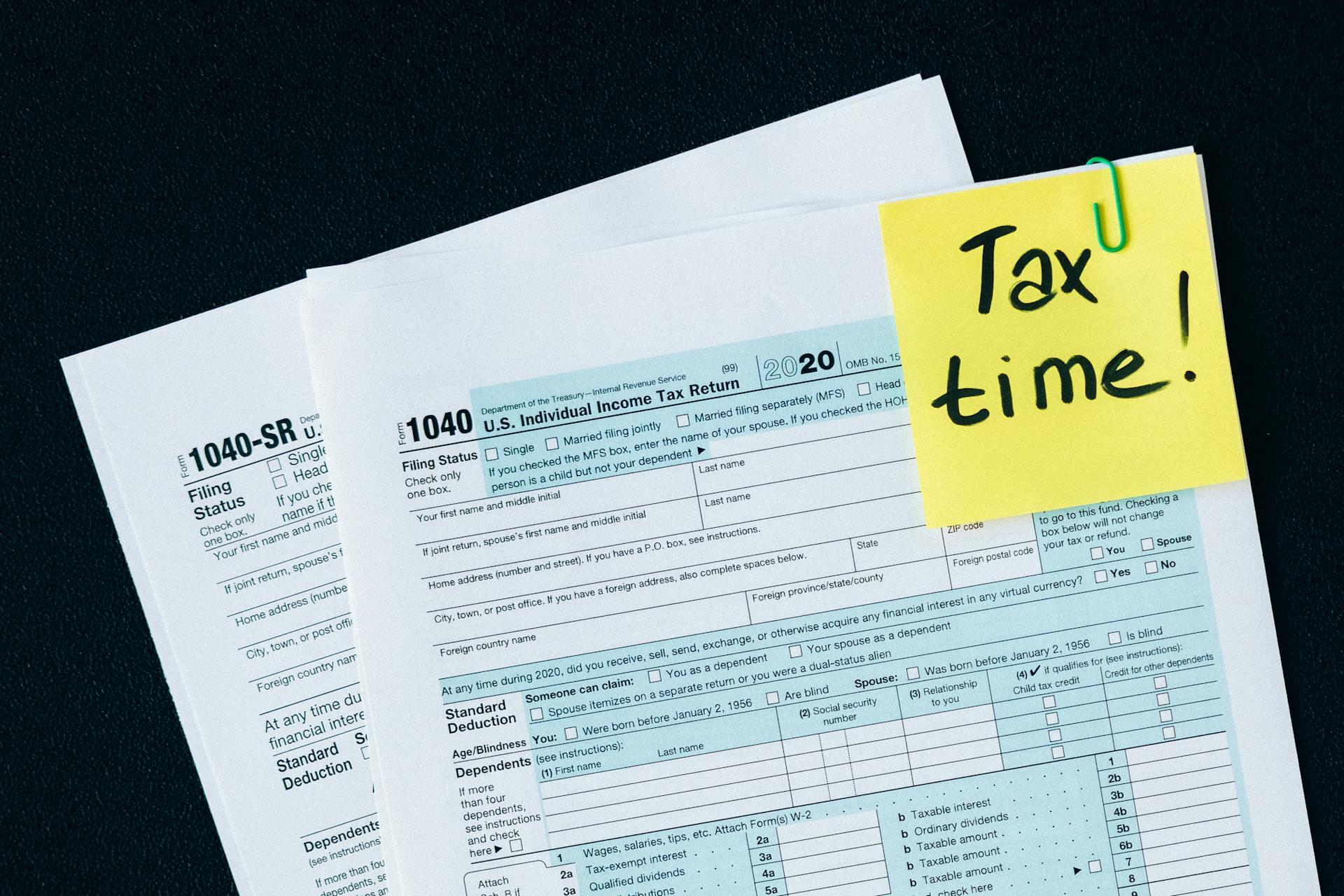
For the 2026 tax year, married couples filing jointly are subject to seven federal income tax brackets ranging from 10% to 37%. These thresholds are inflation-adjusted by the Internal Revenue Service (IRS) to determine the specific dollar ranges at which each marginal rate applies. Understanding these brackets is essential for accurate tax planning, estimated payment calculations, and year-end financial management for the 2026 calendar year.
Understanding Federal Marginal Tax Brackets
The United States utilizes a progressive income tax system. This means that as a taxpayer’s income increases, portions of that income are taxed at higher marginal rates. For married couples filing jointly, the IRS provides specific income thresholds that are effectively double those of single filers for the majority of the brackets. It is a common misconception that entering a higher tax bracket means all of one's income is taxed at that higher rate. In reality, only the portion of your income that exceeds the threshold for the next bracket is subject to the higher percentage.
For example, if your taxable income falls into the 22% bracket, only the dollars earned within that specific range are taxed at 22%. Your income that falls into the 10% and 12% brackets remains taxed at those respective, lower rates. This structure ensures that taxpayers do not face a "tax trap" where earning more money leads to a lower take-home pay due to marginal rate increases.
2026 Tax Brackets for Married Filing Jointly
The following table outlines the 2026 federal income tax brackets for married couples filing a joint return. These figures apply to taxable income—the amount remaining after you have subtracted your standard deduction or itemized deductions from your adjusted gross income (AGI).
| Tax Rate | Taxable Income Range (Married Filing Jointly) |
|---|---|
| 10% | $0 to $24,600 |
| 12% | $24,601 to $99,950 |
| 22% | $99,951 to $213,200 |
| 24% | $213,201 to $407,200 |
| 32% | $407,201 to $517,700 |
| 35% | $517,701 to $775,650 |
| 37% | $775,651 or more |
Note: These figures reflect the inflation adjustments for the 2026 tax year as established by the IRS. Taxable income is calculated after all applicable deductions.
Determining Taxable Income vs. Gross Income
To accurately determine which bracket you fall into, you must first calculate your taxable income. Many taxpayers confuse their gross income (the total amount of money earned from wages, dividends, interest, and other sources) with their taxable income.
- Gross Income: Start with your total earnings for the year.
- Adjusted Gross Income (AGI): Subtract "above-the-line" deductions, such as contributions to a traditional IRA, student loan interest, or health savings account (HSA) contributions.
- Taxable Income: From your AGI, subtract either the standard deduction or your total itemized deductions.
For 2026, the standard deduction for married couples filing jointly is $31,500. If your itemized deductions (such as mortgage interest, state and local taxes, and charitable contributions) do not exceed this amount, you should use the standard deduction to arrive at your final taxable income figure. This taxable income is the specific number used against the brackets provided in the table above.
The Impact of Inflation Adjustments
The IRS adjusts tax brackets annually to account for inflation. This process, often called "indexing," is designed to prevent "bracket creep." Without these adjustments, as taxpayers receive cost-of-living raises to keep up with inflation, they might be pushed into higher tax brackets even if their purchasing power has not actually increased.
By increasing the income thresholds for each bracket in 2026, the IRS ensures that taxpayers are generally taxed based on their real economic growth rather than inflationary salary adjustments. When analyzing your tax liability, it is important to remember that these thresholds are fixed for the 2026 calendar year and do not change mid-year regardless of fluctuations in the broader economy.
Strategic Considerations for Married Couples
Filing jointly typically offers tax advantages for married couples, particularly when one spouse earns significantly more than the other. By pooling income, the higher-earning spouse’s income is effectively "averaged" with the lower earner’s income, which can keep a larger portion of the total household income in a lower tax bracket.
Tax-Advantaged Accounts
One of the most effective ways to manage your position within these brackets is through tax-deferred contributions. By contributing to a 401(k), 403(b), or traditional IRA, you reduce your AGI and, consequently, your taxable income. This can be a powerful tool if you are close to the threshold of a higher bracket; shifting just a few thousand dollars into a retirement account could keep you in a lower tax bracket for the entire year.
Capital Gains Considerations
It is important to note that the brackets above apply to "ordinary income," such as wages and interest. Long-term capital gains—profit from the sale of assets held for more than one year—are taxed at separate, preferential rates (0%, 15%, or 20%). While your ordinary income bracket helps determine your tax rate on these gains, they are not taxed at the standard income bracket rates listed in the table.
Common Mistakes and How to Avoid Them
Even with clear guidance, taxpayers often fall into common traps when estimating their 2026 tax liability.
- Forgetting Deductions: Many taxpayers fail to account for all eligible above-the-line deductions. Always review current IRS guidance on adjustments to income to ensure you are lowering your AGI as much as legally possible.
- Miscalculating the Standard Deduction: Using the wrong standard deduction amount is a common clerical error. Ensure you are using the 2026 filing status-specific deduction of $31,500 for married couples filing jointly.
- Ignoring State Taxes: Remember that these brackets apply only to federal income tax. Depending on your state of residence, you may have additional state-level income tax obligations, which follow their own separate tax code and thresholds.
- Estimated Payments: If you are self-employed or have significant non-wage income, you are likely required to make quarterly estimated tax payments. Using the 2026 brackets to estimate your liability for these payments is crucial to avoid underpayment penalties at the end of the year.
Professional Advice and Tax Planning
While understanding the mechanics of the 2026 tax brackets is fundamental, professional tax planning can provide deeper value. A Certified Public Accountant (CPA) or a tax attorney can help you navigate complex scenarios, such as the nuances of the Alternative Minimum Tax (AMT), eligibility for various tax credits, and the impact of specific investment strategies on your overall tax profile.
If your financial situation involves business ownership, high-volume investment trading, or complex estate planning, relying solely on general bracket information may lead to missed opportunities for optimization. Always consult with a qualified professional to ensure that your financial actions align with current federal law and your long-term personal finance goals.
Frequently Asked Questions
Does the 2026 tax bracket table apply to state income taxes?
No. The brackets provided apply strictly to United States federal income tax. State income tax rates and brackets are determined by individual states and vary significantly. You must check your specific state’s department of revenue for local requirements.
Are these tax brackets the same as the ones used for 2025?
No, the IRS adjusts tax brackets annually for inflation. The thresholds for 2026 are slightly higher than those used in 2025 to account for cost-of-living adjustments, which prevents taxpayers from being pushed into higher brackets due to inflationary wage growth.
If I am in the 22% bracket, is all of my income taxed at 22%?
No. The United States uses a marginal tax system. Only the portion of your income that falls within the specific range of the 22% bracket is taxed at 22%. Lower portions of your income are taxed at the 10% and 12% rates, respectively.
What is the difference between tax brackets and effective tax rates?
A tax bracket refers to the marginal rate applied to your last dollar of income. Your effective tax rate is the actual percentage of your total income that you pay in taxes after all deductions and credits are applied. Most taxpayers have an effective tax rate that is lower than their highest marginal tax bracket.
Can I change my filing status to avoid a higher bracket?
Filing status is determined by your marital status as of the last day of the tax year. While you cannot change your status to avoid a higher bracket, couples generally find that "Married Filing Jointly" is the most beneficial status, as it provides the most favorable income thresholds for the combined income of the household.
How do tax credits differ from tax brackets?
Tax brackets determine the percentage of tax you pay on your income, while tax credits are direct, dollar-for-dollar reductions in the amount of tax you owe. Credits are often more valuable than deductions because they subtract from the final tax bill rather than just reducing the income subject to tax.
Final Recommendation for 2026 Planning
To best prepare for the 2026 tax year, you should calculate a rough estimate of your projected annual income as early as possible. Once you have a projected AGI, determine your taxable income by applying the $31,500 standard deduction. Identify where this number falls on the 2026 bracket table provided above. If your income sits near the top of a bracket, look for opportunities to increase your contributions to tax-deferred retirement accounts or explore other eligible deductions to remain in a lower bracket. Keeping organized records of all income and potential deductions throughout the year will make your final filing process significantly more efficient.