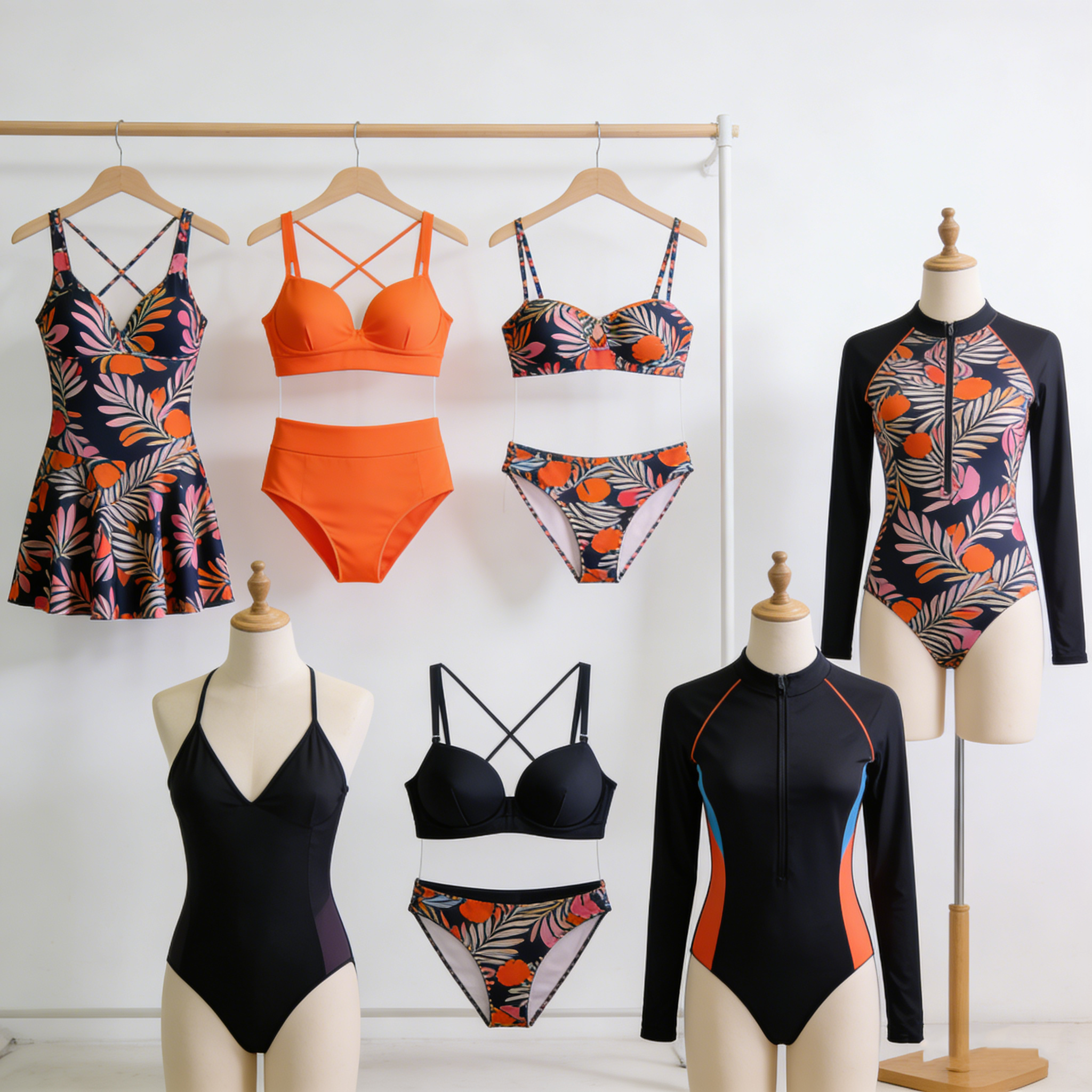
The 2026 bikini landscape is defined by a convergence of high-performance technical fabrics, minimalist architectural silhouettes, and a heightened focus on modular versatility. This year, the industry has pivoted away from rapid-cycle micro-trends toward durable, multi-functional swimwear that prioritizes ergonomic fit and environmental longevity. Consumers are increasingly seeking pieces that offer seamless transitions between athletic performance and leisure.
The Evolution of Swimwear Aesthetics in 2026
The aesthetic trajectory for 2026 reflects a departure from the hyper-embellished styles of previous years. Instead, the current season emphasizes structural integrity and clean lines. Design houses have leaned into "sculptural minimalism," where the silhouette is defined by the quality of the textile and the precision of the cut rather than hardware or prints.
Key design markers for this year include high-cut leg openings, which continue to dominate for their leg-lengthening visual effect, and a resurgence of square necklines. These necklines offer a sophisticated contrast to the traditional triangle bikini, providing greater support and a cleaner interface with seasonal ready-to-wear pieces like blazers or open-weave cover-ups.
Technical Fabrications and Sustainability Standards
Material science has significantly impacted the 2026 swimwear market. The primary shift is the adoption of bio-based synthetics and recycled high-tenacity polymers. Brands are no longer focusing solely on the "recycled" label but are instead communicating the specific technical capabilities of these materials, such as enhanced UV protection (UPF 50+), chlorine resistance, and compression qualities that hold their shape over prolonged periods of water exposure.
Comparative Overview of 2026 Material Standards
| Material Category | Primary Benefit | Durability Index | Ideal Usage |
|---|---|---|---|
| Recycled Polyamide | High stretch and recovery | Moderate-High | General leisure and beach wear |
| Bio-based Elastane | Sustainable elasticity | High | High-performance swimming |
| Chlorinated-Resistant Poly | Color fastness | Very High | Competitive/Frequent training |
| Textured Microfiber | Aesthetic weight/feel | Moderate | Luxury resort wear |
The integration of these materials allows for a "second-skin" sensation that prevents sagging—a common consumer complaint in previous years. Furthermore, hardware such as clasps and adjusters have shifted toward non-corrosive, heat-resistant coatings, ensuring that bikinis remain functional even in high-temperature or saline environments.
Modular Versatility: The "Buy Less, Use More" Approach
A significant shift in 2026 is the emergence of modular design. Rather than purchasing entire sets, consumers are investing in "swim capsules"—a collection of tops and bottoms designed with universal attachment points or consistent color palettes that ensure every piece is interchangeable.
This approach addresses the common issue of size mismatch between tops and bottoms. By offering separates that are color-matched across different styles (e.g., a bandeau top matching a high-waisted bottom and a low-rise bikini), brands allow for a personalized fit. This shift is not merely aesthetic; it is a response to a growing consumer demand for utility and the reduction of waste. Experts note that when consumers can mix and match, they are less likely to discard pieces that no longer fit perfectly, extending the lifecycle of the garment.
Ergonomics and Sizing Accuracy
In 2026, the industry has standardized a more inclusive approach to sizing. Instead of relying on vanity sizing, many manufacturers have adopted standardized body-measurement charts that account for torso length, cup volume, and hip-to-waist ratios.
When shopping for bikinis in 2026, it is recommended to prioritize measurements over letter-based sizing (S/M/L). Accurate measurements are critical, as modern fabrics with high compression levels are less forgiving if the size is incorrect. Many premium brands now offer "fit calculators" on their official web portals, which use algorithmic data to suggest the best size based on a user’s previous successful purchases or specific body metrics.
Common Mistakes When Purchasing 2026 Swimwear
Navigating the current market requires avoiding several common pitfalls that can lead to premature garment degradation or dissatisfaction:
- Ignoring Care Instructions: Modern technical fabrics are highly sensitive to improper cleaning. Machine drying or using high-heat cycles will destroy the elasticity of bio-based fibers. Hand-washing in cold, fresh water immediately after exposure to chlorine or salt is essential to preserving the textile's integrity.
- Neglecting UV Protection Needs: If you are purchasing for high-sun environments, ensure the product label explicitly states a UPF rating. Not all swimwear fabric is engineered to block UV rays, and the weight of the fabric does not always correlate with its protective capacity.
- Over-relying on Trends: With the rapid shift toward minimalist, high-quality pieces, heavily patterned or trend-specific designs may feel outdated within a single season. Investing in neutral, high-quality basics provides a better return on investment.
Frequently Asked Questions
What constitutes a "sustainable" bikini in 2026?
A sustainable bikini in 2026 is one produced using closed-loop recycling processes, where the manufacturer tracks the lifecycle of the textile from raw material to finished product. Look for third-party certifications such as OEKO-TEX Standard 100, which ensures the fabric is free from harmful levels of toxins.
How do I maintain the shape of my bikini after a season of use?
Maintenance relies on avoiding oils and excessive heat. Sunscreens, especially those with high mineral content, can degrade elastic fibers. Always rinse your bikini immediately after swimming and lay it flat to dry in the shade; direct sunlight can bleach colors and break down the chemical bonds in synthetic fibers.
Are high-cut leg styles practical for all body types?
High-cut styles are generally designed to sit above the hip bone to create a continuous leg line. While they are visually flattering for many, their practicality depends on the security of the waistband. For active swimming, look for high-cut styles with silicone grippers along the interior hem to keep the fabric in place.
Should I size up for high-compression bikinis?
Generally, no. High-compression fabrics are designed to provide structural support, and they will feel snug upon first fitting. If you size up, you may lose the intended support and the garment may stretch out more quickly. Always consult the brand-specific sizing chart.
Is the "sculptural minimalism" trend worth the higher price point?
Yes, provided the garment uses high-density technical textiles. Minimalist designs rely on the cut and the fabric weight for their aesthetic value. Cheaper alternatives often use thinner fabrics that show wear quickly or lose their shape after a few washes, whereas higher-end minimalist pieces are engineered for durability.
Next Actions for Consumers
To make an informed purchase in 2026, begin by assessing your primary need—whether that is performance-based swimming or low-impact leisure. Once the intent is established, use a tape measure to identify your current measurements rather than relying on standard clothing sizes. Finally, prioritize brands that provide detailed information regarding the composition of their fabrics. By focusing on technical specifications rather than fleeting seasonal patterns, you can secure a bikini that offers both structural performance and longevity.