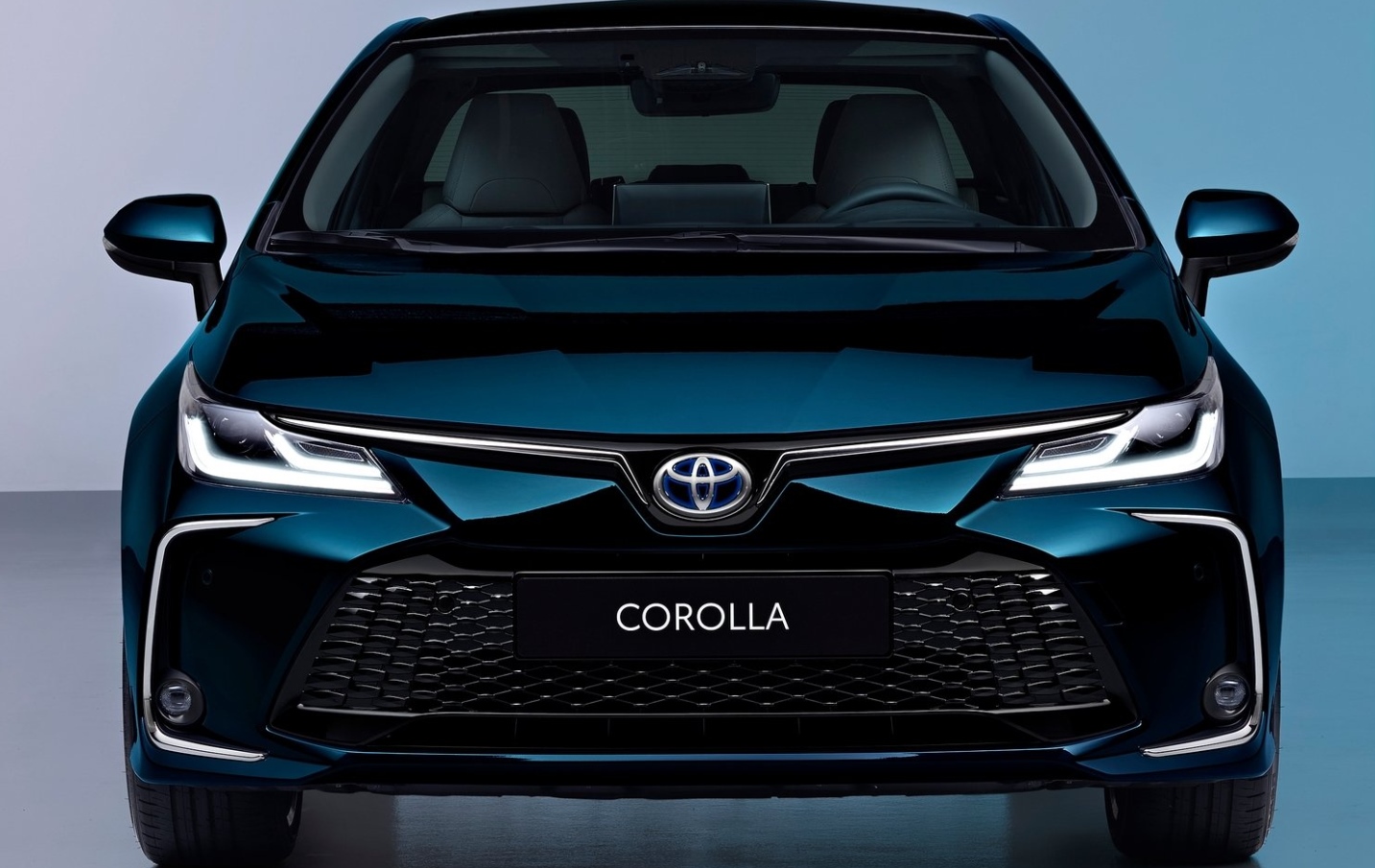
Finding a 2025 Toyota Corolla Hatchback allocation spreadsheet involves navigating Toyota’s regional distribution system. While Toyota does not provide a public, centralized PDF allocation document for individual consumers, dealers utilize internal logistics databases to monitor incoming inventory. Understanding how these systems work—and how you can leverage public inventory tools—is the most effective way to locate your desired configuration without access to restricted dealer-only spreadsheets.
Understanding Toyota Allocation Mechanics
Toyota operates on an allocation system rather than a traditional factory-order system found in many other automotive brands. When you request a specific 2025 Toyota Corolla Hatchback, you are not placing an order that goes directly to a production line. Instead, Toyota’s regional distributors assign vehicle configurations to dealerships based on regional demand, inventory turnover rates, and market demographics.
Because the manufacturing process is not a "build-to-order" model, there is no master spreadsheet that lists every car currently in production alongside the name of the customer who will eventually buy it. Instead, dealerships receive "allocation sheets" that detail vehicles assigned to their specific store or region. These documents are proprietary, sensitive commercial information used by sales managers to plan inventory sales cycles. Because these documents contain dealer-level business intelligence, you will rarely find an official, current PDF version available for public download.
Why Public "Allocation Spreadsheets" Are Usually Misleading
If you encounter a link promising a downloadable "2025 Toyota Corolla Hatchback allocation spreadsheet," you should approach it with significant caution. Often, these files are either outdated, incomplete, or scraped data from third-party inventory aggregators.
Most of these files are generated by automated scripts that pull data from the Toyota "Build and Price" portal or dealership websites. While they may look like an official spreadsheet, they lack the real-time connectivity required to confirm if a vehicle is truly "available." By the time a spreadsheet is compiled and converted to a PDF, the vehicle listed may have already been sold or reserved by another buyer. Relying on such documents often leads to frustration because they provide a static snapshot of a highly fluid, dynamic inventory system.
How to Track Incoming Inventory Effectively
Instead of hunting for an unofficial spreadsheet, you can use authorized digital tools to view the same data that dealers use to manage their incoming arrivals. Toyota’s official website provides an inventory search function that covers a vast radius.
- Use the Toyota Inventory Search: Visit the official Toyota website and select "Search Inventory." Input your zip code and choose the 2025 Toyota Corolla Hatchback.
- Expand the Search Radius: The default search is often limited to 50 miles. By expanding this to 200 or 500 miles, you can see allocations assigned to dealerships across a much wider geographic area.
- Filter by Status: Look for the "In Transit" status. This indicates that the vehicle has been built and assigned to a dealer but has not yet arrived on the lot. This is the closest equivalent to seeing an allocation sheet in real-time.
- Identify Port Processing: Vehicles that are "In Transit" are often at a port of entry or a regional processing center. Knowing this status allows you to communicate with a dealer about a car that is "on the way," even if it is not yet visible on their local lot.
The Role of Dealership Inventory Managers
The most accurate information regarding an allocation will always come directly from the dealership's inventory manager. Dealerships have access to the "Dealer Daily" portal, which is the internal system where Toyota provides comprehensive data on incoming units.
If you are looking for a specific trim level—such as the SE or XSE—or a particular color and option package, reach out to a dealer and ask them to check their "incoming allocation" or "pipeline" report. They can filter this report by model year and trim. A professional sales representative will be able to tell you if they have a unit coming in, if it is already spoken for (a "sold" unit), or if it is currently available for reservation.
Comparative Analysis of Tracking Methods
Understanding the differences between manual searching and professional allocation tracking is essential for securing a vehicle.
| Method | Accuracy | Effort Required | Data Granularity |
|---|---|---|---|
| Public Inventory Search | High (Real-time) | Low | High (Trim/Color/Option) |
| Third-Party Spreadsheets | Low (Static) | High (Verification) | Low (Outdated) |
| Dealer Pipeline Report | Very High | Medium (Requires Contact) | Complete (VIN/ETA) |
| VIN Tracking Tools | High (Limited) | Medium | Moderate |
Prerequisites for Securing a 2025 Allocation
Before you contact a dealer, you must be prepared to act quickly. Because the 2025 Toyota Corolla Hatchback is in high demand, allocations are often claimed by buyers before the vehicle physically reaches the dealership.
- Financial Readiness: Have your financing pre-approved or your cash-on-hand ready. Dealers are more likely to prioritize a customer who can close the transaction the moment the vehicle arrives.
- Specific Requirements: Define your "must-have" features vs. your "nice-to-have" features. If you are too restrictive with colors or accessory packages, you may be waiting months for an allocation that matches your exact request.
- Dealer Relationships: Building a rapport with one or two local dealers is far more effective than emailing twenty different stores. A consistent contact is more likely to notify you when a matching vehicle enters their pipeline.
Navigating Dealer Fees and Market Adjustments
When you secure an allocation for a 2025 Toyota Corolla Hatchback, it is vital to clarify the final "out-the-door" price. Some dealerships may apply market adjustments (often called ADM or Market Price Adjustments) to the MSRP, especially for vehicles in high demand.
- Ask for an Itemized Quote: Ensure that the price includes all dealer-installed options, documentation fees, and regional taxes.
- Clarify Reservation Deposits: If you are putting down a deposit to secure an incoming unit, get the terms in writing. Ensure the deposit is refundable if the vehicle does not arrive by the estimated time or if the specifications differ from what was promised.
- Avoid Hidden Fees: Watch for "protection packages" or "paint protection" that are added at the port or by the dealer. While these are common, they should not be mandatory if they do not add value to your specific needs.
Common Mistakes When Searching for Allocations
One of the most frequent mistakes buyers make is assuming that a "Coming Soon" status on a website guarantees availability. A vehicle listed as "Coming Soon" may have been allocated to a specific customer months in advance. Similarly, buyers often assume that inventory is shared across a large dealer group. While some dealer groups share inventory, many operate independently, meaning a vehicle at one location cannot easily be transferred to another.
Another common pitfall is ignoring the regional distribution differences. A Toyota Corolla Hatchback configuration that is common in California may be rare in the Northeast, due to regional demand and emission requirements. Understanding your region’s specific supply chain can help you manage your expectations regarding delivery timelines.
Frequently Asked Questions
1. Is there an official Toyota PDF I can download to see all current allocations? No. Toyota does not release public allocation spreadsheets. Any PDF you find online is either a third-party compilation or a misrepresentation of internal dealer data. Always rely on the official Toyota inventory portal for the most accurate information.
2. Why can't I order a 2025 Toyota Corolla Hatchback exactly how I want it? Toyota’s production model is based on regional allocation rather than custom factory orders. Dealers receive a mix of trim levels and colors based on manufacturer projections, and they sell from that predetermined pool of incoming inventory.
3. What does "In Transit" mean on a dealership website? "In Transit" means that the vehicle has been built and assigned to that specific dealer but has not yet been delivered. These vehicles are usually available for purchase, though they may already be reserved.
4. How long does it usually take for an allocated vehicle to arrive? Timelines vary significantly based on the proximity of the dealership to the assembly plant or port of entry. Generally, once a vehicle is marked as "In Transit," it can take anywhere from a few days to several weeks to arrive.
5. Can I use a VIN to track my specific allocation? If a dealer provides you with a VIN for an allocated vehicle, you can use that to track the vehicle's progress through its production and delivery phases. Most dealers can provide an updated ETA once the VIN is assigned.
Final Next Actions
To successfully secure a 2025 Toyota Corolla Hatchback, abandon the search for an elusive, unreliable spreadsheet. Instead, follow these steps:
- Identify your local dealers and verify their reputations regarding MSRP pricing.
- Use the official Toyota website’s inventory search tool with an expanded radius of 200+ miles.
- Once you find a dealer with an "In Transit" unit that matches your needs, contact their sales manager immediately.
- Request a build sheet or a purchase agreement that includes the final price and an estimated arrival date.
- Secure the vehicle with a documented, refundable deposit if necessary.
By engaging directly with the dealer's actual inventory data rather than relying on outdated PDFs, you ensure that your information is current and your path to ownership is clear.